
Why Coaches Must Avoid This Trap
Coaches are stepping into 2026 with more tools, more templates, more AI helpers, and more “best practices” than any era before. That sounds like an advantage, until you realize it creates a brutal trap. You start collecting resources instead of converting them into client results. You start polishing content instead of building consistency. You start chasing novelty instead of building a system that works when you are tired, busy, or doubting yourself.
This article breaks the trap down to its mechanics, shows you how it silently kills retention and referrals, and gives you a clean operating system to avoid it permanently.
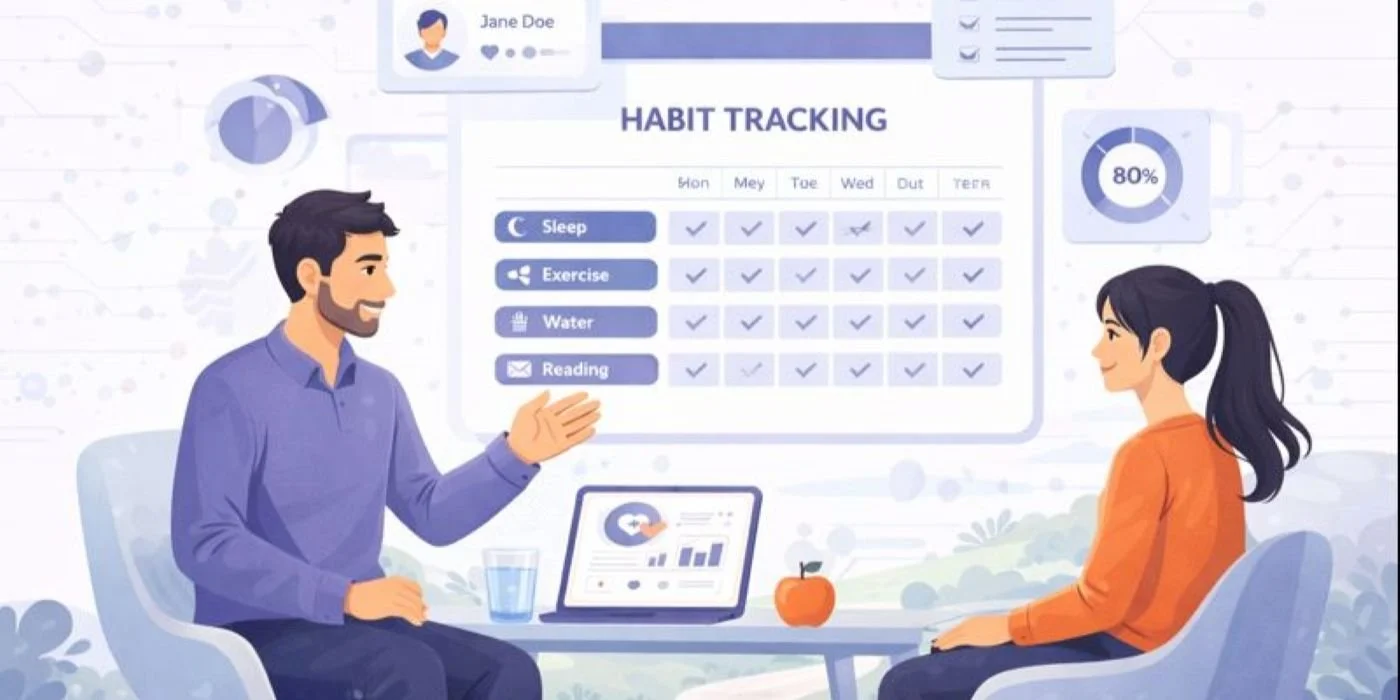
1: The Trap That Quietly Kills Coaching Results in 2026
The trap is simple and deadly: confusing accumulation with execution.
In 2026, you can get a new framework, a new prompt library, a new funnel template, a new “signature method,” and a new content idea in minutes. That availability creates an illusion that progress is happening. But clients never pay for your library. They pay for outcomes, clarity, emotional safety, and change that holds under pressure. If your work is not translating into consistent client movement, what you own does not matter.
This trap shows up in three painful places.
First, your sessions become less sharp. You start “trying things” instead of running a repeatable process. The client feels it. They may not say it, but they sense the lack of a clear container, especially if you are not using strong session structures like the ones in coaching session templates to boost your productivity instantly.
Second, your marketing becomes inconsistent. You post when inspiration hits, then disappear when you get busy. That is the fastest way to teach your audience not to trust your availability. If you want the long game, you need a system like the one implied in how to build a successful coaching practice from scratch and reinforced by essential first steps for new coaches.
Third, your offer starts to wobble. When you do not have a consistent process, you struggle to price confidently, because your mind knows the delivery is not standardized. That pricing anxiety bleeds into your sales calls and your positioning, even if you are “saying the right words.” If you want to protect your credibility, you build toward clear standards the way how certification enhances your coaching credibility explains.
The reason this trap is worse in 2026 is that clients are more educated than ever. They have seen a thousand coaches on short form content. They can smell fluff, they can smell vague promises, and they can smell a coach who is improvising instead of leading. If you want to stand out, you do not need more material. You need a more reliable execution engine.
Before we go deeper, use the table below as a diagnostic. It will show you exactly where the trap is showing up and what to do next.
2: Why This Trap Is So Addictive (And Why Smart Coaches Still Fall for It)
This trap is not a “new coach problem.” It hits high performers too, because it rewards the brain instantly. Building a template feels productive. Buying a course feels like investing. Saving a new prompt feels like preparation. But none of it forces you to face the most uncomfortable part of coaching: execution consistency.
In real coaching work, you have to confront things that do not feel clean.
You confront client resistance, the quiet kind where they nod and do nothing. You confront emotional avoidance, where the client talks about the problem instead of feeling the problem. You confront identity friction, where the client wants change but also wants to stay who they were. Those moments require skill, structure, and presence, not another PDF.
That is why the best coaches obsess over core skills like the ones taught in powerful questioning techniques that transform coaching sessions and performance principles like how the worlds best coaches get results. They do not chase novelty. They deepen what works.
Here is what is actually happening when the trap takes over.
You are using complexity to avoid accountability. When your system is unclear, you can blame the system. When your process is consistent, your results are visible. That visibility is scary, because it forces you to either improve your delivery or admit you are not executing.
You are using planning to avoid discomfort. Posting content, selling, and leading sessions with strong boundaries can trigger fear. If you stay in research mode, you never have to feel the vulnerability of being judged.
You are trying to be “complete” before you are effective. In 2026, this is amplified by “coach influencer culture.” You see polished content and assume you need more tools. But the real differentiator is not polish. It is clarity and consistency, the kind that comes from structured practice, like the wheel of life reinvented strategies for coaching mastery and execution frameworks like smart goals 20 how top coaches set and achieve client goals.
If you want out of the trap, you need a rule: resources must earn their place.
If a resource does not change a client behavior within seven days, it is not a priority. If a tool does not reduce your delivery friction, it is clutter. If a strategy does not increase retention, referrals, or qualified leads, it is noise.
This is also where credentials matter, not as a badge, but as a filter. When you understand standards, ethics, and proven methodology, you stop being seduced by every new trend. That is why how certification differentiates your health coaching business is not “nice to have.” It is an execution advantage.
3: The Anti Trap Operating System (A Simple System That Forces Results)
To avoid the trap, you need a system that is hard to lie to.
Not a motivational quote system. Not a “post when you feel like it” system. A real operating system that forces consistency, creates feedback, and converts your knowledge into outcomes.
Here is the foundation.
The One Problem Rule
Pick one problem you are known for solving. Not ten. Not “anything mindset.” In 2026, specialization is trust. A clear problem statement makes your content sharper, your sessions clearer, and your referrals easier.
If you are still deciding, use the process in comprehensive analysis the most profitable coaching niches today and then lock your direction for 90 days using a build path like launch your successful health coaching career complete roadmap.
The Three Milestone Method
Clients do not stay because you are nice. They stay because they can feel movement.
Define three milestones that represent real progress. Example structure:
Stabilize the behavior, reduce chaos
Build the system, create repeatable habits
Pressure test the identity, make it stick under stress
This is how you avoid vague coaching. It also protects you in sales, because you can describe the journey clearly. If you want an advanced angle, combine this with frameworks in new data proven coaching methods for maximum client success and the modern change principles in how to actually change your clients life in 2026.
The Weekly Execution Loop
Every week, your clients need the same four things.
A clear goal for the week
A small set of actions
A tracking method
A review that creates learning
This is how you produce consistency without overwhelming clients. You can build it into your sessions using the structure from coaching session templates to boost your productivity instantly and sharpen your coaching questions using powerful questioning techniques that transform coaching sessions.
The Resource Conversion Rule
This is the single most important rule in this entire article.
Every resource must be converted into one of these formats:
A client ready worksheet
A one page decision guide
A tracking template
A script you use in sessions
A habit ladder with clear progression
If it stays in your downloads folder, it is not an asset. It is dead weight.
This is also where the “radical simplicity” mindset wins in 2026. Simplicity scales, complexity collapses. Use the philosophy in the radical simplicity coaches are loving to keep your library small and powerful.
4: The 30 Day Escape Plan (A Playbook That Makes You Consistent Without Burnout)
If you want to avoid the trap permanently, you need a short sprint that changes your default behavior. This 30 day plan is designed to create visible results fast, because fast proof builds long term consistency.
Days 1 to 7: Build the Minimum Viable Coaching System
Your only goal in week one is to stop improvising.
Create one session agenda you use every time
Use a structure that matches your style, but keep it repeatable. If you need a starting point, model it after coaching session templates to boost your productivity instantly.Create one weekly check in format
Keep it simple. Three questions that expose reality: what you did, what blocked you, what you learned.Define your three milestones
Use the Three Milestone Method from earlier. Then write them into your client onboarding.Define your “minimum effective homework”
The trap often shows up as homework overload. In 2026, attention is fractured. Give fewer actions, track them harder.
Days 8 to 14: Convert Resources Into Client Ready Assets
This is where you stop being a collector.
Pick five resources you already have. Convert each into a client ready asset. One per day is enough. The key is that you must deploy them immediately.
Examples:
Turn a mindset framework into a one page decision guide
Turn a nutrition idea into a weekly plan that is actually doable, especially if your clients struggle with consistency, which is addressed in how coaches can actually change client diets
Turn a habit method into a ladder with levels
Turn a reflection prompt into a weekly ritual
This is how you build a library that works. It is also how you scale later, because your delivery becomes repeatable intellectual property.
Days 15 to 21: Build Proof and Retention
Proof is the currency of 2026 coaching.
Every week, your clients should feel a win. That win can be small, but it must be real. This is where you borrow performance principles from how the worlds best coaches get results and apply them aggressively.
Do three things:
Start a wins log for every client
Track behavior change, not just feelings. Behavior is what sells.Add a “pressure test” question every session
Ask what will break the plan this week, and design a defense. This makes your coaching feel engineered, not inspirational.Create an end of week reflection ritual
If you want community retention, tie it into a consistent ritual, because community stickiness is created through repetition, not hype.
Days 22 to 30: Lock Your Positioning and Visibility System
Most coaches fall into the trap because they fear visibility. They hide behind preparation. You fix that by setting minimums that you can keep even on bad weeks.
Here is a simple visibility baseline:
One short post teaching one framework
One story that shows a client moment
One email that summarizes a lesson
One call to action to a clear next step
If you want a strong career foundation while you build visibility, anchor your growth using step by step guide how to become a certified life coach and the business building path in step by step guide to launching your health and life coaching career.
The key is that you are not trying to do everything. You are trying to do the minimum consistently, because consistency compounds.

5: Why Credentials and Standards Protect You From the Trap (And Make You More Expensive)
In 2026, trust is harder to earn and easier to lose.
Clients are skeptical. They have seen exaggerated claims, ungrounded advice, and coaches who blur the line between confidence and certainty. That is why credentials and standards are not just marketing. They create a safer coaching identity and a clearer coaching process.
When you are trained under standards, you stop chasing every trend. You develop a professional filter.
That filter helps you in four ways.
First, it improves your language. You can describe what you do with precision. That matters when you are writing your bio, your site, or your resume, and it is why resources like health coach certification credentials how to list on your resume are so practical.
Second, it improves your ethics and scope boundaries. A lot of coaches fall into the trap of overstepping because they want to help. That can destroy trust. Standards protect both you and the client, and they align with the broader view in understanding certification standards across organizations.
Third, it improves your consistency. When you commit to a credentialing path, you build professional habits. You practice, you review, you reflect. This directly opposes the trap, because it forces structure. If you are navigating credentialing, start with navigating the credentialing process for life coaches and credentialing requirements how to meet them easily.
Fourth, it improves your long term positioning. In a saturated market, credibility signals matter. If you want to choose an aligned path, use how to choose the best credentialing body for coaches and compare options using guide to international coaching certification options and top credentialing bodies for life and health coaches.
If you want to be expensive in 2026, you need two things.
You need a process that works, and you need proof that your process is grounded. Credentials help with the grounding. Your operating system creates the results.
That combination is what separates a coach who posts, from a coach who builds a career.
6: FAQs
-
The fastest sign is when you feel “busy” but your outcomes are not improving. Your sessions do not feel sharper, your client retention is not rising, and your marketing still depends on mood. If you are constantly saving resources, switching strategies, or rewriting your offer, you are likely using complexity as a shield. The fix is not more information. The fix is a minimum system. Start with one repeatable session structure, one weekly check in, and one milestone roadmap, then measure client adherence weekly using principles similar to smart goals 20 how top coaches set and achieve client goals.
-
Use a conversion rule. No new resource enters your library unless it becomes a client ready asset within seven days. That means it must turn into a worksheet, a script, a tracker, or a decision guide you deploy with a real client. This rule removes fantasy progress. It also forces you to prioritize what actually moves clients. If you want a strong foundation for turning knowledge into delivery, lean on structured resources like coaching session templates to boost your productivity instantly and refine the human skill side with powerful questioning techniques that transform coaching sessions.
-
Because motivation is not the engine. The engine is friction control. Clients stall when the plan is too complex, when tracking is unclear, when the week has no structure, or when emotional avoidance is not addressed. Build a weekly execution loop with a small number of actions and a simple tracking method. Then ask one pressure test question each session: what will break this plan this week? That question surfaces reality and lets you engineer around it, which is a core reason how the worlds best coaches get results feels so different from generic coaching.
-
Stop relying on inspiration. Build minimums. Choose a weekly baseline you can maintain even on hard weeks, like three short posts and one email. Then write content to one painful moment, not a broad topic. Broad content gets polite likes. Sharp content builds trust. If you are still building your practice foundation, combine a minimum marketing system with the path in how to build a successful coaching practice from scratch and step by step guide to launching your health and life coaching career.
-
Credentials help when they shape your behavior, not when they sit on your website. A real credentialing path forces standards, structured learning, and ethical clarity. That creates a professional filter so you stop chasing trends and start building depth. It also strengthens how you describe your work, which improves pricing confidence. If you want to use credentials strategically, learn how to communicate them properly with health coach certification credentials how to list on your resume and strengthen trust signals through how certification enhances your coaching credibility.
-
Do not rebuild everything. Stabilize first. Pick one core session agenda and use it for every client for four weeks. Add one weekly check in. Add one wins log. Then watch what improves. Messy delivery usually means there is no repeatable container. When the container is stable, your creativity becomes useful again. This is why simplicity wins in 2026, and why frameworks like the radical simplicity coaches are loving are not trendy, they are practical.
-
Scaling happens when your delivery becomes assets. Every time you solve a recurring problem, capture the solution as a template, script, tracker, or checklist. Over time, your coaching becomes a structured method, not a series of improvised conversations. That is how you build intellectual property, team delivery, group programs, and predictable outcomes. If you want to build a career path that supports long term growth, combine your delivery system with broader direction in launch your successful health coaching career complete roadmap and explore professional positioning through executive coaching career path certification to high level success.
