
How the World’s Best Coaches Get Results
The best coaches do not “motivate” people into change. They engineer results with repeatable systems that turn intention into action, action into evidence, and evidence into identity. They know exactly how to create clarity, protect momentum, and handle the messy emotional moments that derail progress. If your clients start strong but fade fast, the fix is not more hype. It is better structure, sharper conversations, and smarter reinforcement. This guide breaks down the exact levers elite coaches use to get consistent outcomes without burnout, chaos, or client dependence.
1. The Coaching Operating System That Produces Outcomes
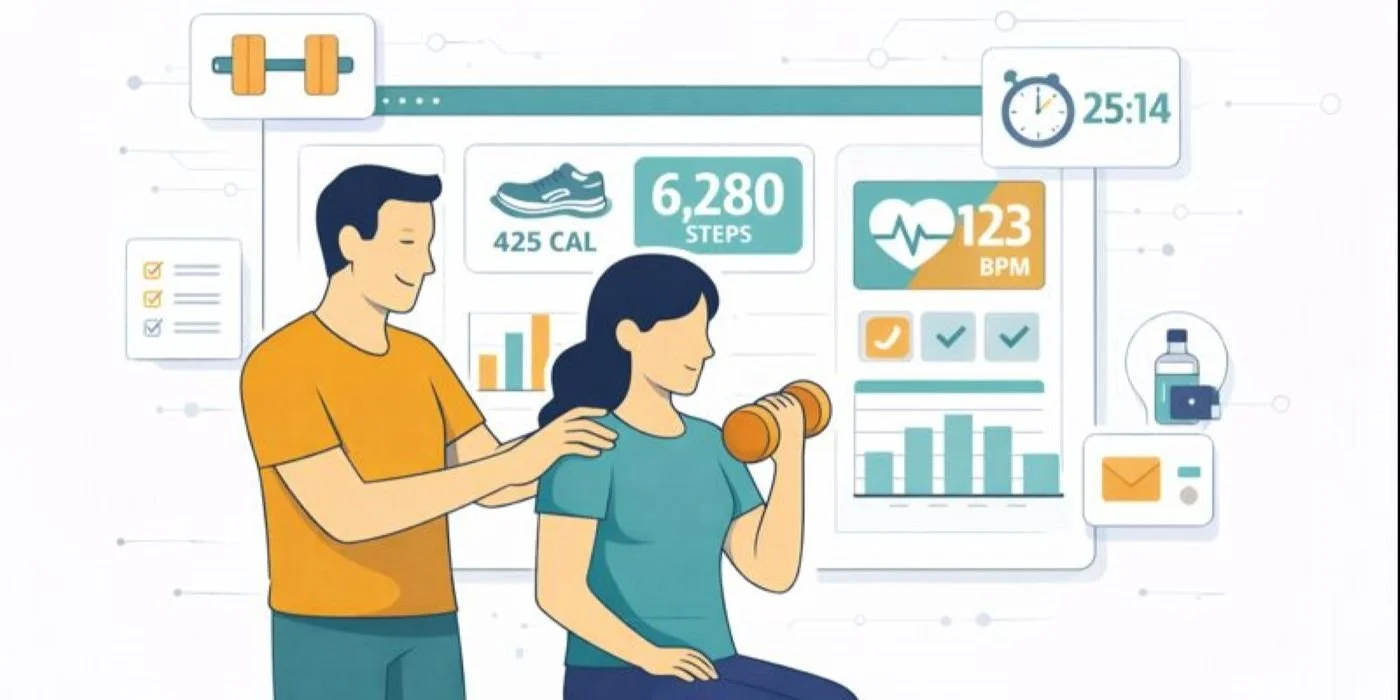
Top coaches run coaching like a disciplined operating system. Not rigid. Not robotic. Structured. They control what happens before the session, during the session, and after the session. This is the missing link for coaches who “give great advice” but do not create consistent results.
Before the session, elite coaches collect truth, not stories. They use a quick check in to capture actions taken, obstacles faced, and emotional state. When you start sessions with long updates, you lose the edge. Start with data, then meaning. A simple weekly scorecard pairs perfectly with reinforcing positive behaviors because it shows exactly what to praise and what to adjust. This is also where effective communication techniques matter, because your tone decides whether data feels like judgment or empowerment.
During the session, the structure is: clarify, decide, commit. Clarify the real problem, not the surface complaint. Decide on one high impact action, not ten good ideas. Commit with specificity: when, where, how long, and how you will handle resistance. The best coaches use powerful questioning to get the client to state the commitment in their own words, then reflect it back using effective listening skills. This combination reduces fake agreement. Clients cannot hide behind “sure, that sounds good” when you ask them to define what they will do by Tuesday at 6 pm.
After the session, results are protected by follow through. Elite coaches do not rely on memory. They create a simple action receipt. It can be one message, one checklist, one card, or one recorded recap. The point is the same: remove ambiguity so the client does not have to “re decide” later. If you coach busy professionals, this is survival. Without follow through, clients get pulled into work, family, and stress cycles. Then they show up next week with guilt and vague apologies. That is why work life balance coaching and stress management skills belong inside the operating system, not as optional topics.
A strong operating system also protects you from emotional overwork. When clients face grief, trauma, or intense stress, the coach needs a clear lane. You can support without absorbing. Use compassionate grief strategies to hold space, use mindfulness and meditation tools to regulate the moment, and keep professional boundaries so the relationship stays healthy. The world’s best coaches last because they coach with structure, not sacrifice.
2. Conversations That Move Clients From Knowing to Doing
Most clients already know what to do. Eat better. Sleep more. Set boundaries. Stop procrastinating. The reason they are stuck is not information. It is friction, fear, and patterns. The best coaches get results by running conversations that target the pattern, not the symptom.
Start by shifting from advice to insight. Ask questions that force specificity and ownership. Instead of “Why is this hard?” ask “What is the first moment you start negotiating with yourself?” This is where powerful questioning becomes a scalpel. It cuts through stories. Then you use effective listening to mirror the pattern back in a way the client cannot unsee. When clients see the pattern clearly, they stop blaming themselves and start changing the environment.
Next, best coaches treat resistance like data. If a client keeps missing the same action, do not shame them and do not lower standards immediately. Investigate the real block: emotional risk, identity conflict, unclear steps, or competing priorities. If the client says they “forget,” you coach systems. If they say they “panic,” you coach regulation. If they say they “do not want to disappoint people,” you coach boundaries. Use communication techniques to keep the tone safe, then bring in stress management or mindfulness tools when emotions hijack action.
Another results lever is how you handle difficult truth. Elite coaches do not avoid tension. They know how to name patterns cleanly without attacking the client. This is exactly why managing difficult client conversations and conflict resolution strategies are not just “soft skills.” They are conversion skills for change. If you cannot have the hard conversation, the client stays stuck in polite loops. If you can have it with care, you unlock the breakthrough.
Finally, the best coaches close sessions with a commitment ritual. Clients repeat the plan out loud. They define the smallest start step. They identify the trigger that might derail them and the exact response they will use. This is how inspiring immediate action becomes repeatable, not occasional. The session ends with clarity and ownership, not hope and hype.
3. Measurement, Accountability, and Reinforcement That Actually Stick
If you want results, you need measurement. Not obsessive tracking. Clear feedback. Elite coaches measure the few things that create the many outcomes. They also make accountability feel like support, not surveillance. This is where average coaches lose clients, because they treat accountability like pressure instead of partnership.
First, measure behaviors, not just outcomes. Outcomes can lag. Behaviors are immediate. If the client wants weight loss, you track sleep, steps, protein, and training sessions. If the client wants business growth, you track outreach, content consistency, and sales follow up. If the client wants emotional stability, you track recovery rituals, boundaries, and stress responses. Coaches who master reinforcing positive behaviors do this naturally, because they always have something specific to acknowledge.
Second, elite coaches build accountability rituals. One weekly check in, one midweek nudge, one quick review. The point is not intensity. The point is consistency. This is also where work life balance coaching matters, because accountability that does not fit real life becomes another failure trigger. When clients are overloaded, your system must shrink actions while protecting momentum. That is how you prevent the shame spiral that often leads to ghosting.
Third, reinforcement must be precise. Praise the behavior that matters. Praise the process, not just the outcome. If a client did the hard action even when they did not feel ready, that is identity change. Call it out. Tie it to who they are becoming. Then anchor it to the next step. This is how deep trust grows, because clients feel you see the real effort, not just the polished wins.
Accountability also requires hard conversations. If a client repeatedly avoids commitments, the best coaches do not become softer until standards disappear. They get curious and direct. They use managing difficult conversations to name the pattern, explore the cost, and re set commitments at a level that is challenging but achievable. If the relationship becomes tense, you use conflict resolution skills to repair quickly. If the client starts leaning on you emotionally in ways that blur lines, you use professional boundaries to keep the work effective and ethical.
Finally, the best coaches coach relapse as a skill. A lapse is not failure. A lapse is a moment to practice recovery. The client learns how to restart without drama. This is why burnout coaching strategies and self care coaching are not “nice to have.” They are what keep progress alive when life gets loud.
4. The Trust and Boundaries Layer That Separates Good Coaches From Great Ones
You can have the best plan in the world and still get zero results if the relationship is weak. Results require honesty. Honesty requires safety. Safety requires trust. Elite coaches build trust deliberately, not accidentally.
Trust begins with consistency. You do what you say you will do. You follow up. You do not over promise. You stay grounded when the client is emotional. When clients feel stable with you, they reveal the real blockers sooner. This is why building deep trust is a results skill, not a personality trait. Trust also depends on listening. Most clients do not need more advice. They need to feel accurately understood. Mastering effective listening techniques is how you get to the root faster and reduce sessions that feel like rambling.
Boundaries are the second part of greatness. Without boundaries, coaches become emotionally over invested, clients become dependent, and progress becomes fragile. The best coaches set clear expectations about communication, response times, and what coaching includes. They use professional boundary techniques to protect the relationship from resentment and confusion. This is especially important when clients are dealing with trauma, grief, or mental health challenges. You can support, but you must stay in scope. For trauma sensitivity, learn how coaches can support clients with PTSD and trauma without becoming a substitute clinician. For grief, use compassionate grief coaching to hold space without pushing outcomes too early.
Great coaches also manage emotional regulation in sessions. When clients spiral, freeze, or shut down, you cannot logic them into action. You must help them return to a regulated state first. This is where mindfulness and meditation techniques and stress management become practical tools. Regulation is not spiritual fluff. It is the gateway to decision making.
When trust and boundaries are strong, you can challenge clients harder without breaking rapport. You can ask sharper questions. You can name patterns. You can insist on commitments. You can also repair quickly when conflict happens, using conflict resolution strategies. That is the difference between coaches who “get along” with clients and coaches who get clients to grow.

5. How Elite Coaches Turn Results Into Long Term Client Independence
The highest level result is not the short term outcome. It is independence. Clients who rely on you to stay consistent are not truly changed. Elite coaches aim to create clients who can self coach, self correct, and self restart.
Independence starts with teaching clients to run a personal operating system. They learn how to set weekly priorities, choose one or two behaviors, track them, and review them. They learn how to troubleshoot misses without shame. This is why the best coaches continually reinforce the skill of reflection, using powerful questioning and effective listening to help clients generate their own insights. When clients generate insights, they own them. Ownership is what lasts.
Next, independence requires emotional self management. If clients only perform when life is calm, they do not have a stable skill. They have a temporary window. Teach clients how to regulate under stress, how to protect sleep, how to recover after a tough day, and how to re start after a lapse. This is where burnout strategies, self care coaching, and stress management techniques become the foundation for durability.
Independence also needs boundaries. Clients who cannot say no cannot protect progress. They get pulled into other people’s emergencies, workplace chaos, and family guilt. Coaching must include boundary skill building, using professional boundary frameworks and work life balance coaching to help clients defend their energy. This is not selfish. This is survival.
Finally, independence requires reinforcement that points inward. Instead of “You did it because I helped you,” the narrative becomes “I did it because I am the kind of person who follows through.” This identity shift is the real transformation. When clients see themselves as consistent, they act consistent. When clients see themselves as resilient, they recover faster. When clients see themselves as capable, they stop outsourcing confidence.
World class coaches do not create clients who need them forever. They create clients who graduate with tools, self awareness, and a repeatable process. That is the deepest form of results, and it is also the strongest form of reputation.
6. FAQs
-
Start with one measurable behavior that creates immediate proof, then lock it in with a simple check in rhythm. Use how to inspire immediate action to avoid overplanning, and reinforce the smallest wins using positive behavior reinforcement. The goal is not transformation in seven days. The goal is evidence that momentum is possible.
-
Ghosting usually follows shame, overwhelm, or unclear expectations. Tighten your structure, reduce friction, and build safety through deep trust building and effective listening. When clients feel safe to report misses, you can coach the pattern instead of losing the relationship.
-
They stop arguing with the story and start diagnosing the block. Use powerful questioning to find the real friction, then address it with systems, emotional regulation, or boundary skill building. If the client is avoiding hard conversations, lean on managing difficult conversations to name the pattern cleanly and re set commitments.
-
Accountability is a shared review, not a trial. Track behaviors, ask what happened, then choose the next experiment together. Use tone and clarity from communication techniques, and reinforce what went right with positive behavior reinforcement. Clients feel judged when you imply they are broken. They feel supported when you treat setbacks as data.
-
Use structure, consent, and boundaries. Ground sessions with mindfulness techniques, keep stress tools ready through stress management strategies, and protect the relationship with professional boundaries. If trauma is present, follow guidance on supporting clients with PTSD and trauma and refer out when appropriate.
-
They build repeatable systems, teach relapse recovery, and shift identity. They coach clients through overload using burnout strategies and self care coaching, then reinforce independence through reflection and ownership. Long term results come from clients learning how to restart fast and stay honest.
-
Three skills move the needle everywhere: listening, questioning, and handling hard moments. Master effective listening, sharpen powerful questioning, and practice conflict resolution. When you can hold truth with care, clients change faster and stay longer.
