
Common Mistakes to Avoid on the ICF Certification Exam
Most people fail the ICF credential exam for one reason: they study concepts, but the exam tests application under constraints. It rewards coaches who can spot what the ICF wants you to do next, based on competencies, ethics, and coaching mindset, not what sounds motivational. This guide breaks down the most common mistakes that quietly kill scores, plus practical fixes you can drill weekly. If you want a clean pass without panic cramming, you need a system, not random notes, similar to the structure behind how coaches reach mastery and the habits that protect your confidence discussed in how to make it work every time.
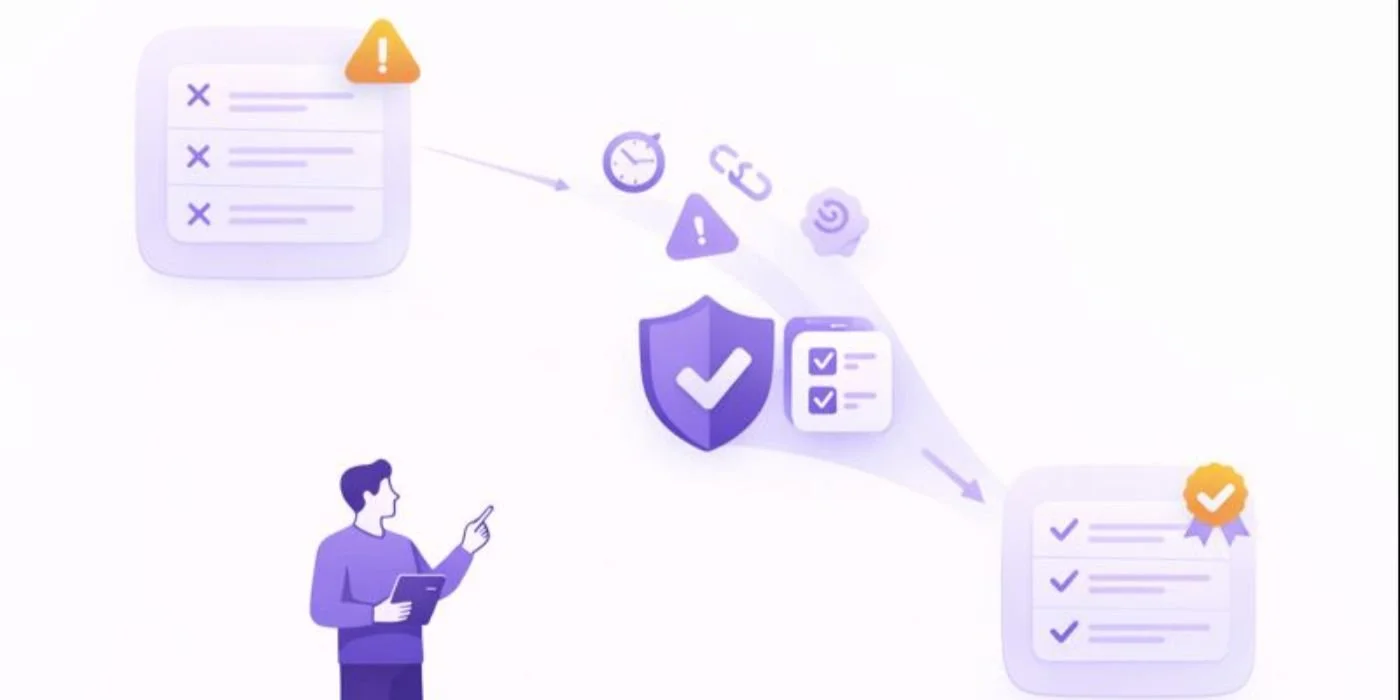
1. Mistake One: Studying Content Instead of the Exam’s Decision Logic
The ICF exam is not asking, “Do you know coaching?” It is asking, “Can you choose the best ICF aligned action in this exact moment?” Candidates who fail usually do all of the following:
They memorize competency definitions but cannot apply them to messy real client scenarios. They over rely on intuition instead of ICF aligned logic. They answer like a therapist, consultant, mentor, or friend instead of a coach. That identity confusion shows up in question after question.
The exam is built around how you think and how you choose. That is why you must train decision making, similar to how great communication is built through patterns and frameworks in the communication secret behind successful coaching and how trust is created through consistent choices in why trust is the most valuable asset in coaching.
1.1 What “ICF aligned” means in exam language
In exam scenarios, the best answer typically does at least one of these:
Invites the client to explore meaning, values, assumptions, or emotions
Partners with the client to define outcomes or next steps
Uses curiosity rather than advice, fixing, or diagnosing
Demonstrates ethical awareness and scope boundaries
Moves the client forward through clarity, not pressure
If your answer sounds like you are trying to be impressive, helpful, or “smart,” it is often wrong. The exam prefers the coach who creates space, builds awareness, and partners cleanly, which is the same mindset discipline emphasized in the non negotiable standards every coach must know and the boundary strength explained in how to set them and save your career.
1.2 A simple decision filter you can use on every question
Before selecting an answer, run this quick filter:
Is this coaching, or is it advising, diagnosing, persuading, or rescuing?
Does it increase client awareness or client ownership?
Does it respect ethics, confidentiality, and scope?
Does it move the client toward their desired outcome using partnership?
This filter stops you from falling into the most dangerous trap: choosing the option that feels emotionally kind but is not coaching. That trap shows up constantly, and it is the same hidden danger pattern described in why coaches must avoid this trap and the career safety framing in how coaches avoid career ending mistakes.
2. Mistake Two: Ignoring the Pattern Behind Question Traps
The exam uses predictable traps. If you can recognize them, your accuracy jumps fast. If you cannot, you will keep getting 50 50 choices wrong.
The most common trap patterns look like this:
Two answers sound “coaching like,” but one is more client led
One answer is ethically risky even if it seems helpful
One answer is a “leading question” disguised as curiosity
One answer skips contracting or outcome clarity
One answer assumes a solution without exploring context
This is why coaches who only read study guides struggle. They never train trap recognition. You should train trap recognition the same way you train client engagement systems in the future of client engagement 2026 and the mastery loop described in how coaches reach mastery.
2.1 The “leading question” trap
A leading question pushes the client toward your idea. It can sound polite, but it is still directional.
Bad style in exam logic: “Have you considered setting a schedule?”
Better exam style: “What structure would support you this week?”
When you see options that contain “don’t you think,” “have you tried,” or “why don’t you,” assume it is a trap unless it is explicitly framed as client generated.
2.2 The “solution before exploration” trap
Many options will jump straight into next steps. The exam often wants awareness first. If the client has not clarified their goal, values, or blockers, the best next move is usually exploration or contracting.
That is the same reason coaches who win long term obsess over fundamentals, which is why why top coaches are obsessed pairs so well with the trust principles in why trust is the most valuable asset in coaching.
2.3 The “fixer coach” trap
Fixing is not coaching. If an option starts with advice, a plan, or a correction, it is usually wrong unless the client clearly asked for it and you contract first.
The exam repeatedly rewards partnership and client autonomy. That is also why building real empowerment matters, not hype, as explained in how to actually empower clients real results and the deeper change methods in how one method is revolutionizing coaching
3. Mistake Three: Treating Ethics and Scope as “Side Topics”
On the ICF exam, ethics and scope are not bonus questions. They are core risk filters. Candidates miss points because they answer with “helpful” actions that ignore consent, confidentiality, or appropriate referral.
This is where many coaches accidentally answer like a friend, a manager, or a therapist. The exam wants you to demonstrate professional coaching boundaries and clear agreements, which is exactly why the non negotiable standards every coach must know and how to set them and save your career belong in your exam prep, not just your business growth.
3.1 The ethical mindset the exam rewards
When an ethical issue appears, the best answer usually includes one of these moves:
Clarify agreements and consent
Name the boundary and return to coaching scope
Encourage appropriate professional support when needed
Maintain confidentiality and avoid sharing details
Document or follow agreed policy when relevant
Ethics questions often include emotional hooks. The exam is testing whether you stay grounded and professional, which is also a major trust builder in client work, as explained in why trust is the most valuable asset in coaching and the long-term career protection perspective in how coaches avoid career ending mistakes.
3.2 A fast scope test you can apply instantly
Ask: “Is this within coaching scope, or does it require diagnosis, treatment, or specialized professional intervention?”
If it is outside coaching scope, the ICF aligned move is to be clear, respectful, and client centered. You do not abandon the client. You maintain partnership while respecting boundaries.
3.3 The exam mistake that hurts most
The most damaging mistake is trying to solve the issue for the client. If a scenario hints at harm, crisis, or clinical concerns, the exam is not asking you to coach harder. It is asking you to respond responsibly.
If you want a practical mindset for handling this cleanly, learn how boundaries protect both parties in how to set them and save your career and how clear standards prevent long-term problems in the non negotiable standards every coach must know.
4. Mistake Four: Poor Time Strategy and Weak Practice Review
Even strong coaches fail because they treat practice questions as a confidence boost instead of a training tool. The exam is a performance event. Your prep must train performance.
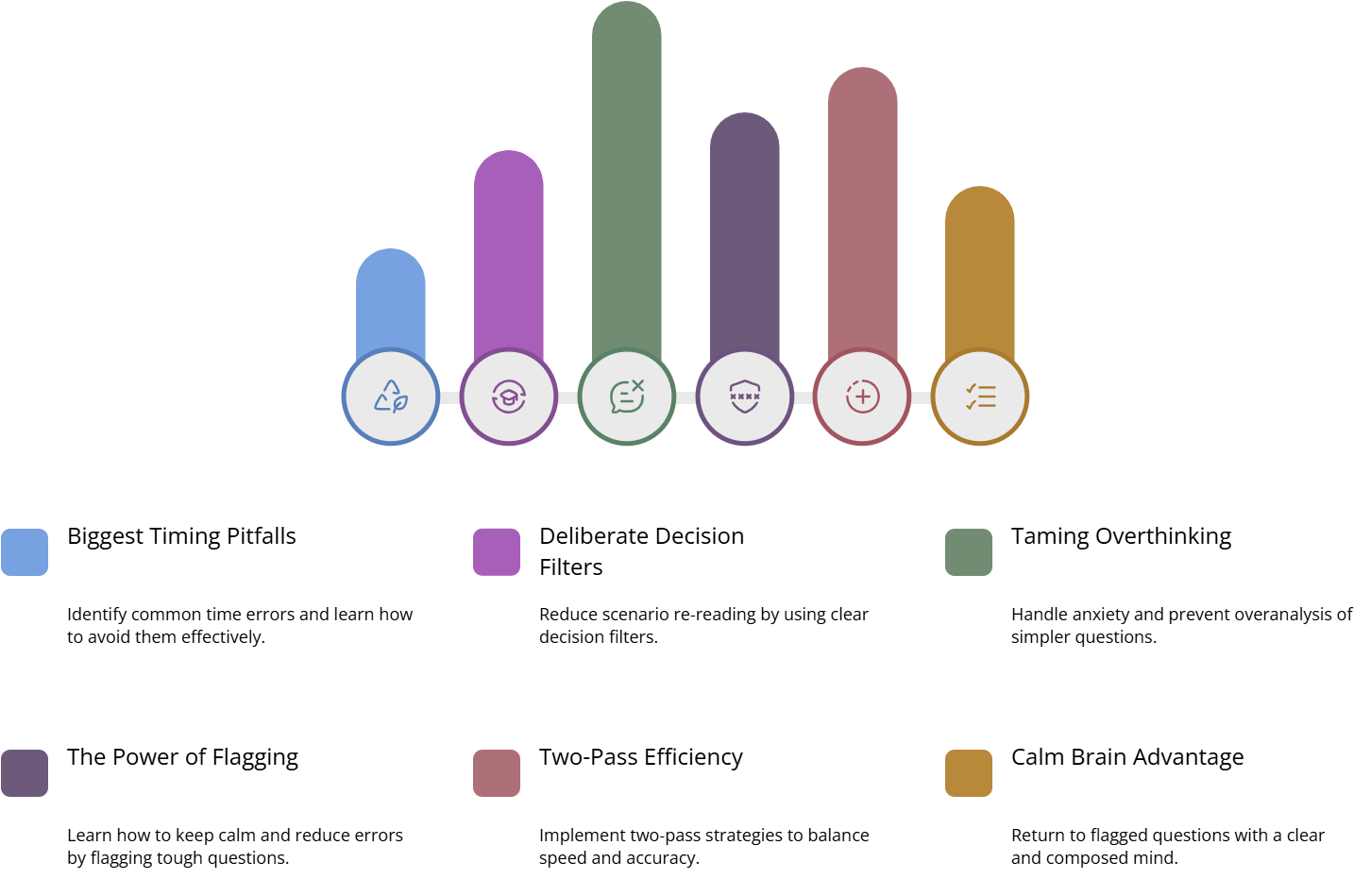
4.1 The most common time errors
Spending too long on early questions and rushing later
Re-reading scenarios repeatedly because you lack a decision filter
Overthinking simple questions due to anxiety
Not flagging and moving on when stuck
A professional prep approach uses structure and pacing, similar to the time discipline and workflow principles in managing your time efficiently as a successful coach and the consistency mindset behind how to make it work every time.
4.2 Use a “two-pass” strategy
Pass one: answer all questions you can solve quickly using your decision filter.
Pass two: return to flagged questions with a calmer brain and more time.
This alone prevents panic spirals. It also reduces the “I changed my answer and got it wrong” problem. Most candidates lose points by second guessing, not by lack of knowledge.
4.3 Turn every missed question into a rule
Do not just note that you got it wrong. Extract a rule:
“If the client goal is unclear, contract before action.”
“If an answer includes advice, it is likely not coaching.”
“If ethics appear, prioritize consent and scope first.”
This mirrors how coaches improve their own practice through deliberate refinement, which is the deeper meaning of how coaches reach mastery and why strong standards prevent future errors in the non negotiable standards every coach must know.
5. Mistake Five: Weak Coaching Presence in Scenario Interpretation
A surprising number of exam misses happen because candidates do not respond to the client’s emotional reality in the scenario. They respond to the topic only. The ICF model rewards presence, listening, and awareness.
That means if the scenario indicates fear, resistance, shame, confusion, or conflict, the best answer often includes an acknowledgment and an invitation to explore.
This is where your communication skill becomes exam performance, which is why the communication secret behind successful coaching and trust building principles from why trust is the most valuable asset in coaching matter in exam prep.
5.1 The “content-only” mistake
Example: the client says they missed goals again and feel like a failure.
Wrong exam move: immediately build a plan.
Better exam move: explore the meaning of the failure story, then reconnect to goals.
Your job is not to push productivity. Your job is to shift awareness so action becomes possible.
5.2 A professional presence response you can practice
Use a three-part response structure:
Reflect what you notice
Ask permission to explore
Invite the client to identify what matters most
This avoids being intrusive while still demonstrating presence. It is also how you avoid the trap of being “nice” but ineffective, which is a theme coaches often confront in why coaches must avoid this trap and the empowerment focus in how to actually empower clients real results.
5.3 The “coach as hero” mistake
The exam does not reward the coach who saves the client. It rewards the coach who partners with the client so the client becomes more capable.
If you feel tempted to pick the option that makes you look like the expert, pause. The ICF aligned answer often makes the client the hero of the next step.
That is also how you build client magnet outcomes in real business, which connects naturally to why its the ultimate client magnet in 2026 and the client engagement systems discussed in the future of client engagement 2026.
6. FAQs
-
Most candidates fail because they answer from personal intuition instead of ICF aligned decision logic. They choose advice, fixing, or leading questions that feel helpful but reduce client ownership. Another major reason is missing contracting steps when the client goal is unclear, which causes them to select action-oriented answers too early. Ethics and scope mistakes also hurt because candidates ignore consent, confidentiality, or referral logic when scenarios hint at risk. Finally, weak time strategy and overthinking leads to rushed errors at the end, even for well-prepared coaches.
-
When two options sound good, the best one is usually more client-led, more partnership-based, and more aligned with building awareness before action. Look for the answer that uses the client’s language, invites exploration, and avoids steering. If one option implies a solution, strategy, or recommendation, it is often the trap. Also check whether contracting is needed. If the client outcome is not defined, the best answer often clarifies what success looks like in the session before moving into steps. This simple filter breaks most 50 50 situations.
-
Stop studying broadly and start training your misses. Take a timed practice set, then create a mistake log where every wrong answer becomes a rule you can apply again. Focus on the trap patterns: leading questions, advice disguised as coaching, action before awareness, and ethics cues. Then drill contracting prompts and presence reflections daily. Your goal is not to learn more content. Your goal is to reduce repeat mistakes. Two weeks of deliberate practice can outperform two months of passive reading because you are training decision-making under pressure.
-
Treat ethics and scope as priority filters. If a scenario hints at confidentiality issues, consent problems, conflict of interest, or risk of harm, the best answer usually clarifies agreements, maintains professionalism, and chooses safety over coaching intensity. Do not assume permission. Do not share information. Do not jump into problem solving. If the scenario is outside coaching scope, the exam often expects you to acknowledge that boundary and encourage appropriate professional support while staying respectful and client-centered. The key is demonstrating responsibility without abandoning the client.
-
Use a consistent pacing plan so you do not panic near the end. A strong approach is a two-pass strategy: move quickly through the questions you can answer confidently, then return to flagged items. If you get stuck, do not reread the same scenario five times. Apply your decision filter, eliminate non-coaching answers, then choose the option that best increases client awareness and ownership. The biggest time killer is overthinking. If you train with timed blocks in your prep, your pacing will feel natural on test day.
-
Strong coaches often fail because they answer like real life, not like exam logic. In real sessions, you may blend mentoring and coaching, educate, or share tools when appropriate. The exam is stricter. It often wants you to stay in pure coaching mode: contracting, listening, reflecting, and inviting client-generated insight. Another mistake is being overly supportive without challenging patterns. ICF-aligned coaching includes appropriate challenge with permission. If you avoid naming patterns because you want to be nice, you will pick softer answers that do not match the competency emphasis.
-
If your question contains your idea, your solution, or your preferred direction, it is likely leading. Phrases like “have you tried,” “don’t you think,” or “why don’t you” are common signs. Even when phrased politely, they push the client. The exam prefers curiosity that opens exploration. A safer structure is to ask what the client wants, what matters most, what options they see, and what support they need. When you practice rewriting advice into open questions, you develop a cleaner coaching style that matches exam expectations.
-
Do not cram new concepts. Consolidate your decision filters, ethics cues, and trap patterns. Review your mistake log and rewrite the rules you extracted from misses. Do one short timed practice set just to activate your thinking, then stop. Prepare your exam environment, reduce distractions, and sleep. The day before is about stabilizing performance and confidence. If you arrive mentally calm, your brain will apply the coaching logic you already trained. Stress makes you second guess and choose “helpful” answers that are not ICF aligned, which is the exact failure mode you want to avoid.
