
How Coaches Avoid Career-Ending Mistakes
If you want longevity in coaching, you do not need perfection. You need risk awareness, repeatable standards, and a professional system that protects clients and protects you when pressure hits. Most “career ending” mistakes are not dramatic confirmed scandals. They are quiet patterns that build over months: blurred boundaries, sloppy promises, weak documentation, poor screening, reactive messaging, and invisible ethics gaps. This guide shows the exact mistakes that quietly destroy trust, how to spot them early, and the operational standards that keep your practice stable, referable, and future proof.

1) The Mistakes That End Coaching Careers Are Usually Slow, Not Loud
The biggest coaching mistake is assuming “career ending” means one big incident. In reality, most coaches lose momentum through a slow leak of credibility.
One client feels misled because your offer was unclear. Another feels unsafe because boundaries were inconsistent. Another gets results but still does not refer because the process felt chaotic. Those are not client problems. Those are professional standards problems, and they show up fastest when you have not built a clean container like the one described in techniques for maintaining professional boundaries with clients.
A second common failure is confusing emotional intensity with coaching quality. A client may cry, vent, or have breakthroughs, but if you do not translate emotion into a measurable plan, progress stalls and the client starts questioning your competence. You want a results engine, not a “good conversation” engine, which is why the structure in how the world’s best coaches get results matters.
A third silent killer is misalignment between marketing and delivery. If your content promises transformation without clarifying process, you attract clients who expect miracles. That mismatch produces refunds, negative word of mouth, and low retention. Coaches who understand positioning build trust first, like the credibility focused approach in how certification differentiates your health coaching business.
Finally, many coaches fail because they operate without a system for real life obstacles. Clients do not need more motivation. They need better friction removal, relapse plans, and action design, which is the difference between improvisation and mastery in how coaches reach mastery.
2) Mistake Category 1: Boundary Failures That Create Dependence, Drama, and Screenshots
If there is one category that ends coaching careers faster than “bad strategy,” it is bad boundaries. Boundaries are not about being strict. They are about being stable. When you are stable, clients relax, follow through, and trust your leadership. When you are inconsistent, clients test you, resent you, or cling to you.
The most common boundary failure is unlimited messaging. Coaches think constant access is “high touch.” In reality, it trains clients to outsource emotional regulation to you, and it trains you to stay on alert. That is how burnout starts, and burnt out coaches become reactive coaches. Reactive coaches create screenshot moments, and screenshot moments kill trust. The safest way to prevent this is to build your communication standard using techniques for maintaining professional boundaries with clients, then reinforce it with leadership posture from coaching leadership skills how to lead and inspire clients.
A second boundary failure is playing therapist. Many clients bring real emotional complexity. You can support emotions ethically, but you cannot cross into clinical territory. When coaches blur that line, they get stuck trying to “hold” crises they are not trained to hold. That creates risk for the client and legal risk for you. Coaches who stay professional build referral confidence, and that professionalism is part of why credentials matter in how certification differentiates your health coaching business.
A third boundary failure is flexible policies that change based on your mood. If you reschedule for one client but not another, or refund one client but not another, you create a fairness problem. Fairness problems become reputation problems. A clean policy protects you from having to make emotional decisions. The strongest coaches build a stable container and focus on results, which remembers the standards behind how the world’s best coaches get results and the practical discipline in how to make it work every time.
Boundary excellence is also a marketing advantage. People do not hire chaos. They hire stability. That is why modern clients are drawn to structured coaching approaches like the ones discussed in why they’re changing the game for coaches and the future of client engagement 2026.
3) Mistake Category 2: Delivery Failures That Make Clients Feel Misled Even If You Tried Hard
Many coaches work hard and still get complaints because hard work does not equal good delivery. Clients judge you by clarity, structure, and progress.
The first delivery mistake is not defining outcomes. If you do not define outcomes, you cannot measure progress. If you cannot measure progress, clients start feeling like they are paying for “talk.” Talk is easy to replace. Results are not. Build outcome clarity the way high performing coaches do, and ground your client work in a repeatable process like the frameworks in how coaches reach mastery and the 1 coaching technique for client breakthroughs.
The second mistake is improvising sessions. Improvisation feels “intuitive,” but it often becomes a disguised form of disorganization. Clients experience it as you not being prepared. The fix is a consistent session flow that always ends with decisions. If your work involves health behavior change, you must go beyond advice and improve behavior design, using guidance like how coaches can actually change client diets and rapid action strategies like how to inspire clients to take immediate action.
The third mistake is failing to plan for relapse. You can build a beautiful plan for a “perfect week” and still fail clients in real life. Real life includes stress, travel, family conflict, burnout, and low energy. If you do not plan for those moments, clients fall off and blame the program. Coaches who understand relapse build “bad week” versions of habits and reinforce positive behaviors intentionally, which aligns with effective strategies for reinforcing positive client behaviors and burnout sensitive coaching in effective strategies for coaching clients through burnout.
Delivery excellence must also match what you publish. If you market bold transformation claims but deliver soft vague coaching, clients feel misled. To avoid this mismatch, align your positioning and structure with credibility signals discussed in how to actually change your clients life in 2026 and the client magnet effect covered in why it’s the ultimate client magnet in 2026.
4) Mistake Category 3: Marketing and Positioning Errors That Attract the Wrong Clients
Many coaches think marketing problems are solved by posting more. In reality, most marketing problems are solved by positioning more accurately.
Career ending marketing mistakes usually involve one of three issues.
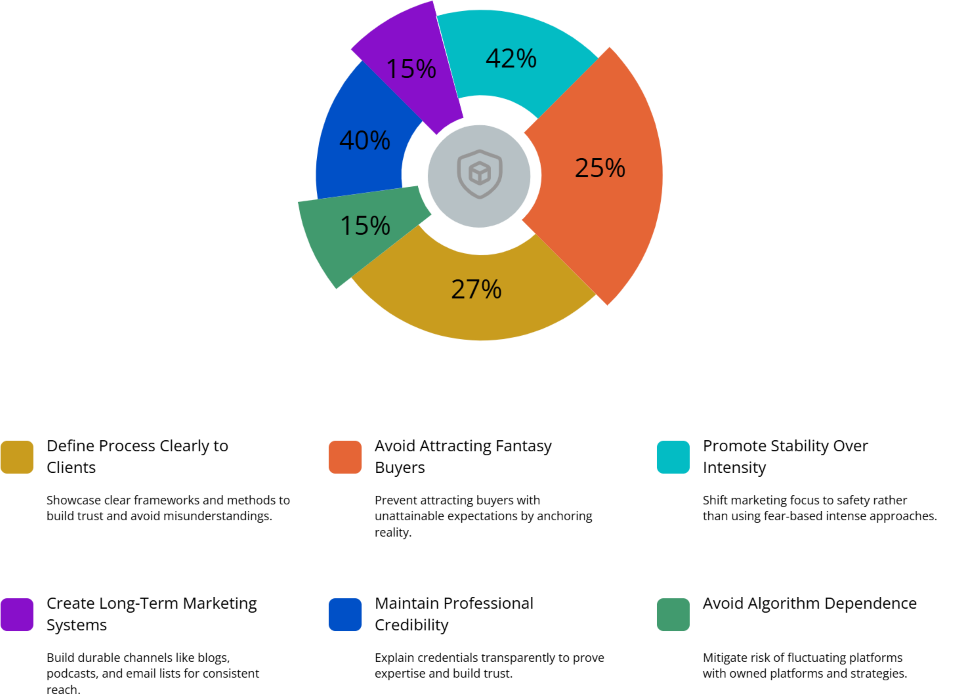
First, you make claims without defining process. A claim without process attracts fantasy buyers. Fantasy buyers become disappointed buyers. Disappointed buyers become loud buyers. The fix is to communicate your method clearly, and if you use a specific framework, teach it consistently the way method driven coaching is explained in how one method is revolutionizing coaching and simplified frameworks like the radical simplicity coaches are loving.
Second, you build your brand on intensity instead of safety. If your marketing triggers shame, fear, or “tough love” as a default, you attract clients who are already dysregulated. Those clients are harder to coach, more likely to churn, and more likely to complain. Great coaches lead with authority and stability, which links directly to why this skill determines your coaching success and the complementary angle in why this skill determines your coaching success 1.
Third, you do not build an ecosystem, so your lead flow depends on algorithms. Algorithm dependence creates desperate selling. Desperate selling creates weak boundaries. Weak boundaries create burnout. The fix is to build durable channels like a blog, email list, and authority content. Learn the long term system in building and monetizing your coaching blog, nurture your audience ethically through email marketing strategies for coaches, and expand reach through growing your coaching practice through podcasts.
Your credibility also increases when you show professionalism in how you communicate credentials and scope. Many coaches underplay this and lose trust. Review the resume credibility standards in health coach certification credentials how to list on your resume and the forward looking positioning insights in 2025 health coach certification trends future proof your career now.
5) Mistake Category 4: Operational Sloppiness That Makes You Look Unsafe to Rely On
Coaching is not only transformation. Coaching is operations. Clients pay attention to operational cues because operational cues signal safety.
If you cancel sessions often, show up late, forget details, send unclear follow ups, or change policies frequently, clients do not feel held. When clients do not feel held, they stop committing. When clients stop committing, they blame “the program.” Your delivery may be strong, but your operations weakened the outcome.
One major operational mistake is not having a clean onboarding. Onboarding is where you set expectations, explain your process, and teach clients how to use your support. Without onboarding, clients use you randomly and you feel overwhelmed. To strengthen your foundation, align your professionalism with authority assets like building your first coaching website a complete guide and consistent visibility systems like social media mastery for health and life coaches.
Another mistake is poor time management. Coaches often think time management is personal. It is not. It is client facing. If you are always behind, clients feel you are not stable. This is why structured time discipline matters, and it is covered in managing your time efficiently as a successful coach. If you want to scale while staying clean, pair it with a multi income plan like developing multiple revenue streams as a coach so you are not forced to overbook.
A third operational mistake is not building a clear off ramp. Coaching relationships should end cleanly with a maintenance plan. If clients finish without a plan, relapse is likely, and they may blame you later. A clean exit also creates referrals. It signals confidence. If you want deeper authority positioning, consider credibility pathways like mastering public speaking as a coach, writing and publishing your first coaching book, and even visibility strategies like how to get featured in media as a coaching expert.
Operational professionalism is not optional in 2026. It is what separates “online advice creators” from coaches who can be trusted with real client complexity, which is why the industry shift is described in why coaches need it more than ever 2026.
6) FAQs: How Coaches Prevent Career-Ending Mistakes
-
The fastest reputation destroyer is boundary inconsistency, especially around messaging access and emotional labor. When clients feel you are available sometimes but not others, they experience instability. Instability leads to resentment, dependency, or conflict. The fix is a written messaging policy with response times and clear escalation rules. Reinforce it during onboarding, not during conflict. Use professional boundary discovery and language from techniques for maintaining professional boundaries with clients and leadership posture from coaching leadership skills how to lead and inspire clients.
-
You avoid misfit clients by defining fit criteria and trusting them. Misfit clients cost more than they pay because they create time drain, emotional load, and reputation risk. Add a screening step that checks readiness, scope alignment, and commitment. If a client is not ready, offer resources, a lower intensity option, or a wait list. This protects your standards and improves outcomes. Coaches who build trust through clarity grow faster long term, which connects to how certification differentiates your health coaching business and credibility positioning like health coach certification credentials how to list on your resume.
-
A consistent session close. Many complaints come from clients feeling like sessions were emotional but unproductive. End every session with a recap, one to three commitments, and a metric for the week. That turns insight into action. Pair this with weekly tracking so clients see progress even when motivation dips. This matches the results first approach in how the world’s best coaches get results and breakthrough mechanics in the 1 coaching technique for client breakthroughs.
-
Market the process and the standards, not fantasy outcomes. Explain what clients will do weekly, what support they get, and how progress is tracked. Use case framing carefully and avoid implying guaranteed results. Then back your marketing with content that teaches your method, like how one method is revolutionizing coaching and scalable audience systems in leveraging content marketing to grow your coaching audience. Ethical marketing still converts, but it converts clients who stay.
-
Stay calm, clarify scope, and refer appropriately. You can support coaching goals and behavior change, but you should not attempt to replace clinical care. Prepare a referral list and a clear script before you need it. Document the interaction and the referral recommendation in your notes. This is a professional standard, not a personal judgment. Pair your boundary system from techniques for maintaining professional boundaries with clients with career credibility building like why coaches need it more than ever 2026.
-
Burnout prevention is a delivery standard, not self care fluff. Protect your calendar, limit high intensity clients, and define communication hours. Build a repeatable session system so you are not reinventing every call. Use pacing and recovery strategies in effective strategies for coaching clients through burnout and operational discipline from managing your time efficiently as a successful coach. Burnout makes you inconsistent, and inconsistency creates complaints.
-
End with an off ramp that includes a maintenance plan. Summarize gains, identify relapse triggers, and create a “next 30 days” system. Offer a lower touch check in option if appropriate, but avoid creating dependence. Clients should feel empowered, not abandoned. Strong exits create referrals because clients feel held through completion. Support the off ramp with authority systems that keep your business stable, such as building and monetizing your coaching blog and long term trust building through email marketing strategies for coaches.
