
Technology is rewriting coaching from the inside out. Not by “adding tools,” but by changing what clients expect, how progress is measured, how trust is built, and how coaching is delivered at scale. In 2026, the coaches who win are not the ones with the most followers. They are the ones with the cleanest systems, the strongest client experience, and the fastest proof. This guide breaks down exactly what is changing, what to adopt first, and how to use technology without turning your coaching into generic templates.
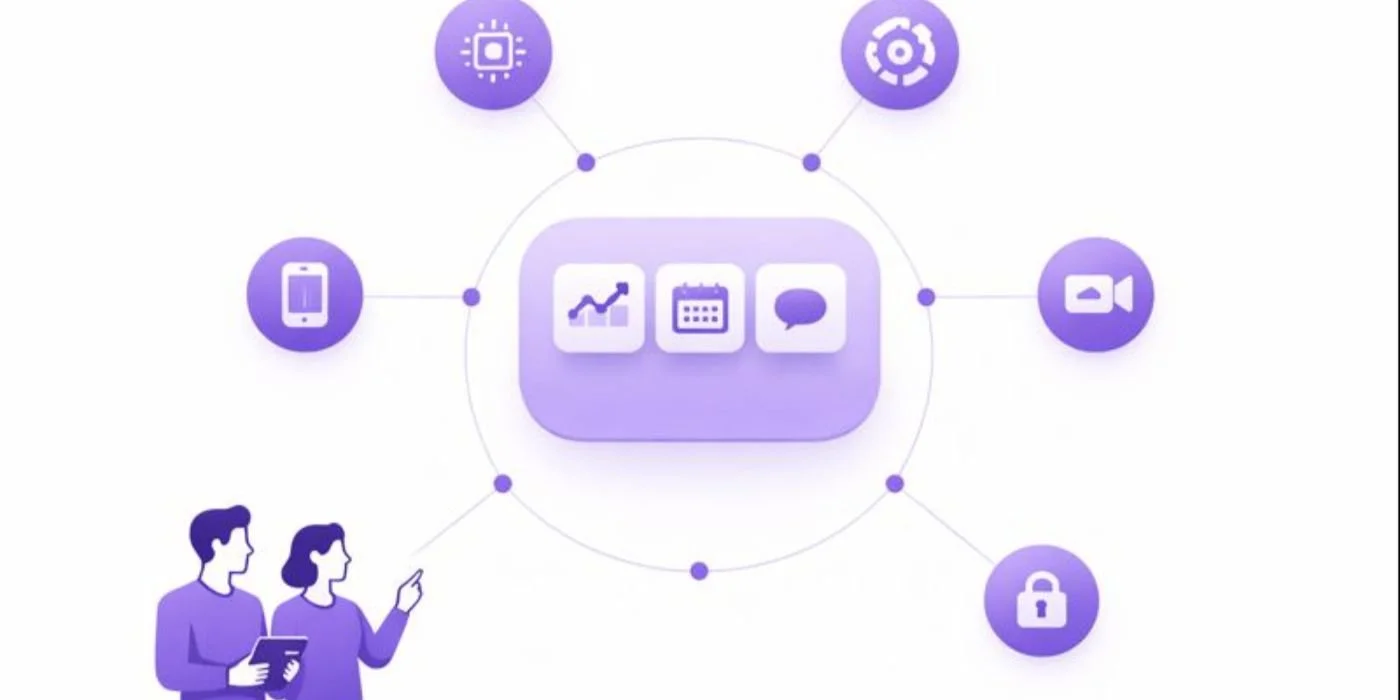
1) Technology is raising client expectations and punishing vague coaching
Clients live in a world of dashboards. They track sleep, workouts, spending, tasks, and even mood. Their brain is trained to expect clarity. So when your coaching looks like a weekly call plus scattered notes, it feels unstructured, even if your advice is excellent. That perception is deadly because trust is built through predictability. Predictability comes from repeatable delivery, which links closely to How to Make It Work Every Time and the results frameworks in How the World’s Best Coaches Get Results.
The biggest mistake coaches make is assuming clients leave because they “lost motivation.” Most clients leave because coaching feels hard to maintain in real life. They do not know what to do between sessions. They forget the plan. They feel behind. They feel judged. Then they avoid you. Technology fixes that when it creates a simple feedback loop. It turns progress into something visible and manageable, which is why behavior reinforcement matters and connects to Effective Strategies for Reinforcing Positive Client Behaviors.
Technology is also exposing weak offers. Clients now compare coaching experiences the way they compare apps. Onboarding speed, clarity of next steps, how support works, what’s included, how progress is tracked, and how accountability is enforced. When this is unclear, your offer feels risky. That is where professional structure and boundaries become part of the product, tying directly to Techniques for Maintaining Professional Boundaries With Clients and the differentiation logic in How Certification Differentiates Your Health Coaching Business.
The coaches who are thriving are not “more technical.” They are more deliberate. They use technology to reduce friction and make outcomes easier to repeat. They also protect the human element by using tech to handle the boring parts, while the coach focuses on insight, accountability, and change.
2) The biggest ways technology is changing how coaching is delivered
Coaching delivery used to be a scheduled conversation. Now it is an ecosystem. Technology makes coaching feel present throughout the week, which is where real change happens. When clients struggle, it is rarely during the call. It is Tuesday night after a stressful day. It is the moment they skip a habit. It is when they feel ashamed and want to quit. Technology creates touchpoints in those moments without you becoming a 24 7 support line, which is why boundaries and sustainability matter and relate strongly to Techniques for Maintaining Professional Boundaries With Clients.
One major change is asynchronous coaching. Voice notes, structured check ins, and short prompts allow you to guide clients between sessions. This does not replace deep coaching. It prevents the “one hour inspiration then six days drift” pattern. When clients drift, they lose trust in themselves and in you. Keeping them connected strengthens self efficacy, which aligns with the immediate action principles in How to Inspire Clients to Take Immediate Action and longer term engagement in The Future of Client Engagement 2026.
Another change is that coaching is becoming more measurable. Not because clients need constant data, but because data creates proof. Proof reduces doubt. Doubt is the silent killer of renewals. Coaches can now track adherence, progress, and obstacles in a way that turns coaching into a process. A process is easier to trust than a vibe. This is also why mastering repeatable methods matters, tied to How Coaches Reach Mastery.
Group coaching is also transformed. Community platforms, weekly prompts, wins rituals, and structured participation rules create cohesion. Cohorts fail when engagement is low. Tech allows you to design engagement rather than hope for it. When a group is designed well, it delivers proof and momentum that one to one coaching cannot always produce. That is part of modern coaching leadership, which connects to Coaching Leadership Skills: How to Lead and Inspire Clients.
Finally, marketing itself is transformed. Technology lets you capture leads, nurture them, and convert them without constant manual effort. If your audience is not converting, your problem is rarely “more content.” It is usually weak systems. Landing pages, email sequences, and repurposing workflows turn attention into booked calls. Those themes tie into Leveraging Content Marketing to Grow Your Coaching Audience, Email Marketing Strategies for Coaches, and the foundational brand asset in Building Your First Coaching Website: A Complete Guide.
3) How to adopt coaching tech without becoming generic or robotic
Most coaches fail with tech because they treat it like a shortcut. They download templates, copy a portal, automate messages, and assume that equals professionalism. It does not. If your tech stack removes your coaching voice and makes your client feel like they are in a machine, trust drops. The goal is not to “automate coaching.” The goal is to automate friction and admin so your human coaching becomes sharper.
Start with outcomes, not platforms. Ask what must become more predictable in your coaching experience. Onboarding, follow through, progress proof, boundaries, renewals, and lead conversion. Then choose technology that supports those outcomes. That is the same mindset behind building real change methods, which ties to How to Actually Change Your Client’s Life in 2026 and the “simple but radical” delivery style in The Radical Simplicity Coaches Are Loving.
Next, keep it minimal. Most coaches do not need ten apps. They need one client portal, one check in system, one tracking method, and one communication boundary policy. Minimal systems are easier for clients to follow. Complexity creates dropout. Dropout kills confidence. Confidence is what clients buy, even when they say they want “a plan.”
You also need to protect your identity as a coach. Technology should reflect your philosophy, not replace it. If you coach through emotional regulation, your tools should reinforce that, which aligns with Mindfulness and Meditation Techniques for Emotional Coaching. If you coach busy professionals, your tools should reduce time burden and align with Managing Your Time Efficiently as a Successful Coach. If you coach burnout, tech should support boundaries and recovery rhythms, which connects to Effective Strategies for Coaching Clients Through Burnout.
Finally, measure the right things. A dashboard is useless if it tracks vanity metrics. Track what drives behavior change. Adherence, friction, triggers, barriers, and small wins. Small wins are what create trust early. That is how you prevent clients from quitting before the process works.
4) Technology is changing coaching business models, income, and authority
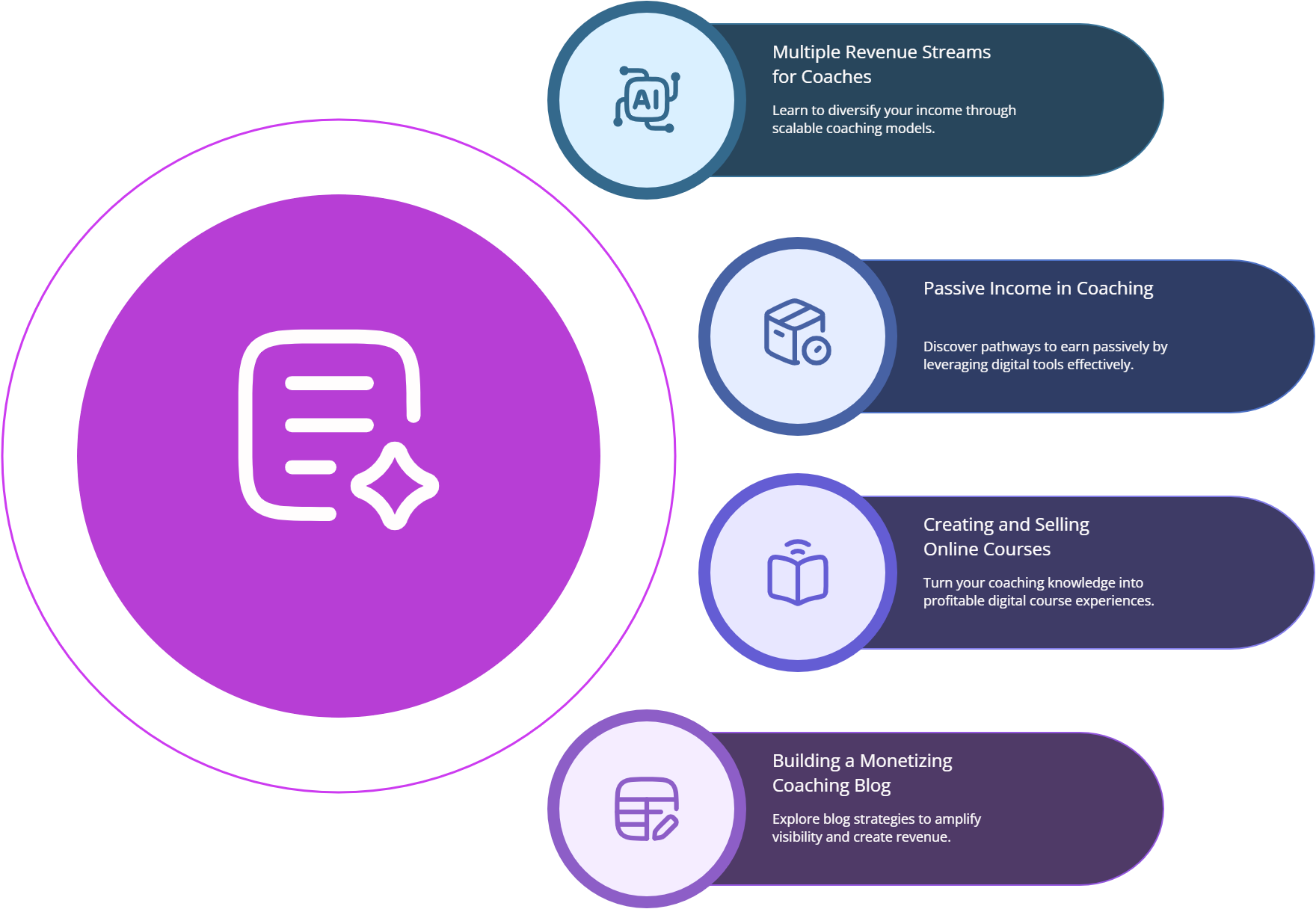
Technology is not only transforming client delivery. It is transforming how coaches make money. You can now create multiple revenue streams, build leverage, and serve more clients without burning out. That matters because most coaches plateau due to time. You cannot scale a calendar forever. That is why business diversification matters, tying into Developing Multiple Revenue Streams as a Coach and Creating Passive Income Opportunities in Coaching.
Online courses are a major shift. They turn repeated education into a product. They also improve your coaching because clients arrive with better baseline understanding. That makes sessions more advanced and results more likely. This connects directly to How to Create and Sell Coaching Online Courses and the content asset building approach in Building and Monetizing Your Coaching Blog.
Content systems are also changing authority. You can take one client insight, turn it into a blog post, a social post, an email, a short video script, and a podcast segment. Coaches who do this consistently become visible and credible faster. That links to Social Media Mastery for Health and Life Coaches, Leveraging Content Marketing to Grow Your Coaching Audience, and Growing Your Coaching Practice Through Podcasts.
Technology also influences media opportunities. Editors and podcast hosts want experts who can deliver clear ideas and show proof. A coach with structured frameworks, client systems, and trackable results is easier to feature. That is why media positioning links strongly to How to Get Featured in Media as a Coaching Expert and public speaking growth in Mastering Public Speaking as a Coach.
The main warning is this. Technology can scale bad coaching too. If your methods are vague, you will simply deliver vagueness faster. Before you scale, sharpen your frameworks. That is how you protect reputation, pricing power, and client outcomes.
5) Technology is creating a new trust gap and a new advantage
Technology is splitting coaching into two camps: coaches who use systems to make results repeatable, and coaches who use tools as decoration. Clients feel the difference fast. When onboarding is clear, check-ins are consistent, progress is visible, and support rules are defined, clients relax. Relaxed clients follow through. Confused clients disappear. This is why tech is now a trust signal, just like professionalism and boundaries, which ties to How to Set Them and Save Your Career and credibility positioning in How Certification Differentiates Your Health Coaching Business.
The trust gap shows up when “accountability” is vague. Two coaches can promise the same thing, but one runs a predictable weekly loop: one action, one check-in, one recap, one adjustment. The other sends random reminders, changes the plan every session, and reacts instead of leading. Clients call that messy. Messy equals risky. Risky equals churn. That’s exactly why engagement and retention are now tied to delivery systems, not just coaching skill, as explained in The Future of Client Engagement 2026.
The advantage is simple: automate friction, not care. Automate scheduling, reminders, templates, and progress capture. Keep the human part for insight, hard conversations, and emotional support, which aligns with Mindfulness and Meditation Techniques for Emotional Coaching and burnout support in Effective Strategies for Coaching Clients Through Burnout. When tech makes coaching feel calmer, clearer, and more consistent, clients trust the process and stay in it.
6) FAQs: Technology transforming coaching in 2026
-
Start with the system that reduces client confusion and inconsistency. For most coaches, that is a simple client portal plus weekly check ins. Clients leave when the plan is unclear between sessions. A portal makes the next step obvious. Weekly check ins capture barriers before the client drifts. Keep it minimal. One portal, one check in form, and one tracking method. This supports trust and predictable outcomes and aligns with the engagement logic in The Future of Client Engagement 2026.
-
It only becomes less human when you use automation to replace empathy, not admin. Use tech to remove friction and increase clarity, not to send robotic messages. Keep your voice in your prompts and recaps. Use tools to track progress and deliver resources, but keep the coaching conversations personal. The best coaches use technology to increase presence, because clients get supported in real moments, not only on call day.
-
Choose technology based on outcomes, not features. Write down your top three problems: inconsistent follow through, low engagement, chaotic onboarding, weak renewals, or poor conversion. Then pick one tool that fixes one problem. Run it for 30 days. If it works, keep it. If it creates friction, remove it. Over tooling often hides a deeper issue: unclear coaching framework or weak boundaries. Strengthen those with Techniques for Maintaining Professional Boundaries With Clients.
-
Yes, because renewals are driven by proof and confidence. Technology makes proof easier to show. Weekly check in data, habit adherence, and monthly progress reports give clients a visible story of change. That reduces doubt and increases belief that the process is working. The key is tracking what matters: actions taken, barriers, and wins, not vanity metrics. Combine that with reinforcement methods in Effective Strategies for Reinforcing Positive Client Behaviors.
-
Tech is shifting group coaching from “calls plus a Facebook group” to structured communities with rituals, prompts, and accountability loops. Communities fail when participation is random. Tools allow you to design participation, reward wins, and set clear norms. When group engagement is high, results compound through peer momentum. This is why leadership skills matter in cohorts, tying into Coaching Leadership Skills: How to Lead and Inspire Clients.
-
The biggest risks are becoming generic, breaking trust with messy boundaries, and scaling poor delivery. If clients feel like they are in an automated funnel, trust drops. If your messaging is inconsistent, clients feel unsafe. If you scale without a real method, you amplify weak results and damage reputation. Avoid this by keeping tech minimal, ensuring every automation supports clarity, and protecting the human core of your coaching.
