
The Future Model Every Coach Needs to Adopt by 2026
Most coaches are still selling “sessions.” By 2026, the winners will sell a repeatable transformation system that clients can follow even on their worst week. This is the future model: a coaching business built like a product, delivered like a high touch relationship, and measured like a performance program. If you feel stuck in client churn, inconsistent results, endless custom work, or content that does not convert, this model fixes the root cause. It turns your expertise into a structured client journey that produces outcomes on purpose, not by luck.
1. The Future Model Coaches Must Adopt by 2026
The future model is not a “new niche.” It is a new operating system for coaching. It solves the problem most coaches quietly avoid: clients do not pay for your calls, they pay for progress they can feel. And progress requires structure.
If you are experiencing any of these pain points, you are already behind the curve:
Clients feel inspired on the call, then disappear for a week.
You repeat the same advice to different people, but you cannot package it.
You are delivering more than you are earning because everything is custom.
Your marketing is scattered because your offer is not a clear system.
You get testimonials like “great coach” instead of “I achieved X outcome.”
The 2026 model replaces “I coach people” with “I run a transformation program.”
What this model includes
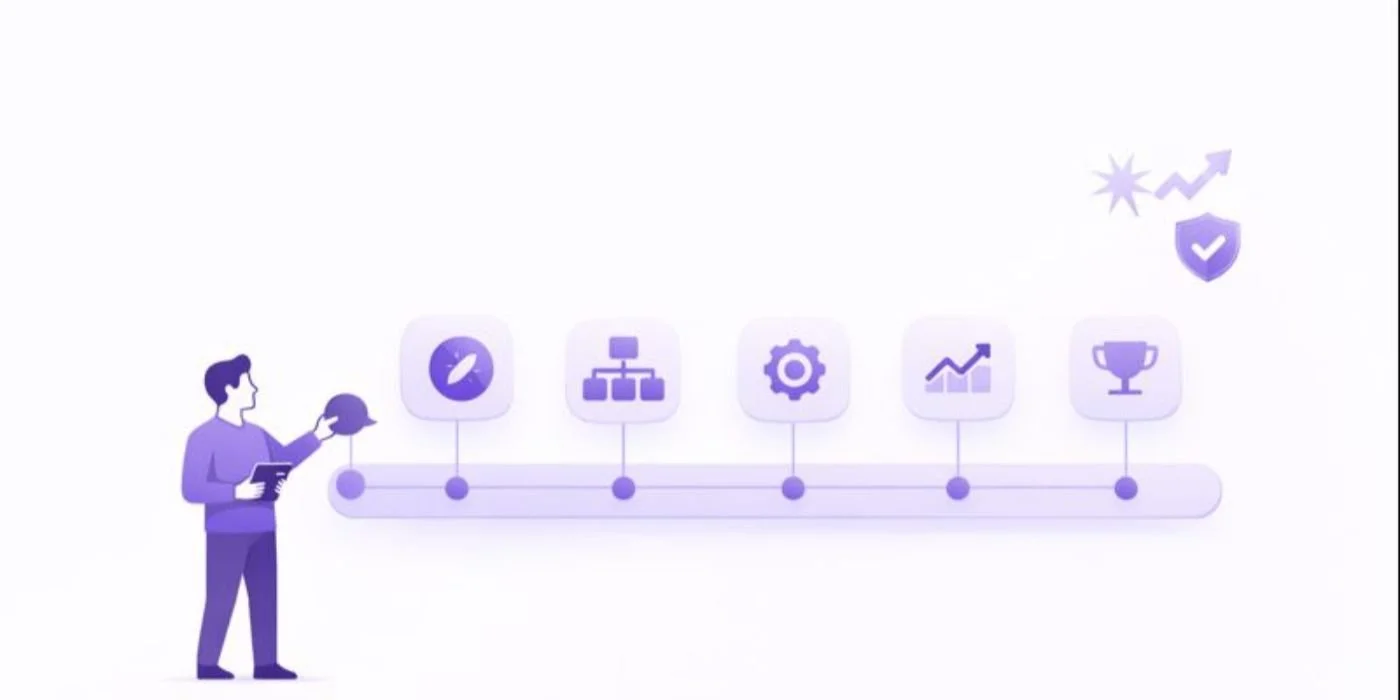
A defined outcome pathway
You do not just talk. You lead a client through stages, with milestones that prove momentum.A client operating system
Clients follow a weekly structure with clear actions, tracking, and feedback loops, similar to what you will see in how to make it work every time and the deeper engagement mechanics in the future of client engagement 2026.Evidence based and trust based positioning
Modern clients are skeptical. They want clarity, boundaries, and credibility. That is why why trust is the most valuable asset in coaching and the non negotiable standards every coach must know are not optional reading.Multi channel delivery
Calls are just one channel. The model uses asynchronous coaching, templates, short feedback cycles, community, and micro lessons. You will recognize the shift when you study how technology is completely transforming the coaching industry and the business angle in how to create and sell coaching online courses.A distribution engine
Great coaches lose because they cannot distribute their value. The future model bakes in content repurposing and audience building similar to growing your coaching practice through podcasts and visibility systems like leveraging LinkedIn to expand your coaching business.
The core shift you must accept
Clients are buying a bridge from their current reality to a desired reality. If your offer looks like “12 sessions,” you are selling time. If your offer looks like a pathway with milestones, you are selling certainty.
That is why so many coaches get stuck in pricing, confidence, and positioning. It is not a marketing issue. It is an offer architecture issue, which is exactly what you fix when you understand why its the ultimate client magnet in 2026 and the deeper transformation mechanics in the 1 coaching technique for client breakthroughs.
2. Build a Client Operating System That Produces Results Without You Chasing
The fastest way to spot an outdated coach model is this: the client’s progress depends on the client “feeling motivated.” Motivation is unstable. Systems are stable.
A client operating system has three layers: clarity, cadence, and correction.
1) Clarity: eliminate the “I don’t know what to do” week
Most clients stall because your plan is not visible when they need it. Fix that with an onboarding flow that looks like this:
A baseline audit and scorecard
A simple 90 day roadmap
A weekly action plan template
A weekly review ritual
This is the practical version of what strong boundaries and expectations achieve in how to set them and save your career and the communication structure described in the communication secret behind successful coaching.
Implementation tip: create a “Day 7 win” that is small but measurable. Your goal is not massive change in a week. Your goal is proof of movement. Movement builds belief. Belief builds consistency.
2) Cadence: your coaching must run on rails
Coaches who burn out usually have the same hidden problem: every client gets a different schedule, different homework, different rules, and different support expectations. That is how you end up with dozens of open loops in your head.
A future model cadence is simple:
Weekly action plan delivered the same day each week
Two asynchronous check in windows
One live touchpoint that can be a call, group session, or workshop
One weekly review prompt
When you systemize cadence, you unlock scalable offers like the ones discussed in developing multiple revenue streams as a coach and the leverage tactics in creating passive income opportunities in coaching.
3) Correction: the future model is feedback first, not advice first
In 2026, clients will choose coaches who create feedback loops, not coaches who talk the most. Your job is to shorten the time between:
action taken
feedback received
adjustment made
That is why the model ties directly into mastery concepts in how coaches reach mastery and why coaches avoid failure patterns explained in how coaches avoid career ending mistakes.
A high value correction loop template
What did you do this week
What was harder than expected
What was easier than expected
What will you do next week
What support do you need
If you can make clients answer these five questions weekly, you will outperform coaches who run “inspirational calls” with no structure.
3. Productize Your Expertise Without Becoming Generic
A lot of coaches resist this model because they fear becoming robotic. The opposite happens when you do it correctly. Structure frees you to be more personal because you stop wasting live time on basics.
1) Turn repeating problems into reusable assets
If you have coached more than 20 clients, you already know the repeating blocks:
inconsistency
fear of judgment
lack of boundaries
inability to prioritize
poor self trust
Each repeating block becomes one asset:
a micro lesson
a worksheet
a decision rule
a short challenge
a script
This is the hidden goldmine explained in why its the hidden goldmine of coaching and the “client magnet” effect described in why its the ultimate client magnet in 2026.
2) Add “decision rules” so clients can coach themselves between sessions
Clients do not need more motivation. They need clearer choices.
A decision rule is a simple if then system.
Examples you can adapt to any niche:
If my energy is low, then I do the smallest version of the habit for 3 minutes
If I miss a day, then I restart immediately without doubling effort
If a task triggers avoidance, then I break it into the first visible step only
This is how you create real empowerment, not hype, which connects directly to how to actually empower clients real results and the neuroscience aligned approach described in the neuroscience based method every coach needs now.
3) Make transformation visible with “proof moments”
In the future model, every month has a proof moment. A proof moment is a milestone that creates a story the client can say out loud.
“I finally followed through for 14 days”
“I handled a tough conversation without spiraling”
“I stopped quitting when it got uncomfortable”
Proof moments create retention and referrals because they create identity change. That is why the model aligns with why top coaches are obsessed and why coaches shift into a positive change approach like why coaches are embracing this positive change model.
4. Build Distribution Into the Model So You Never Rely on Luck Again
The future model is not only a delivery model. It is a growth model. If you rely on referrals alone, you are always one slow month away from panic.
Distribution means you can generate demand consistently, without posting random advice.
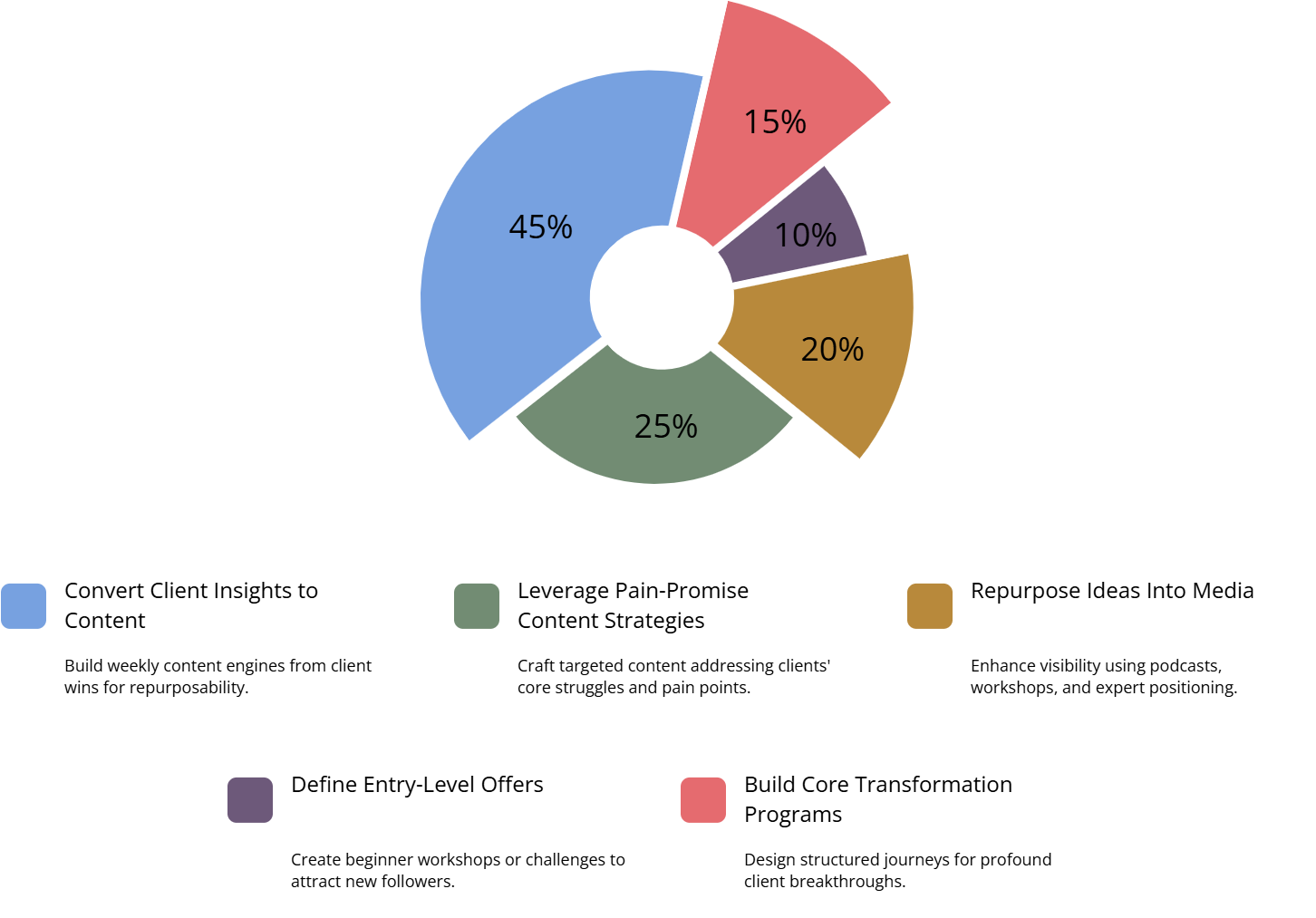
1) Convert one client win into a weekly content engine
Here is a simple repurposing system:
One client insight becomes a short post
The post becomes a carousel
The carousel becomes an email
The email becomes a short podcast clip script
The same idea becomes a workshop topic
This is the strategic approach behind growing your coaching practice through podcasts and the visibility systems in how to get featured in media as a coaching expert.
2) Use the “one clear promise” rule for every piece of content
Most coaches fail at content because their message is too broad. Future model content has one job: attract the client who is already feeling the pain.
Examples of pain based promise angles:
Stop starting over every Monday
Create boundaries without guilt
Stay consistent when motivation dies
Build trust in yourself again
Those angles match what clients actually search for, and they connect to trust and standards covered in the non negotiable standards every coach must know and why coaches must avoid this trap.
3) Build an offer ladder so people can buy at different readiness levels
If someone is not ready for your core program, what happens? If the answer is “they leave,” you are leaking revenue and losing future clients.
A simple ladder:
Entry: workshop or short challenge
Core: structured transformation program
Premium: private coaching or higher touch group with audits
This aligns with revenue stability strategies from developing multiple revenue streams as a coach and the leverage logic in the hidden revenue streams most coaches overlook but shouldnt.
5. The Measurement Layer That Separates “Nice Coaching” From Real Outcomes
Most coaches track vanity metrics like likes, followers, or “how much I posted.” The future model tracks client outcomes and business health.
1) Track two metrics per client, not ten
Choose:
One behavior metric: actions completed, habits tracked, check ins submitted
One outcome metric: weight, revenue, sleep, confidence score, boundary wins
You do this because it improves retention and reduces churn. When clients see progress, they stay. When they cannot see progress, they doubt you, even if you are good.
This is the practical business side of what is discussed in achieving financial freedom through coaching and the time leverage systems in managing your time efficiently as a successful coach.
2) Build a monthly “program health check”
Ask yourself:
Which milestone are clients failing most
Where do they stall in the first 14 days
Which template is under used
Which lesson is most watched
Which clients are at dropout risk
Then adjust the system, not the client. This is how you make your program stronger every month, which is the real meaning behind how one method is revolutionizing coaching and why top coaches obsess over refinement in how coaches reach mastery.
3) Protect your career with boundaries and scope clarity
A future model coach is clear about what coaching is and what it is not. That protects clients and protects you.
If you want longevity, study the risk reduction mindset in how coaches avoid career ending mistakes and the boundary frameworks in how to set them and save your career.
Here is a simple rule:
If you feel resentful, your boundaries are too loose.
If clients feel confused, your structure is too loose.
Fix structure first. Then fix marketing. Most coaches do the opposite.
6. FAQs
-
Traditional coaching often centers on live sessions as the main value. The 2026 model centers on a structured transformation system where sessions support the system instead of being the system. That means clients get a weekly cadence, reusable tools, clear milestones, and fast feedback loops. The result is progress that continues even between calls. This model also improves retention because clients can see movement, track actions, and understand what happens next. It creates stronger trust and clearer outcomes, which aligns with modern client expectations and reduces the “great call, no change” problem.
-
You productize the parts that repeat and personalize the parts that need judgment. Most coaches waste live time teaching basics that can be delivered through micro lessons, templates, and decision rules. When you move those into a system, your live time becomes higher impact because you are reviewing reality, removing blockers, and coaching behavior patterns. Personalization becomes easier because you are not rebuilding the wheel for every client. The goal is not to become generic. The goal is to stop being inconsistent. Structure makes your personal touch more powerful.
-
Start with three assets that create immediate client momentum: a baseline audit, a weekly action plan template, and a weekly review ritual. Those three pieces reduce client confusion and force consistency. Next, add a simple milestone map so clients know what they are working toward. Only then build micro lessons and a portal. Many coaches try to build a giant course first and never finish. The future model is built in layers. Start with what reduces chaos immediately, then expand the system once clients are moving.
-
Price based on outcomes and support intensity, not minutes on a calendar. A transformation program includes your framework, your system assets, your feedback loops, and your coaching judgment. Clients are paying for speed, clarity, accountability, and a pathway that reduces trial and error. If you still price like a session provider, you will undercharge and over deliver. A clean way to price is to define what “done” looks like, how long it typically takes, and what support the client gets weekly. Then position the offer as a complete pathway, not a call package.
-
Dependency happens when clients only move forward when you tell them what to do. The solution is to teach decision rules and create self coaching habits. Your system should include weekly reflection prompts, tracking, and “what to do when stuck” protocols. You also want clients to practice making choices between sessions, then review their choices with you. That builds confidence and competence. The strongest coaching model is the one where clients eventually do not need you because they learned how to operate differently. That is the real outcome.
-
Retention improves when clients experience early wins, see progress clearly, and feel supported without chaos. Build a Day 7 proof moment, then a Day 30 milestone that is measurable. Make progress visible with a simple dashboard, and run a monthly program health check to catch stall points before clients quit. Also set clear boundaries so clients know what support looks like. Clients do not leave because you are a bad coach. They leave because they cannot feel momentum or they feel lost. The future model fixes both by design.
