
Detailed Review of NBHWC Coaching Competencies
NBHWC coaching competencies aren’t “nice-to-have” soft skills — they’re the exact behaviors that separate feel-good conversations from repeatable client change. If you’re preparing for NBHWC-aligned coaching (or you simply want a professional standard to sharpen your craft), you need to understand what each competency looks like in-session, how it shows up in your notes, and why clients actually follow through when you do it right. This detailed review breaks down each competency into observable actions, common failure patterns, and practice drills you can run immediately — so you build real skill, not just confidence. For a bigger outcomes lens, pair this with how the world’s best coaches get results and the trust foundations in why trust is the most valuable asset in coaching.
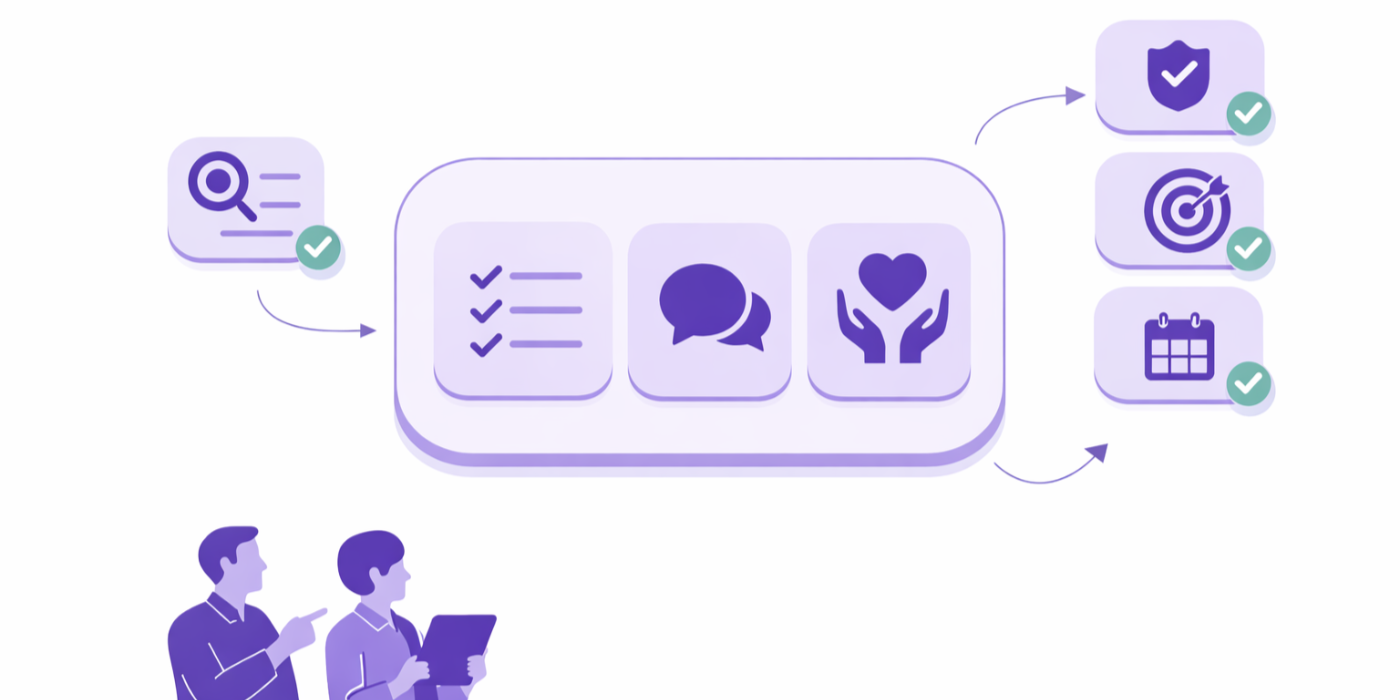
1) What NBHWC competencies really measure (and why most coaches misunderstand them)
NBHWC competencies are often described like a checklist, but they’re actually a performance standard: can you reliably create the conditions where clients clarify what matters, choose doable actions, and learn from outcomes without shame or drift? Coaches who “know the theory” still fail competency-level coaching because they confuse conversation with behavior change architecture. That’s why the best coaches obsess over method, not motivation — see how to make it work every time and the execution mindset in how to actually change your clients life in 2026.
Here’s what competencies really test:
Professionalism under ambiguity: Can you hold boundaries, scope, and ethics even when a client is emotional, resistant, or chasing quick fixes? That’s the same “career safety” standard highlighted in the non-negotiable standards every coach must know and the red flags in how coaches avoid career-ending mistakes.
A repeatable coaching process: Can you move from story → meaning → goal → plan → accountability → review without controlling the client or letting the session wander? If your sessions feel different every time, clients won’t build momentum — and you’ll experience the retention problem discussed in the future of client engagement 2026.
Communication that creates action: Your questions and reflections must produce insight that converts into behavior, not just “awareness.” If you want a benchmark for what that sounds like, study the communication secret behind successful coaching and the leverage technique in the 1 coaching technique for client breakthroughs.
Competencies also reflect a bigger market shift: clients are more skeptical, more distracted, and more overwhelmed than ever — so coaching must be cleaner, simpler, and more outcome-linked. That future-proof signal shows up in why coaches need it more than ever 2026 and the system-level approach in the future model every coach needs to adopt by 2026.
2) Detailed review of NBHWC coaching competencies (what to do, what to avoid)
Think of competencies as micro-skills that stack into a complete session. You don’t “have” competencies; you perform them. The fastest way to improve is to link each competency to: (1) an observable behavior, (2) a risk if you miss it, and (3) a drill you can repeat. This is the same mastery logic described in how coaches reach mastery and the simplicity principle in the radical simplicity coaches are loving.
Competency A: Ethics, scope, and professional responsibility
In competency-level coaching, boundaries aren’t “legal fine print” — they’re what make clients feel safe. You must be able to clearly distinguish coaching from clinical care, counseling, or nutrition prescription. When a client asks for diagnosis or a meal plan, your job is to coach behavior and decision-making, then refer or encourage professional guidance where appropriate. If this feels uncomfortable, you’re not alone — but the discomfort is exactly why standards exist (see the non-negotiable standards every coach must know and how coaches avoid career-ending mistakes).
Pro move: Use a compassionate boundary script: “I can’t diagnose or prescribe, but we can build a plan you’ll follow consistently and decide what support you need.” This protects you and keeps momentum.
Competency B: Relationship building and trust
Trust isn’t built by being “nice.” It’s built by presence, confidentiality, non-judgment, and the client feeling you’re not trying to impress them. If you want a deeper trust blueprint, revisit why trust is the most valuable asset in coaching and how trust converts into outcomes in how the world’s best coaches get results.
Common miss: Coaches rush to solutions because they’re afraid of silence. But rushed solutions often create resistance. Slow down, reflect meaning, and ask permission before offering information.
Competency C: Active listening and empathy that moves the session forward
Competency listening is not “I heard you.” It’s: “I heard what you said, what you meant, and what you value — and I’m going to reflect it in a way that creates clarity.” If your reflections don’t change the client’s thinking, you’re just paraphrasing. Improve this by studying the patterns in the communication secret behind successful coaching and applying the leverage approach from the 1 coaching technique for client breakthroughs.
Drill: For every client statement, practice 3 reflections: (1) content, (2) emotion, (3) value/identity.
Competency D: Powerful questioning (without leading or interrogating)
Powerful questions are short, non-leading, and create new options. Weak questions are long, packed with advice, or force a “right answer.” If your questions contain your solution, clients comply temporarily — then quit. For a deeper questioning toolkit, pair this article with powerful questioning techniques that transform coaching sessions and the clarity system in smart goals 2.0: how top coaches set & achieve client goals.
Pro move: Replace “Why didn’t you…?” with “What got in the way, and what would make it easier next time?”
Competency E: Goal setting and action planning that clients actually do
This is where many coaches fail. The plan sounds great in-session, but it collapses in real life. Competency-level coaching demands micro-actions tied to triggers, barriers, and confidence. If your client’s confidence is low, the plan must shrink — or you’re setting them up to fail. For more on making action plans stick, revisit how to actually empower clients: real results and the repeatability model in how to make it work every time.
Drill: Every action plan must include: When? Where? Trigger? Barrier plan? Confidence score? Support?
Competency F: Accountability and progress review (the retention engine)
Accountability is not “checking if they did it.” It’s helping clients learn from what happened and adjust without shame. That’s how you prevent drop-offs — the exact engagement problem discussed in the future of client engagement 2026 and the gamified retention tools explored in gamification tools coaches are using for maximum engagement.
Pro move: Weekly review questions: (1) What worked? (2) What didn’t? (3) What will you change? Then celebrate effort, not perfection.
Competency G: Coach presence and session management
Competency coaching looks calm and structured. You don’t run out of time; you don’t lose the thread; you close with clarity. If you struggle here, session templates help — see coaching session templates to boost your productivity instantly and delivery systems in best coaching software & platforms for client management in 2025.
Drill: Use a 7-minute closing ritual: summary → commitments → confidence → barriers → next check-in.
3) How to demonstrate competencies inside a real coaching session (minute-by-minute)
Competencies become obvious when you map them onto session flow. If you want your coaching to be “competency clean,” you need a repeatable arc that still feels client-led. This is how top coaches build reliability without sounding robotic — the exact balance described in how the world’s best coaches get results and reinforced by the simplicity approach in the radical simplicity coaches are loving.
Minute 0–5: Grounding + agenda (professionalism + autonomy)
Ask: “What would make today successful?”
Ask: “What do you want to leave with?”
Confirm a single focus and the desired outcome.
This demonstrates client autonomy, structure, and scope. It also prevents the #1 session failure: wandering. If you’re building a practice, clarity like this protects retention (see the future of client engagement 2026).
Minute 5–20: Exploration (listening + trust + meaning)
Your job here isn’t to gather facts; it’s to surface patterns and meaning. Reflect values and identity, not just events. The fastest way to upgrade this is to model language from the communication secret behind successful coaching and questions from powerful questioning techniques that transform coaching sessions.
Minute 20–35: Options + choice (powerful questioning + autonomy)
Generate options collaboratively. Avoid “the best plan.” Create a menu of realistic choices that fit the client’s week. This is where coaches accidentally become prescriptive — which reduces self-efficacy (the real behavior-change fuel). If you want deeper change frameworks, study the neuroscience-based method every coach needs now and how the positive psychology framework is revolutionizing coaching in 2026.
Minute 35–50: Action plan (goal clarity + barrier planning + confidence)
Turn the chosen option into a plan the client will actually execute. Use micro-actions and confidence scoring (0–10). If confidence is under 7, shrink the plan. This “right-sizing” is what prevents client shame and drop-off — a theme you’ll also see in how to actually empower clients: real results and the consistency systems from how to make it work every time.
Minute 50–60: Close (summary + accountability + trust)
Have the client state the plan in their own words. Summarize, confirm accountability, and set a check-in structure. Templates help you do this cleanly — reference coaching session templates to boost your productivity instantly and the productivity mindset in managing your time efficiently as a successful coach.
4) A professional practice plan to master NBHWC competencies (4 weeks)
Competency growth is not “read more.” It’s practice + feedback + deliberate repetition. If you want to shorten the path, treat each week like a training block — the same mastery principle in how coaches reach mastery and the future-proof career logic in why coaches need it more than ever 2026.
Week 1: Trust + listening + presence (foundation week)
Goal: Make clients feel safe, understood, and not judged — without losing structure.
Record two practice sessions and audit for empathy + clarity.
Practice the 3-level reflection drill (content → feeling → value).
Replace “fixing” language with curiosity.
To deepen your listening/communication, review the communication secret behind successful coaching and the trust framework in why trust is the most valuable asset in coaching.
Week 2: Questioning + insight creation (leverage week)
Goal: Produce insight that changes choices, not just “awareness.”
Rewrite leading questions into open, client-centered prompts.
Use one “values” question every session.
Practice 10 “what/how” questions from powerful questioning techniques that transform coaching sessions.
Also revisit the 1 coaching technique for client breakthroughs so your questions consistently create movement.
Week 3: Action planning + confidence design (execution week)
Goal: Ensure plans survive real life.
Build micro-actions tied to triggers.
Use confidence scaling; shrink if needed.
Create 3 “if-then” barrier plans per action.
For action frameworks, pair smart goals 2.0: how top coaches set & achieve client goals with the adherence strategies in how coaches can actually change client diets.
Week 4: Accountability + progress review (retention week)
Goal: Make review a learning loop, not a guilt report.
Use the 3-question weekly review (worked / didn’t / change).
Celebrate effort signals and refine the plan.
Set one simple check-in mechanism (don’t overload tools).
If you’re designing engagement systems, explore how to build an interactive coaching community online and retention-friendly methods from interactive coaching exercises to keep clients motivated.

5) The most common competency failures (and how to fix them fast)
Most competency failures aren’t dramatic. They’re subtle patterns that quietly break outcomes, trust, and follow-through. Fixing these is how you become “professional” fast — the kind of standard emphasized in the non-negotiable standards every coach must know and the cautionary lessons in how coaches avoid career-ending mistakes.
Failure #1: Advice-first coaching
If you lead with advice, you reduce autonomy. Clients may comply briefly, but they won’t build ownership. Fix: ask permission, offer options, and have the client choose. This also increases trust — revisit why trust is the most valuable asset in coaching.
Failure #2: Beautiful goals, weak plans
“Eat better” and “move more” are not plans. Competency-level plans specify triggers, environment, and barrier strategy. Fix: micro-actions + confidence scale + if-then plans. Strengthen execution by reviewing how to actually empower clients: real results and how to make it work every time.
Failure #3: Sessions that feel supportive but don’t convert to behavior
If your sessions end without a clear action + accountability mechanism, you’re delivering emotional relief, not change. Fix: end with a closing ritual using coaching session templates to boost your productivity instantly and protect engagement using ideas from the future of client engagement 2026.
Failure #4: Shame-based accountability
Clients already feel behind. If your tone adds pressure, they hide. Fix: normalize setbacks and turn misses into learning. A helpful mindset frame is in the radical simplicity coaches are loving, and the deeper resilience lens is supported by how the positive psychology framework is revolutionizing coaching in 2026.
Failure #5: Scope creep (the silent liability)
When clients push for diagnosis, prescribing, or therapy-like work, your boundaries must hold. Fix: compassionate scripts + clear referrals, guided by the non-negotiable standards every coach must know. This is one of the biggest career protectors mentioned in how coaches avoid career-ending mistakes.
6) FAQs: Detailed review of NBHWC coaching competencies
-
Perform them. Competencies are assessed through behavior: agenda setting, listening depth, autonomy, action planning, and accountability. The fastest improvement comes from deliberate practice — see how coaches reach mastery — not from reading lists.
-
Action planning + accountability, because they turn insight into behavior. If you want a strong outcomes blueprint, review how the world’s best coaches get results and the practical execution consistency in how to make it work every time.
-
Shrink the plan, tie it to a trigger, and confirm confidence. If confidence is low, the plan is too big or too vague. Strengthen your planning using smart goals 2.0: how top coaches set & achieve client goals and follow-through frameworks from how to actually empower clients: real results.
-
Short, non-leading prompts that create new thinking: “What matters most right now?” “What would make this easier?” “What are you avoiding because it’s uncomfortable?” Improve your toolkit with powerful questioning techniques that transform coaching sessions and the leverage method in the 1 coaching technique for client breakthroughs.
-
Use presence, neutrality, confidentiality, and consistent structure. Trust grows when clients see you don’t shame them and you can guide them calmly. For a deeper trust model, study why trust is the most valuable asset in coaching.
-
Scope creep: acting like a clinician, therapist, or prescriber. The fix is clear language, referral pathways, and professional boundaries — outlined in the non-negotiable standards every coach must know and reinforced by how coaches avoid career-ending mistakes.
-
Add session structure (agenda → explore → plan → close), use one reflection + one powerful question before advice, and always end with a client-stated commitment. Templates help — see coaching session templates to boost your productivity instantly — and engagement systems help you keep clients consistent (see the future of client engagement 2026).
