
Effective Coaching Communication for NBHWC Certification
NBHWC certification rewards coaches who can communicate with precision under pressure—not coaches who “sound supportive.” In real sessions, clients talk in half-truths, contradictions, and emotion. Your job is to hear what’s actually there, reflect it cleanly, ask the one question that unlocks awareness, and guide the client to self-directed action—without slipping into advice, lecturing, or “fixing.” This guide breaks down the communication skills that show up in passing recordings, the language patterns assessors notice, and the drills that make your coaching sound effortless—even when the client is stuck.
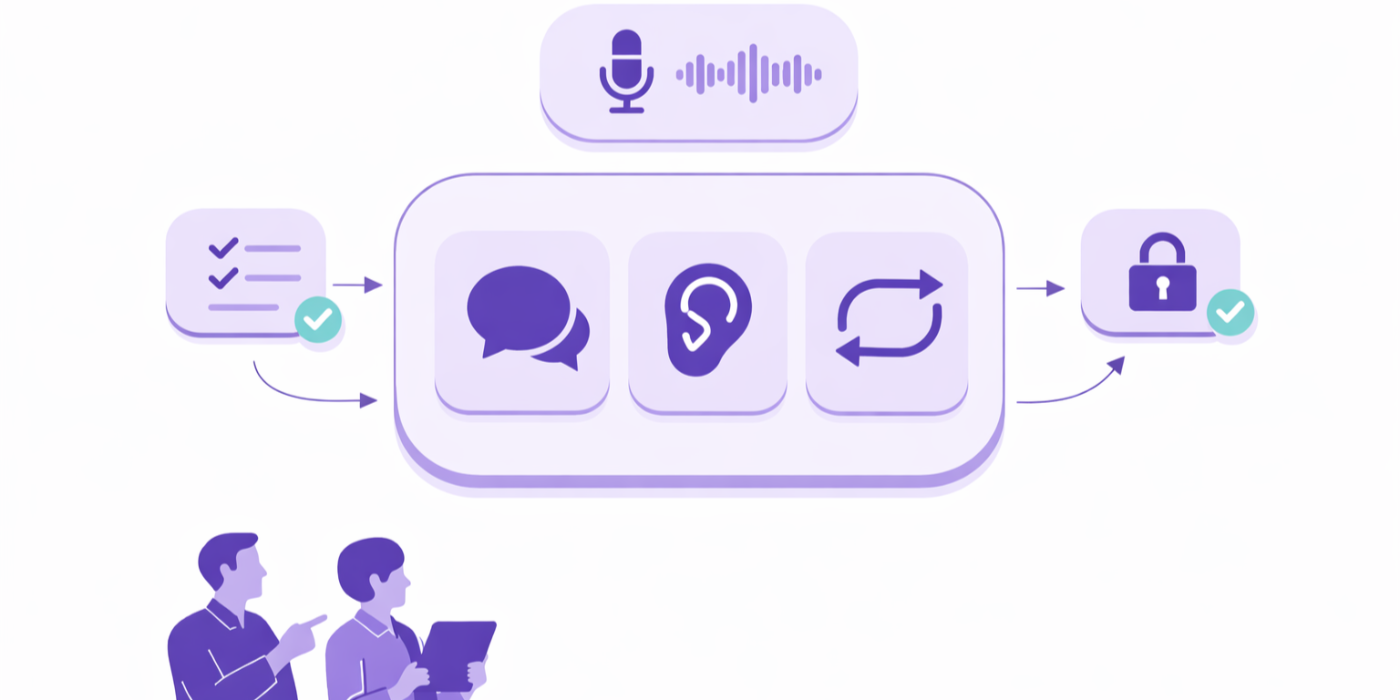
1. What “Effective Coaching Communication” Means in NBHWC Recordings
In NBHWC-style coaching, communication is not “being nice.” It’s behavioral competence: you create safety, maintain client ownership, and move the client from vague intention to clear, self-chosen action. The fastest way to fail is to confuse communication with conversation—because conversation often becomes reassurance, storytelling, or advice.
A clean communication standard looks like this:
Clarity over charisma: the client always knows what you’re working on and why.
Client language over coach language: you reflect their words, values, and meaning—not generic coaching jargon.
Insight before action: you don’t rush into plans; you evoke awareness first.
Action with friction-proofing: you translate insight into behavior with obstacles, supports, and accountability.
If you want a high-performance benchmark for communication that produces measurable outcomes, study the mechanics behind the communication secret behind successful coaching and the trust-building fundamentals in why trust is the most valuable asset in coaching. If your sessions feel “nice” but don’t create movement, align your communication with results-driven standards from how the world’s best coaches get results and skill-based mastery from how coaches reach mastery. If you notice yourself slipping into “explaining” instead of coaching, simplify your language using the radical simplicity coaches are loving.
The 4 communication shifts assessors actually hear
1) From advice → evoking. You stop “telling” and start eliciting the client’s thinking.
2) From empathy-only → empathy + direction. Warmth stays, but you still guide toward outcomes.
3) From questions-as-interrogation → questions-as-precision tools. One clean question, then space.
4) From vague intentions → specific behavior commitments. You move from “I should” to “I will.”
If you want a tactical question toolkit that upgrades your communication immediately, pair your session flow with powerful questioning techniques that transform coaching sessions and goal clarity from SMART goals 2.0: how top coaches set & achieve client goals. If you struggle to keep sessions structured without sounding scripted, borrow frameworks from coaching session templates to boost your productivity instantly and strengthen professional boundaries using the non-negotiable standards every coach must know.
2. The Communication Core: Listening, Reflections, and Questions That Trigger Awareness
Effective coaching communication is basically three skills working together in sequence: listen → reflect → ask. Most coaches do one well and rush the other two. Passing-level recordings show you can do all three, repeatedly, with calm consistency.
1) Listening that captures meaning, not just facts
Clients tell stories. You listen for:
the value underneath (“I want freedom,” “I want to feel proud”)
the fear underneath (“I’ll fail again,” “I’m not disciplined”)
the identity underneath (“I’m the kind of person who…”)
the pattern underneath (same obstacle in new clothing)
Your communication gets powerful when you reflect those layers back. That’s why coaches who master client language see faster outcomes, as shown in how to actually empower clients: real results and the deeper behavior-change work highlighted in how coaches can actually change client diets. When you’re unsure what to listen for, use the clarity tools in the coaching skill you didn’t know you needed and the trust cues from why trust is the most valuable asset in coaching.
Micro-drill (daily, 8 minutes):
Listen to one client story (or a mock recording). Write:
1 value you hear
1 fear you hear
1 identity statement you hear
Then practice a single reflection: “It sounds like ___ matters, and ___ is the fear. Did I get that right?”
2) Reflections that create clarity, not comfort
A reflection is not repeating words. A strong reflection does one of these:
Summarizes cleanly (reduces chaos)
Names tension (reveals contradiction)
Highlights a pattern (creates awareness)
Connects to values (creates meaning)
If your reflections sound “therapeutic” or “supportive” but don’t create movement, sharpen your language using frameworks from how to make it work every time and the “breakthrough” pattern in the 1 coaching technique for client breakthroughs. When you can reflect sharply without judgment, you also reduce drop-offs—an issue many coaches face, addressed in the future of client engagement 2026 and why it’s the ultimate client magnet in 2026.
Language upgrade (use this often):
“I’m hearing two things…”
“There’s a tension between…”
“A pattern I’m noticing is…”
“What stands out is…”
Each one is a doorway into awareness without you lecturing.
3) Questions that are catalytic (and not stacked)
Stacking questions is the #1 communication mistake in recorded sessions. It signals anxiety and confuses the client. Your job is to ask one question that opens thinking. Build your question discipline using powerful questioning techniques and the clarity mechanics in the wheel of life reinvented: strategies for coaching mastery. Then tie questions to outcomes with SMART goals 2.0.
One-question rule: Ask it. Pause. Let the client work.
If the silence feels long, you reflect what you notice rather than rescuing: “I notice you paused—what’s happening for you right now?”
3. Session Flow Communication: Contracting, Boundaries, and Progress Language
Your communication must also “run the session.” That means your words create structure without sounding controlling. A clean session typically has four communication moments that matter:
Moment 1: Contracting (the outcome + why + measure)
You want the client to define a win in specific terms. If the client says “I want to be healthier,” your communication skill is to translate aspiration into something coachable:
“What would ‘healthier’ look like in your week?”
“What would you like to do differently after today’s session?”
This is where most recordings get vague. Fix it by borrowing structure from coaching session templates and credibility language from how the world’s best coaches get results. If you’re building a health coaching career path and want your communication to match professional standards, align with launch your successful health coaching career: complete roadmap and clean professional framing from health coach certification credentials: how to list on your resume.
Moment 2: Permission and boundaries (especially around advice)
Clients will ask for plans. If you deliver plans, you may help—but you risk showing a different role. Use permission-based communication:
“Would you like to brainstorm options together, and you choose what fits?”
“Would it be helpful if I share a brief observation, then we explore what you want to do?”
This keeps the client in charge and aligns with professional standards like the non-negotiable standards every coach must know. If you’re prone to “overhelping,” study the failure patterns in why coaches must avoid this trap and career-safety principles in how coaches avoid career-ending mistakes.
Moment 3: Progress language (turning stories into measurable change)
Your communication must move clients from “I feel stuck” to “Here’s what I’ll do.” Use:
specificity questions (“when, where, how often?”)
confidence scaling (“0–10 confidence”)
friction planning (“what might get in the way?”)
This is the behavior-change engine described in how to make it work every time and the practical action layer in how to actually empower clients: real results. If motivation drops mid-program, strengthen engagement language using interactive coaching exercises to keep clients motivated and retention principles from why they’re changing the game for coaches.
Moment 4: Closing (recap + commitment)
Endings matter. A passing recording usually ends with:
client takeaway (insight)
chosen actions (specific)
accountability (tracking)
support plan (obstacles + solutions)
Avoid over-talking at the end. The client should speak more than you. If you want tight closing structure, use coaching session templates and reinforce execution with how to actually change your client’s life in 2026.
4. Handling Tough Moments: Resistance, Emotion, Shame, and Silence
Real coaching communication shows up when the session gets messy. Clients resist. They shut down. They rationalize. They feel shame. Your communication must stay stable and client-centered—without losing forward motion.
1) Resistance: stop pushing, start partnering
When a client pushes back (“I’ve tried everything,” “Nothing works”), many coaches accidentally argue—by offering more solutions. Instead, join the resistance:
“What makes change hard right now?”
“What part of you is protecting you from this change?”
“What feels risky about trying again?”
This keeps dignity intact and builds trust fast—exactly what why trust is the most valuable asset in coaching emphasizes. It also leads to breakthroughs described in the 1 coaching technique for client breakthroughs. If you need language for behavior-change barriers, the nuance is covered in how coaches can actually change client diets and the execution consistency in how to make it work every time.
2) Shame: remove judgment, increase precision
Shame creates avoidance. If your communication becomes “motivational,” you might accidentally intensify shame (“You can do it!”). Better:
normalize (“This happens to a lot of people.”)
separate identity from behavior (“You didn’t fail—you learned something.”)
invite learning (“What did you learn about what triggers you?”)
This is a cornerstone of sustainable engagement and is aligned with the future of client engagement 2026 and the positive change models discussed in why coaches are embracing this positive change model. If you want your tone to be both warm and effective, sharpen your language using the communication secret behind successful coaching.
3) Emotion: name it, don’t dodge it
Emotion is data. If a client tears up, don’t rush to solutions. Your communication should slow down:
“What are you feeling as you say that?”
“What does this bring up for you?”
“What do you need right now to stay with this?”
Handling emotion without turning into therapy is part of professional boundaries—reinforced by the non-negotiable standards every coach must know and career protection in how coaches avoid career-ending mistakes. When done well, emotional work becomes the gateway to identity change—explored in the neuroscience-based method every coach needs now.
4) Silence: learn to hold it
Silence is where clients think. Coaches often fill silence because it feels awkward on recordings. But silence is one of the strongest signals of coaching presence. If you want a rule:
Ask one question.
Wait.
If needed, reflect what you notice—not a new question.
If your sessions feel “congested,” simplify with the radical simplicity coaches are loving and practice one-question discipline via powerful questioning techniques.

5. Practice Like a Pro: A Communication Training Plan That Upgrades Recordings Fast
Doing more sessions isn’t enough if you repeat the same habits. You need communication reps with feedback loops. Here’s a practical system:
1) Build a weekly “communication sprint” routine (60 minutes)
10 minutes: language reps
Pick one skill: reflections, contracting, or action planning. Write 10 variations. Use structures from coaching session templates and goal precision from SMART goals 2.0.
20 minutes: record a micro-session
Do a 15–20 minute coaching sprint with a real client or peer. Your goal is communication demonstration, not solving everything.
15 minutes: self-score
Ask: Did I contract clearly? Did I reflect meaning? Did I stack questions? Did the client generate insight? Did we land specific actions?
15 minutes: one peer review
Send one 3–5 minute clip and ask: “Where did I start leading? Where did my language get vague?”
This mastery approach is consistent with how coaches reach mastery and the “high-performance” standard in how the world’s best coaches get results. If you want a broader growth plan for your career and credibility, align your practice system with launch your successful health coaching career and future-proof your positioning using 2025 health coach certification trends.
2) Use tech to increase consistency (without sounding robotic)
Tech doesn’t replace coaching, but it can support communication quality by reducing chaos:
session templates and agendas
reflective journaling prompts
follow-up accountability check-ins
client portals for action tracking
If you want practical tools, cross-reference best coaching software & platforms for client management and remote session improvements from virtual coaching tools: boosting your remote session effectiveness. If your sessions happen on video, tighten the experience using video conferencing hacks for flawless online coaching sessions. If you want a broader view of tech-driven change, use how technology is completely transforming the coaching industry and the client interaction shifts from how artificial intelligence is changing client interactions forever.
3) Fix the 5 communication mistakes that sabotage recordings
Mistake #1: Over-talking.
Fix: one question, then pause. Use simplicity from the radical simplicity coaches are loving.
Mistake #2: Stacking questions.
Fix: write questions in advance using powerful questioning techniques.
Mistake #3: “Supportive” but vague.
Fix: translate feelings into outcomes using SMART goals 2.0.
Mistake #4: Advice drift.
Fix: permission-based partnering reinforced by the non-negotiable standards.
Mistake #5: Insight with no action.
Fix: commitment + friction planning from how to make it work every time.
4) Communication that converts (for your practice, too)
Professional communication isn’t only for exams—it’s what makes clients stay, refer, and commit. Build your client journey language using how to create engaging coaching content clients love, improve long-term engagement with how to build an interactive coaching community online, and support credibility-building through building and monetizing your coaching blog. If you want better conversion, integrate communication into your marketing systems with email marketing strategies for coaches and authority-building via how to get featured in media as a coaching expert.
6. FAQs
-
Meaning-based reflection. Coaches who reflect values, emotions, and tensions help clients generate insight fast. Build this with the communication secret behind successful coaching and refine your listening using why trust is the most valuable asset in coaching.
-
Use structure as a container, not a script: contract → explore → insight → action → close. Practice with coaching session templates and simplify your delivery using the radical simplicity coaches are loving.
-
Partner instead of prescribing: “Let’s brainstorm options, and you choose what fits.” Protect boundaries with the non-negotiable standards every coach must know and avoid drift discussed in why coaches must avoid this trap.
-
Name the emotion, slow down, and invite meaning: “What are you feeling right now?” Keep it coaching (not therapy) by using ethical boundaries from how coaches avoid career-ending mistakes and trust mechanics from why trust is the most valuable asset in coaching.
-
Use confidence scaling and friction planning: “0–10 confidence?” “What might get in the way?” Build durable follow-through with how to make it work every time and keep motivation high using interactive coaching exercises.
-
Do weekly communication sprints: record 15–20 minutes, self-score, get peer feedback, repeat. Pair your question training with powerful questioning techniques and mastery habits from how coaches reach mastery.
-
Reduce friction and increase clarity: tighter contracting, shorter questions, clearer recaps. Use virtual coaching tools and improve delivery quality with video conferencing hacks.
