
Solution-Focused Brief Coaching (SFBC): The Ultimate 2026 Guide for Coaches
Solution-Focused Brief Coaching (SFBC) works in 2026 for the same reason it’s always worked: clients don’t pay for “insight.” They pay for movement—especially when they’re overwhelmed, busy, burned out, or stuck in analysis. SFBC gives you a repeatable way to generate progress fast without turning sessions into therapy, lectures, or endless problem-mining. This guide shows you how to coach SFBC at a professional level: the core assumptions, the exact session flow, advanced question sets, and the modern 2026 upgrades that help you get results consistently while protecting trust and standards.
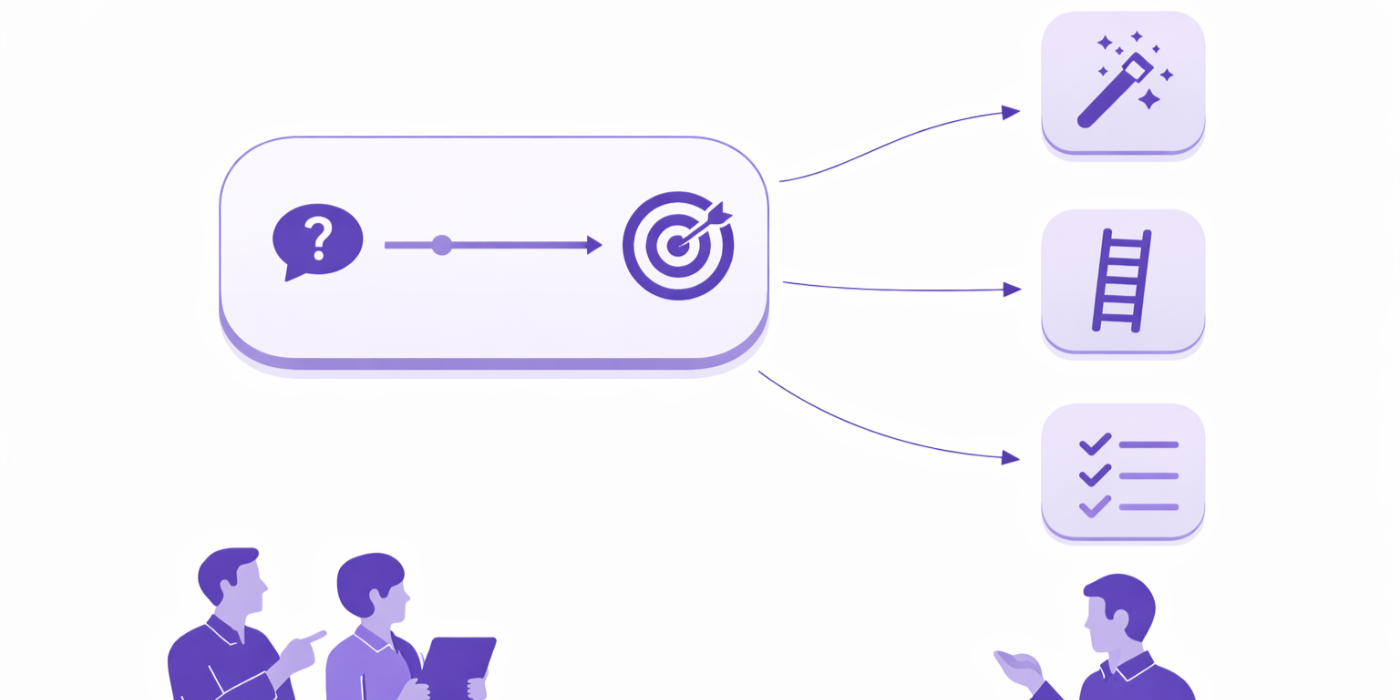
1) Why SFBC is a 2026 power-move for coaches
In 2026, attention is fractured, stress is normalized, and clients arrive with two contradictions: they want change and they’re exhausted by complexity. SFBC wins because it matches the moment—short cycles, tangible progress, and language that pulls clients toward solutions instead of deeper into problems. That’s why “simplicity that works” is becoming a competitive advantage, not a style preference—see the radical simplicity coaches are loving and why coaches are scaling results through repeatable methods in how to make it work every time.
SFBC also aligns with what clients now expect from professionals: clear structure, strong boundaries, and proof of momentum. If you’re building a brand in a crowded market, your ability to create measurable movement is a magnet—especially when paired with trust signals like why trust is the most valuable asset in coaching and communication mastery in the communication secret behind successful coaching. It’s not “quick fixes.” It’s precision: you help clients identify what they want, notice what’s already working, and build the next small step with high follow-through.
Most coaches lose clients for predictable reasons: plans that are too big, sessions that stay theoretical, and accountability that feels like pressure instead of partnership. SFBC reduces all three when done correctly, and it integrates cleanly with modern engagement systems discussed in the future of client engagement 2026 and with standards-based professionalism covered in the non-negotiable standards every coach must know.
The catch: SFBC is easy to do “lightly” and hard to do masterfully. The exam-level skill is not asking one “miracle question.” It’s running a disciplined sequence that keeps autonomy intact, prevents scope drift, and creates durable progress—exactly the kind of mastery mindset described in how coaches reach mastery and the performance patterns explained in how the world’s best coaches get results.
The SFBC mindset: 6 principles that separate “quick coaching” from real brief mastery
SFBC is built on assumptions that change how you listen. If you miss these, you’ll accidentally turn SFBC into shallow positivity (which clients can smell instantly).
1) The client is competent, even if they feel stuck.
Your job is to locate capability—especially when clients are drowning in self-judgment. That’s why exception-finding and coping questions are not “nice.” They’re precision tools that reintroduce agency. This aligns with the trust-building approach in how to actually empower clients: real results and the standards of professional presence covered in why trust is the most valuable asset in coaching.
2) Small change is not small. It’s the engine.
Brief coaching wins when your next step is realistic enough to actually happen. That’s how you avoid career-draining outcomes like overpromising or pushing clients into plans they can’t sustain—see how coaches avoid career-ending mistakes and the modern goal-setting upgrade in smart goals 2.0: how top coaches set & achieve client goals.
3) Talk about the future more than the past—without invalidating pain.
SFBC isn’t “ignore problems.” It’s “use problems only as much as needed to aim the compass.” Clients still need empathy and understanding; you just don’t camp there. This is where skillful communication matters, especially the tone and framing taught in the communication secret behind successful coaching.
4) What’s already working is data.
Exceptions, past wins, and moments of coping reveal conditions for success. If you can extract those conditions, you can replicate them—one of the core drivers behind breakthroughs described in the 1 coaching technique for client breakthroughs and the “repeatability” theme in how to make it work every time.
5) The client defines “better.”
In 2026, clients are wary of being “optimized.” They want autonomy, not another system forced on them. SFBC works because it co-designs change with the client, which protects retention and engagement—see the future of client engagement 2026 and the ethical backbone emphasized in the non-negotiable standards every coach must know.
6) Your skill is precision, not intensity.
Strong SFBC coaching is calm, structured, and surgical. That’s why mastery is a craft, not a vibe—reinforced in how coaches reach mastery and performance patterns in how the world’s best coaches get results.
2) The 2026 SFBC micro-skills that make clients say “That was different”
Many coaches ask “good questions.” Few coaches ask the right question at the right moment with the right constraint. These micro-skills turn SFBC into a premium experience.
Micro-skill 1: Contracting that creates measurable success in minutes
Start sessions with “best hopes,” then define what success looks like in observable terms. This prevents wandering sessions and protects professionalism—especially for newer coaches building credibility through structure like the templates in coaching session templates to boost your productivity instantly. Pair it with the “avoid the trap” mindset from why coaches must avoid this trap so you don’t slip into rescuing, fixing, or overfunctioning.
Micro-skill 2: Precision scaling (and the two follow-ups most coaches forget)
Scaling is not the number—it’s what you do next. The two highest-leverage follow-ups are:
“Why not lower?” (extract strengths/resources)
“What would +1 look like?” (define the next doable behavior)
These two moves reduce shame and increase follow-through, which is critical for retention systems discussed in the future of client engagement 2026 and results-based coaching frameworks in how the world’s best coaches get results.
Micro-skill 3: Exception mining without turning it into therapy
When you find an exception, you are collecting:
conditions (where/when)
behaviors (what they did)
supports (who/what helped)
meaning (what it proves about them)
Then you replicate one piece of that pattern this week. That’s “change by design,” not motivation gambling—aligned with how to actually empower clients: real results and the behavior-change lens in how to actually change your clients life in 2026.
Micro-skill 4: Compliments that create competence (not cringe)
In SFBC, compliments are evidence-based. You highlight what the client did that worked, then ask how they did it. This converts wins into repeatable strategies—exactly the “repeat what works” loop behind how to make it work every time and breakthrough creation in the 1 coaching technique for client breakthroughs.
3) The SFBC session structure: a repeatable 30–45 minute flow
If you want SFBC to be reliable, you need a flow that holds under stress and time pressure. This structure also protects you from “nice conversation coaching” that feels good but changes nothing.
Step 1: Best hopes + success criteria (2–5 minutes)
Ask: “What are your best hopes for today?” Then: “How will you know this session helped?”
This creates a scoreboard and prevents drift. If you struggle with session structure, study coaching session templates to boost your productivity instantly and tighten communication patterns using the communication secret behind successful coaching.
Step 2: Preferred future (5–8 minutes)
Elicit a vivid picture of “better”: behaviors, emotions, relationships, environment. Use a realistic timeframe (“in 2–4 weeks”) to prevent fantasy goals. This integrates beautifully with modern goal framing in smart goals 2.0: how top coaches set & achieve client goals and the simplicity model in the radical simplicity coaches are loving.
Step 3: Scale + strengths (5–10 minutes)
Scale progress, then pull strengths and resources using “why not lower?” That builds dignity and competence—key trust drivers from why trust is the most valuable asset in coaching and mastery building from how coaches reach mastery.
Step 4: Exceptions + patterns (5–10 minutes)
Find when the problem is smaller and extract what’s different. Then choose one condition to replicate. This is where clients stop feeling cursed and start seeing control—aligned with how to actually empower clients: real results and the “repeatable results” ethos in how the world’s best coaches get results.
Step 5: Co-design a micro-action + barrier plan (8–12 minutes)
Build the smallest step that matters, then barrier-proof it with “If X happens, what will you do?” This reduces dropout, protects consistency, and supports long-term engagement strategies from the future of client engagement 2026. If the client’s change involves lifestyle behaviors, ground it in realistic implementation approaches discussed in how coaches can actually change client diets.
Step 6: Close with ownership + next support (2–5 minutes)
Ask: “What are you taking from today?” and “How do you want to be supported before next time?” This preserves autonomy and creates accountability without pressure—reducing the common traps outlined in why coaches must avoid this trap and boosting retention themes from the future of client engagement 2026.
4) Applying SFBC in real coaching niches: what to do, what to avoid
SFBC is not “one script.” It’s a set of principles that you adapt—without breaking ethics or turning it into shallow positivity. Here are common niches and how SFBC becomes a results machine in each.
Health + wellness coaching
Clients often show up with shame, inconsistency, and perfectionism. SFBC shines when you:
use coping questions to restore dignity
find exceptions (“When was it easier?”)
design micro-actions that survive real life
If you coach nutrition behavior, avoid prescribing or moralizing; stay in coaching scope and build implementation support, aligned with how coaches can actually change client diets and the trust foundation in why trust is the most valuable asset in coaching. For clients who need a “life change” reframed into doable steps, use the perspective in how to actually change your clients life in 2026 and the simplicity lens in the radical simplicity coaches are loving.
Career + executive coaching
Here, SFBC becomes a strategic clarity tool. You use preferred future snapshots to define outcomes, then exceptions to identify what already works in their leadership style. Micro-actions become experiments, not “forever decisions.” This is especially powerful when clients fear risk, as discussed in how to set them and save your career and when they need standards and professionalism reinforced by the non-negotiable standards every coach must know.
Life coaching + identity shifts
Clients often seek meaning, confidence, and direction. SFBC keeps this grounded: identity shifts become observable behaviors, not slogans. Use relationship questions (“Who will notice?”) to make change visible and real. If you’re building your practice, anchor credibility with professional positioning like step-by-step guide: how to become a certified life coach and long-term career framing in launch your successful health coaching career: complete roadmap.
Group coaching + client engagement
SFBC is incredible in groups because it normalizes micro-progress and makes wins shareable. Create a weekly “what’s better?” ritual, then have members mine each other’s exceptions. This supports engagement systems from the future of client engagement 2026 and can be enhanced with modern community strategies in how to build an interactive coaching community online and activity design from interactive coaching exercises to keep clients motivated.

5) Advanced SFBC mastery: ethics, boundaries, and “brief but deep” coaching
SFBC becomes dangerous when coaches use it to bypass complexity that requires referral, trauma-informed care, or clinical support. Professional SFBC is not “avoid pain.” It is “avoid turning pain into your playground.”
Boundary rule #1: Don’t treat what you’re not licensed to treat
If a client presents clinical symptoms, self-harm risk, eating disorder markers, or trauma processing needs, your job is to respond ethically—acknowledge, stabilize, refer, and continue coaching within scope. Protect your career and the client’s safety by living the standards in the non-negotiable standards every coach must know and the risk-reduction mindset in how coaches avoid career-ending mistakes.
Boundary rule #2: Brief doesn’t mean rushed—brief means disciplined
Clients will feel dismissed if you “solution” them while they’re hurting. The skill is to validate emotions, then guide toward agency without bypassing humanity. That’s why communication mastery matters—especially tone and pacing—covered in the communication secret behind successful coaching and trust-building in why trust is the most valuable asset in coaching.
Boundary rule #3: Protect autonomy like it’s sacred
SFBC is collaborative or it fails. If you “lead” the client to your preferred solution, you’ve left SFBC and entered persuasion. The antidote is consistent permission-based language and co-design, reinforced by the empowerment mechanics in how to actually empower clients: real results.
Mastery move: Build a “brief coaching operating system”
In 2026, coaches who scale outcomes use systems: session templates, progress tracking, reflection rituals, and consistent check-ins. If you want tech-enabled structure without clutter, study the workflow thinking in best coaching software & platforms for client management in 2025 and the bigger trend context in how technology is completely transforming the coaching industry. Then keep the system simple, aligned with 15 must-have coaching tools every professional needs in 2025, so your method stays brief instead of becoming another burden.
6) FAQs
-
It can be—if you use it as a shortcut. Done professionally, SFBC can be brief and deep because it targets the deepest lever: agency. You still validate emotions, clarify values, and protect scope; you just don’t over-identify with the problem story. The “deepness” comes from precision and trust, reinforced in why trust is the most valuable asset in coaching and communication skill in the communication secret behind successful coaching.
-
Start with a preferred future snapshot that’s small and immediate: “If the next two weeks were better, what would you notice?” Then use scaling to find even a 1% direction. If the client remains stuck, mine exceptions (“When is it slightly easier?”) and design a micro-experiment. Structure helps here—use the mindset from coaching session templates to boost your productivity instantly and the mastery approach in how coaches reach mastery.
-
Never skip validation. Reflect the emotion, normalize the struggle, then ask permission to shift into solution-building: “Would it be okay if we explore what you want instead?” This preserves dignity and autonomy, building trust as described in why trust is the most valuable asset in coaching. Also keep solutions behavioral and realistic, aligned with the radical simplicity coaches are loving.
-
It depends on goal complexity and client capacity, but SFBC often creates noticeable movement in 1–3 sessions because it builds momentum quickly. The key is not the number of sessions—it’s the repeatability of the process. If your clients struggle with consistency, design micro-actions and barrier plans, then build engagement systems consistent with the future of client engagement 2026 and reliability principles in how to make it work every time.
-
Yes—SFBC plays extremely well with other frameworks because it’s outcome-driven and autonomy-respecting. Use MI-style reflections to maintain empathy, positive psychology to amplify strengths, and neuroscience-informed habit design to improve follow-through, while keeping SFBC’s brief structure intact. For adjacent framework inspiration, explore how the positive psychology framework is revolutionizing coaching in 2026 and the neuroscience-based method every coach needs now.
-
They treat SFBC as a list of questions instead of a disciplined process. The second biggest mistake is trying to “solution” clients without contracting, validation, or ethics. Keep your standards tight using the non-negotiable standards every coach must know and protect yourself from common traps described in why coaches must avoid this trap.
-
Package it as outcomes + structure: “In 30–45 minutes, we clarify what you want, identify what already works, and create a micro-step you’ll actually do.” Then prove results through consistent session flow and follow-through systems. Build visibility with content and positioning strategies like building and monetizing your coaching blog and grow credibility with professional identity cues such as health coach certification credentials: how to list on your resume and future positioning in 2025 health coach certification trends: future-proof your career now.
