
Trying to get certified as a health or life coach can feel deceptively simple from the outside. People see the final credential, the polished website, the client wins, and the authority badge. What they do not see is the maze underneath: standards, training paths, exam prep, documentation, renewal rules, ethics requirements, practice hours, and the constant fear of wasting time on the wrong program. That is exactly why you need the right resources before you need more motivation.
The coaches who move through certification and credentialing smoothly are rarely the most naturally confident. They are the most prepared. They use the right frameworks, the right study tools, the right documentation systems, and the right decision filters. If you want fewer delays, fewer expensive mistakes, and far more clarity, the right resource stack matters just as much as effort.
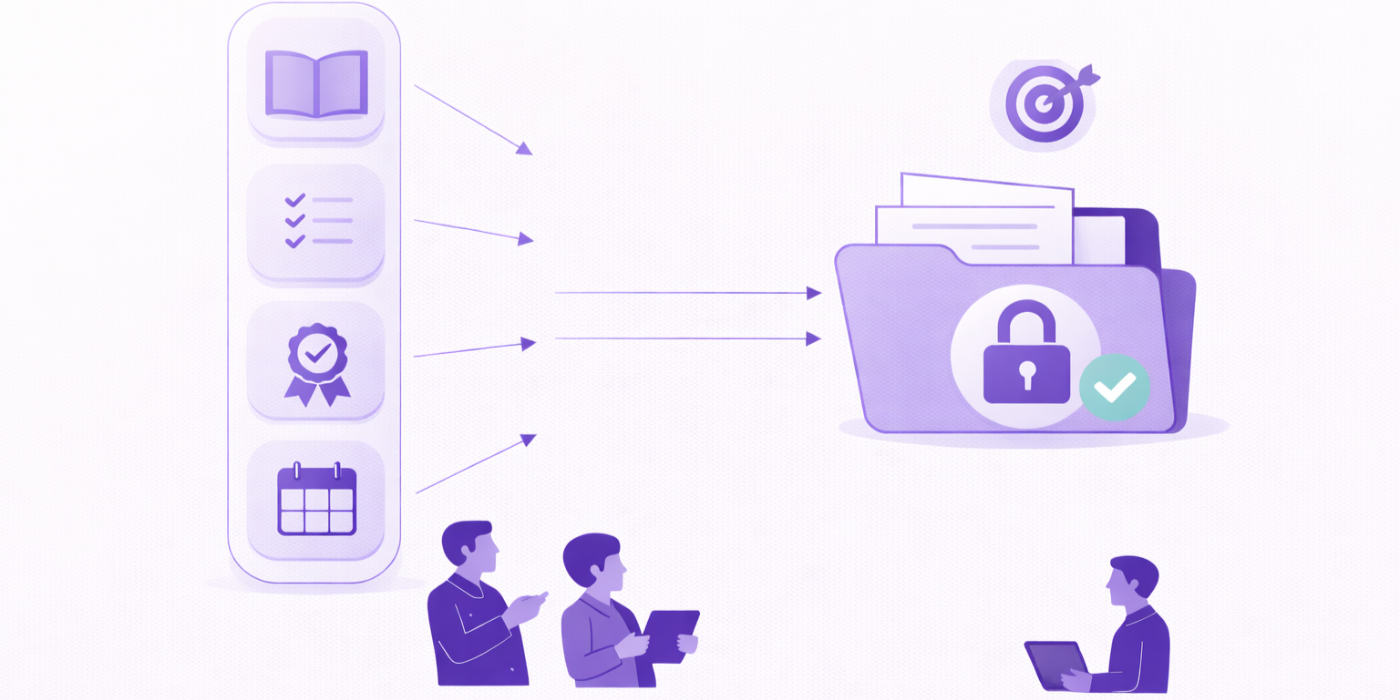
1. Why the right certification resources change everything
The biggest mistake aspiring coaches make is assuming certification is just a learning decision. It is not. It is a sequencing decision, a documentation decision, a standards decision, and a career positioning decision all at once. When people choose programs without understanding which certification is right for you, they often end up with training that sounds impressive but does not match their niche, budget, timeline, or long-term goals. That creates a painful second round of spending later.
Good resources reduce uncertainty at every stage. Before enrollment, they help you compare pathways using real criteria instead of marketing language. During training, they help you convert theory into exam-ready competence. During application, they help you avoid rejection over missing records, vague documentation, or misunderstood requirements. After approval, they help you stay compliant and current instead of scrambling at renewal time. That is why smart coaches pair how certification differentiates your health coaching business, health coach certification credentials how to list on your resume, understanding certification standards across organizations, and how certification enhances your coaching credibility early rather than treating them like optional reading.
Resources also protect you from false confidence. Many coaches underestimate how much credentialing bodies care about exact process. You can be talented and still get delayed by poor paperwork, weak exam prep, inconsistent practice logs, or sloppy interpretation of eligibility rules. Reading navigating the credentialing process for life coaches, credentialing requirements how to meet them easily, top credentialing bodies for life and health coaches, and guide to international coaching certification options gives you the strategic context that saves months of friction.
There is also a business reality here. Every delay in becoming certifiable can delay client acquisition, pricing confidence, referral trust, and perceived legitimacy. If you are serious about building a real practice, not just collecting information, you need resource discipline. That means using best online health coach certification programs for busy professionals, how to quickly earn a health coach certification online, online life coach certification best accredited programs reviewed, and your ultimate guide to NBHWC certification to build a path that is efficient, credible, and aligned.
| Goal | Resource Type | How to Use It | Start With | Best For |
|---|---|---|---|---|
| Choose the right pathway | Certification comparison guides | Compare standards, scope, and fit | One credentialing body shortlist | Confused beginners |
| Avoid wrong-fit programs | Program review articles | Screen for cost, flexibility, reputation | Top 3 options only | Busy professionals |
| Understand standards | Standards explainer resources | Map requirements before enrolling | Core eligibility checklist | First-time applicants |
| Plan costs realistically | Cost and fee breakdown guides | Budget for tuition, exam, renewal | Full cost worksheet | Budget-conscious coaches |
| Build exam readiness | Practice exams | Train under timed conditions | One mock test weekly | Test-anxious candidates |
| Fix weak areas | Competency review guides | Target specific gaps by domain | Missed-question log | Self-directed learners |
| Improve retention | Study strategy articles | Turn content into weekly plan | 2-hour study blocks | Overwhelmed candidates |
| Organize documents | Credentialing documentation checklists | Collect records before applying | Master folder system | Last-minute applicants |
| Track practice hours | Coaching log templates | Record sessions consistently | Simple spreadsheet log | Candidates needing proof |
| Strengthen ethics knowledge | Ethics and standards resources | Review scope, consent, confidentiality | Monthly ethics audit | All coaches |
| Practice communication skills | Competency-based coaching articles | Drill listening and questioning | One competency focus weekly | Exam candidates |
| Prepare behavior change questions | Behavior-change technique guides | Study application, not just theory | Case-based review | NBHWC candidates |
| Clarify credential wording | Resume and profile resources | Present credentials accurately | LinkedIn headline update | Job seekers |
| Make certification pay off | Credibility and business guides | Translate certification into positioning | Website trust section | Practice builders |
| Choose continuing education | CPD planning resources | Match CE to niche and gaps | Quarterly CE map | Already certified coaches |
| Stay certified | Renewal guides | Track deadlines and evidence | Renewal calendar | Multi-credential coaches |
| Prepare for ICF exams | ICF-specific test prep | Review competencies and pitfalls | Timed competency drills | ICF candidates |
| Prepare for NBHWC exams | NBHWC-specific prep | Use interactive Q&A practice | Domain-by-domain revision | Health coaches |
| Reduce application errors | Step-by-step application guides | Follow sequence exactly | Pre-submission checklist | Detail-sensitive applicants |
| Track study performance | Weakness analysis sheets | Log errors by competency | Error tracker tab | Repeat test takers |
| Use time better | Study scheduling systems | Plan focused review blocks | Weekly sprint plan | Working adults |
| Improve real coaching skill | Session templates and skill drills | Practice live application | Mock session feedback | Candidates lacking experience |
| Build proof of competence | Case reflection journals | Capture learning from sessions | Post-session notes | Reflective practitioners |
| Avoid hidden fees | Budget planning resources | Map total certification spend | All-in budget sheet | Cost-sensitive buyers |
| Compare global options | International credential guides | Match recognition to market | Country relevance check | International coaches |
| Prepare client-facing assets | Website and credibility resources | Showcase credentials properly | About page refresh | New graduates |
| Build confidence | Career roadmap articles | Connect certification to career path | 12-month plan | Career changers |
| Prevent burnout during prep | Workflow and time-management tools | Simplify study and admin load | Minimum viable routine | Parents and professionals |
| Improve niche alignment | Niche selection resources | Match credential path to audience | Niche decision matrix | Unclear positioning |
| Turn credential into revenue | Practice-building guides | Align credentialing with offers | Offer ladder review | Entrepreneurial coaches |
2. The most essential resources to gather before you apply
Before you submit anything, you need a decision stack, not a random pile of tabs. Start with comparison and pathway resources. These are the articles and guides that help you understand whether you need a health-focused route, a life coaching route, a credentialing body with broader recognition, or a pathway tied more closely to your practice model. That is where step-by-step guide how to become a certified life coach, launch your successful health coaching career complete roadmap, executive coaching career path certification to high-level success, and key strategies for identifying your coaching niche become surprisingly practical. They stop you from choosing prestige without relevance.
Next, gather cost and credibility resources. Many candidates think tuition is the main expense, then get blindsided by application fees, exam fees, renewals, continuing education, books, software, and lost time from poor planning. That is why health coach certification costs & hidden fees a complete guide, certified health coaches reveal is certification really worth it, coaching market size forecast massive growth opportunities by 2030, and exclusive 2025 coaching industry report key trends & insights matter so much. A good resource does not just tell you what certification costs. It tells you whether the investment fits the market you plan to serve.
Then build your documentation resource pack. This is where detail-oriented candidates quietly outperform brilliant but disorganized ones. You need essential documentation for coaching credentialing, certification renewal staying certified with ease, understanding certification standards across organizations, and complete guide to CPD certification for coaches because credentials are not only earned once. They are maintained through systems. If you do not build your systems early, renewal becomes a stress tax later.
Finally, collect skill and exam resources before you feel desperate. Too many candidates wait until anxiety spikes before opening common mistakes to avoid on the ICF certification exam, top 10 tips to ace the ICF credentialing exam, proven study strategies for passing the ICF exam, and NBHWC practice exam interactive questions and answers. That is backward. These resources work best when they shape your preparation early, not when they become emergency medicine.
3. The best exam prep, standards, and documentation resources for real readiness
Exam prep becomes dramatically easier when you stop treating it like memorization and start treating it like performance under standards. You do not just need more content. You need the right content in the right order. Start with competency resources that clarify how credentialing bodies think. For ICF-oriented paths, understanding the ICF coaching competencies for exam success, essential coaching skills for ICF credentialing, navigating the ICF certification application process, and common mistakes to avoid on the ICF certification exam help you interpret what good coaching looks like in assessed form, not just in theory.
For NBHWC-oriented candidates, the smartest approach is to combine exam structure with skill application. That means using your ultimate guide to NBHWC certification, top study tips for passing the NBHWC certification, NBHWC health coaching techniques you must master, and NBHWC exam how to prepare for behavioral change questions. Those resources train you to recognize how behavior change is assessed in practice, which is where many candidates lose easy points by overcomplicating answers.
Documentation deserves equal seriousness because paperwork failure can erase academic effort. Coaches often underestimate how much sloppiness in records signals lack of readiness. Use essential documentation for coaching credentialing, credentialing requirements how to meet them easily, how to choose the best credentialing body for coaches, and top credentialing bodies for life and health coaches to build a clean application trail. When your documents are easy to retrieve, easy to verify, and easy to interpret, you reduce the chance of avoidable delays.
This is also where supportive skill resources matter. Your study performance improves when your coaching skill improves. Candidates who actively use communication techniques every coach should master, effective listening techniques that transform client conversations, the art of powerful questioning in coaching, and coaching session templates to boost your productivity instantly usually process exam scenarios better because they understand the logic underneath competent coaching.
4. How to organize your resource stack so you do not get overwhelmed
Information overload is one of the biggest silent reasons people stall on certification. They are not lazy. They are drowning in tabs, contradictory advice, and half-read guidance. The cure is not more motivation. The cure is structure. Your resource stack should be grouped into five folders: pathway selection, exam prep, documentation, continuing education, and business application. That simple move changes everything because it turns scattered learning into visible progress.
In your pathway folder, place comparison and fit resources first. Keep which certification is right for you, guide to international coaching certification options, best online health coach certification programs for busy professionals, and online life coach certification best accredited programs reviewed at the top. Their job is to help you decide once, confidently, instead of reopening the same uncertainty every week.
In your exam-prep folder, do not save everything. Save only resources that improve your score. That includes proven study strategies for passing the ICF exam, top study tips for passing the NBHWC certification, NBHWC practice exam interactive questions and answers, and understanding the ICF coaching competencies for exam success. Pair those with a simple error log. If you are not tracking what you repeatedly miss, you are studying for comfort rather than competence.
In your documentation folder, include only what directly supports proof and compliance. That means essential documentation for coaching credentialing, certification renewal staying certified with ease, understanding certification standards across organizations, and integrating CPD certification into your coaching career. Make one master checklist and one renewal calendar. You want an application process that feels operational, not emotional.
Then build a business-application folder so your credential actually does something for your career. This is where candidates often underprepare. They spend months earning authority, then fail to present it properly. Save health coach certification credentials how to list on your resume, how to build a successful coaching practice from scratch, branding basics every new coach should master, and how to price your coaching services to attract clients. Certification should lead to positioning strength, not just personal satisfaction.

5. Turning certification resources into an actual career advantage
A certification resource is only valuable if it changes decisions, behavior, or outcomes. Reading ten guides and applying none of them is just disguised procrastination. The strongest candidates use resources in sequence: compare, choose, plan, practice, document, apply, position, renew. That sequence matters because it keeps you from trying to solve stage-seven problems with stage-one information.
This is where career resources become crucial. If you want certification to produce income and authority, you need to connect it to business systems. Resources like creating a standout coaching business plan, building your first coaching website a complete guide, leveraging content marketing to grow your coaching audience, and social media mastery for health and life coaches help you translate credibility into discoverability. A certification that nobody sees clearly is underused value.
The same applies to trust conversion. Clients do not buy certification in the abstract. They buy what certification signals: standards, preparation, ethics, competence, and seriousness. That is why it helps to connect your learning journey with why trust is the most valuable asset in coaching, building deep trust how to strengthen your client relationships, the non-negotiable standards every coach must know, and why coaches need it more than ever 2026. These resources help you articulate why your standards matter to the client experience.
Resources also shape long-term growth. After your first credential, the question changes from “How do I get certified?” to “How do I become more differentiated without becoming scattered?” That is when top CPD accredited coaching programs, how to choose the right CPD courses for coaches, understanding CPD points and certification process introduction, and coaching leadership skills how to lead and inspire clients become strategic. Continuing education should sharpen your niche and results, not just accumulate hours.
The coaches who create real advantage from certification usually treat resources as infrastructure. They do not keep rereading for reassurance. They build systems, sharpen skill, strengthen proof, and present value clearly. That is what separates a credential holder from a credible professional.
6. FAQs about resources for coaching certification and credentialing
-
Start with comparison, standards, cost, and career-fit resources. The essentials are pathway guides, credentialing-body explainers, cost breakdowns, and niche-alignment content. Good starting points include which certification is right for you, top credentialing bodies for life and health coaches, and health coach certification costs & hidden fees a complete guide.
-
Choose based on audience, niche, scope, geography, and how you want your credibility to function in the market. A health-focused practice may benefit from different pathways than a general life-coaching business. Use your ultimate guide to NBHWC certification, navigating the ICF certification application process, and guide to international coaching certification options to compare strategically.
-
Timed practice exams, competency explainers, error logs, and behavior-based question prep usually move scores the most. Candidates often waste time on passive reading. Better results come from active resources like NBHWC practice exam interactive questions and answers, proven study strategies for passing the ICF exam, and NBHWC exam how to prepare for behavioral change questions.
-
You need document checklists, session or practice-hour logs, renewal tracking, and standards references. Candidates who organize this early avoid preventable delays. Focus on essential documentation for coaching credentialing, credentialing requirements how to meet them easily, and certification renewal staying certified with ease.
-
If you are rereading comparison guides after you already chose a path, you probably have too many. The goal is not maximum saved links. The goal is minimum confusion with maximum execution. Keep a small, high-quality stack for each stage.
-
Look for resources that reduce decision fatigue and compress planning time. That includes best online health coach certification programs for busy professionals, how to quickly earn a health coach certification online, managing your time efficiently as a successful coach, and outsourcing secrets freeing up 20 hours weekly in your coaching business.
-
You need profile, positioning, website, and trust-building resources. Start with health coach certification credentials how to list on your resume, branding basics every new coach should master, building your first coaching website a complete guide, and leveraging LinkedIn to expand your coaching business.
