
Certified Health Coaches Reveal: Is Certification Really Worth It?
If you’re asking “Is certification worth it?” you’re not doubting your ability—you’re doubting the ROI. You don’t want another expense that doesn’t translate into clients, confidence, and credibility. In 2026, the market is louder, clients are more skeptical, and coaches without proof get filtered out faster. Certification isn’t magic, but it can be a measurable advantage when it upgrades your skill, your standards, and how you position your offer.
This guide breaks down the real tradeoffs certified coaches face, how certification impacts pricing and trust, and when it’s a waste of money.
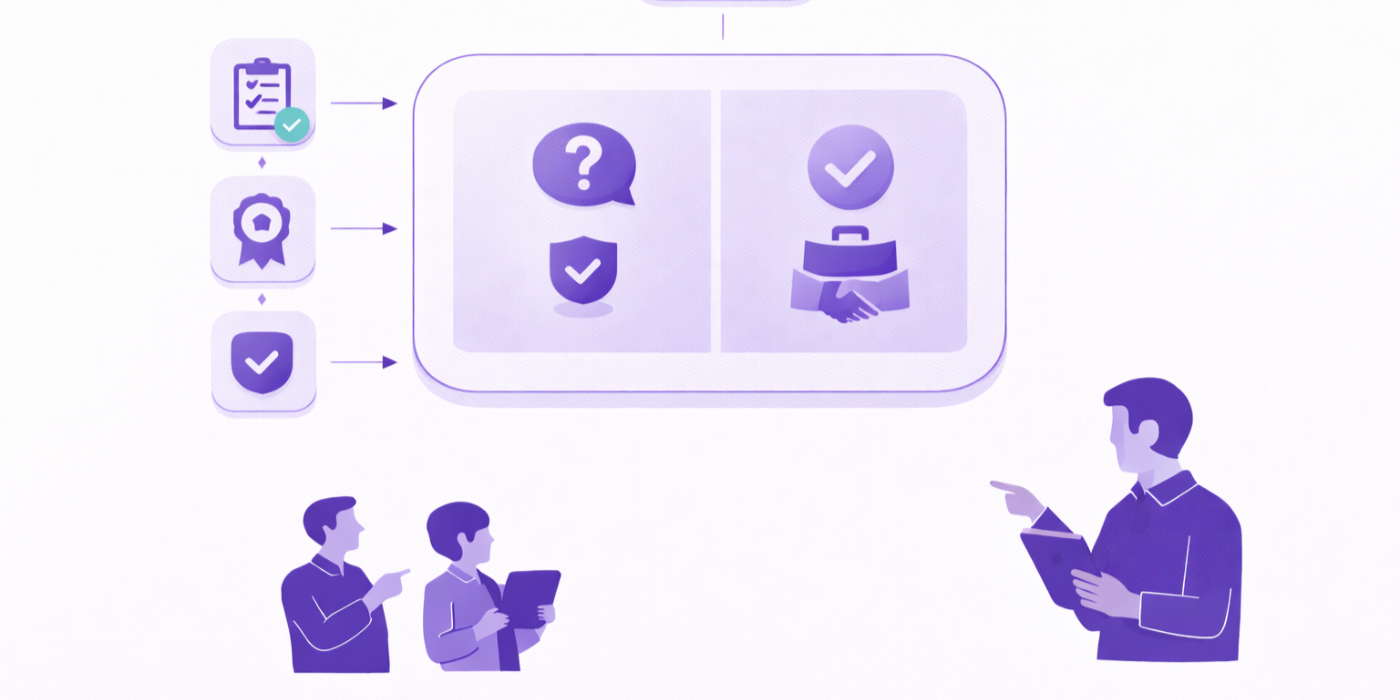
1) What Certified Health Coaches Say Is the Real ROI (Not the Marketing)
When certified coaches look back, most don’t say “It was worth it because I got a certificate.” They say it was worth it because it changed how they coach, how they sell, and how they retain clients. The ROI shows up in five places—if your program actually develops them.
1) Credibility that reduces buyer resistance
Clients don’t buy coaching like they buy a sweatshirt. They’re buying a relationship plus a promise of change. Certification can reduce the “How do I know you’re legit?” friction, especially when paired with clear standards like the non-negotiable standards every coach must know and trust mechanics from why trust is the most valuable asset in coaching. Certified coaches often report fewer objections on discovery calls because professionalism is pre-sold by the way they present their training and ethics.
2) Stronger session skill that creates results clients can feel
The biggest “worth it” moment usually happens when a coach stops winging it. Certification that trains structured communication raises outcomes through better listening, better questioning, and better close-the-loop commitments—exactly the skills emphasized in effective listening techniques that transform client conversations, the art of powerful questioning in coaching, communication techniques every coach should master, and the communication secret behind successful coaching.
3) Cleaner positioning that makes marketing easier
A certification path forces clarity: who you serve, how you help, what frameworks you use, what boundaries you maintain. That clarity translates into content that converts, not just content that “sounds helpful,” as explained in how to create engaging coaching content clients love and stronger authority positioning like how certification differentiates your health coaching business.
4) Higher pricing confidence (because you’re not guessing)
Many uncertified coaches undercharge because they feel replaceable. Certification can reduce impostor pricing when it builds a repeatable coaching process and ethical confidence—especially when you align it with how to set clear professional boundaries with coaching clients and techniques for maintaining professional boundaries with clients. Coaches who can explain their method can justify their fee.
5) Long-term career durability
In 2026, coaching is getting more regulated culturally even when it’s not regulated legally. Clients expect professionalism, confidentiality, and ethics. Certification paired with the principles in the ultimate guide to ethical coaching principles you cant ignore and safeguards from coaching confidentiality how to protect your clients and your practice often becomes a career insurance policy: fewer messy client situations, fewer boundary disasters, stronger reputation.
But here’s the part certified coaches are blunt about: certification is only “worth it” when it changes behavior and delivery. If you treat it like a badge, you’ll get badge results.
2) When Certification Is 100% Worth It vs When It’s a Waste of Money
Certified coaches tend to agree on one thing: certification is worth it when it solves a bottleneck. It’s a waste when it’s used as a substitute for action.
Certification is worth it when…
You need structure, not motivation.
If sessions feel improvised, if you “talk well” but struggle to create consistent outcomes, certification can be a performance upgrade—especially when it sharpens your questioning and commitment design through frameworks like solution-focused brief coaching sfbc the ultimate 2026 guide for coaches, appreciative inquiry the ultimate 2026 guide for coaches, and transactional analysis ta the ultimate 2026 guide for coaches.
You’re building a business that needs trust at scale.
You can “sell yourself” in one-on-one conversations, but content, referrals, and partnerships require credibility signals without you being present. Certification supports that scale when combined with trust assets like client testimonials capture the ultimate 2026 guide for coaches and strong ethical positioning like ethical dilemmas coaches face and how to solve them gracefully.
You want to reduce career-ending mistakes.
Many coaches don’t realize how easily boundaries blur. Certification that emphasizes confidentiality, scope, and consent reduces risk—especially for coaches handling heavy topics like coaching clients through grief and loss compassionate strategies, how coaches can support clients with ptsd and trauma, and the importance of self-care coaching for client mental health.
You’re serious about staying relevant in 2026.
The industry is shifting toward more tech-enabled delivery, stronger client engagement, and proof of results. Coaches who combine certification with modern systems highlighted in the future of client engagement 2026, why its the ultimate client magnet in 2026, and how technology is completely transforming the coaching industry are usually the ones who build durable visibility and retention.
Certification is a waste when…
You think it will replace marketing.
A certificate does not automatically produce leads. It improves conversion when your positioning is clear. If you don’t build a content and offer system (see coaching session templates to boost your productivity instantly and free & premium coaching resources to boost your practice), you’ll feel disappointed because you expected the credential to do the selling.
You buy the cheapest shortcut with weak standards.
Cheap isn’t always bad, but “fast and easy” programs often skip the components that create real ROI: practice, feedback, ethics, scope clarity. You end up with a badge but no upgraded ability to produce change—exactly the trap warned by pages like why coaches must avoid this trap and how coaches avoid career-ending mistakes.
You won’t implement what you learn.
Certified coaches are honest: the credential becomes worth it when you change how you coach. If you don’t build reinforcement systems like effective strategies for reinforcing positive client behaviors, how to inspire clients to take immediate action, and smart goals 2.0 how top coaches set & achieve client goals, the ROI stays theoretical.
3) What “Worth It” Looks Like in Pricing, Clients, and Confidence
Here’s how certification changes the game when used correctly—and where coaches misread the results.
Pricing: certification doesn’t raise prices—your clarity does
Clients pay for outcomes, not credentials. But credentials can increase perceived safety and competence if you communicate them correctly. A certified coach who lists their credentials clearly (see health coach certification credentials how to list on your resume) and ties them to a repeatable method can charge more confidently than someone who says “I’m passionate about helping people.”
The best pricing lift happens when certification upgrades:
your intake and scope clarity,
your session structure,
your behavior-change system,
your boundaries,
and your follow-up process.
That’s why certification pairs naturally with practical delivery tools like building your coaching toolkit essential templates and checklists, best coaching software & platforms for client management in 2025, virtual coaching tools boosting your remote session effectiveness, and video conferencing hacks for flawless online coaching sessions.
Client acquisition: certification improves conversion more than discovery
Most certified coaches don’t say “certification brought me tons of new leads.” They say “once leads arrived, conversion improved.” Why? Because trust is built faster. You sound more professional. You handle objections better. You set expectations more clearly. Those skills show up directly in relationship mechanics like building deep trust how to strengthen your client relationships, conflict handling like managing difficult client conversations with ease, and credibility standards like the non-negotiable standards every coach must know.
Confidence: the real win is “I know what to do next”
The biggest internal ROI is not ego. It’s decisiveness. Certified coaches often report that certification reduces mental load because they stop guessing:
which questions to ask,
when to challenge vs support,
how to keep sessions focused,
how to handle scope creep,
how to document and follow up ethically.
That’s why certifications tied to competencies and structured frameworks feel different from “feel-good” trainings. They translate into a coaching operating system—exactly the kind of mastery progression discussed in how coaches reach mastery, how the worlds best coaches get results, the coaching skill you didnt know you needed, and why this skill determines your coaching success.
4) How to Choose the Right Certification Program (So It Actually Pays Off)
Certified coaches who feel burned usually chose based on hype, not structure. The way to avoid regret is to vet programs by competencies, practice, standards, and fit—not by how good the sales page sounds.
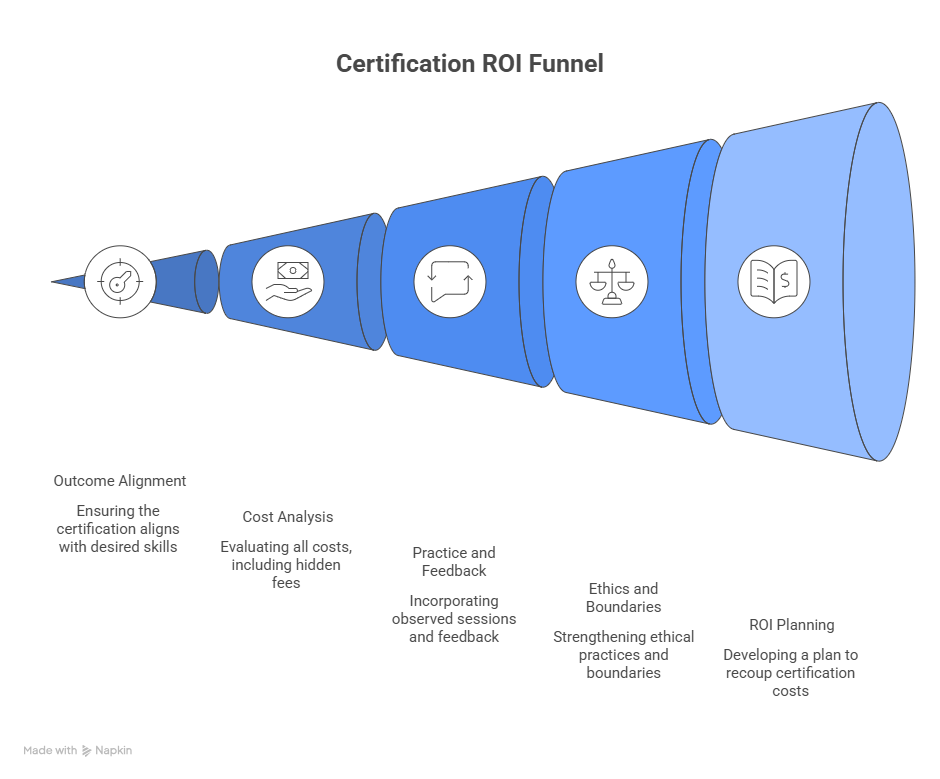
1) Choose by outcomes: what skill do you want stronger in 90 days?
If your weak point is communication and presence, prioritize training aligned with effective coaching communication for nbhwc certification and detailed review of nbhwc coaching competencies. If your goal is ICF-style competence, use resources like essential coaching skills for icf credentialing, plus process guidance from navigating the icf certification application process and risk-proofing in common mistakes to avoid on the icf certification exam.
If your goal is to choose the right path overall, anchor your decision with which certification is right for you and compare programs with health coaching certification how to choose the right program.
2) Don’t ignore the cost structure and hidden fees
The sticker price isn’t the only cost. Certified coaches who regret their decision often underestimated add-ons: exam fees, mentor coaching, membership fees, continuing education, technology, and time cost. Use a cost lens like health coach certification costs & hidden fees a complete guide and sanity-check against long-term planning topics like 2025 health coach certification trends future-proof your career now.
3) Verify practice and feedback (this is where ROI is created)
Practice transforms knowledge into skill. If a program doesn’t include observed sessions, feedback, and clear competency evaluation, your coaching won’t upgrade proportionally. The best ROI comes when you can immediately apply what you learn using systems like coaching session templates to boost your productivity instantly and skill tools like powerful questioning techniques that transform coaching sessions.
4) Choose programs that strengthen ethics and boundaries, not just techniques
A technique without standards can create harm. Coaches dealing with emotional vulnerability need boundaries, consent, confidentiality, and referral clarity. Reinforce your coaching safety system with coaching confidentiality how to protect your clients and your practice, managing dual relationships essential ethics for coaches, the ultimate guide to ethical coaching principles you cant ignore, and ethical dilemmas coaches face and how to solve them gracefully.
5) Have an ROI plan before you enroll
The coaches who earn back certification costs fastest don’t “hope.” They plan:
what offer they will sell,
what price point they need,
how many clients to break even,
how they will capture testimonials,
what content cluster they’ll publish to attract leads,
and what follow-up system converts traffic into calls.
This is where certification becomes a business asset when paired with automated email sequences the ultimate 2026 guide for coaches, client testimonials capture the ultimate 2026 guide for coaches, how to create engaging coaching content clients love, and free & premium coaching resources to boost your practice.
5) How Certified Coaches Make Certification “Worth It” Fast (The Execution Playbook)
Certification becomes worth it when you operationalize it. Here’s what certified coaches do differently right after training:
1) They upgrade their onboarding and scope language immediately
They stop vague promises and start specific outcomes, timelines, and boundaries—reducing mismatch and refunds. This aligns with the non-negotiable standards every coach must know and boundary strategies from how to set clear professional boundaries with coaching clients.
2) They turn frameworks into repeatable session flow
They don’t “hope” a session goes well. They use structures that sharpen focus and commitments. Tools like smart goals 2.0 how top coaches set & achieve client goals, reinforcement tactics from effective strategies for reinforcing positive client behaviors, and engagement systems from interactive coaching exercises to keep clients motivated create client momentum that feels tangible.
3) They build trust assets while results are fresh
The first 10–20 clients after certification are a goldmine for testimonials, case stories, and proof. Coaches who capture stories early accelerate marketing. That’s why client testimonials capture the ultimate 2026 guide for coaches is an ROI lever, not a “nice-to-have.”
4) They position the credential properly (no hiding, no overhyping)
Certified coaches who convert best treat credentials as proof of standards—not as a brag. They explain what the credential means, what it trained, and why it protects the client. Use health coach certification credentials how to list on your resume as the blueprint, and reinforce differentiation via how certification differentiates your health coaching business.
5) They modernize delivery so clients stay engaged between sessions
Clients drop off when coaching only exists for 60 minutes a week. Certified coaches who retain clients build reinforcement: resource libraries, email nudges, session recaps, community, and tools—supported by creating a coaching resource library your clients will love, how to build an interactive coaching community online, best practices for creating interactive coaching workshops, and the future of client engagement 2026.
When certified coaches say it was worth it, this is usually why: certification changed their system, not just their status.
6) FAQs: Certified Health Coaches Answer “Is Certification Worth It?”
-
Often yes—if you want higher retention, higher pricing confidence, and fewer ethical/boundary risks. Certification can upgrade delivery so clients get better outcomes and refer more. But if you expect certification to create leads without improving your marketing and systems, you’ll be disappointed.
-
If it lacks supervised practice, feedback, clear competencies, and explicit ethics/boundaries training, it’s high risk. A badge without skill development rarely pays off. Also beware programs that promise income without requiring execution changes.
-
Not automatically. Clients pay for clarity, outcomes, and trust. Certification helps you justify higher fees when you pair it with a clear method, strong onboarding, and visible standards—plus testimonials and proof.
-
Skills drive outcomes, but credible standards make it easier for clients to trust you faster. Ideally you choose a path that does both: develops competence and provides recognizable credibility you can explain clearly.
-
Have an ROI plan before enrolling: pricing target, number of clients needed to break even, marketing plan, testimonial capture workflow, and a repeatable delivery system. Coaches who plan earn back costs faster than coaches who “hope.”
-
Time becomes manageable when your program fits your schedule and you commit to consistent weekly reps. The bigger risk is enrolling and not finishing. Choose a path you can complete and immediately apply into your session structure and content.
-
Frame it as a client protection and standards signal: explain what you trained, how it shapes your approach, and how it supports confidentiality, boundaries, and outcomes. Clients respond better to professionalism than bragging.
