
Automated Email Sequences: The Ultimate 2026 Guide for Coaches
Automated email sequences are the difference between a coaching business that hopes clients come back and one that reliably converts attention into booked calls, paid programs, and long-term retention. In 2026, most coaches aren’t losing because their offer is weak — they’re losing because their follow-up is manual, inconsistent, and emotionally exhausting. This guide gives you a complete system: what to automate, what to keep human, how to write sequences that don’t sound like templates, and how to turn email into a quiet “always-on” sales assistant without feeling salesy. You’ll get a 25+ row table, real pain-point sequences, and a conversion-first implementation plan.
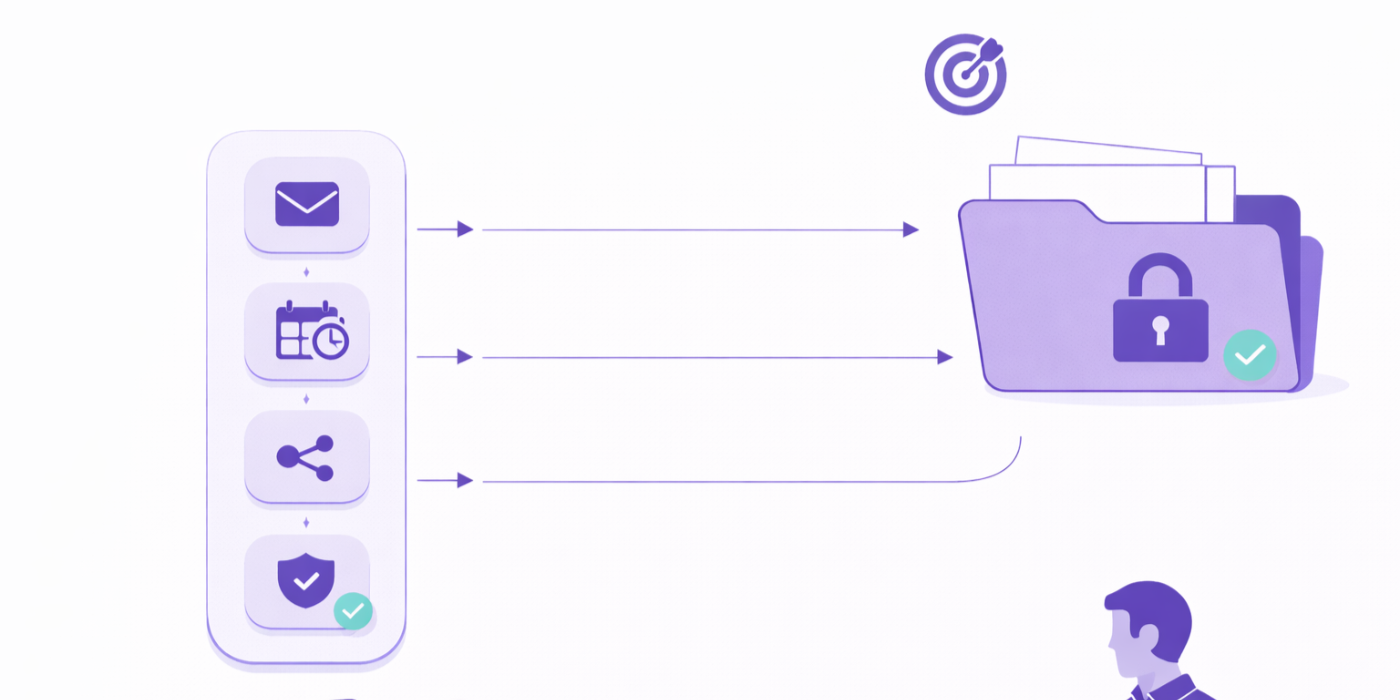
1) Automated Email Sequences in 2026: What They Are and Why Coaches Need Them
An automated email sequence is a pre-built chain of emails that triggers when someone takes an action: downloads a free resource, fills a form, books a call, attends a workshop, or joins your community. The mistake coaches make is treating automation like “marketing.” In reality, automation is delivery consistency, and consistency is what creates trust at scale — the same principle behind why trust is the most valuable asset in coaching and the execution discipline in how to make it work every time.
In 2026, attention is fractured. People don’t “remember” to come back later. They get pulled by notifications, family pressure, work deadlines, and the endless scroll. Coaches feel this as ghosting, half-finished intakes, “I’ll get back to you,” and silent leads. Email sequences solve that pain by creating a structured follow-through loop that mirrors how great coaches work in session: clear recap, next step, gentle accountability, and reinforcement. That’s why sequences pair perfectly with the future of client engagement 2026 and practical frameworks like coaching session templates.
There’s also a business reality coaches avoid: your calendar doesn’t fill because you post more. It fills because your pipeline is designed to move people from “interested” to “ready.” Sequences do that by delivering clarity and lowering friction, which connects directly to positioning concepts like why it’s the ultimate client magnet in 2026 and credibility builders like health coach certification credentials—how to list on your resume. Your emails become proof that you’re structured, professional, and safe to buy from — not just inspirational.
If your current process is DM back-and-forth, manual reminders, and “following up” when you remember, you’re relying on your mood as a business system. Automation replaces mood with process. And the coaches who win are the ones who build process — the same growth mindset behind how coaches reach mastery and the operational simplicity in the radical simplicity coaches are loving.
2) The 2026 Sequence Architecture: What to Automate vs What to Keep Human
Most coaches think the problem is writing emails. The real problem is architecture: the wrong emails triggered at the wrong time to the wrong person. If your automation feels “spammy,” it’s not because email is bad — it’s because the sequence doesn’t match the reader’s stage. The best sequences behave like great coaching: they meet the person where they are, establish trust, and move them toward one next step. That’s the same behavioral alignment you see in how to actually change your client’s life in 2026 and the principle-driven approach in how the world’s best coaches get results.
Start by separating your automations into three layers.
Layer 1: Trust automation (top of funnel). This is where you deliver value, reveal your method, and prove you understand the reader’s pain. Most coaches write “tips.” Professionals write clarity. A trust sequence should feel like: “This coach sees my actual problem and has a system.” Pull your foundational philosophy from content like the communication secret behind successful coaching, then reinforce it with your standards mindset from the non-negotiable standards every coach must know. When trust is built, selling becomes permission, not persuasion.
Layer 2: Conversion automation (decision stage). Here’s where coaches get timid. They send “just checking in” emails that do nothing. Conversion automation should address hesitation directly: time, money, fear of failure, fear of being judged, fear it won’t work for them. Use a tone that matches the boundary clarity in how to set them and save your career and the execution certainty in how to make it work every time. In 2026, audiences are allergic to hype. They respond to precision and honesty.
Layer 3: Retention automation (after purchase). This is the hidden goldmine. Most coaches stop marketing after the sale — then wonder why churn happens. Your onboarding and momentum sequences should prevent predictable drop-offs with simplicity, structure, and reinforcement. This aligns perfectly with the future of client engagement 2026 and engagement tools like interactive coaching exercises. Retention email is not “content.” It’s client success operations.
Now the important line: keep human where emotion matters. Automation can deliver clarity, reminders, prep, and structure. But when a client is in shame, crisis, or a major identity shift, a real human check-in is worth more than any funnel. That’s why your system should include a “break-glass” path: if someone replies with struggle, you respond as a coach, not a marketer — consistent with the trust-first principles in why trust is the most valuable asset in coaching and the professional growth mindset in how coaches reach mastery.
To modernize this for 2026, build segmentation. A beginner needs simplicity; an advanced client needs nuance. This is where the strategic layer of how technology is completely transforming the coaching industry and the personalization potential of how artificial intelligence is changing client interactions forever can support your judgment — not replace it.
3) Write Sequences That Convert Without Sounding Like Everyone Else
Most automated sequences fail because they read like marketing homework. The cure is to write like a coach: direct, specific, and grounded in real client psychology. If your email could be sent by any coach, it will convert like any coach — which is to say, poorly. Your goal is to make the reader feel understood at a level that builds “this is for me” trust, the same resonance that powers why it’s the hidden goldmine of coaching and the specificity behind the 1 coaching technique for client breakthroughs.
Start with the three conversion levers coaches ignore.
Lever 1: Name the real pain, not the polite pain. Polite pain is “I’m struggling with consistency.” Real pain is: “I start strong on Monday, collapse by Wednesday, and then I avoid thinking about it because shame is exhausting.” When you name real pain, you create emotional safety. This is the same “tell the truth” trust mechanism behind why coaches must avoid this trap. Your emails should sound like someone who has actually coached real humans, not someone who summarized a book.
Lever 2: Deliver a micro-win early. Most sequences hoard value until the pitch. That’s backwards. Give a small, immediate improvement in email #1 or #2: a two-minute reset, a decision rule, a “minimum version” habit, a boundary script. Micro-wins prove competence and align perfectly with the simplicity philosophy in the radical simplicity coaches are loving. When readers win fast, they trust your bigger offer.
Lever 3: Offer a next step that matches their stage. A cold lead doesn’t need “apply now.” They need clarity: “Here’s the simplest first move.” A warm lead needs permission and specificity. A client needs onboarding structure. This stage-matching is exactly what modern coaches learn when they study the future model every coach needs to adopt by 2026 and apply the outcome-driven execution in how to make it work every time.
Here are three high-performing sequence “spines” you can adapt.
A lead magnet spine works when it teaches your method in layers. Email 1 delivers the asset and a micro-win. Email 2 shows a common mistake and how to fix it. Email 3 introduces the deeper framework and invites a reply. Email 4 bridges to a call or program with clear fit criteria. This approach integrates cleanly with email marketing strategies for coaches and content systems like how to create engaging coaching content clients love.
A post-call decision spine works when it respects the reader’s hesitation. Email 1 recaps what they said they want and what’s costing them now. Email 2 addresses “I don’t have time” with constraints-based planning. Email 3 addresses “I’ve failed before” with minimum versions and friction reduction. Email 4 offers a clean close: join, not now, or ask a question. This “professional clarity” tone matches the communication secret behind successful coaching and supports trust like why trust is the most valuable asset in coaching.
A retention spine works when it anticipates the Week 2 crash. Email 1 sets expectations and normalizes imperfect weeks. Email 2 creates a simple weekly ritual. Email 3 spotlights an early win and reinforces identity. Email 4 teaches a reset protocol. This is retention architecture that aligns directly with the future of client engagement 2026 and engagement practices from interactive coaching exercises.
The final upgrade: write emails like you speak in session — but structured. Use short paragraphs, one point per email, and a single clear CTA. If you want the sequence to feel premium, stop trying to entertain and start trying to clarify. Clarity is what gets people to move, which is why it’s tied to frameworks like SMART goals 2.0 and professional authority signals like 2025 health coach certification trends.
4) The Coach’s Conversion Engine: Sequences That Fill Calls Without Burnout
If you want consistent revenue, you need a consistent pipeline. A pipeline is not a vibe — it’s a set of predictable transitions: discover → trust → decision → onboard → retain. Automated sequences exist to carry people through those transitions without you chasing them. This is the same “system beats motivation” philosophy behind why top coaches are obsessed and the strategic client acquisition mechanics behind why it’s the ultimate client magnet in 2026.
Start with the sequence most coaches skip: the content-to-call bridge. If someone reads your blog, they’re signaling intent. Don’t waste that. Your bridge sequence should deliver one deeper insight related to the topic, then offer a low-friction next step. This pairs naturally with content strategy foundations like building and monetizing your coaching blog and the engagement logic in how to create engaging coaching content clients love. The key is to match CTA to readiness: “reply with one word,” “take a 2-minute audit,” or “book a call if this is your bottleneck.”
Next, build call show-up systems. No-shows aren’t just annoying; they’re expensive. Your call prep sequence should reduce anxiety and uncertainty. One email confirms the outcome and explains what will happen. Another email asks one high-value question to prime commitment (“What would make this call a win?”). This is basically a pre-coaching intervention, and it aligns with the professionalism taught in the non-negotiable standards every coach must know. When clients feel prepared, they show up.
Then, build a post-call decision sequence that honors reality. Many people don’t buy because they’re bad; they don’t buy because they’re scared they’ll fail again. Your sequence should address that fear directly, using the behavior design logic from the neuroscience-based method every coach needs now and the execution scaffolding from how to make it work every time. A strong post-call email doesn’t “push.” It clarifies tradeoffs: “Here’s what changes if you do this now vs later.”
Finally, in 2026, personalization matters more than volume. Use segmentation from intake answers or link clicks to send the right follow-up. This is where tech becomes leverage — the strategic layer behind how technology is completely transforming the coaching industry and the relationship-shaping potential in how artificial intelligence is changing client interactions forever. The goal isn’t “AI writing emails.” The goal is relevance: making the reader feel like you’re talking to their exact situation.
If you do this well, you stop living in your inbox. You stop chasing. Your business becomes calmer. And calm is a competitive advantage because it lets you coach better — the same mastery direction in how coaches reach mastery and the sustainable simplicity in the radical simplicity coaches are loving.

5) Implementation in 2026: The Exact Build Order, Metrics, and Mistakes to Avoid
Execution is where “I know I should” becomes “it’s live and working.” The fastest path is not building 20 sequences. It’s building the right 5 in the right order, then improving with data. This is the same method-driven discipline behind how one method is revolutionizing coaching and the standards-first professionalism behind the non-negotiable standards every coach must know.
Build in this order.
First, launch a lead magnet delivery sequence that provides immediate value. If your lead magnet doesn’t create a micro-win, your list will feel cold. Use the content engagement approach from how to create engaging coaching content clients love and the trust foundation from why trust is the most valuable asset in coaching. Keep the CTA simple: reply, take one step, or read a related resource.
Second, launch a nurture sequence that teaches your method in layers. Your method is your differentiator. If your emails are generic, you’ll compete on price and personality. Tie your nurture to proven coaching frameworks like powerful questioning techniques and goal clarity like SMART goals 2.0. Your goal is to make the reader think, “This coach is structured.”
Third, launch a call prep sequence to reduce no-shows and increase close rate. A prepared lead is more likely to buy. This is operational coaching, and it matches the business maturity mindset behind how coaches avoid career-ending mistakes. It also signals professionalism, which matters even more if your audience cares about credentials, positioning, or legitimacy.
Fourth, launch a post-call decision sequence to convert “not now” into “yes later.” This is where you build long-term revenue without more content. Address one objection per email, and keep it honest. Tie it back to the simplicity model in the radical simplicity coaches are loving and the execution discipline in how to make it work every time. Never guilt. Guilt triggers avoidance.
Fifth, launch an onboarding + Week 2 momentum sequence. If you want referrals and testimonials, your client experience must feel structured. Use onboarding to establish boundaries (response windows, check-ins, expectations) aligned with how to set them and save your career. Then prevent drop-off using engagement mechanics from interactive coaching exercises and the retention logic in the future of client engagement 2026.
Now measure like a professional. Track open rate, click rate, replies, call show-up rate, and booked calls. But don’t get trapped in vanity metrics. The real KPI is pipeline health: are more people moving from interest to decision without you chasing? This systems mindset aligns with why top coaches are obsessed with process, not hype, and it’s how you build a durable practice.
The biggest mistakes to avoid are predictable.
One is writing emails that feel like content dumps. Instead, write clarity. This aligns with the communication craft in the communication secret behind successful coaching. Another is over-automating and removing humanity. Automation should create breathing room so you can coach better, not turn your brand into a robot. Finally, don’t build “one-size-fits-all” messaging. Segment by pain point when possible, using the modernization lens in how technology is transforming coaching and the personalization potential in how AI is changing client interactions.
6) FAQs: Automated Email Sequences for Coaches (2026)
-
They work when they’re relevant and structured. People ignore generic “newsletter vibes,” but they read emails that solve a real problem and feel human. That’s why they pair well with the trust mechanics in why trust is the most valuable asset in coaching and the clarity-first style in the communication secret behind successful coaching.
-
Start with 3: lead magnet delivery, nurture, and call prep. Then add post-call decision and onboarding. This build order prevents burnout and matches the “simplicity first” mindset in the radical simplicity coaches are loving.
-
Usually 5–7 emails is enough to teach your method without exhausting the reader. Each email should deliver one insight and one next step, similar to the structured approach in coaching session templates and the execution discipline in how to make it work every time.
-
Stop trying to be novel and start being specific. Write about real barriers: stress triggers, time constraints, the “Week 2 crash,” fear of failure, and decision rules. Use questioning frameworks from powerful questioning techniques to extract what your audience is actually stuck on.
-
Use segmentation (intake answers, clicked links, topics), and write in the voice you use in sessions. Keep paragraphs short, ask for replies, and reference the reader’s likely reality. Tech can support this relevance, as explained in how technology is transforming coaching and the personalization potential in how AI is changing client interactions.
-
AI can speed up drafting, but you must supply your method, client language, and standards. The win isn’t “AI wrote it.” The win is “it reads like a coach who understands me,” which aligns with the trust principles in why trust is the most valuable asset in coaching.
-
Add one conversion bridge: a content-to-call sequence or a post-call decision sequence that directly addresses objections. Most coaches never follow up with precision, which is why this is an immediate differentiator — the same leverage logic behind why it’s the hidden goldmine of coaching.
