
Online Life Coach Certification: Best Accredited Programs Reviewed
Online life coach certification is crowded with “instant certificates,” influencer hype, and programs that sound official but don’t stand up when employers—or discerning clients—ask one question: “Accredited by who?” If you want a credential that actually signals quality, you need to understand the real accreditation landscape, how ICF Level 1/2/3 works, what “approved education” means, and how to spot programs that overpromise outcomes while underdelivering training, feedback, and ethical standards. This guide reviews the best accredited pathways and gives you a clean decision system.
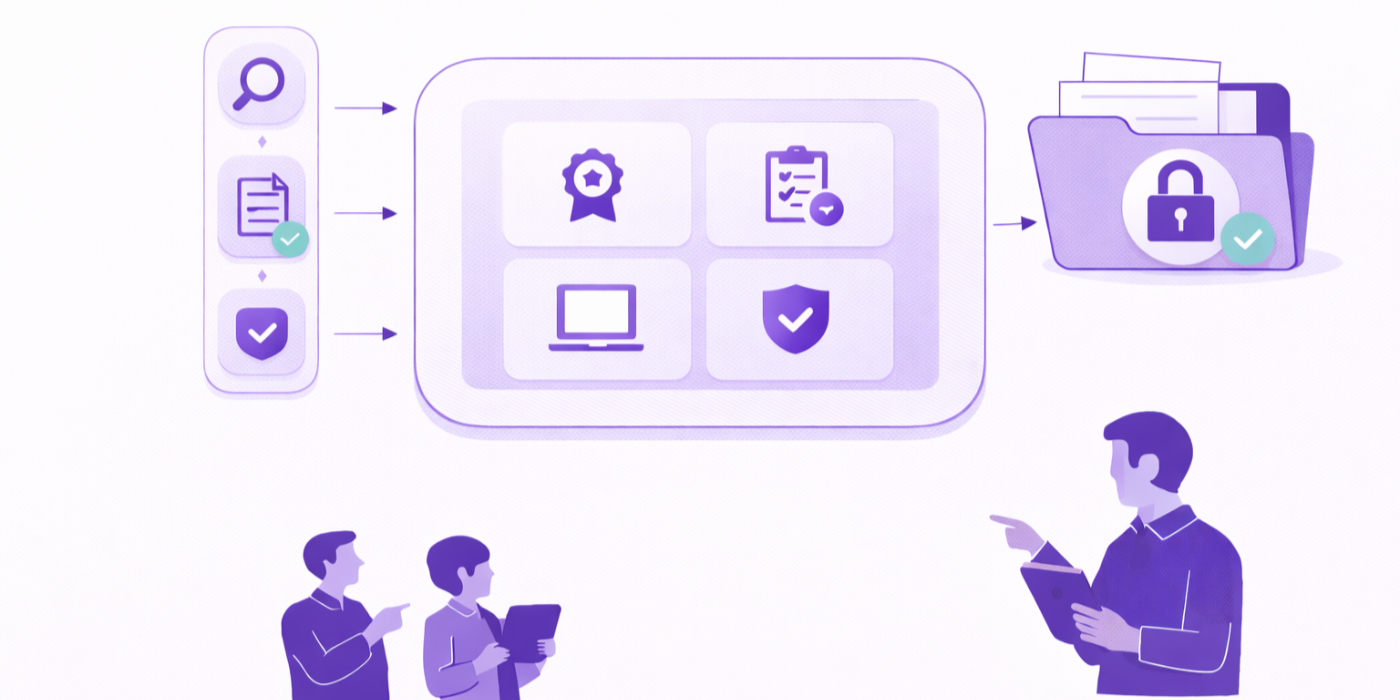
1) What “accredited” actually means in life coaching (and what it doesn’t)
Most people searching “accredited life coach certification” are trying to avoid two painful outcomes:
Wasting money on a certificate nobody respects
Graduating unable to coach confidently—so you undercharge, overprepare, and burn out
Here’s the truth: life coaching is not regulated like nursing, therapy, or dietetics, so there isn’t one government-backed “accreditation” that makes everything else invalid. Instead, credibility usually comes from professional bodies that set standards for training and ethics—especially if you want a globally recognized path.
The gold-standard signal for coaching education: ICF accreditation
The International Coaching Federation (ICF) runs a searchable directory of ICF-accredited coaching education programs via its Education Search Service (ESS). If a program claims ICF accreditation, you can verify it there.
ICF also defines training requirements for its credentials and recognizes education from Level 1/Level 2 programs toward credential applications (depending on the credential path).
So when you see:
“ICF Level 1”
“ICF Level 2”
“ICF-accredited education”
that’s not just marketing language—it’s a verifiable category you can check in ICF’s systems.
A critical clarification (that saves you from getting scammed)
Many programs use the word “accredited” but mean:
accredited by a private “board” you’ve never heard of
“recognized” on a directory that lists anyone who pays a fee
“approved” internally by the school itself
That’s why your first move should be learning how to vet claims—because why trust is the most valuable asset in coaching starts with your own credibility signals, and the non-negotiable standards every coach must know include training legitimacy.
“Accredited program” vs “credential” (people confuse these)
Program accreditation: the training school/program is recognized by a professional body (ex: ICF-accredited education).
Coach credential: you apply for a credential after training + practice hours (ex: ICF ACC/PCC after meeting requirements).
In other words: a program can be accredited, but that doesn’t automatically mean you’re credentialed—you still need the additional steps.
If you want your training to translate into real-world skill (not just a badge), you also need a method that builds results and confidence—see how the world’s best coaches get results and the communication secret behind successful coaching.
2) The 3 best accredited pathways (and which one is actually “best” for you)
A professional review should do two things:
Protect you from buying the wrong program
Help you choose the fastest path to credibility + competence
So instead of “Top 10 lists,” here are the three pathways that consistently map to real-world recognition.
Pathway A: ICF-accredited education (Level 1 / Level 2) for long-term credibility
If you want a certification that reads as legitimate across borders, industries, and client types, this is the cleanest route because it’s verifiable through ICF’s directory.
How this helps your career:
gives you a recognized training framework
supports ICF credential preparation (depending on your path)
signals ethics and standards in a market full of weak training
Who should choose this:
coaches who want to work with professionals (career, leadership, high-trust clients)
coaches who may later pursue ACC/PCC
people who want to avoid “certificate mill” stigma
This also pairs strongly with ANHCO’s credibility themes like how certification differentiates your health coaching business and practical skill-building like powerful questioning techniques that transform coaching sessions.
What to verify before buying:
The program is listed in ICF ESS (don’t rely on a logo).
Whether it’s Level 1 or Level 2 (this changes your long-term credential path).
Whether it includes mentor coaching and performance evaluation (or if you’ll pay extra later).
Pathway B: “Accredited education” + deep practice (the competence-first route)
Some people buy an accredited program but still struggle in real sessions because they never build a repeatable coaching system.
A high-quality program should force you to develop:
session structure
boundary language
feedback loops
measurable progress
If you want to coach with calm confidence—not frantic improvisation—pair training with ANHCO’s applied frameworks like coaching session templates, effective listening techniques, and building deep trust.
The brutal truth:
Your income won’t rise because you “got certified.” It rises because clients feel progress, stick with you, and refer others—exactly the systems logic behind the future of client engagement 2026 and how to actually empower clients.
Pathway C: NBHWC-approved (only if you’re actually doing health/wellness coaching)
NBHWC runs an approved training program directory for health and wellness coach education (not life coaching broadly). If your “life coaching” is deeply health-focused, this pathway can be powerful—but don’t call it “life coach accreditation.”
This matters because people damage trust by overstating what their credential means. If you work in health-adjacent areas, keep your integrity high and align your positioning with coaching confidentiality and ethical coaching principles.
“Best accredited programs reviewed” (how to review any program like an expert)
Instead of trusting lists, apply this 7-part review filter:
Verification: Can you confirm the accreditation in the accreditor’s directory? (ICF ESS for ICF claims)
Practice volume: How many real coaching reps do you do?
Feedback quality: Do you get assessed with a rubric?
Mentor coaching: Included or extra?
Ethics + scope: Do they train boundaries, confidentiality, dual relationships?
Competency framework: Do they teach a consistent model or random tools?
Outcome readiness: Do graduates leave able to coach, or only able to market?
This is how you avoid the career-ending trap of underpreparing and overpromising—see how coaches avoid career-ending mistakes and why coaches must avoid this trap.
3) Program-by-program evaluation: how to tell if it’s truly “best” (without falling for branding)
A “best program” is not the one with the loudest marketing. It’s the one that matches your goal, constraints, and credibility requirements.
If your goal is maximum credibility: choose ICF ESS + the right level
ICF explicitly provides an education directory (ESS) to help candidates find programs that are accredited by ICF.
This is the move for coaches who want their training to stand up in professional settings.
Level choice logic (simple):
Level 1: best when you want a credible foundation and may later pursue entry credential paths (depending on requirements).
Level 2: best if you’re serious about advanced pathway alignment and deeper training hours.
Don’t overcomplicate it. Pick the level that matches your seriousness—then make sure the program gives you reps and feedback.
If your goal is immediate coaching confidence: choose the program with ruthless practice + evaluation
Many new coaches experience the same pain:
they freeze in sessions
they overtalk
they avoid hard questions
they can’t guide clients through resistance
they lose clients mid-program because there’s no structure
That’s not a personality issue—it’s training design.
You want a program that forces you to master:
reflective listening (see effective listening techniques)
difficult conversations (see managing difficult client conversations)
boundaries (see techniques for maintaining professional boundaries)
action design and follow-through (see how to inspire clients to take immediate action)
If a program doesn’t train those, it can still hand you a certificate—but you’ll pay for it later with hesitation, refunds, and inconsistent retention.
If your goal is health/wellness-specific coaching: confirm NBHWC-approved training
NBHWC publishes a directory of approved training programs that meet their standards for health and wellness coach education.
This is particularly relevant if your future clients are primarily health-behavior-change clients and you want your education to align with that ecosystem.
But again: don’t mislabel it as “life coach accreditation.” That’s how coaches lose trust before the first session.
4) The hidden deal-breakers most “best program” lists ignore
If you want a professional review, you have to name the problems that cause coaches to waste years.
Deal-breaker 1: No real performance evaluation
If nobody evaluates your coaching against a standard, you won’t know:
whether you lead clients or lecture them
whether you ask powerful questions or safe questions
whether you help clients create commitments or vague intentions
This is why coaches who “trained” still struggle—then turn to more certifications like a coping mechanism. The real fix is competency + feedback (see how coaches reach mastery).
Deal-breaker 2: The program sells confidence, not skill
Confidence comes from reps, not hype.
A strong program should leave you with:
a session structure you can run even on a bad day (use coaching session templates)
a method for breakthroughs (see the 1 coaching technique for client breakthroughs)
a system for keeping clients engaged between sessions (see the future of client engagement 2026)
Deal-breaker 3: Ethics and scope-of-practice are treated like “fine print”
If you coach real humans, you will run into:
trauma disclosure
mental health red flags
dependency
dual relationships
confidentiality landmines
Programs that don’t train this set you up for risk and reputation damage. Pair your training with ANHCO’s ethics coverage: coaching confidentiality, managing dual relationships, and ethical dilemmas coaches face.
Deal-breaker 4: You’ll graduate… and still have no offer
A “best program” should help you avoid graduating into confusion:
“I can coach anyone” (translation: nobody understands what you do)
“My niche is life” (translation: no buyer urgency)
“My sessions are custom” (translation: no repeatability)
Offer clarity is a professional skill. If you want clients, you need a coherent promise and a structured path—exactly the thinking behind why it’s the ultimate client magnet in 2026 and the radical simplicity coaches are loving.

5) How to choose your “best” online program in 20 minutes (a decision system)
This is the fastest, high-signal way to decide without spiraling.
Step 1: Pick your target credibility signal
Choose one:
“I want ICF-aligned credibility” → start with ICF ESS verification
“I want health/wellness board pathway” → verify NBHWC approved directory
“I want skill and confidence fastest” → choose the strongest practice + evaluation design
Step 2: Demand proof on these 5 items (non-negotiable)
Directory verification (ICF ESS / NBHWC directory when relevant)
Live coaching practice hours
Evaluation rubric (how your coaching is assessed)
Mentor coaching (included vs add-on)
Ethics + boundaries training with scenarios
Step 3: Match program style to your constraints
If you’re busy and inconsistent: cohort structure helps you finish
If you need flexibility: self-paced + mandatory practice pods
If you learn by doing: hybrid programs with intensives
If you overthink: programs with structured templates and weekly feedback
Then build a delivery system that prevents client drop-off and protects your energy (see helping clients manage work-life balance and effective strategies for coaching clients through burnout).
6) FAQs: Online Life Coach Certification (Best Accredited Programs Reviewed)
-
ICF is widely recognized globally and offers a directory (ESS) of coaching education programs accredited by ICF.
-
Use ICF’s Education Search Service (ESS). If it’s not there, treat “ICF-accredited” claims as unverified until proven.
-
Neither is universally “better.” Level choice should match your commitment, desired depth, and long-term credential pathway alignment. ICF explains education/training requirements and pathways tied to accredited education.
-
Finishing training is one part. Coach credentials typically require additional components beyond education (like experience and other requirements depending on credential path).
-
NBHWC approval is for health and wellness coach training programs that meet NBHWC standards. It’s strong for that track, but it isn’t “life coach accreditation” as a general category.
-
“Accredited” with no directory verification
no performance evaluation
no mentor coaching guidance
self-paced with zero live practice
unrealistic marketing promises (“clients guaranteed,” “six figures in 30 days”)
-
structured practice reps
feedback from qualified instructors
ethics and boundaries training
a repeatable session framework
tools for follow-through and accountability (pair with how to make it work every time)
