
YouTube Channel Growth for Coaches: The Ultimate 2026 Guide for Coaches
YouTube channel growth for coaches in 2026 is no longer about “going viral.” It’s about building a trust engine that turns attention into booked calls, program enrollments, and long-term authority. Most coaches fail on YouTube not because they lack knowledge, but because they publish random videos, chase trends, and never build a conversion path. This guide gives you a professional growth system: channel positioning, content architecture, retention strategy, lead capture, and monetization — with a 25+ row tactical table and a pain-point poll you can use immediately.
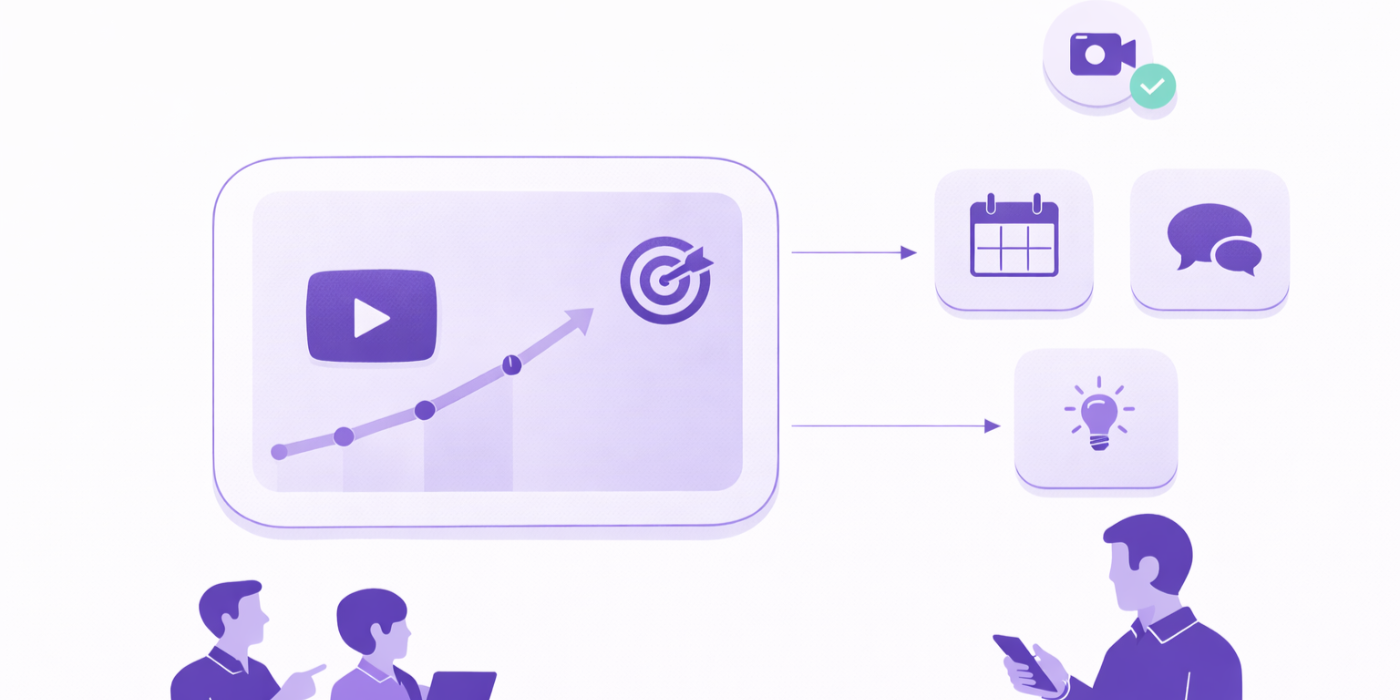
1) YouTube Channel Growth for Coaches in 2026: What Actually Works Now
In 2026, YouTube rewards clarity, consistency, and viewer satisfaction more than “hype tactics.” Coaches who win don’t just upload advice — they build a category-specific library that solves real problems in sequence. That means your channel should function like a guided client journey, not a pile of disconnected videos. This is the same systems mindset behind how to create engaging coaching content clients love, the execution logic in how to make it work every time, and the structure-first approach in coaching session templates.
The biggest pain point coaches feel is this: “I know I can help people, but my videos get views and not clients.” That happens when your channel is optimized for information, not transformation. People subscribe to coaches who make them feel understood, organized, and capable. That’s why your content strategy should mirror the trust mechanics in why trust is the most valuable asset in coaching, the communication quality in the communication secret behind successful coaching, and the professional standards in the non-negotiable standards every coach must know.
YouTube is especially powerful for coaches because video compresses trust. Viewers can hear your tone, see your thinking, and evaluate your credibility before ever speaking to you. That makes it one of the strongest “pre-selling” channels when paired with email marketing strategies for coaches, building and monetizing your coaching blog, and growing your coaching practice through podcasts. A smart coach uses YouTube as the top-of-funnel trust engine and lets email + offers do the conversion work.
If your channel currently feels random, inconsistent, or exhausting to maintain, the fix is not “more content.” The fix is a channel architecture that aligns videos with pain points, outcomes, and next steps. That’s the difference between creator burnout and sustainable growth — and it connects directly to the radical simplicity coaches are loving, how coaches reach mastery, and the future model every coach needs to adopt by 2026.
2) Channel Positioning That Attracts the Right Audience (Not Just Views)
A lot of coaches make this fatal mistake: they position their YouTube channel around themselves (“I’m a coach and here’s my journey”) instead of the viewer’s outcome (“Here’s how I help you solve X”). Personal storytelling can build connection, but only after the audience understands what problem you solve. Your positioning must instantly answer three questions: Who is this for? What result do I help with? Why should they trust me? This is the same trust-and-clarity equation behind why it’s the ultimate client magnet in 2026, why trust is the most valuable asset in coaching, and the communication secret behind successful coaching.
Start by choosing your channel promise. A strong promise is specific enough to attract the right viewer and broad enough to support a content library. Example angles:
“I help overwhelmed professionals build sustainable health habits.”
“I help new coaches build systems, confidence, and clients.”
“I help high-achievers fix consistency without burnout.”
Once you define the promise, every video should fit into 3–5 content pillars. This prevents random uploads and makes your library bingeable. For coaches, strong pillars often include:
Behavior change / consistency
Coaching frameworks / methods
Tools and systems
Client engagement / retention
Business growth / authority
This structured thinking pairs perfectly with smart goals 2.0, powerful questioning techniques, and the wheel of life reinvented, because all of those frameworks help you create repeatable “series” instead of one-off videos.
Next, align your channel with your offer ladder. If your videos help viewers at the awareness stage, where do they go next? A free guide, email list, workshop, challenge, call, or program? Coaches often sabotage growth by making great videos with no logical next step. That’s why YouTube growth should be designed alongside email marketing strategies for coaches, how to create and sell coaching online courses, and free & premium coaching resources to boost your practice. Viewers need a bridge, not just inspiration.
Finally, position for authority without stiffness. Coaches sometimes overcorrect and sound like a textbook. Others go too casual and lose credibility. The sweet spot is calm, structured, and human — exactly the kind of professional confidence reflected in how coaches reach mastery, how the world’s best coaches get results, and coaching leadership skills—how to lead and inspire clients.
3) The 2026 Content System: Topics, Retention, and YouTube SEO for Coaches
The coaches who grow on YouTube don’t just “have ideas.” They run a content system. That means they know what to publish, why it matters, how it connects to other videos, and what action the viewer should take next. Without a system, your channel becomes a creativity lottery. With a system, every video compounds. This is the same compounding logic behind building and monetizing your coaching blog, growing your coaching practice through podcasts, and how to create engaging coaching content clients love.
A) Topic selection: choose pain points with buying intent
The easiest trap is making videos around what you want to talk about. Instead, build around what your audience is actively struggling with:
consistency breakdowns
“I know what to do but don’t do it”
stress eating / schedule chaos
client retention issues (for coaches coaching coaches)
confidence / impostor syndrome
offer confusion / pricing hesitation
technology overwhelm
Use pain-point titles that imply a clear outcome. This aligns with trust-first content from how to actually empower clients, the behavior change focus in how to actually change your client’s life in 2026, and practical execution from how coaches can actually change client diets.
B) Retention: make viewers stay (without rambling)
Growth is not just clicks. YouTube cares whether viewers stay satisfied. Coaches lose retention because they front-load fluff, long intros, and self-story before giving value. Start with a specific promise, then immediately show the path: “In this video, I’ll show you the 3 reasons your clients ghost after week 2 and the exact fix for each.” This kind of clarity mirrors the radical simplicity coaches are loving, how to make it work every time, and the 1 coaching technique for client breakthroughs.
Retention also improves when videos are sequenced. If a viewer watches one video and there’s an obvious next one, watch time compounds. Build “video ladders” around frameworks like the neuroscience-based method every coach needs now, the positive psychology framework revolutionizing coaching, and why coaches are embracing this positive change model. Each video should naturally point forward.
C) YouTube SEO (for coaches): use search strategically, not obsessively
YouTube SEO matters — but for coaches, the goal is not keyword stuffing. It’s matching search intent + viewer intent. Use clear titles, problem-based phrasing, and descriptions that explain the outcome. Strong examples:
“How Coaches Can Stop Clients From Ghosting (2026 System)”
“YouTube Content Strategy for Coaches: Get Clients, Not Just Views”
“How to Build a Coaching YouTube Channel That Converts”
Then, optimize the metadata around your core themes, just like you do with best coaching software & platforms, virtual coaching tools, and video conferencing hacks for flawless online coaching sessions. The keyword gets the click; the clarity gets the subscriber.
Most importantly, connect videos to a lead capture path. A viewer who watches a great video and leaves is a missed opportunity. Your video descriptions and verbal CTA should link to an email bridge, resource page, or workshop — supported by email marketing strategies for coaches, creating a coaching resource library your clients will love, and free & premium coaching resources.\
4) How to Turn YouTube Views Into Leads and Paying Clients
This is where most coaching channels break: they publish useful videos but never build a conversion path. A YouTube channel can grow and still fail the business if there’s no bridge from viewer trust to action. In 2026, coaches need to think in funnels without becoming funnel-obsessed. The simplest version works best: video → resource → email → offer. This aligns directly with email marketing strategies for coaches, automated email sequences (use your own internal article when live), and building and monetizing your coaching blog.
1) Build a “YouTube bridge” freebie
Create a free resource that directly matches your video topics:
consistency reset checklist
client engagement planner
weekly habit scorecard
coaching session prep worksheet
“start your coaching business” roadmap
The bridge matters more than the size of the resource. A 2-page tool that solves one urgent problem will outperform a vague 40-page ebook. This is the same practicality behind the radical simplicity coaches are loving, interactive coaching exercises, and best practices for creating interactive coaching workshops.
2) Use one primary CTA per video
Coaches often stack CTAs (“subscribe, comment, join my free group, book a call, follow Instagram, download this PDF…”). That kills conversion. Pick one primary action based on the video’s purpose:
Discovery video → watch next video
High-trust teaching video → download resource
Decision-stage video → book call / apply
Community video → join group / challenge
This clarity-first discipline reflects the communication secret behind successful coaching, the non-negotiable standards every coach must know, and how to make it work every time.
3) Convert with email, not with pressure
YouTube builds trust; email deepens it. Once someone joins your list, use a short nurture system that teaches your method, names their real pain, and offers a next step. That connects naturally to email marketing strategies for coaches, free & premium coaching resources, and how to build an interactive coaching community online. The goal is not “hard sell” — it’s professional follow-through.
4) Create “decision support” videos for warm viewers
If your channel gets decent views but weak conversions, you probably lack decision-stage content. Create videos that answer:
“What happens when I work with a coach?”
“How to know if coaching is right for you”
“Why clients fail before coaching starts”
“My coaching process (and who it’s not for)”
This is premium-positioning content, and it aligns with how coaches reach mastery, why it’s the ultimate client magnet in 2026, and how one method is revolutionizing coaching.
5) Track conversion by video cluster, not single uploads
One video may not convert immediately, but a cluster can. Track which topics produce:
highest email opt-ins
most replies
booked calls
sales conversations
best-fit clients
This helps you build more of what works and stop guessing — a systems approach consistent with why top coaches are obsessed, how coaches avoid career-ending mistakes, and the future of client engagement 2026.

5) The Professional Growth Workflow: Filming, Repurposing, and Staying Consistent Without Burning Out
Coaches don’t usually fail on YouTube because they can’t teach. They fail because the production process is chaotic. If every video requires reinventing the topic, filming style, edit structure, and CTA, consistency will die. The solution is a repeatable production workflow that protects your energy while maintaining quality. This mirrors the operational thinking behind managing your time efficiently as a successful coach, developing multiple revenue streams as a coach, and creating passive income opportunities in coaching.
Build a weekly production rhythm
A simple pro workflow for coaches:
Day 1: Topic planning (3–5 ideas from one pillar)
Day 2: Outline + hooks + CTA
Day 3: Batch film 2–4 videos
Day 4: Edit + thumbnails + upload drafts
Day 5: Publish + email + social repurpose
This rhythm keeps your brain in one mode at a time. It also supports consistency across channels when paired with growing your coaching practice through podcasts, how to create engaging coaching content clients love, and building and monetizing your coaching blog.
Use a repeatable video structure
Stop freestyling. Use a consistent format:
Hook (pain + promise)
Why this matters now
3–5 key teaching points
Common mistakes / friction points
Action step
Single CTA (next video, resource, or call)
This structure boosts retention and clarity and matches the communication discipline in the communication secret behind successful coaching, the precision of powerful questioning techniques, and the framework style of the wheel of life reinvented.
Repurpose intelligently, not lazily
Repurposing is powerful when you adapt the format, not copy-paste the same content everywhere. A long-form YouTube video can become:
Shorts clips (one takeaway each)
email lessons
blog post sections
workshop talking points
social carousel scripts
This multiplies output while staying strategic, especially when tied to how to create engaging coaching content clients love, best practices for creating interactive coaching workshops, and building and monetizing your coaching blog. The key is message consistency, not platform duplication.
Use tech to reduce friction, not replace judgment
Use tools for editing templates, captions, thumbnail workflows, scheduling, and outlines — but keep your coaching insight human. This “tech as leverage” model aligns with how technology is completely transforming the coaching industry, how artificial intelligence is changing client interactions forever, and the 10 best coaching apps every professional should know. Viewers subscribe to your thinking, not your software stack.
Protect your authority while scaling
As your channel grows, don’t let content volume dilute your positioning. Keep topics aligned with your promise, repeat core frameworks in different contexts, and maintain professional boundaries in how you teach and respond. This supports long-term authority and premium positioning — exactly the path suggested by mastering public speaking as a coach, how to get featured in media as a coaching expert, and writing and publishing your first coaching book.
6) FAQs: YouTube Channel Growth for Coaches (2026)
-
Yes. Coaches grow by being clear, consistent, and useful — not by having a studio. A simple production workflow and strong topic strategy beat random “high production” content. This matches the simplicity-first approach in the radical simplicity coaches are loving and the systems mindset in how to make it work every time.
-
Use both, but with different jobs. Shorts are for discovery; long-form builds trust and converts. Always bridge Shorts to long-form or a clear next step. This aligns with the audience-journey thinking in the future of client engagement 2026.
-
Start with a pace you can sustain (even 1 high-quality video/week) and build consistency before volume. A reliable system wins over bursts of motivation, just like in smart goals 2.0 and managing your time efficiently as a successful coach.
-
Usually because there’s no conversion bridge: no targeted free resource, no email follow-up, no decision-stage content, or too many CTAs. Pair YouTube with email marketing strategies for coaches and a clear offer pathway.
-
Decision-stage topics: common mistakes, myths, “who this is for/not for,” process breakdowns, case-study-style content, and practical frameworks tied to real pain points. This is the same trust-building logic behind why trust is the most valuable asset in coaching and how the world’s best coaches get results.
-
No. Clean audio, clear structure, and a strong promise matter more than flashy edits. Overediting often hides weak thinking. Keep production simple and teaching sharp, in line with the communication secret behind successful coaching.
-
Use a weekly workflow, batch tasks, and repurpose from one core video into multiple assets. That’s how content becomes sustainable and supports broader business growth like developing multiple revenue streams as a coach and creating passive income opportunities in coaching.
-
One clear next step only: another relevant video, a free resource, an email list, or a booking link (if the viewer is warm enough). Clarity converts better than option overload — a principle consistent with the non-negotiable standards every coach must know.
