
Life Mapping: The Ultimate 2026 Guide for Coaches
Life mapping is what happens when “Wheel of Life” thinking grows up. In 2026, clients don’t just want motivation — they want a clear, visual plan for identity, time, energy, relationships, health, and career that actually turns into weekly action. This guide shows you how to run a high-impact life mapping process that feels simple (not woo-woo), creates trust fast, and produces measurable follow-through. You’ll get a ready-to-use 25+ row table toolkit, a session flow you can repeat, and the exact prompts that move clients from “I’m overwhelmed” to “I know what to do next.”
1) What Life Mapping Is in 2026 (And Why Coaches Need It Now)
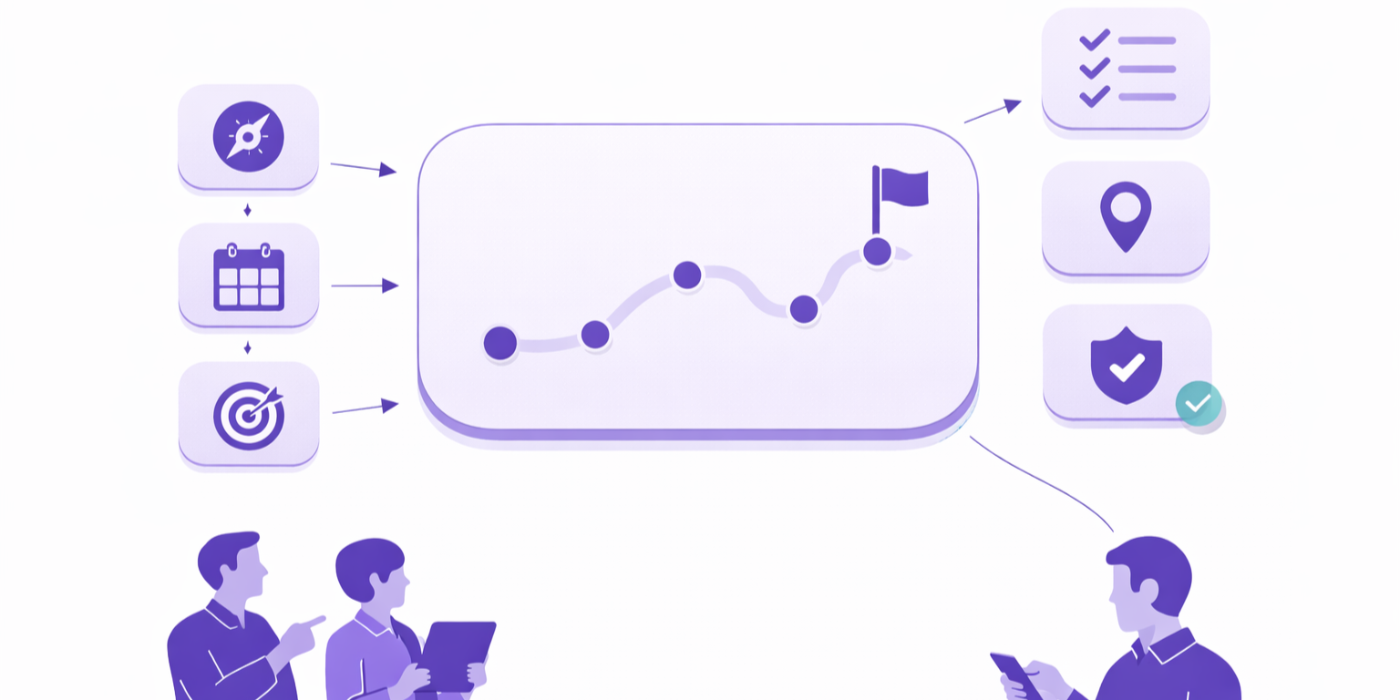
Life mapping is a structured way to help a client translate a messy inner world into a usable plan: priorities, constraints, tradeoffs, and a path forward that fits their real life. It’s not just reflection — it’s a decision tool. The best coaches use frameworks that reduce noise and create direction, which is why life mapping pairs perfectly with the updated logic behind the Wheel of Life reinvented, the goal-clarity of SMART goals 2.0, and the leverage of powerful questioning.
In 2026, most clients are drowning in fragmented inputs: content, wearables, notifications, “hacks,” and contradictory advice. The pain point isn’t a lack of information — it’s a lack of coherent meaning. Life mapping solves the “I know what to do but I don’t do it” loop by linking daily behavior to identity, values, and constraints — the same deeper mechanics behind how the world’s best coaches get results and the trust-building principles in why trust is the most valuable asset in coaching.
If your sessions sometimes feel like whack-a-mole — stress this week, diet next week, confidence the week after — life mapping gives you a single source of truth to return to. It creates a shared language for decisions, and it prevents “busywork coaching” that looks supportive but doesn’t change outcomes (a common trap covered in why coaches must avoid this trap). Done right, a client can explain their map in 60 seconds, and you can coach with precision instead of guessing.
2) The Repeatable Life Mapping Session Flow (So You Never “Wing It” Again)
A professional life mapping session is designed, not improvised. If you don’t have a consistent flow, clients feel the wobble — and wobble kills trust (especially for clients who’ve tried “coaching” that was just conversation). Start by anchoring your session structure using proven scaffolds like coaching session templates, then deepen execution with the communication secret behind successful coaching, and keep it clean with radical simplicity coaches are loving. Your goal is to make clarity feel inevitable.
Step 1: Map the reality (10–12 minutes). Ask for the real week, not the ideal week. Clients hide constraints because they fear judgment, so you must signal safety and practicality. Tie this to self-trust (see how to actually empower clients) and remind them the point is not perfection — it’s accuracy. If you coach career-driven clients, connect this “reality-first” mindset to how coaches avoid career-ending mistakes and to the standards mindset in the non-negotiable standards every coach must know.
Step 2: Extract the North Star (8–10 minutes). You’re not hunting for a goal; you’re extracting a direction with emotional truth and measurable proof. Use the “12-month proud” prompt from the table, then immediately constrain it with the client’s actual time and energy. This avoids fantasy goals and aligns beautifully with SMART goals 2.0, plus it helps clients see why this skill determines your coaching success (decision clarity) more than motivation ever will.
Step 3: Choose the keystone (10 minutes). Most clients fail because they start with too many changes. One keystone habit, one trigger, one minimum version. This is where your coaching earns money: you reduce complexity while increasing results — exactly the vibe behind the 1 coaching technique for breakthroughs and how to make it work every time. When clients feel their plan is doable, they finally stop ghosting.
Step 4: Write decision rules (8 minutes). This is a 2026 upgrade most coaches skip. Decision rules eliminate daily negotiation: “If it’s a work night, dinner is X,” or “If sleep was under 6 hours, workout is minimum version.” These rules reduce cognitive load and protect consistency — a key reason top coaches are obsessed with systems over inspiration. Pair this with why coaches need it more than ever 2026 to keep the map modern, not outdated.
Step 5: Turn the map into a 7-day contract (5 minutes). End with a micro-commitment that can’t fail. If your client leaves with “I’ll try,” you didn’t map — you chatted. Lock it in with a clear next action, a trigger, and a check-in question, then support follow-through using interactive coaching exercises and engagement mechanics from the future of client engagement 2026.
3) Turning a Life Map Into Weekly Execution (Where Most Coaches Lose Clients)
Here’s the harsh truth: clients don’t quit because they hate the map. They quit because the map doesn’t survive Tuesday. Execution fails at predictable points — stress spikes, schedule chaos, emotional eating, social friction, or one missed week that becomes a “spiral.” Your job is to pre-design those failure points, not react after the collapse. This is exactly why how coaches can actually change client diets focuses on real-world obstacles, and why the coaching skill you didn’t know you needed often turns out to be planning around friction.
Build a weekly scorecard that’s small but meaningful. Three metrics max. Examples: sleep nights ≥7h, workouts completed, “planned dinners” executed, or “stress reset” completed. Anything beyond that becomes guilt fuel. Keep the psychology clean using principles from the neuroscience-based method every coach needs now and behavior change structure from how to actually change your client’s life in 2026. Scorecards work because they create evidence, and evidence creates self-trust.
Use the “wins/misses/barriers” review — not a lecture. If a client misses, the wrong move is moralizing. The right move is mapping barriers: time, emotional state, environment, social pressure, unclear trigger, or unrealistic minimum version. This is where powerful questioning becomes a tool, not a performance. Ask: “What made the wrong thing easy?” and “What would make the right thing easier next week?” It turns blame into design.
Add one “protective constraint.” High-achievers love adding tasks; they rarely protect capacity. Add a stop-doing item or a boundary script weekly — one sentence they will use in the real world. This protects the map from social sabotage and aligns with how to set them and save your career (boundaries), while reinforcing the professional standards in the non-negotiable standards every coach must know.
Keep the experience engaging without turning it into a circus. Engagement is not “more content.” It’s better feedback loops. Use simple rituals (Wins Friday), micro-rewards, and short reflection prompts — consistent with gamification tools coaches are using and community reinforcement strategies from how to build an interactive coaching community online. When clients feel momentum, they stay.
4) How to Make Life Mapping Create Real Behavior Change (Not Just Insight)
If your life map doesn’t change behavior, it becomes a beautiful document that quietly fails. The fix is to treat life mapping like an operating system: inputs → decisions → actions → feedback. First, tighten your “action translation” by pairing mapping with execution frameworks from how to make it work every time and the outcome focus behind how one method is revolutionizing coaching. Then, apply pressure in the right place: not more tasks, but better triggers and lower friction.
Use “minimum versions” to break all-or-nothing thinking. Many clients don’t fail because they’re lazy; they fail because their plan requires the best version of them. Minimum versions keep identity intact during chaos: a 7-minute walk, a protein-first breakfast, a 2-minute breath reset, a 10-minute tidy to reduce stress eating. This is how you support real-world adherence, and it aligns with the practicality of radical simplicity and the deeper change mechanics in how to actually change your client’s life in 2026.
Map “stress → behavior” explicitly. The most expensive coaching mistake is treating stress like a mood instead of a trigger. Ask the stress-map prompt, then design a replacement behavior that is fast, available, and non-shaming. This is especially critical for nutrition coaching, where stress becomes snacks, doom scrolling, or skipping meals. Pair this with targeted approaches from how coaches can actually change client diets and identity reinforcement from why this skill determines your coaching success.
Use tech as a tool, not a personality. In 2026, clients are skeptical of “another app.” Use tech only to reduce friction: a simple check-in form, an auto-reminder, one habit tracker, one recap page. This fits the practical direction of how technology is completely transforming the coaching industry and the more advanced layer in how artificial intelligence is changing client interactions. The life map stays human; tech just supports consistency.
Build retention with a “weekly meaning loop.” Clients stay when they feel progress and meaning. Each week: 1) one win, 2) one barrier, 3) one adjustment, 4) one identity proof (“I’m the kind of person who…”). This is the simplest retention engine, and it aligns directly with the future of client engagement 2026 and the trust logic in why trust is the most valuable asset in coaching.

5) Advanced Life Mapping for Coaches: Special Cases That Separate Pros From Amateurs
Once you’ve mastered baseline life mapping, the real value is in how you handle clients with complexity: high-stress careers, ADHD patterns, chronic stop-start behavior, identity conflict, or clients who want a “complete life redesign” with zero tradeoffs. This is where you stop being a friendly guide and start becoming a professional operator — the kind of coach described in how coaches reach mastery and why they’re changing the game for coaches.
Case 1: The overwhelmed client who wants everything. Your move is to enforce tradeoffs with compassion. Pick one domain to stabilize first (sleep, schedule, stress resets). Then expand. Use a “season” concept: this quarter is for stability, next is for performance. This protects the client from self-betrayal and reinforces the standards in the non-negotiable standards every coach must know. It also aligns with modern coaching models in the future model every coach needs to adopt by 2026.
Case 2: The client who ghosts after week 2. This is rarely “they don’t care.” It’s usually shame, confusion, or too much complexity. Solve this by reducing scope: one habit, one check-in question, one tiny celebration ritual. Use engagement mechanics from interactive coaching exercises and reward loops from gamification tools. Also audit your own delivery: if your process depends on the client being organized, you’ll lose the clients who need you most.
Case 3: Identity conflict (who they are vs who they want to be). This is where life mapping becomes transformational. Clients don’t change when they have a plan; they change when they believe they’re allowed to become someone new. Build identity statements and evidence gathering, then reinforce it with the psychology behind the positive psychology framework and the leverage points in the neuroscience-based method. Keep it grounded: identity is proven through weekly actions, not affirmations.
Case 4: Career-focused clients who need strategy. Life mapping becomes career design when you map skills, constraints, energy, and decision rules. It’s especially powerful when paired with professional positioning content like health coach certification credentials—how to list on your resume and future-proof thinking from 2025 health coach certification trends. Even if you’re not a career coach, life mapping helps clients stop sabotaging work with health chaos (and vice versa).
6) FAQs: Life Mapping for Coaches (2026)
-
No. The Wheel of Life reinvented is a great awareness tool, but life mapping is an execution system: constraints, identity, decision rules, and a weekly contract. Wheel = diagnosis; map = diagnosis + treatment plan.
-
For most clients, 45–60 minutes is enough if you use a consistent structure like coaching session templates. For complex clients, do it in two parts: reality + North Star first, then keystone + decision rules second.
-
Don’t debate it. Constrain it. Use the “real week” audit, then rebuild the goal using SMART goals 2.0. The coach’s job is to make success achievable, not to approve fantasies.
-
Use keystone habit logic and a “season” approach. Tie it to radical simplicity and remind them that one stabilized domain often upgrades the whole system.
-
Stop treating it like motivation. Run a friction audit: trigger unclear, minimum version too big, environment sabotaging, stress pattern not addressed. Then use powerful questioning to redesign the habit around reality.
-
Yes — because behavior change usually fails at stress and environment, not knowledge. Pair mapping with practical diet coaching strategies from how coaches can actually change client diets and focus on one leverage behavior at a time.
-
Only if it reduces friction. A simple recap page, reminders, and check-ins can help — aligned with how technology is transforming coaching and the new layer of AI in client interactions. The map stays human; tools support consistency.
-
Weekly micro-updates (wins/barriers/adjustments) and a deeper refresh every 4–6 weeks. This is how you keep the map alive and aligned with the future of client engagement, not forgotten after one inspired session.
