
Using Surveys and Feedback Tools to Improve Coaching Outcomes
Surveys and feedback tools can either become a coach’s strongest source of clarity or just another pile of ignored data. The difference lies in how they are designed, when they are used, and whether they actually change coaching decisions. Many coaches ask clients for feedback too late, too vaguely, or too passively. They hear “everything’s good,” miss warning signs, and only discover problems after engagement drops, adherence weakens, or the client quietly leaves.
Used well, feedback tools do much more than measure satisfaction. They uncover friction, sharpen personalization, reveal blind spots, improve session quality, strengthen retention, and help coaches make better decisions with less guesswork. In a profession where outcomes often depend on nuance, consistency, and trust, structured feedback is not administrative fluff. It is one of the clearest ways to coach more intelligently, improve client experience, and build a practice that gets stronger instead of repeating the same hidden mistakes.
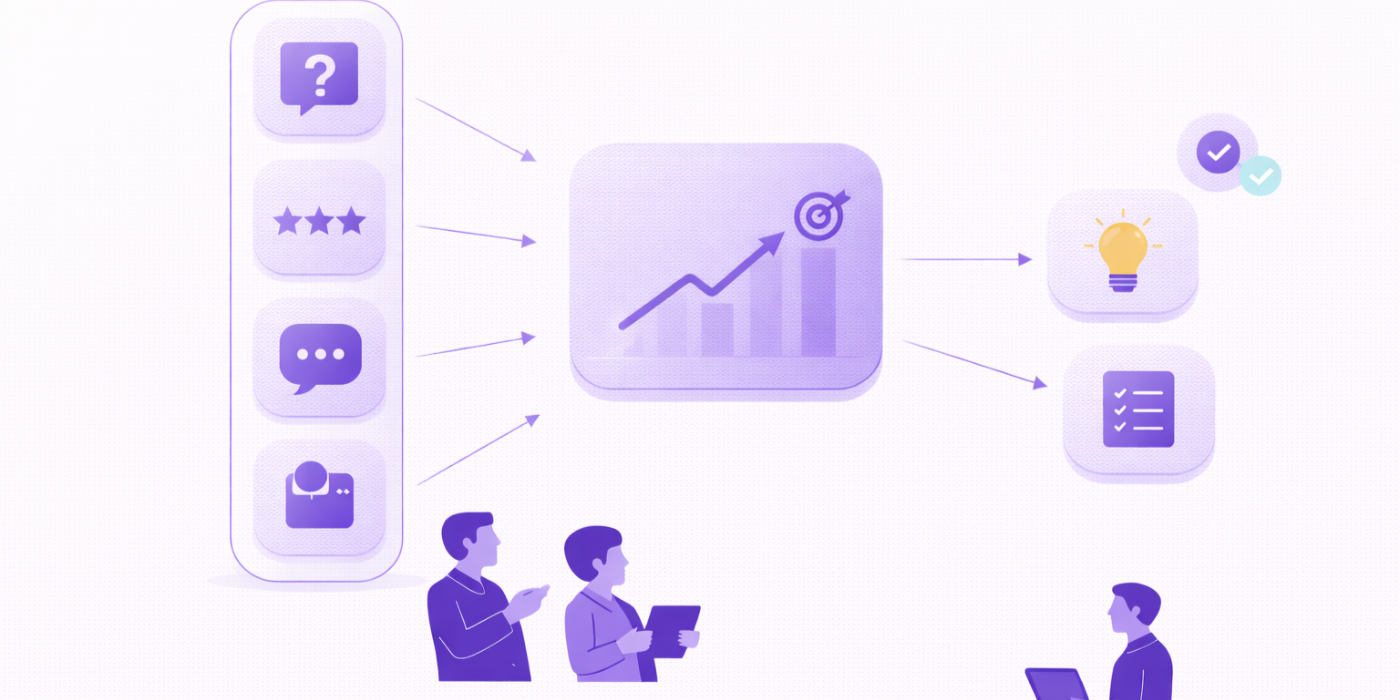
1. Why Surveys and Feedback Tools Matter More Than Most Coaches Realize
Many coaches assume they can “feel” whether the work is going well. Sometimes they can. Often they cannot. A client may sound positive during sessions while privately feeling confused, overwhelmed, under-challenged, or disconnected from the process. Another client may comply politely while silently doubting whether the coaching is helping. When a coach relies only on intuition, they miss the invisible layer where retention problems, resistance patterns, and trust erosion begin.
That is why structured feedback matters. It brings hidden information into the open before it becomes expensive. A good survey can reveal whether goals feel realistic, whether accountability feels supportive or heavy, whether session pacing is helping or overwhelming, whether communication between sessions is useful, and whether the client understands the purpose of the work at all. This connects directly with building deep trust: how to strengthen your client relationships, effective listening techniques that transform client conversations, the communication secret behind successful coaching, and communication techniques every coach should master. Feedback is not separate from coaching quality. It is one of the mechanisms that improves it.
Feedback tools also help coaches detect the difference between surface compliance and real progress. A client may complete worksheets, attend sessions, and say the right things, yet still fail to build meaningful change. Without good questions, a coach may misread participation as progress. Smart surveys uncover what is actually happening: which habits are sticking, which barriers are recurring, which support methods are working, and which interventions are landing flat. This makes coaching more precise and prevents the dangerous assumption that “if the client isn’t complaining, the process must be working.”
Another reason surveys matter is that they reduce coach-centered blind spots. Every coach has patterns they overuse. Some explain too much. Some under-challenge. Some move too fast. Some stay too abstract. Some ask strong questions but fail to design strong follow-through. When feedback is collected consistently, recurring themes become impossible to ignore. That is where real professional growth begins. Coaches improve faster when they can see the exact moments where their process creates friction. This pairs naturally with how coaches reach mastery, new data-proven coaching methods for maximum client success, how the world’s best coaches get results, and the coaching skill you didn’t know you needed.
Most importantly, surveys help the client feel seen in a more structured way. When clients notice that their feedback changes the coaching process, trust deepens. They stop feeling like they are being taken through a fixed program and start feeling like the work is genuinely responsive to their reality. That responsiveness often matters more than complexity. A coach who adapts intelligently based on feedback will usually create better outcomes than one who uses sophisticated frameworks rigidly. In that sense, feedback is not just measurement. It is a form of respect.
| Feedback Area | Question to Ask | Why It Matters | What It Reveals | Best Timing |
|---|---|---|---|---|
| Goal clarity | Do your current goals feel specific and achievable? | Prevents vague coaching plans | Direction and focus issues | Week 1 |
| Session usefulness | What part of today’s session felt most useful? | Shows immediate value | What is resonating | Post-session |
| Overwhelm | Did any part of this week’s plan feel too heavy? | Protects adherence | Load mismatch | Weekly check-in |
| Accountability fit | Does accountability feel supportive or stressful? | Improves retention | Support style mismatch | Week 2-4 |
| Barrier detection | What got in the way most this week? | Uncovers real friction | Patterns behind inconsistency | Weekly |
| Confidence level | How confident do you feel about following through? | Predicts drop-off risk | Readiness and self-trust | Before action planning |
| Emotional safety | Do you feel comfortable being honest in sessions? | Strengthens trust | Relational safety issues | Month 1 |
| Pacing | Are we moving too fast, too slow, or at the right pace? | Improves personalization | Session tempo fit | Monthly |
| Tool usefulness | Which tools or exercises have helped most? | Improves intervention choice | Best-fit methods | Monthly |
| Tool friction | Which exercises felt unhelpful or hard to use? | Stops wasted effort | Interventions to remove | Monthly |
| Session structure | Do sessions feel clear and well organized? | Boosts professionalism | Delivery quality gaps | Month 1 |
| Reflection quality | Are our discussions helping you think differently? | Measures mindset value | Insight depth | Monthly |
| Action clarity | Do you leave sessions knowing exactly what to do next? | Prevents drift | Weak next-step design | Post-session |
| Energy impact | Do coaching sessions leave you energized or drained? | Improves client experience | Emotional load pattern | Monthly |
| Obstacle accuracy | Do you feel we are addressing the real issue? | Sharpens coaching focus | Misdiagnosis risk | Mid-program |
| Communication between sessions | Is between-session support helpful and manageable? | Improves adherence systems | Support overload or under-support | Month 1 |
| Habit traction | Which habit feels easiest to sustain right now? | Identifies momentum | What can be reinforced | Weekly |
| Consistency barriers | What makes consistency hardest right now? | Targets friction precisely | Environmental or emotional blocks | Weekly |
| Motivation style | What type of encouragement works best for you? | Personalizes support | Coaching tone preferences | Early phase |
| Boundary comfort | Do our boundaries and expectations feel clear? | Prevents confusion | Professional clarity gaps | Onboarding + review |
| Progress visibility | Can you clearly see the progress you’ve made? | Builds motivation | Need for stronger reflection | Monthly |
| Program fit | Does this coaching format fit your life realistically? | Improves retention | Offer structure problems | Month 1 |
| Session challenge level | Do you feel appropriately challenged? | Improves stretch without overload | Under-challenging or pressure issues | Monthly |
| Coach clarity | Are my explanations and reflections clear to you? | Improves communication precision | Coach delivery blind spots | Monthly |
| Resource relevance | Are the resources I share practical for your real life? | Avoids content overload | Resource mismatch | Monthly |
| Readiness shifts | Has your motivation changed since we started? | Tracks evolving engagement | Need to adjust approach | Mid-program |
| Self-awareness growth | What have you learned about yourself through coaching? | Captures deeper value | Identity-level shifts | Monthly |
| Referral likelihood | Would you recommend this coaching experience to someone similar? | Measures trust and satisfaction | Overall experience quality | Mid + end program |
| Exit insight | What would have improved this experience even more? | Creates upgrade opportunities | Retention and delivery gaps | End of program |
| Outcome confidence | How confident are you that you can sustain these changes? | Measures long-term durability | Need for follow-up support | Closing phase |
2. What Types of Surveys and Feedback Tools Coaches Should Actually Use
One of the biggest mistakes coaches make is lumping all feedback into one generic form. That produces shallow answers because different coaching moments require different kinds of questions. A post-session pulse check should not look like a monthly progress survey. An onboarding questionnaire should not look like an exit reflection. A client who has just finished a difficult session needs a different prompt than a client evaluating program fit after six weeks.
The most useful feedback system usually includes at least five layers. The first is the onboarding survey. This is where you gather expectations, readiness, communication preferences, obstacles, and patterns before coaching fully begins. Done well, it prevents misalignment early. It helps you identify whether the client needs more structure, more reflection, more accountability, more emotional safety, or more practical simplification. This works especially well when paired with essential first steps for new coaches, coaching leadership skills: how to lead and inspire clients, how to build a successful coaching practice from scratch, and creating a standout coaching business plan.
The second is the post-session feedback form. This should be short, specific, and easy to complete. The goal is not to extract essays. The goal is to capture what landed, what felt unclear, and what the client is taking forward. This kind of tool helps coaches improve session design in real time. If several clients repeatedly say they leave inspired but fuzzy on next steps, that is not a motivation problem. It is a coaching-clarity problem. That insight can sharpen your delivery faster than months of guesswork.
The third is the weekly check-in. This is one of the most important feedback tools in coaching because it captures the messy reality between sessions. Clients rarely struggle because they forgot what was said. They struggle because life happened, energy dipped, old patterns resurfaced, and their environment pushed back. A strong weekly form uncovers adherence gaps, emotional friction, logistical problems, and readiness shifts before the next live session. This reinforces the kind of work described in how to inspire clients to take immediate action, effective strategies for reinforcing positive client behaviors, how to make it work every time, and the 1 coaching technique for client breakthroughs.
The fourth is the monthly or milestone review survey. This is where you zoom out. Is the client seeing progress? Does the pace feel right? Are the tools useful? Does the program still fit their needs? Are there new barriers emerging? These longer-arc questions help the coach avoid operating on stale assumptions. A client who loved a certain approach in week one may find it exhausting by week six. Another may need more challenge after building confidence. Coaching quality often rises when review surveys catch these shifts early.
The fifth is the exit survey. Many coaches either skip this entirely or turn it into a testimonial request. That is a waste. Exit feedback should help you understand what made the process effective, what almost caused drop-off, what the client wishes had happened earlier, and what would have made the experience even stronger. This kind of data is gold for improving retention, refining offers, and strengthening future outcomes. It also feeds beautifully into client testimonials capture: the ultimate 2026 guide for coaches, building and monetizing your coaching blog, email marketing strategies for coaches, and social media mastery for health and life coaches when used ethically.
3. How to Design Feedback Questions That Reveal Real Coaching Problems
A survey is only as useful as the quality of its questions. Many coaching feedback forms fail because they ask vague, flattering, or low-pressure questions that invite polite answers instead of useful truth. “Did you enjoy the session?” may feel safe, but it does not tell you whether the session created clarity, momentum, challenge, or confusion. Coaches need better questions if they want better data.
The first principle is to ask about behavior, not just opinion. Instead of asking whether the client “liked” the coaching, ask whether they left with a clear next step, whether the weekly plan felt realistic, or whether they actually used the tools provided. Behavior-based questions reveal functional quality. They show whether the coaching is translating into action. This aligns closely with smart goals 2.0: how top coaches set and achieve client goals, coaching session templates to boost your productivity instantly, how to actually empower clients real results, and how to actually change your clients life in 2026.
The second principle is to ask about friction directly. Clients often do not volunteer discomfort unless invited. That means your forms should explicitly ask what felt hard, unclear, heavy, unrealistic, repetitive, or unhelpful. Coaches who avoid these questions often do so because they fear criticism. But criticism is exactly what protects outcomes. The goal is not to hear that everything feels amazing. The goal is to discover what is getting in the way of change while there is still time to adjust.
The third principle is to use scale questions intelligently. Rating scales can be powerful when tied to a meaningful dimension such as confidence, clarity, energy, honesty, readiness, or perceived progress. On their own, however, numbers are not enough. Always pair scale questions with a short follow-up prompt like “What made you choose that number?” or “What would move it one point higher?” That is where the useful nuance appears. A client who rates confidence as 5 out of 10 may reveal that the real issue is not motivation, but unpredictability at home, unclear planning, or fear of disappointing themselves again.
The fourth principle is to design for honesty. Clients are more likely to give real feedback when the questions feel non-defensive and the environment feels safe. That means phrasing matters. “What could I adjust to make this more helpful?” is often better than “Was I helpful?” “Which part of the process feels least useful right now?” is better than “Do you like the process?” The wording should signal that adaptation is welcome. This supports the relational depth described in why trust is the most valuable asset in coaching, managing difficult client conversations with ease, conflict resolution strategies every coach needs, and techniques for maintaining professional boundaries with clients.
The fifth principle is to avoid survey bloat. Coaches sometimes create giant forms that feel like homework. That hurts completion rates and reduces honesty because clients rush through them. A better feedback system uses short, targeted tools at the right moments. The burden should feel light enough that clients answer thoughtfully, not mechanically.
4. How to Turn Survey Responses Into Better Coaching Decisions
Collecting feedback is easy compared with using it well. Many coaches gather responses, read them once, nod thoughtfully, and then change nothing. That turns feedback into theater rather than improvement. The real advantage comes when survey answers alter your coaching decisions, your program structure, and your client communication in visible ways.
Start by sorting responses into four categories: clarity, adherence, experience, and strategy. Clarity feedback tells you whether clients understand goals, next steps, and the purpose of exercises. Adherence feedback shows whether plans are realistic and sustainable. Experience feedback captures trust, pacing, emotional safety, and support style. Strategy feedback reveals whether the underlying methods are working or whether you are solving the wrong problem. Organizing the data this way helps you see patterns instead of reacting to every comment as an isolated event.
Next, look for recurring friction rather than isolated preference. If one client dislikes journaling, that may just be a fit issue. If eight clients say your tools feel too time-heavy, your system may be bloated. If several clients say sessions are insightful but hard to translate into action, your issue may be implementation design. This is where feedback becomes a diagnostic tool for your coaching model, not just an evaluation of client mood. It supports stronger decisions around daily journaling prompts, gratitude journal coaching, life mapping, and affirmation cards because it helps you see which tools are truly serving clients and which are just conceptually attractive.
You should also distinguish between what clients want and what they need. Feedback should inform your coaching, not replace your judgment. A client may want less challenge when what they actually need is more structure delivered with more safety. Another may want more flexibility when the deeper issue is avoidance. The value of feedback lies in interpretation, not obedience. Coaches improve outcomes when they combine client data with professional discernment.
One of the best ways to use survey data is to create feedback-triggered adjustments. For example, if confidence drops below a certain threshold, simplify the plan. If a client says they do not know what to do after sessions, strengthen your recap process. If emotional safety scores dip, slow the pace and revisit trust-building. If several clients report support fatigue, reduce between-session demands. These predefined responses make your coaching more responsive and reduce the temptation to improvise poorly.
Finally, close the loop with the client. Let them know what you adjusted and why. This matters because feedback only strengthens trust when the client can see that it had an effect. That could mean saying, “You mentioned that the weekly check-ins felt too heavy, so I simplified them,” or “You said you wanted more clarity leaving sessions, so I’m adding a cleaner action summary.” This kind of response deepens engagement and reinforces the feeling that the coaching is genuinely collaborative.

5. The Best Ways to Build a Feedback Culture That Improves Retention and Results
A single survey does not create a feedback culture. A feedback culture exists when reflection, adjustment, and responsiveness become normal parts of the coaching relationship. In that kind of environment, clients do not feel awkward telling the truth, and coaches do not feel threatened by hearing it. That combination is powerful because it reduces hidden tension and increases the odds of durable change.
The first step is expectation-setting. Tell clients from the beginning that feedback is part of the process, not a special event reserved for problems. When clients know they will be asked what is helping, what is not, and what needs adjustment, they become more observant and more honest. This strengthens the onboarding experience and supports the kind of professionalism described in the non-negotiable standards every coach must know, how certification differentiates your health coaching business, how certification enhances your coaching credibility, and understanding certification standards across organizations.
The second step is to normalize imperfection in the process. Clients are far more likely to give useful feedback when they sense you are not trying to defend a flawless system. If your tone suggests that your program should already work perfectly, clients will often protect you with politeness. If your tone suggests that coaching is collaborative and iterative, clients are more likely to tell you the truth. That truth is what protects outcomes.
The third step is to reward honesty with thoughtful adjustment, not overreaction. If a client says a tool is not helping, do not become defensive or immediately scrap your whole system. Explore the issue. Was the tool mismatched, mistimed, too complex, or poorly explained? Feedback culture gets stronger when clients see that honesty leads to better coaching, not emotional tension. This kind of maturity is closely tied to how coaches avoid career-ending mistakes, why coaches must avoid this trap, how to set them and save your career, and why trust is the most valuable asset in coaching.
The fourth step is to track patterns across clients, not just within one relationship. A feedback culture improves business quality when it shapes systems. If multiple clients consistently praise your recap emails, that is a strength to formalize. If multiple clients say your resource library is too overwhelming, that is a design issue to fix. If many clients say a certain question changed how they think, that is a coaching asset worth doubling down on. Over time, these patterns help you refine your brand promise, your offer design, and your delivery process.
The fifth step is to use feedback as a growth engine, not just a troubleshooting tool. Feedback should not only alert you to problems. It should also reveal what creates your best outcomes. Which structures increase follow-through? Which support styles deepen trust? Which questions unlock the most self-awareness? Which program formats fit your clients’ lives best? When you know that, you stop improving randomly and start improving with evidence. That is how retention, referrals, and outcomes compound.
6. FAQs About Using Surveys and Feedback Tools to Improve Coaching Outcomes
-
Coaches should gather feedback at multiple points rather than relying on one big form. A strong rhythm often includes onboarding feedback, brief post-session check-ins, weekly progress forms, monthly review surveys, and an exit survey. The right frequency balances usefulness with client capacity. Too little feedback leaves blind spots. Too much creates fatigue.
-
The most important feedback is the kind that affects coaching decisions. Questions about clarity, follow-through, overwhelm, trust, pace, and usefulness usually matter more than broad satisfaction questions. You need feedback that helps you improve outcomes, not just confirm that the client likes you.
-
That usually means the questions are too broad, the environment does not feel fully safe, or the client does not believe feedback will change anything. Ask more specific questions about friction, clarity, and usefulness. Use neutral wording. Then visibly act on what you hear so clients learn that honesty matters.
-
You need both. Formal surveys help with pattern tracking and milestone reviews. Simple check-ins help you stay responsive between sessions. The strongest coaching systems use a mix of short and structured tools depending on the moment and the purpose.
-
They can absolutely improve outcomes when used well. Good feedback tools reveal why plans are failing, why motivation is dropping, why tools are not landing, and where trust may be weakening. That allows coaches to intervene earlier and more accurately, which improves real-world progress rather than just client sentiment.
-
Common mistakes include asking vague questions, collecting too much data, using one generic form for everything, ignoring survey results, becoming defensive about criticism, and failing to tell clients how feedback changed the process. Any of those mistakes can turn a useful tool into empty administration.
-
Treat negative feedback as valuable signal, not personal attack. Look for the underlying issue. Clarify whether the problem is pacing, clarity, fit, challenge level, tool design, or communication style. Then make a measured adjustment and close the loop with the client. Handled well, negative feedback often strengthens trust.
-
They help by improving client outcomes, increasing retention, strengthening referrals, refining offers, and generating more credible messaging. When you know what clients truly value and where they struggle most, your coaching becomes sharper and your marketing becomes far more believable.
