
Client Session Recording Tools: The Ultimate 2026 Guide for Coaches
Coaches are losing outcomes, trust, and retention for a simple reason: great conversations disappear after the call. If your client leaves inspired but forgets the exact reframe, action step, or commitment by Tuesday, your session quality no longer matters. In 2026, session recording tools are not a “nice-to-have”—they are part of delivery infrastructure. Used correctly, they improve follow-through, reduce admin load, protect boundaries, and make your coaching more consistent, scalable, and measurable.
The real advantage is not recording itself. It is building a repeatable system where recordings become clarity, clarity becomes action, and action becomes results. This guide shows you exactly how to choose, implement, and use session recording tools without becoming robotic, intrusive, or over-automated.
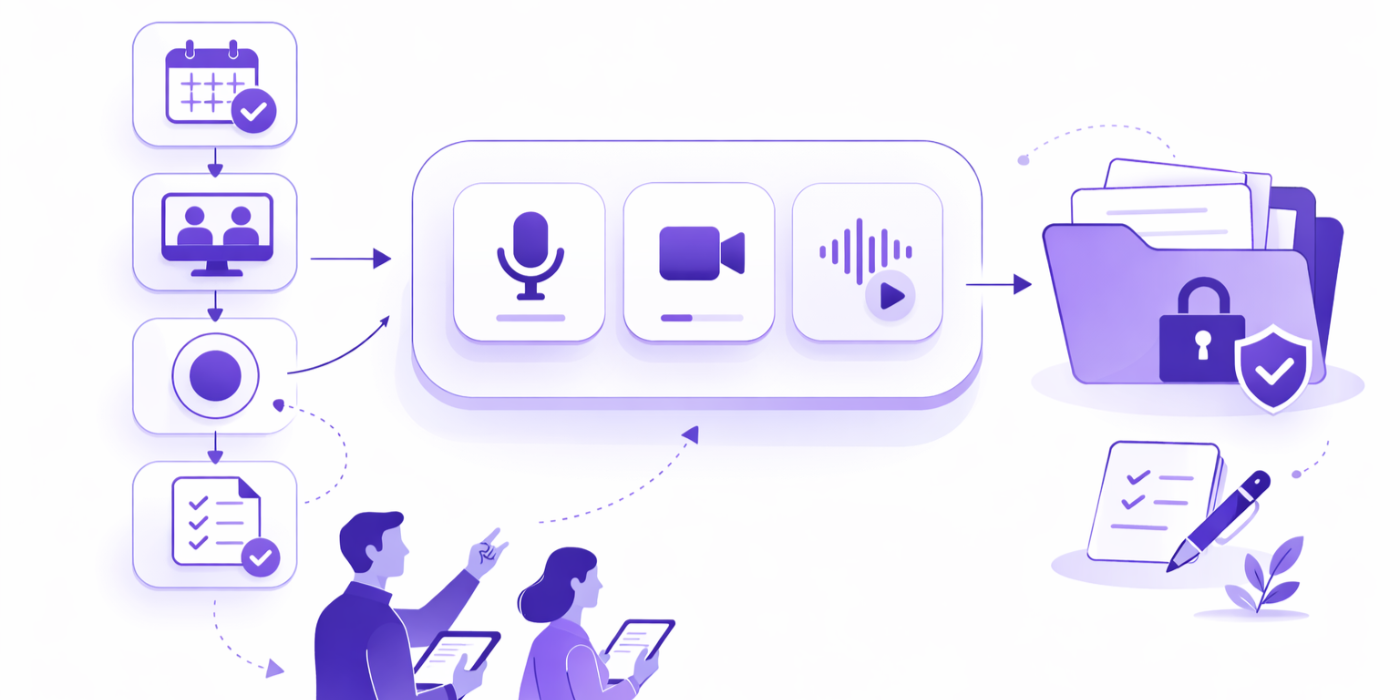
1) Why Session Recording Tools Matter More Than Ever in 2026
Most coaches do not have a “coaching quality” problem. They have a retention and recall problem. Clients nod in session, feel motivated, then re-enter noisy lives and lose the thread. That breakdown creates the illusion that the client is “not committed,” when the actual issue is weak reinforcement systems.
This is why session recording tools now sit beside best coaching software & platforms for client management in 2025, virtual coaching tools boosting your remote session effectiveness, video conferencing hacks for flawless online coaching sessions, and coaching session templates to boost your productivity instantly as core delivery assets—not optional upgrades.
A good recording workflow helps you:
Preserve exact client language (key for pattern recognition)
Catch missed commitments and vague goals
Create faster recap workflows using summaries
Reduce repetitive “What did we agree last time?” conversations
Improve continuity across long coaching arcs
Support clients who process by rewatching/listening
Strengthen ethical documentation (when consent and boundaries are clear)
It also integrates naturally with building your coaching toolkit essential templates and checklists, creating a coaching resource library your clients will love, interactive coaching exercises to keep clients motivated, and automated email sequences the ultimate 2026 guide for coaches when you want reinforcement beyond the live call.
The mistake many coaches make is using recordings as passive archives. The best coaches use them as behavior-change tools. A recorded session with no indexing, no recap, and no next-step extraction is just storage cost. A recorded session with timestamps, client commitments, and one action plan becomes momentum. That is the difference between “content” and coaching infrastructure—exactly the shift discussed in how technology is completely transforming the coaching industry, the future model every coach needs to adopt by 2026, balancing human touch with coaching automation for optimal results, and how artificial intelligence is changing client interactions forever.
And yes, there is a trust angle. Done poorly, recording feels invasive. Done correctly—with consent, transparency, and purpose—it signals professionalism, continuity, and care. That aligns directly with why trust is the most valuable asset in coaching, building deep trust how to strengthen your client relationships, the non-negotiable standards every coach must know, and coaching confidentiality how to protect your clients and your practice.
2) How to Choose the Right Recording Tool Without Getting Trapped by Features
Coaches often choose tools the way overwhelmed shoppers buy supplements: by marketing claims, not workflow fit. The result is predictable—high monthly cost, low adoption, and a stack of disconnected apps. The better approach is to choose based on delivery model first, then features.
Start by defining your coaching context:
1:1 only or 1:1 + group?
Video-first, audio-only, or hybrid?
Do clients actually rewatch sessions—or only want recaps?
Do you need transcripts for your note system?
Are you coaching sensitive topics where recording should be selective?
Do you need recordings inside a client portal?
These questions connect directly to the systems in how to build an interactive coaching community online, best practices for creating interactive coaching workshops, how to create engaging coaching content clients love, and free & premium coaching resources to boost your practice, because your recording tool should support the client experience you are promising—not force a different one.
The 5 filters that prevent expensive mistakes
1) Replay behavior fit (most ignored factor)
If your clients are busy professionals, they usually will not rewatch 60 minutes. They need clips, summaries, and action items. In that case, prioritize transcript search, highlights, and recap delivery over cinematic video quality. This aligns with helping clients manage work-life balance successfully, effective strategies for coaching clients through burnout, how to inspire clients to take immediate action, and effective strategies for reinforcing positive client behaviors.
2) Consent and confidentiality readiness
If your tool makes secure sharing and access control complicated, it will eventually create a trust problem. Coaching conversations can contain health, relationship, grief, career, or trauma-adjacent disclosures. Your system must reflect the standards discussed in the ultimate guide to ethical coaching principles you cant ignore, managing dual relationships essential ethics for coaches, how to set clear professional boundaries with coaching clients, and ethical dilemmas coaches face and how to solve them gracefully.
3) Integration with your current workflow
A brilliant recording feature is useless if it lives outside your booking, session notes, and follow-up system. Look for a tool that supports your process in coaching session templates to boost your productivity instantly, building your coaching toolkit essential templates and checklists, automated email sequences the ultimate 2026 guide for coaches, and client testimonials capture the ultimate 2026 guide for coaches.
4) Simplicity under pressure
If starting/stopping recording takes too much attention, your presence drops. Coaching quality suffers. The tool should disappear into your delivery flow, just like the communication discipline in the communication secret behind successful coaching, communication techniques every coach should master, effective listening techniques that transform client conversations, and managing difficult client conversations with ease.
5) ROI measured in time + client follow-through
Do not evaluate tools only by subscription cost. Measure:
Minutes saved per session in note-taking
Recap turnaround time
Client replay rate
Action completion rate
Retention and renewal changes
This is the same operational mindset behind new data proven coaching methods for maximum client success, exclusive 2025 coaching industry report key trends & insights, coaching market size forecast massive growth opportunities by 2030, and comprehensive analysis the most profitable coaching niches today.
2) The Best Use Cases for Session Recordings in Real Coaching Practice
The highest-value use of session recordings is not “archive everything.” It is designing specific outcomes around replay, reflection, and reinforcement. Below are the most practical use cases that actually improve client results.
1) Post-session recaps that reduce implementation drop-off
Many clients leave with insight but no execution sequence. Recordings solve this only if you convert them into a structured recap:
What the client realized
What they committed to
What obstacle they expect
What they will do before next session
What support resource to review
That workflow pairs perfectly with smart goals 2.0 how top coaches set & achieve client goals, the wheel of life reinvented strategies for coaching mastery, interactive coaching exercises to keep clients motivated, and creating a coaching resource library your clients will love.
2) Pattern spotting across multiple sessions
When coaches re-listen with intention, patterns become obvious:
recurring avoidance language
inconsistent identity statements
hidden perfectionism
blame loops
boundary slippage
motivation tied to external validation
This is where recordings amplify frameworks from appreciative inquiry the ultimate 2026 guide for coaches, solution-focused brief coaching sfbc the ultimate 2026 guide for coaches, transactional analysis ta the ultimate 2026 guide for coaches, and neuro-linguistic programming nlp techniques every coach should master.
3) Client self-review for faster self-awareness
A client hearing their own language can be more powerful than ten coach explanations. It improves ownership and reduces dependency. This works especially well when combined with daily journaling prompts the ultimate 2026 guide for coaches, life mapping the ultimate 2026 guide for coaches, gratitude journal coaching the ultimate 2026 guide for coaches, and affirmation cards the ultimate 2026 guide for coaches.
4) Quality control for your own coaching craft
Recording review is one of the fastest ways to improve your coaching:
Are your questions too long?
Are you rescuing too early?
Are you over-teaching?
Are you failing to close with precise commitments?
Are you interrupting emotional processing?
This is how coaches move toward the standards in how coaches reach mastery, the coaching skill you didnt know you needed, why top coaches are obsessed, and how the worlds best coaches get results.
5) Group and cohort reinforcement
In group coaching, recordings become a retention asset when clients miss live sessions. But this requires clear group consent, playback rules, and context framing. Pair recording drops with prompts, discussion threads, and small implementation tasks using ideas from how to build an interactive coaching community online, gamification tools coaches are using for maximum engagement, best practices for creating interactive coaching workshops, and the future of client engagement 2026.
4) How to Implement Session Recording Tools Without Breaking Trust or Boundaries
This is where many coaches fail. They buy the tool, turn on recording, and assume clients will appreciate the convenience. Some do. Others immediately feel watched, exposed, or uncertain about how the file will be used. Trust is not protected by your intentions—it is protected by your process.
The trust-first rollout framework
1) Explain the purpose in client-centered language
Do not say, “I record for my notes.” Say:
“I use recordings to help you remember your breakthroughs, commitments, and next steps, and to reduce admin friction so I can stay more present in session.”
This reinforces the client benefit and matches the relationship-building principles in building deep trust how to strengthen your client relationships, the communication secret behind successful coaching, the art of powerful questioning in coaching, and powerful questioning techniques that transform coaching sessions.
2) Make consent specific, not vague
Your consent process should clarify:
whether sessions are recorded by default
whether recording is audio/video or both
where recordings are stored
who can access them
how long they are retained
whether clients can opt out
how to pause recording during sensitive moments
This protects both you and the client and aligns with coaching confidentiality how to protect your clients and your practice, how to set clear professional boundaries with coaching clients, techniques for maintaining professional boundaries with clients, and the ultimate guide to ethical coaching principles you cant ignore.
3) Build a “pause protocol” for emotionally sensitive sessions
Some sessions include trauma-adjacent topics, grief, relationship conflicts, or mental health distress. In these moments, continuing to record can reduce safety. Your script should normalize pausing:
“We can pause recording for this part if you’d prefer.”
That is especially important if your niche overlaps with themes discussed in coaching clients through grief and loss compassionate strategies, how coaches can support clients with ptsd and trauma, the importance of self-care coaching for client mental health, and stress management techniques every coach should know.
4) Separate recording from surveillance
Clients should never feel like recordings are being used to judge, shame, or “catch” them. Position the tool as a support mechanism for reflection and progress, consistent with how to actually empower clients real results, the 1 coaching technique for client breakthroughs, how to actually change your clients life in 2026, and how coaches can actually change client diets.
5) Keep the client-facing output simple
Do not send a raw 60-minute file and call it support. Send:
1 short recap
1–3 action items
1 optional replay cue (“relisten from minute 21–28”)
1 reinforcement resource
This integrates beautifully with interactive coaching exercises to keep clients motivated, how to create engaging coaching content clients love, creating a coaching resource library your clients will love, and podcast resources that keep coaches ahead of industry trends.

5) A Practical 30-Day System to Turn Recordings Into Better Outcomes and Higher Retention
The tool itself will not improve your coaching business. The system will. Below is a lean 30-day implementation plan that coaches can run without drowning in setup.
Week 1: Build the foundation (do not optimize yet)
Focus on one workflow only:
Get consent
Record session
Generate transcript (or notes)
Send recap in 24 hours
Use one standard template and keep it simple. This phase should connect to your existing delivery framework in coaching session templates to boost your productivity instantly, building your coaching toolkit essential templates and checklists, launch your successful health coaching career complete roadmap, and step-by-step guide how to become a certified life coach.
What to avoid: advanced automations, too many tags, multiple tools, custom dashboards.
Week 2: Improve follow-through, not features
Now add a consistent “commitment extraction” step. Every recap should include:
Client’s own words (1 quote)
The exact next action
The trigger (when/where they’ll do it)
The expected barrier
The backup plan
This directly supports the behavior design focus in how to inspire clients to take immediate action, effective strategies for reinforcing positive client behaviors, the neuroscience-based method every coach needs now, and why coaches are embracing this positive change model.
Week 3: Add client replay prompts strategically
Clients do not need “watch the full session.” They need targeted prompts:
“Replay minutes 14–18 before your Monday planning block.”
“Rewatch the section where you defined your boundary script.”
“Listen to your own words on what success looks like.”
This amplifies the impact of mindfulness and meditation techniques for emotional coaching, inner critic management techniques the ultimate 2026 guide for coaches, the positive psychology framework is revolutionizing coaching in 2026, and why this skill determines your coaching success.
Week 4: Measure what actually changed
At the end of 30 days, review:
recap delivery time
client action completion rate
client retention/renewal signals
session continuity (“less time spent rehashing?”)
your own admin time and mental load
If outcomes improved, expand carefully. If not, simplify further. This data-driven iteration mindset mirrors 15 must-have coaching tools every professional needs in 2025, the 10 best coaching apps every professional should know, best coaching software & platforms for client management in 2025, and the future model every coach needs to adopt by 2026.
The key principle: record less, use better. Coaches who indiscriminately store everything create noise. Coaches who extract insight and action create transformation—and that is what clients pay to continue.
6) FAQs About Client Session Recording Tools for Coaches
-
Not necessarily. Record based on client consent, topic sensitivity, and actual coaching value. Some clients benefit from replay and transcript review; others prefer short recaps only. A smart policy is “record when it supports outcomes,” not “record everything because the feature exists.” Use clear expectations, opt-out options, and boundaries—especially when sessions touch emotionally sensitive material or confidentiality concerns.
-
For most coaches, the transcript + recap is more valuable than the raw recording because it is easier to search, summarize, and turn into action steps. The recording still matters for tone, emotional nuance, and client self-review, but the transcript is usually where continuity and follow-through improve fastest. The best setup uses both: recording for context, transcript for execution.
-
Lead with client benefit, get explicit consent, explain storage/retention, and normalize a pause option. Trust drops when the process is vague. Trust increases when the process is transparent and professional. Clients are often comfortable with recording when they understand exactly why it helps them and how their privacy is protected.
-
Yes—if you use them to create better recaps, extract commitments, and identify patterns across sessions. Even when clients do not rewatch, recordings can reduce your admin burden and improve coaching continuity. If replay rates are low, shift to timestamped clips and targeted prompts rather than sending full-session files.
-
Keep it tight and useful:
core insight/breakthrough
1–3 action steps
timeline or trigger
likely obstacle + backup plan
optional replay timestamp
one supporting resource
This format prevents overwhelm and improves implementation far more than sending a raw recording alone.
-
Absolutely. Reviewing sessions reveals your coaching habits: overtalking, weak follow-through questions, unclear goal framing, rescuing, or missed emotional cues. Recording review is one of the fastest feedback loops for improving presence, precision, and outcomes—especially when paired with a consistent self-audit checklist.
