
Understanding Ethical Responsibilities as a Health & Life Coach
Ethics is not a side topic in coaching. It is the operating system underneath every question you ask, every promise you make, every note you store, every boundary you set, and every referral you do—or fail to do. Many coaches lose trust not because they lack passion, but because they confuse support with treatment, encouragement with pressure, and client care with overinvolvement. Ethical clarity protects the client, protects the coach, and protects the long-term credibility of the profession.
If you want a coaching practice that lasts, ethics has to move from vague intention to daily behavior. That means understanding scope, consent, confidentiality, documentation, communication, marketing integrity, and referral judgment at a working level. The coaches who build durable trust usually combine strong standards with strong skill. That is why developing communication techniques every coach should master, building deep trust, and techniques for maintaining professional boundaries with clients is not optional—it is ethical practice in action.
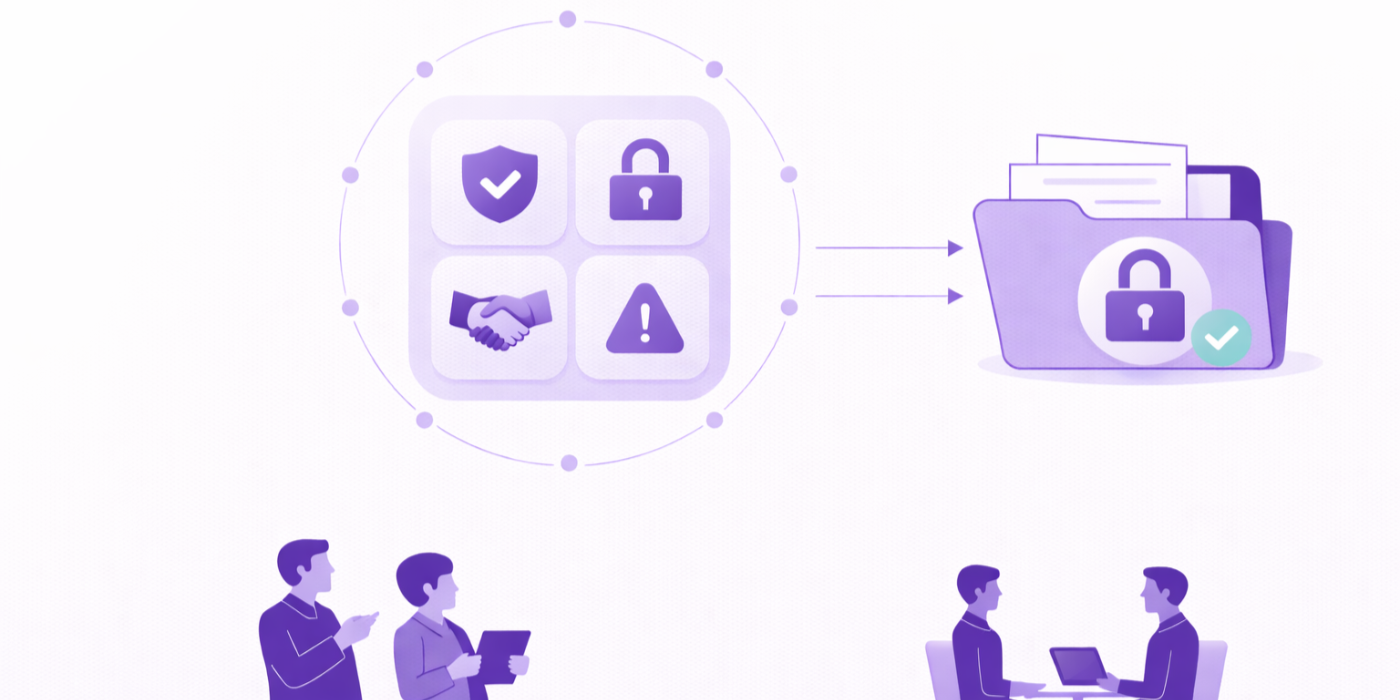
1. Why ethics is the foundation of real coaching credibility
A coach’s ethical responsibilities begin long before a difficult client situation appears. They begin in how you position your role, explain your process, describe likely outcomes, and define what coaching can and cannot do. Many new coaches focus heavily on methods, certifications, and session flow, but ignore the invisible trust contract a client is signing emotionally. The client is asking: Are you safe? Are you honest? Will you stay in your lane? Will you respect my autonomy? Will you protect my private information? Will you tell me the truth when coaching is not enough?
That is why ethical practice is tightly connected to how certification enhances your coaching credibility, the non-negotiable standards every coach must know, and understanding certification standards across organizations. Credentials matter partly because they force coaches to engage with standards instead of improvising them. But credentials alone do not make a coach ethical. Ethical coaching shows up when you resist overpromising in marketing, avoid dependency-based relationships, refuse to exploit client vulnerability, and use a process that honors consent and clarity.
One of the biggest trust killers in coaching is role confusion. A client comes to improve energy, confidence, boundaries, weight-related habits, stress management, or career-life alignment. A coach, eager to help, gradually starts analyzing trauma, interpreting psychiatric symptoms, giving nutrition advice beyond training, or acting like the client’s savior. This is where preventable harm begins. Reading how coaches avoid career-ending mistakes, why coaches must avoid this trap, and how to set them and save your career makes one truth obvious: ethical failure often starts with good intentions plus poor boundaries.
Ethics also determines retention. Clients stay when they feel respected, not managed; supported, not judged; guided, not controlled. A coach who uses effective listening techniques that transform client conversations, the art of powerful questioning in coaching, and powerful questioning techniques that transform coaching sessions ethically creates ownership instead of compliance theater. That distinction matters because coerced progress rarely lasts, while autonomous progress becomes identity-level change.
| Area | What It Means | Common Risk | Best Practice | Why It Matters |
|---|---|---|---|---|
| Scope of practice | Stay within training and role | Acting like therapist or clinician | Define services clearly in writing | Prevents harm and liability |
| Informed consent | Client understands process and limits | Vague expectations | Use signed onboarding agreement | Reduces confusion and disputes |
| Confidentiality | Protect private client information | Casual oversharing | Explain privacy rules up front | Builds safety and trust |
| Data storage | Secure notes and recordings | Weak password habits | Use protected systems only | Protects sensitive information |
| Marketing claims | Represent outcomes honestly | Promising guaranteed results | Use accurate language and disclaimers | Preserves professional integrity |
| Testimonials | Use social proof ethically | Pressure clients for praise | Ask with clear permission | Avoids exploitation |
| Boundaries | Define access and availability | 24/7 emotional dependency | State communication windows | Protects both parties |
| Dual relationships | Avoid conflicted roles | Friend-coach-business overlap | Evaluate conflict before engagement | Maintains objectivity |
| Referrals | Direct clients to needed specialists | Keeping cases you should refer out | Maintain referral network | Improves client safety |
| Mental health escalation | Recognize red flags | Ignoring crisis indicators | Use escalation and referral protocol | Can prevent serious harm |
| Trauma sensitivity | Coach without retraumatizing | Forcing disclosure | Prioritize consent and pacing | Supports psychological safety |
| Cultural humility | Respect context and identity | One-size-fits-all advice | Ask before assuming | Improves relevance and trust |
| Autonomy | Client owns decisions | Coach becoming overly directive | Offer options, not control | Creates sustainable change |
| Accountability methods | Use pressure-free structure | Shame-based follow-up | Review barriers without blame | Improves adherence ethically |
| Session notes | Document clearly and minimally | Overdocumenting sensitive details | Capture essentials only | Useful and safer records |
| Recording sessions | Get explicit permission | Recording by default | Consent every time if needed | Honors privacy rights |
| AI tools | Use tech without violating privacy | Uploading confidential data recklessly | De-identify and disclose appropriately | Prevents data misuse |
| Competence | Work where you are trained | Teaching what you barely understand | Pursue supervision and CPD | Raises service quality |
| Continuing education | Keep skills current | Outdated methods and advice | Maintain structured learning plan | Supports better outcomes |
| Fees and policies | State terms transparently | Hidden charges and vague refunds | Use plain-language policy sheet | Prevents resentment |
| Termination | End responsibly when needed | Abrupt disengagement | Plan closure and referrals | Protects client continuity |
| Emergency planning | Know what coaching cannot handle | Improvising during crisis | Have emergency resources ready | Speeds safer response |
| Bias management | Notice your assumptions | Projecting your values onto clients | Use reflective supervision | Protects client autonomy |
| Conflict of interest | Disclose influencing factors | Selling what benefits you, not client | Be transparent about incentives | Preserves trust |
| Professional communication | Respectful and clear contact | Ambiguous texting and blurred tone | Use communication standards | Reduces misunderstanding |
| Results reporting | Interpret progress honestly | Cherry-picking outcomes | Track meaningful metrics carefully | Improves credibility |
| Self-care and impairment | Do not coach while depleted or impaired | Burnout-driven poor judgment | Monitor capacity and step back when needed | Protects client experience |
2. The core ethical duties every coach must understand
The first ethical duty is informed clarity. Clients should know exactly what service they are buying, how sessions work, what support exists between sessions, what confidentiality means, what the limits are, how cancellations work, and when referral may be needed. Coaches who study coaching session templates to boost your productivity instantly, essential documentation for coaching credentialing, and navigating the credentialing process for life coaches quickly realize that documentation is not bureaucracy for its own sake. It is how trust becomes explicit.
The second duty is confidentiality with realism. You cannot tell clients “everything is always private” unless that is actually true within your systems and jurisdiction. Ethical coaches explain how notes are stored, whether sessions are recorded, whether messaging platforms are secure, and when confidentiality may need to be broken or when emergency escalation may be appropriate. This is especially important if you use client session recording tools, best coaching software & platforms for client management in 2025, or how technology is completely transforming the coaching industry. Technology scales convenience, but it also scales ethical risk when used casually.
The third duty is competence. If you are coaching behavior change, motivation, self-trust, boundaries, or habit structure, you need evidence-informed methods and a realistic sense of your limits. Reading new data proven coaching methods for maximum client success, the neuroscience-based method every coach needs now, and why this skill determines your coaching success helps sharpen technique, but competence also means knowing when not to use a technique. Just because a tool creates breakthroughs does not mean it is appropriate for every client, every season, or every level of distress.
The fourth duty is respect for autonomy. Ethical coaching does not make the client obedient to the coach’s worldview. It helps the client make aligned decisions with fuller awareness, better self-regulation, and stronger follow-through. This is where how to inspire clients to take immediate action, effective strategies for reinforcing positive client behaviors, and smart goals 2.0 must be used carefully. Accountability becomes unethical when it crosses into manipulation, guilt, dependence, or subtle coercion.
The fifth duty is fairness and honesty in business conduct. Ethical coaching includes ethical selling. If your package, credentials, refund terms, expected timeline, or niche expertise are marketed in inflated language, the problem is not just branding—it is integrity. Coaches who are serious about long-term trust should spend as much time on branding basics every new coach should master, how to price your coaching services to attract clients, and client testimonials capture ethically as they do on session design.
3. Where coaches most often cross ethical lines without realizing it
Many ethical breaches are subtle before they become serious. One common issue is overidentification with the client. You relate strongly to their burnout, grief, body image struggle, divorce, career stall, or confidence crisis, and suddenly your coaching becomes too personal. You start rescuing. You answer late-night messages. You extend sessions without boundaries. You feel responsible for their emotional state between calls. This often looks caring on the surface, but it weakens autonomy and can create emotional dependency. Coaches working in sensitive areas should study coaching clients through grief and loss, how coaches can support clients with PTSD and trauma, and effective strategies for coaching clients through burnout through an ethical lens, not just a technique lens.
Another common issue is hidden overreach. A client describes anxiety, depressive symptoms, disordered eating patterns, relationship volatility, panic, compulsive behavior, or trauma triggers. Instead of slowing down and referring appropriately, the coach reframes everything as a mindset or habit problem. That may feel optimistic, but it can delay proper care. Reading the importance of self-care coaching for client mental health, stress management techniques every coach should know, and mindfulness and meditation techniques for emotional coaching should increase discernment, not encourage amateur clinical practice.
A third ethical trap is persuasive marketing that outpaces actual capability. It is easy to sound transformative online. It is harder to build ethical systems underneath that promise. Coaches may claim fast breakthroughs, life-changing methods, trauma-informed support, or neuroscience-backed transformation without the training or structure to support those claims. Reviewing why trust is the most valuable asset in coaching, how the world’s best coaches get results, and how coaches reach mastery makes one point unavoidable: real authority compounds through consistency, not exaggeration.
A fourth issue is weak referral judgment. Coaches often fear that referring out means losing the client or admitting inadequacy. In reality, refusal to refer is often ego disguised as confidence. Ethical coaches normalize collaboration. They know that a client may need therapy, medical evaluation, dietetic support, legal advice, financial planning, or a different specialist entirely. Referral is not failure. It is professional maturity.
4. How to build an ethical coaching practice clients can truly trust
Start with a written ethics infrastructure, not just good intentions. That includes your intake form, coaching agreement, informed-consent language, privacy explanation, communication policy, cancellation policy, testimonial permission process, note-taking standards, emergency disclaimer, and referral workflow. This is the operational side of how to build a successful coaching practice from scratch, creating a standout coaching business plan, and essential first steps for new coaches. Without structure, ethics depends too much on mood, memory, and pressure.
Next, standardize your boundary language. Most coaches wait until they feel resentful or overwhelmed before clarifying availability. That is too late. Ethical boundaries should be clear from day one: response windows, emergency limitations, session timing, rescheduling rules, between-session support limits, and what text or voice messaging is actually for. This is where managing difficult client conversations with ease, conflict resolution strategies every coach needs, and building deep trust intersect. Clarity reduces friction better than generosity without limits.
Then strengthen your ethical communication habits inside sessions. Ask permission before going deep. Avoid assumptions. Distinguish observation from interpretation. Reflect patterns without declaring diagnoses. Challenge clients without humiliating them. Respect pacing when strong emotion is present. Ethical communication is not soft; it is precise. Coaches who master the communication secret behind successful coaching, effective coaching communication for NBHWC certification, and essential coaching skills for ICF credentialing learn how to be both direct and safe.
You should also create a supervision or reflection routine. Ethics is hard to self-audit when money, identity, praise, and emotional investment are involved. Review tough cases. Notice rescue impulses. Examine your blind spots. Ask where your ego enters the work. Continuing development through complete guide to CPD certification for coaches, how to choose the right CPD courses for coaches, and integrating CPD certification into your coaching career is not just about accumulating knowledge. It is about deepening judgment.
Finally, align your technology with your ethics. If you use automated email sequences, zoom & video conferencing best practices, balancing human touch with coaching automation for optimal results, or how artificial intelligence is changing client interactions forever, ask a hard question: does this tool improve service without compromising privacy, dignity, consent, or trust? Convenience alone is never an ethical defense.

5. Ethical decision-making in real client situations
Ethics becomes real in moments of tension. A client asks for meal advice beyond your expertise. A client reveals trauma history and wants to unpack it deeply every week. A client becomes upset when you hold a boundary around messaging. A client wants you to guarantee results before buying. A client shares a testimonial you know overstates the service. A client is clearly deteriorating emotionally but insists they only need coaching. These are not edge cases. They are the actual work of professionalism.
In these moments, ethical decision-making usually follows five questions. First, what is my role here, exactly? Second, what protects the client best? Third, what respects their autonomy without abandoning responsibility? Fourth, what does my training support me to do competently? Fifth, what action would I still defend if this situation were reviewed by a credentialing body or publicly scrutinized? Coaches who understand top credentialing bodies for life and health coaches, guide to international coaching certification options, and credentialing requirements how to meet them easily know that ethics is not a decorative concept. It is a professional standard.
Suppose a client is skipping meals, obsessing over control, and spiraling emotionally around body image. An unethical coach may intensify accountability, assign more tracking, and frame the issue as discipline. An ethical coach slows down, names the limits of coaching, avoids reinforcing harmful patterns, and refers appropriately while maintaining supportive structure where suitable. Suppose another client sends constant crisis-style messages and says you are the only person who understands them. An unethical coach may feel flattered and become indispensable. An ethical coach recognizes dependency risk, clarifies boundaries, and redirects the client toward broader support.
Even marketing decisions require ethical judgment. When you discuss outcomes, salary, credibility, or certification pathways, you need accuracy and context. That is why pieces like health coach certification costs & hidden fees, health coach certification salary report real data 2026-27, certified health coaches reveal is certification really worth it, and which certification is right for you matter. Ethical content helps clients make informed decisions instead of pushing them through emotional urgency.
The highest ethical standard is not perfection. It is disciplined honesty. You will not anticipate every situation. But you can build a practice where reflection, documentation, boundaries, referral, humility, and truth-telling are routine. That is what makes trust scalable.
6. FAQs about ethical responsibilities in health and life coaching
-
The most common mistake is unclear scope. Many new coaches drift into therapy-like territory, medical-style advice, or dependency-based support because they want to help. The safer path is to define your role clearly, strengthen your coaching leadership skills, and pair support with proper referral judgment.
-
Use plain language. Say that coaching focuses on goals, patterns, decisions, habits, and forward movement, while therapy may address diagnosis, trauma processing, severe emotional distress, or mental health treatment. You can be warm and still be clear. Resources like step-by-step guide how to become a certified life coach and launch your successful health coaching career complete roadmap reinforce why role clarity matters.
-
No. You should never imply absolute confidentiality unless that is accurate in your context and systems. Ethical practice means explaining privacy limits, technology risks, documentation practices, and what happens if safety concerns arise. Coaches using 15 must-have coaching tools every professional needs in 2025 or wearable technology preparing your coaching business for the future should be especially careful with data boundaries.
-
Refer out when the client’s needs exceed your training, when symptoms suggest a need for licensed care, when progress is blocked by issues outside coaching scope, or when safety concerns appear. Referral is also appropriate when another specialist can serve the client better. Ethical coaches do not cling to cases to protect revenue.
-
Yes, but persuasion must remain truthful. You can communicate value, transformation potential, structure, and credibility without guaranteeing outcomes or exaggerating expertise. Strong ethical marketing often outperforms hype because it attracts better-fit clients. Study leveraging content marketing to grow your coaching audience, email marketing strategies for coaches, and social media mastery for health and life coaches with integrity in mind.
-
Correct it early. Document what happened, clarify the boundary or misunderstanding, repair where appropriate, seek supervision or mentorship, and improve the relevant system so the error is less likely to repeat. Ethical growth is not pretending mistakes never happen. It is responding to them responsibly.
