
In coaching, a resource hub is not a nice-to-have side project. It is the operating system behind better client consistency, faster implementation, stronger trust, lower churn, and more visible results. Coaches who keep reinventing worksheets, links, reminders, habit prompts, and recap notes every week burn out fast. Coaches who build a structured hub create a client experience that feels organized, premium, and dependable. That difference matters because clients do not just buy insight. They buy clarity, momentum, and support they can actually use between sessions.
A thriving hub also turns your expertise into repeatable value. It helps you scale without becoming robotic, supports better client engagement, strengthens trust and credibility, improves professional boundaries, and makes your practice feel more like a real system than a pile of good intentions. When built correctly, it becomes one of the smartest assets in your coaching business.
1. What a Coaching Resource Hub Actually Does for Your Practice
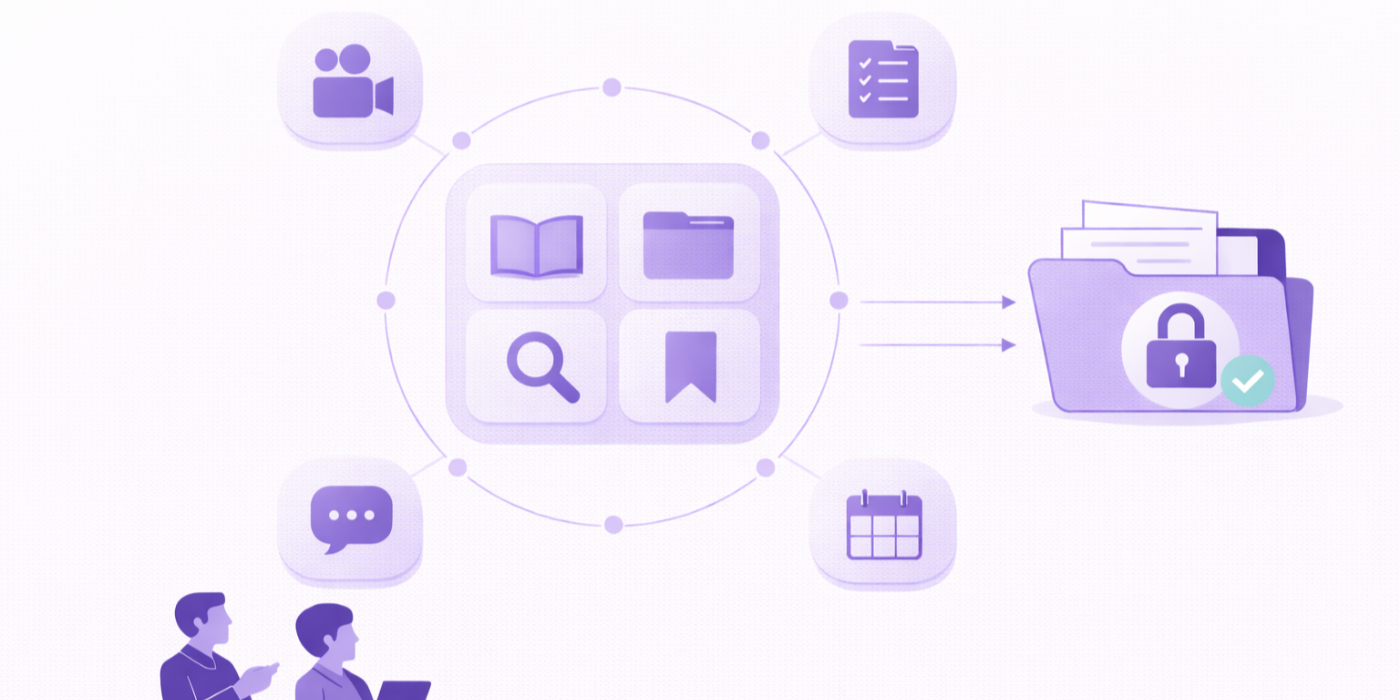
A coaching resource hub is a structured collection of tools, templates, learning assets, exercises, checklists, trackers, recordings, and implementation guides that help clients move between insight and action. The best hubs do not overwhelm clients with endless PDFs. They reduce friction. They make the next step obvious. They support the real work of behavior change, which is why they connect so closely to how the world’s best coaches get results, how to actually empower clients for real results, how coaches can actually change client diets, and how to make it work every time.
Most struggling coaches make one of two mistakes. Either they have no central resource system at all, so every client interaction depends on memory, improvisation, and scattered links. Or they build a bloated library filled with generic content nobody uses. A thriving hub sits in the middle. It is curated, searchable, practical, and tied directly to client decisions. That is why it overlaps with building your coaching toolkit, curating the perfect coaching toolkit for every niche, coaching session templates to boost productivity instantly, and creating a coaching resource library your clients will love.
A strong hub improves five business-critical areas at once. First, it protects consistency, which matters when clients need reinforcement between sessions. Second, it increases perceived value because clients can see and use the support you promised. Third, it helps retention by reducing the “I know what to do but I’m not doing it” gap. Fourth, it makes your coaching easier to personalize because resources can be assigned based on stage, barrier, and goal. Fifth, it creates a stronger professional identity, especially when paired with non-negotiable standards every coach must know, understanding ethical responsibilities as a health and life coach, why trust is the most valuable asset in coaching, and coaching confidentiality.
The deepest benefit is operational. A resource hub lets you stop solving the same avoidable problem ten times. If clients routinely struggle with stress, boundaries, motivation dips, or follow-through, the answer is not more repeated explanation. The answer is a hub that includes the right stress management techniques every coach should know, techniques for maintaining professional boundaries with clients, interactive coaching exercises to keep clients motivated, and effective strategies for reinforcing positive client behaviors. When those resources are ready, your sessions become sharper because you are coaching, not scrambling.
2. The Essential Categories Every Thriving Resource Hub Needs
The easiest way to build a weak hub is to organize it around your content instead of your client journey. Clients do not think in terms of “downloadable assets.” They think in terms of “I am overwhelmed,” “I keep falling off,” “I need help communicating,” or “I want to stay motivated.” So your hub should be built around moments of need. That is why great hubs borrow from free and premium coaching resources to boost your practice, must-have books every coach should include in their library, podcast resources that keep coaches ahead of industry trends, and how to create engaging coaching content clients love.
Start with onboarding resources. This category should answer the questions clients are too embarrassed to ask twice: how coaching works, where to find materials, how to prepare for sessions, what to do between sessions, and what support looks like. Then build implementation resources such as trackers, check-in forms, reflection prompts, action plans, and micro-lessons. Next, create obstacle resources for moments of resistance, relapse, overwhelm, boundary friction, burnout, and emotional setbacks. Finally, include growth resources that help clients deepen skills after the basics begin to stick. This structure aligns with launch your successful health coaching career, new data-proven coaching methods for maximum client success, the coaching skill you didn’t know you needed, and how coaches reach mastery.
Each category should contain multiple content formats because clients learn differently. Some need a checklist. Others need a short video. Some need a fill-in worksheet. Others respond to a clear template or an audio reminder. A thriving hub is not just rich in information. It is rich in usability. This is why automated email sequences for coaches, client session recording tools, Zoom and video conferencing best practices, and virtual coaching tools boosting remote session effectiveness can all contribute to one strong ecosystem instead of existing as isolated tech choices.
One more category deserves special attention: decision support. Clients often know their options but cannot choose. Your hub should include comparison guides, “when to use this” notes, decision trees, example scenarios, and scripts for difficult moments. This is where powerful questioning techniques that transform coaching sessions, the communication secret behind successful coaching, effective listening techniques that transform client conversations, and managing difficult client conversations with ease become practical tools rather than just ideas. The hub wins when it helps clients decide, not just consume.
3. How to Build Resources Clients Actually Use Instead of Ignore
The single biggest reason resource hubs fail is that coaches build for completeness instead of adoption. They create ten-page guides when clients need a one-page action tool. They record long lessons when clients need a two-minute answer. They design elegant libraries without testing whether a real client can find the right item during a stressful Tuesday afternoon. A resource that is technically excellent but rarely used is still weak. A thriving hub is built around behavioral reality, which is exactly the logic behind the radical simplicity coaches are loving, why coaches must avoid this trap, how to inspire clients to take immediate action, and smart goals 2.0.
To increase adoption, every resource should answer four questions fast: what problem does this solve, when should I use it, how long will it take, and what outcome should I expect. Put that information at the top of every worksheet, guide, or mini-lesson. This protects clients from hesitation and keeps your hub from becoming a museum of worthy-but-unused materials. You can deepen this approach with life mapping, daily journaling prompts, gratitude journal coaching, and affirmation cards, but only if each resource is clearly linked to a client moment.
Keep the cognitive load low. Give every resource a plain-language title like “Reset After a Missed Week,” “What to Do Before a High-Stress Day,” or “How to Ask for Support Without Feeling Weak.” Add tags by topic, stage, and urgency. Use short descriptions. If possible, create “start here” bundles for common client profiles. This is how best coaching software and platforms for client management, 15 must-have coaching tools every professional needs, the 10 best coaching apps every professional should know, and how technology is completely transforming the coaching industry become meaningful infrastructure rather than shiny distractions.
The best test is assignment behavior. If you would hesitate to assign a resource during a live session because it feels too long, too vague, or too generic, it does not belong in your core hub yet. Make it sharper first.
4. The Technology, Structure, and Delivery Systems That Make a Hub Thrive
A thriving resource hub depends on delivery as much as content. Even excellent resources lose value when access is clumsy. Coaches need a central platform, a simple folder logic, consistent naming, clear search terms, and lightweight automation. This is where balancing human touch with coaching automation, how artificial intelligence is changing client interactions forever, the future model every coach needs to adopt by 2026, and wearable technology preparing your coaching business for the future become part of a larger strategic picture.
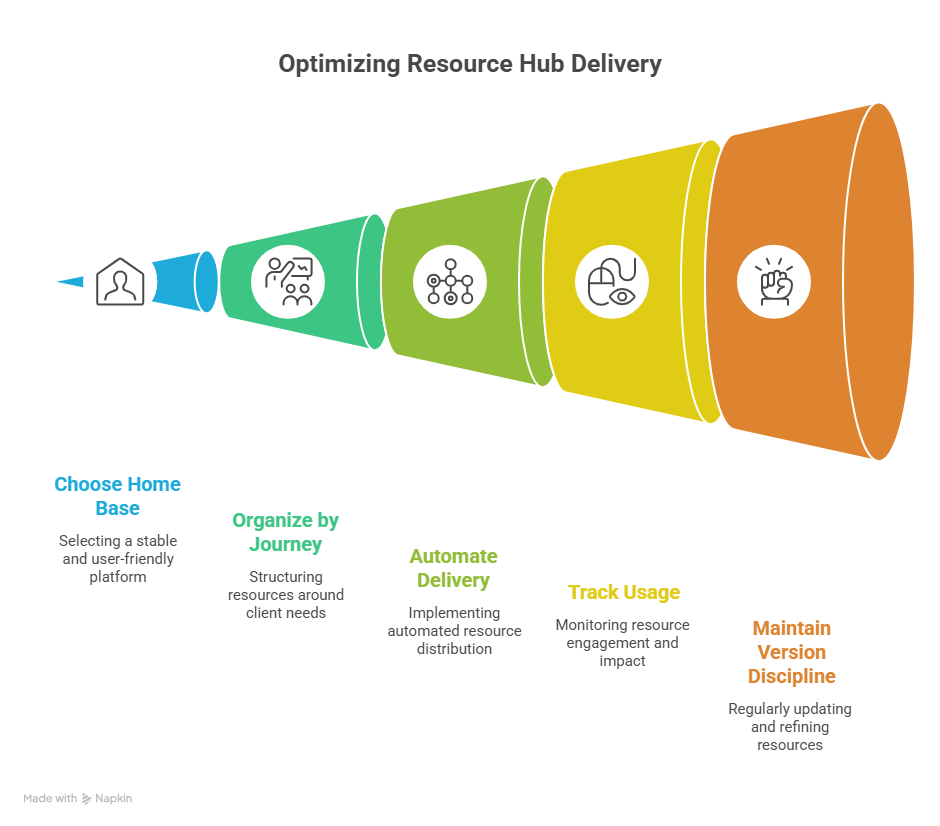
Choose one home base. That could be a client portal, a membership platform, a Notion-style library, a learning platform, or a coaching CRM with resource delivery. The exact tool matters less than stability and ease. Clients should not need a tutorial every time they want help. Next, organize by client journey, not file type. For example: Start Here, Weekly Support, Habits, Stress, Communication, Motivation, Setbacks, and Growth. Pair that structure with automated delivery where it makes sense. A welcome sequence can release onboarding resources. A weekly email can surface one check-in tool, one reflection prompt, and one implementation guide. That approach fits naturally with how to leverage online courses for continuous coaching education, best practices for creating interactive coaching workshops, how to build an interactive coaching community online, and gamification tools coaches are using for maximum engagement.
Track usage, but interpret it carefully. Low clicks can mean weak relevance, bad timing, poor naming, or too much friction. High clicks do not always mean impact. Measure whether the resource actually changes session quality, homework completion, self-reporting, and retention. This operational lens connects to exclusive 2025 coaching industry report, coaching market size forecast, comprehensive analysis of the most profitable coaching niches today, and the future of client engagement because the coaches who win are the ones who turn support into a measurable system.
Just as important, build version discipline. Review the hub every quarter. Archive outdated items. Combine overlapping tools. Upgrade titles. Add examples from real client patterns. A thriving hub is never finished, but it is never chaotic either.
5. How to Turn Your Resource Hub Into a Trust-Building, Retention-Boosting Asset
When clients feel that your support exists only during the live session, your value feels fragile. When they experience coaching as an environment built around their success, your value becomes durable. A strong resource hub does exactly that. It shows clients that you anticipated their barriers, prepared useful support, respected their time, and created multiple ways for them to succeed. That builds the same type of confidence reinforced by building deep trust, why emotional consent matters in every coaching session, managing dual relationships, and the ultimate guide to ethical coaching principles you can’t ignore.
Use the hub to create visible progress. Include win logs, monthly milestone reviews, before-and-after reflection forms, and renewal roadmaps. When clients can see where they started, what changed, what obstacles they handled, and what comes next, retention improves because progress becomes legible. This is also why client testimonials capture, coaching case study templates, certified health coaches reveal is certification really worth it, and is a life coach certification worth it matter beyond marketing. They train you to document transformation clearly.
The hub also helps with premium positioning. Coaches often undercharge because their delivery feels invisible. A well-built hub makes your process concrete. It shows depth, structure, care, and professionalism. That supports your perceived authority alongside how certification differentiates your health coaching business, top accredited health coach certifications recognized globally, health coaching certification how to choose the right program, and essential resources for coaching certification and credentialing. Clients trust systems that feel thought through.
Finally, use your hub to reduce dropout triggers. Mid-program drop-off often happens when clients feel ashamed, overwhelmed, or unsure how to re-engage after a rough week. A great hub includes re-entry resources, compassionate reset tools, and low-pressure ways to restart. That is how you keep people moving instead of losing them to silence.
6. FAQs About Building a Thriving Coaching Resource Hub
-
Start with the five assets that solve your most repeated client problems: a welcome guide, a weekly check-in form, a session recap template, a simple habit tracker, and one reset resource for missed weeks. That small core already supports better delivery and pairs well with coaching session templates, interactive coaching exercises, how to inspire clients to take immediate action, and effective strategies for reinforcing positive client behaviors.
-
A resource is valuable when it changes behavior, reduces confusion, improves reflection, or helps a client take the next right step faster. If it sounds smart but rarely gets assigned or used, revise it. Strong resources usually support the same principles found in the 1 coaching technique for client breakthroughs, solution-focused brief coaching, appreciative inquiry, and the neuroscience-based method every coach needs now.
-
Yes, but they should serve different purposes. Free resources can introduce your method, generate trust, and show your coaching style. Premium resources should go deeper, be more specific, and connect directly to live coaching or structured programs. This distinction becomes stronger when aligned with YouTube channel growth for coaches, SEO tools for coaching websites, how to create engaging coaching content clients love, and why it’s the ultimate client magnet in 2026.
-
Review it quarterly, but update faster when a resource repeatedly causes confusion or stops being useful. Archive weak items, improve titles, shorten bloated materials, and add resources based on common coaching friction. That rhythm fits well with 2025 health coach certification trends, why coaches need it more than ever 2026, how technology is completely transforming the coaching industry, and why they’re changing the game for coaches.
-
Absolutely. Great sessions without strong between-session support often produce insight without implementation. A resource hub carries momentum into real life, where change actually happens. That is why it complements powerful questioning techniques, the art of powerful questioning in coaching, communication techniques every coach should master, and helping clients manage work-life balance successfully. A strong session opens the door. A strong hub helps the client walk through it.
-
They build for volume instead of relevance. More files do not equal more value. The right next tool beats a giant archive every time. Prioritize clarity, timing, and usability, and let the hub grow from real client needs rather than your urge to look comprehensive.
