
Preventative Health Coaching: How This Shift Will Dominate the Industry
Preventative health coaching is moving from a nice extra to a central market force. People are no longer waiting for a diagnosis, a burnout spiral, a sleep collapse, or a medication scare before asking for help. They want earlier guidance, clearer routines, stronger accountability, and support that reduces risk before life becomes harder to manage.
That shift will reshape the coaching industry because prevention solves the exact pain modern clients feel most: “I know what I should do, but I am not doing it consistently enough, early enough, or well enough to avoid consequences.” Coaches who understand that will build the next winning category.
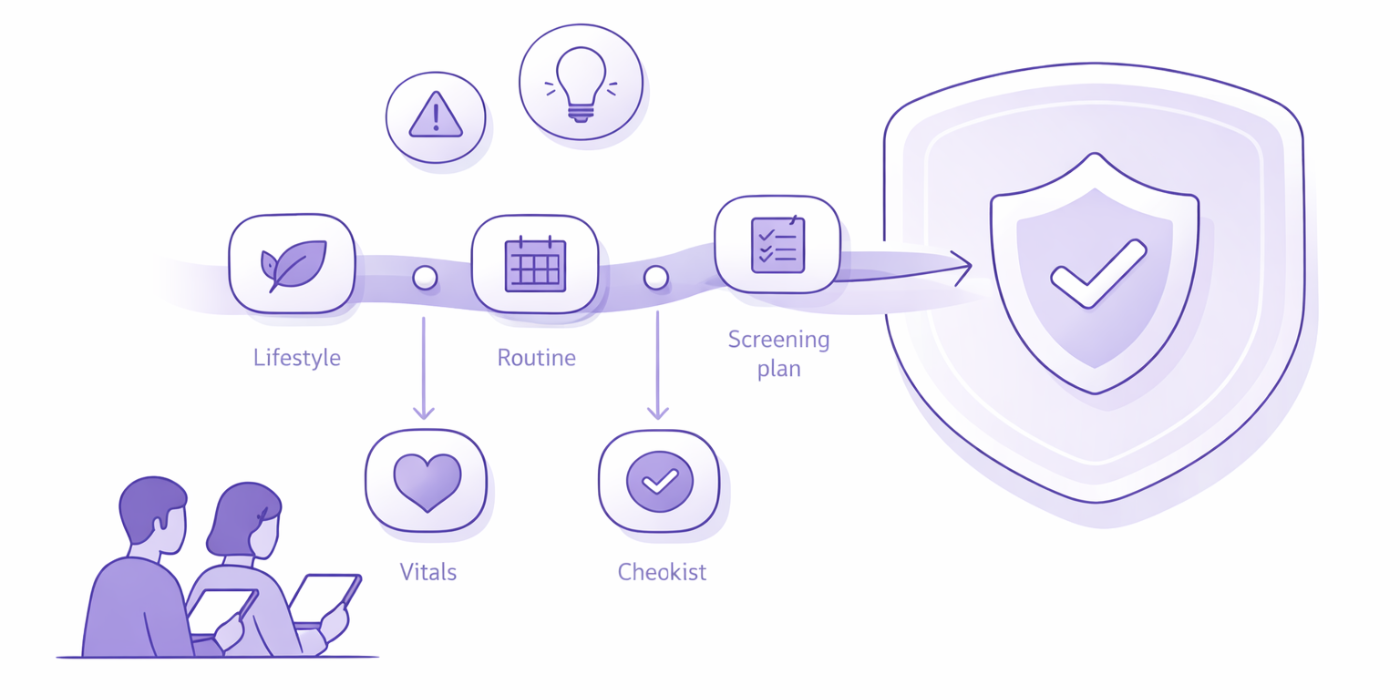
1. Preventative Health Coaching Fits The Exact Direction Health Demand Is Already Moving
The coaching industry is being pulled toward prevention by a simple reality: chronic disease is expensive, common, and often driven by behavior patterns that develop long before people seek formal treatment. The CDC says chronic diseases are the leading cause of illness, disability, and death in the United States, are major drivers of the nation’s $4.9 trillion in annual health care costs, and are heavily linked to smoking, poor nutrition, physical inactivity, and excessive alcohol use. Its 2025 data also show that in 2023, 76.4% of U.S. adults reported at least one chronic condition and 51.4% reported multiple chronic conditions, with the burden worsening even among younger adults. That is exactly the environment where how coaches can actually change client diets, habit formation tools helping clients achieve lasting change, smart goals 2.0, interactive goal tracking tools, and powerful client journaling tools stop being “nice resources” and start becoming commercially relevant assets.
The global signal is just as strong. WHO says noncommunicable diseases caused more than 43 million deaths in 2021, accounted for 75% of non-pandemic-related deaths, and that many of these deaths could be prevented through timely, integrated preventive services and stronger policy action. WHO also frames primary health care as a scalable response to the NCD and mental health crisis. That matters because preventative coaching sits directly inside the gap between awareness and action. It is where the neuroscience-based method every coach needs now, strength-based coaching techniques, visualization and guided imagery methods, solution-focused brief coaching, and appreciative inquiry become part of a real prevention model instead of floating as isolated techniques.
Consumer demand is also moving in the same direction. McKinsey’s 2025 wellness research describes wellness as a daily, personalized practice for younger consumers and sizes the global wellness market at about $2 trillion, with more than 9,000 consumers surveyed across four major markets. This is not a signal that clients want more inspiration. It is a signal that they want health support woven into normal life, normal routines, and normal decisions. That opens the door for coaches who can combine creating custom coaching dashboards, using surveys and feedback tools to improve coaching outcomes, leveraging wearable tech for next-level client coaching, balancing human touch with coaching automation, and the future model every coach needs to adopt by 2026.
2. Preventative Health Coaching Changes The Economics Of Coaching, Not Just The Messaging
Reactive coaching usually enters the client’s life after damage is already visible. Preventative coaching enters earlier, which makes it more scalable, more repeatable, and often easier to package. When people are trying to avoid a future problem, they do not always need deep crisis support. They need coaching session templates to boost productivity instantly, the communication secret behind successful coaching, daily journaling prompts, life mapping, and affirmation cards inside a system that keeps them moving before symptoms become consequences. That shifts coaching from a rescue purchase to an ongoing support category.
It also changes who pays. The ACC notes that health and wellness coaches are increasingly being integrated into primary care teams, hospitals, and medically oriented gyms, and describes the NBC-HWC credential as the gold standard in the field. That is a major clue about where the market is going. Preventative coaching is not limited to solo Instagram offers anymore. It is becoming more legible to health systems, employers, clinical teams, and organizations that care about adherence, navigation, and behavior change. Coaches who understand how certification differentiates your health coaching business, best online health coach certification programs for busy professionals, top accredited health coach certifications recognized globally, health coaching certification: how to choose the right program, and launch your successful health coaching career will be better positioned when these pathways grow.
Technology makes that shift even stronger. A 2025 UK Parliament research briefing says wearables are linked with prevention, detection, and mitigation of disease, and that activity tracking can increase physical activity, though long-term use and equity remain important concerns. That means a good coach is no longer competing with devices. A good coach interprets device data, protects clients from obsession, and turns raw signals into realistic action. That is exactly why wearable technology preparing your coaching business for the future, how artificial intelligence is changing client interactions forever, the 10 best coaching apps every professional should know, virtual coaching tools boosting remote session effectiveness, and video conferencing hacks for flawless online coaching sessions matter more in prevention than in old-school motivational coaching.
Employers are another reason this shift will dominate. CIPD’s 2025 workplace wellbeing report says UK employers see measurable returns from wellbeing investment, including improved health and wellbeing, better engagement, reduced sickness absence, and stronger performance, while absence levels have also risen and accessible preventive support is increasingly important. Prevention-focused coaching fits that exact logic because it is easier to sell upstream than to justify downstream cleanup. Coaches who can translate automating your coaching business, essential CRM tools to manage coaching client relationships, best practices for creating interactive coaching workshops, how to build an interactive coaching community online, and virtual retreat platforms coaches are using successfully into organizational offers will have a much larger addressable market than coaches waiting for one stressed client at a time.
3. Preventative Health Coaching Requires A Different Delivery Model Than Traditional Coaching
This shift will not be won by coaches who simply rename their offer “preventative.” It will be won by coaches who redesign the client experience around earlier behavior change. Prevention is less about dramatic breakthroughs and more about friction removal, repetition, recovery from lapses, and tiny decisions that compound. That means coaches need interactive coaching exercises to keep clients motivated, building your coaching toolkit with essential templates and checklists, creating a coaching resource library your clients will love, free and premium coaching resources to boost your practice, and must-have books every coach should include in their library because prevention fails when coaching lives only inside a weekly call.
It also requires more humane accountability. Preventative health clients often arrive before a crisis, which means urgency is lower and excuses are easier. They are busy, not desperate. They feel “mostly fine,” not obviously unwell. That is why generic motivation dies fast. Coaches need how to make it work every time, the 1 coaching technique for client breakthroughs, why this skill determines your coaching success, how to actually empower clients for real results, and how the world’s best coaches get results translated into low-friction follow-up systems, not just better conversation. The work is less “convince them harder” and more “make the next step too clear to ignore.”
The ethical layer matters too. Preventative health coaching gets close to medical language, lab fear, symptom tracking, and highly personal health decisions. That makes coaching integrity: building trust and credibility in your practice, why emotional consent matters in every coaching session, understanding ethical responsibilities as a health and life coach, the ultimate guide to ethical coaching principles you can’t ignore, and how to set clear professional boundaries with coaching clients non-negotiable. Preventative coaching will grow fast, but if coaches blur scope, overpromise, or start sounding clinical without competence, the category will lose trust just as quickly.
4. The Coaches Who Win This Shift Will Look More Like Behavior Designers Than Motivational Speakers
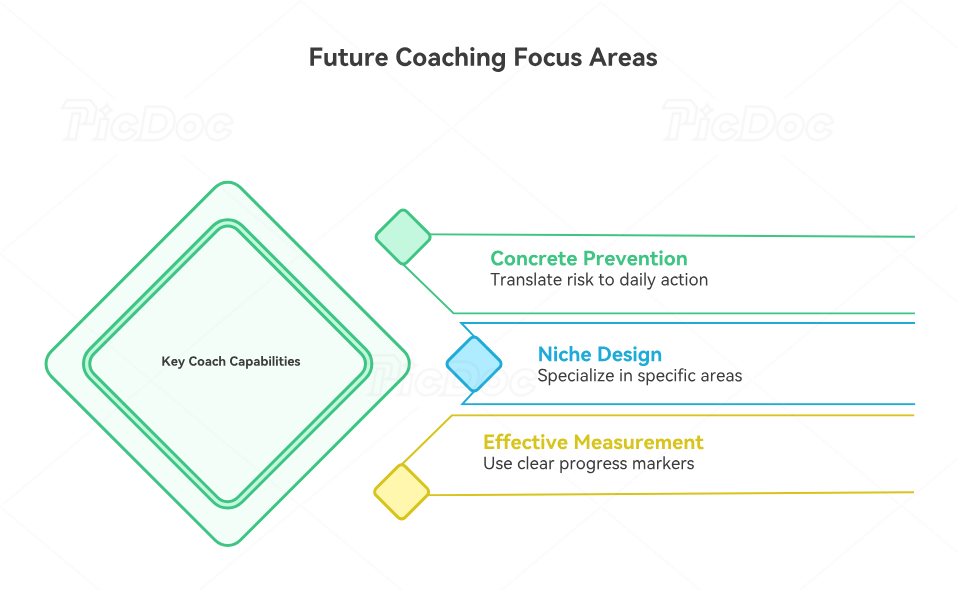
The future belongs to coaches who can make prevention feel concrete. That means they will be better at translating health risk into daily action without using fear as the whole business model. They will use coaching case study templates: demonstrating your value effectively, client testimonials capture, why trust is the most valuable asset in coaching, the future of client engagement 2026, and why coaches need it more than ever 2026 to show prospects that prevention is not vague optimism. It is an organized way to reduce chaos before chaos gets expensive.
They will also be better at niche design. Preventative coaching is not one giant bucket. It splits into sleep resilience, stress prevention, nutrition consistency, metabolic-risk support, routine rebuilding, behavior recovery after screenings, workplace burnout prevention, healthy aging, and more. Coaches who try to stay broad will be outrun by coaches who can say, with precision, “I help this type of client reduce this type of preventable risk through this type of system.” That is where the coaching skill you didn’t know you needed, how coaches reach mastery, curating the perfect coaching toolkit for every niche, comprehensive guide to building a thriving coaching resource hub, and digital marketing tools coaches need for explosive growth become strategic, not decorative.
And they will measure differently. Preventative health coaching cannot live on vague language like “feeling more aligned.” It needs progress markers such as adherence, sleep regularity, check-in completion, recovery speed after missed habits, readiness to change, friction points, and confidence. That makes creating custom coaching dashboards, using surveys and feedback tools, client session recording tools, best coaching software and platforms for client management, and seo tools for coaching websites part of a performance system. Preventative coaching will dominate because it can show movement earlier and more often than reactive coaching if the coach designs for that on purpose.
5. The Biggest Opportunity Is That Preventative Health Coaching Solves Problems Before Competitors Get The Call
When a client hits a true health crisis, the field gets crowded. Medical professionals, therapists, specialists, clinics, medications, lab follow-ups, workplace policies, and family pressure all rush in. But before that moment, there is often a quieter gap where the client knows something is off but has not acted. That gap is where preventative coaching can dominate. It is where mental health coaching career guide: building a thriving practice, financial coaching career blueprint, becoming a relationship coach, how to actually change your client’s life in 2026, and the radical simplicity coaches are loving all intersect around one truth: earlier support is usually easier, cheaper, and more sustainable than late repair.
This is also why the category has brand power. Prevention sounds intelligent, responsible, and modern when done well. It aligns with the broader market’s move toward personalization, continuous support, wearables, routine data, and whole-person health. It fits the buyer who does not want to wait until their annual labs scare them. It fits the employer who wants fewer avoidable absences. It fits the clinic that wants more adherence. It fits the coach who wants longer client lifecycles without building a business around constant emergency energy. That is why how technology is completely transforming the coaching industry, how blockchain technology could radically change coaching, exclusive 2025 coaching industry report: key trends and insights, coaching market size forecast: massive growth opportunities by 2030, and comprehensive analysis: the most profitable coaching niches today should all now be read through a prevention lens.
The coaches who miss this shift will keep selling transformation after exhaustion. The coaches who catch it will build support before collapse. That is the better service model, the stronger trust position, and likely the more durable business. Preventative health coaching will dominate not because it sounds trendy, but because it matches where public health pressure, consumer behavior, workplace needs, and digital tools are all heading at the same time.
6. FAQs
-
Preventative health coaching helps clients reduce avoidable health risk before a major problem forces urgent action. It usually focuses on behavior patterns such as food consistency, stress regulation, movement, sleep, routines, recovery, and adherence. In practice, it draws on tools like habit formation tools, interactive goal tracking tools, daily journaling prompts, solution-focused brief coaching, and smart goals 2.0 to create earlier action instead of later damage control.
-
Because the underlying demand is obvious. Chronic disease burden is massive, prevention is cheaper than downstream treatment, wellness behavior is becoming more personalized, and clients now have more health data in front of them through devices, screenings, and workplace wellbeing programs. CDC, WHO, McKinsey, and other sources all point in the same direction: prevention matters more, earlier, and across more touchpoints than before. Coaches who connect that reality to wearable technology, custom dashboards, surveys and feedback tools, balancing human touch with automation, and health coaching certification trends will have a stronger offer.
-
No. Health coaches are the clearest fit, but preventative thinking can also shape stress coaching, burnout prevention, workplace wellbeing, healthy aging, behavior-change work, and some niche life coaching offers. The key is staying inside scope and designing the work around prevention rather than crisis. That is where understanding ethical responsibilities as a health and life coach, managing dual relationships, coaching confidentiality, the non-negotiable standards every coach must know, and how coaches avoid career-ending mistakes become essential.
-
Reactive coaching often begins after the client feels consequences strongly enough to act. Preventative coaching starts earlier, when motivation is weaker but the potential payoff is larger. That means the methods have to be more structured and less drama-dependent. Coaches need session templates, interactive coaching exercises, resource libraries, client journaling tools, and powerful questioning techniques that keep momentum alive when the client is busy rather than desperate.
-
Some of the strongest opportunities are metabolic-risk support, sleep and stress prevention, workplace wellbeing, post-screening behavior support, healthy aging, employer packages, clinician referral partnerships, and digital-first habit coaching. The opportunity grows even more when the coach can package the service through automated email sequences, essential CRM tools, virtual coaching tools, best coaching software and platforms, and digital marketing tools. ACC and workplace wellbeing reports both suggest the market is becoming friendlier to earlier, organized, preventive support.
-
Start with one narrow prevention problem, one clear client type, one measurable behavior system, and one simple follow-up structure. Then strengthen it with how certification differentiates your business, health coach certification credentials: how to list on your resume, effective coaching communication for NBHWC certification, essential resources for coaching certification and credentialing, and coaching case study templates. The coaches who win will not launch with the broadest promise. They will launch with the clearest prevention engine.
