
Virtual retreat platforms can either deepen transformation or quietly destroy it. Coaches often spend weeks building a retreat experience, then lose trust in the first 20 minutes because the tech feels clunky, breakout rooms are chaotic, worksheets are scattered, and participants disengage behind blank screens. The right platform stack prevents that collapse. It protects energy, flow, intimacy, and follow-through.
For coaches building premium group experiences, virtual retreat tech is no longer just an operations choice. It is a delivery decision, a client retention decision, and a results decision. Used well, it strengthens the kind of trust discussed in coaching integrity, supports the human touch emphasized in balancing human touch with coaching automation, and turns remote delivery into a true advantage rather than a compromise.
1. Why Virtual Retreat Platforms Matter More Than Most Coaches Realize
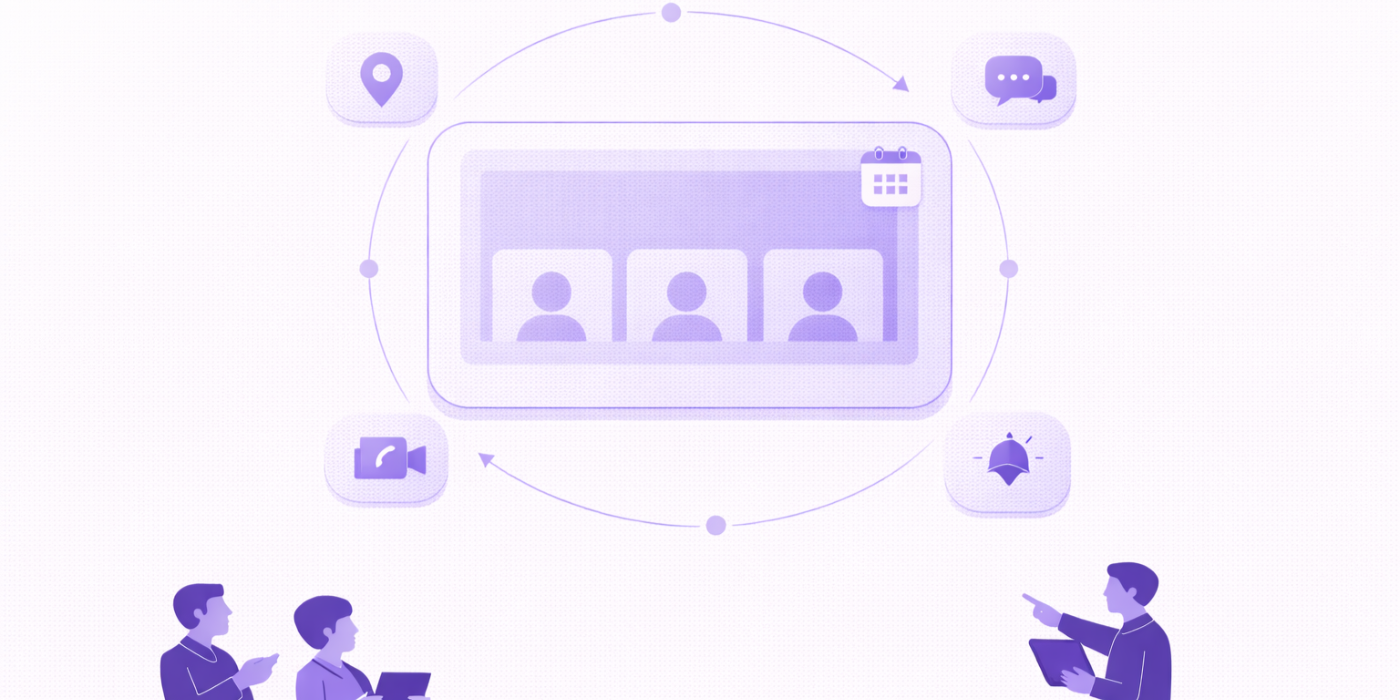
A virtual retreat is not just a long Zoom call with nicer branding. It is a layered client experience that combines facilitation, energy management, emotional safety, pacing, reflection, accountability, and post-session integration. When coaches underestimate the platform side, they create friction at every touchpoint: registration feels disjointed, live sessions feel flat, resources disappear into email threads, and participants leave inspired but unanchored. That is the exact opposite of what strong coaches want when they are trying to actually change clients’ lives, build deep trust, and create interactive coaching exercises that produce action.
The best coaches do not choose platforms based on popularity alone. They choose based on retreat goals. A platform that works for a 12-person emotional resilience retreat may fail badly for a 150-person wellness summit. A platform that is excellent for keynote delivery may be weak for private breakout intimacy. A platform that supports content beautifully may be terrible for accountability and follow-up. That is why platform choice must align with your teaching model, group size, facilitation style, and transformation promise. This is the same strategic thinking seen in curating the perfect coaching toolkit for every niche, best coaching software and platforms for client management, and virtual coaching tools boosting your remote session effectiveness.
A good retreat platform stack should do five things exceptionally well. First, it should reduce cognitive load for participants. Second, it should make engagement feel natural rather than forced. Third, it should give the coach control without making facilitation mechanical. Fourth, it should support reflection and community beyond the live room. Fifth, it should make next steps obvious, because inspiration without implementation is just emotional entertainment. Coaches who understand this tend to build stronger outcomes using principles similar to smart goals 2.0, coaching session templates, powerful questioning techniques, and how to inspire clients to take immediate action.
2. The Platform Types That Actually Work for Coaching Retreats
The most successful coaches rarely rely on a single tool. They build a retreat ecosystem. One platform handles the live room. Another supports reflection. Another captures commitments. Another houses resources. This modular approach is far more effective than expecting one tool to do everything. It mirrors the layered systems found in building your coaching toolkit, creating a coaching resource library, free and premium coaching resources, and coaching case study templates.
1) Live delivery platforms.
Zoom still works because it solves the problem most retreats live or die on: real-time human connection. Breakout rooms, screen sharing, spotlighting, chat facilitation, and relative familiarity reduce participant resistance. That matters because clients do not arrive at retreats as blank slates. Many arrive exhausted, skeptical, distracted, or emotionally guarded. If they have to fight the platform before they can engage the content, you lose momentum. Coaches who focus on effective listening techniques, communication techniques every coach should master, and managing difficult client conversations usually prefer platforms that keep the human interaction clean.
2) Community platforms.
Circle-style spaces are powerful because retreats should not end when the session closes. Real transformation often begins when participants start articulating what the session revealed. Async prompts, celebration threads, implementation check-ins, and peer support extend the retreat’s half-life. This aligns closely with how to build an interactive coaching community online, the future of client engagement, and why they’re changing the game for coaches.
3) Visual collaboration platforms.
Miro and FigJam shine when the retreat goal is pattern recognition, decision clarity, vision design, or values alignment. A participant can see their emotional triggers, competing priorities, or habit loops spatially rather than just hearing about them. That shift often accelerates breakthroughs. Coaches who use life mapping, daily journaling prompts, the wheel of life reinvented, and solution-focused brief coaching often find visual tools especially powerful.
4) Retreat hub platforms.
Notion-style hubs reduce a hidden but serious pain point: fragmentation. Participants should not be hunting through emails for the workbook, replay, Zoom link, meal schedule, bonus training, and follow-up assignment. One clean hub page makes the retreat feel premium. It also reduces the admin drag that quietly burns coaches out, something discussed in how coaches avoid career-ending mistakes, how to set clear professional boundaries, and coaching session templates to boost productivity.
5) Follow-through platforms.
A retreat without a post-retreat behavior system can generate emotional spikes but weak outcomes. Habit trackers, accountability prompts, automated recap emails, and simple booking workflows keep momentum alive. That is where automated email sequences, effective strategies for reinforcing positive client behaviors, how to make it work every time, and how the world’s best coaches get results become operational rather than theoretical.
3. What Successful Coaches Look for Before Choosing a Virtual Retreat Platform
The wrong question is, “What platform is trending?” The right question is, “What platform protects the transformation I’m promising?” That shift changes everything. Successful coaches evaluate platforms through the lens of participant behavior, emotional safety, delivery style, and implementation design. This is the same kind of discernment behind which certification is right for you, essential resources for coaching certification and credentialing, and how to leverage online courses for continuous coaching education.
First, they examine friction tolerance. Some audiences can handle a multi-tool experience. Others cannot. Busy professionals, burned-out parents, or emotionally overloaded clients usually need simplicity more than novelty. If your retreat serves clients already struggling with inconsistency, overwhelm, or avoidance, the tech must feel almost invisible. That is especially true in work related to stress management techniques, work-life balance coaching, burnout support, and self-care coaching.
Second, they assess emotional depth compatibility. Some retreats involve vulnerable storytelling, grief, identity work, trauma-adjacent discussions, or hard life transitions. In those cases, flashy networking features matter far less than privacy, camera norms, moderated chat, and intimate breakout design. Coaches working in areas like grief and loss support, PTSD and trauma support, mindfulness and meditation techniques, and why emotional consent matters must choose platforms that help participants feel contained, not exposed.
Third, they think about facilitation leverage. Great retreat platforms make it easier to read the room, create interaction, shift pace, and reinforce insights. Poor ones force the coach into constant troubleshooting. Once that happens, presence erodes. The coach becomes a stressed administrator instead of a grounded guide. That weakens authority, safety, and trust. Coaches aiming for premium outcomes often combine facilitation principles from the art of powerful questioning, the communication secret behind successful coaching, the coaching skill you didn’t know you needed, and how coaches reach mastery.
Fourth, they evaluate post-retreat conversion value. A successful retreat platform should make it easy to continue the relationship. That may mean booking a follow-up intensive, joining a membership, enrolling in a cohort, or simply staying in the community long enough to implement. Coaches who ignore this often create high-attendance retreats with weak business outcomes. Coaches who design for this deliberately tend to align retreat delivery with client testimonials capture, how to create engaging coaching content clients love, why it’s the ultimate client magnet in 2026, and comprehensive analysis of the most profitable coaching niches.
4. Platform Stacks Coaches Are Using Successfully Right Now
The most effective virtual retreat setups are usually simple, intentional, and tightly aligned with the retreat promise.
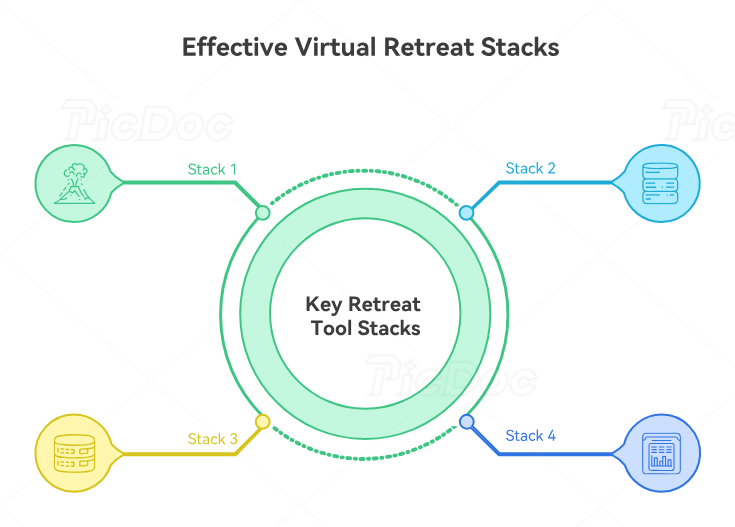
Stack 1: Zoom + Notion + Circle
This is one of the cleanest stacks for transformational group retreats. Zoom handles live teaching and coaching. Notion houses agendas, worksheets, replay links, and action plans. Circle keeps the community alive before and after the event. This combination works well for coaches running retreats around identity shifts, wellness resets, lifestyle behavior change, or self-awareness intensives. It pairs beautifully with practices from gratitude journal coaching, affirmation cards, appreciative inquiry, and new data proven coaching methods for maximum client success.
Stack 2: Zoom + Miro + Email Automation
This setup is ideal when the retreat centers on clarity, planning, pattern diagnosis, or strategic life redesign. Miro helps participants externalize confusion visually. Email automation keeps pre-work, reminders, and post-retreat commitments organized. Coaches using frameworks from life mapping, transactional analysis, inner critic management techniques, and the neuroscience-based method every coach needs now often benefit from this stack.
Stack 3: Event Hub + Zoom + Slido
This stack works for larger retreats, multi-speaker online wellness summits, or premium lead-generation events that need a more polished event feel. The event hub centralizes navigation. Zoom supports the deeper sessions. Slido makes anonymous participation easier, which is useful when attendees are hesitant to speak publicly. That matters when your audience is still building trust or evaluating your authority through how certification differentiates your health coaching business, top accredited health coach certifications recognized globally, certified health coaches reveal whether certification is worth it, and health coaching certification how to choose the right program.
Stack 4: Zoom + Workbook Portal + WhatsApp Follow-Up
This is surprisingly effective for coaches who serve action-takers and want strong implementation after the retreat. The portal organizes materials. WhatsApp supports light-touch momentum. This works especially well in retreats focused on consistency, habit repair, nutrition change, or daily routine resets, closely aligned with how coaches can actually change client diets, the radical simplicity coaches are loving, how to actually empower clients for real results, and why top coaches are obsessed.
The common thread is not complexity. It is coherence. Each tool has a clear job. Each touchpoint reinforces the retreat experience. Each participant knows where to go next. That is why these stacks succeed.
5. How to Run a Virtual Retreat That Feels Premium, Safe, and Transformative
Technology alone will not save a weak retreat design. A polished platform stack can still produce a forgettable experience if the pacing is wrong, the prompts are shallow, and the implementation bridge is missing. Premium virtual retreats succeed because the coach uses tech to support transformation, not replace it. This is where retreat design becomes inseparable from the non-negotiable standards every coach must know, why trust is the most valuable asset in coaching, understanding ethical responsibilities as a health and life coach, and coaching confidentiality.
Start with pre-retreat priming. Send a brief but strategic sequence: what to expect, how to prepare, what emotional honesty will be required, and what environmental setup will help. Ask participants what they are carrying into the retreat. Ask what they want to leave behind. Ask what would make the experience feel successful. This increases buy-in before the first live minute even begins. Coaches who do this well often already understand the value of automated email sequences, client session recording tools, zoom and video conferencing best practices, and video conferencing hacks for flawless online coaching sessions.
Then create emotional orientation at the start. Participants need to know the norms. Camera expectations. Confidentiality expectations. How to use the chat. What to do if they feel overwhelmed. How breakout rooms will work. How reflection will be captured. This reduces anxiety, especially for clients who are nervous, skeptical, or highly self-conscious. Coaches trained in effective coaching communication for NBHWC certification, detailed review of NBHWC coaching competencies, essential coaching skills for ICF credentialing, and conflict resolution strategies every coach needs tend to handle this phase far better.
Next, protect energy rhythm. Virtual fatigue is real, but poor design causes more of it than screens do. Alternate teaching with reflection. Alternate group sharing with private writing. Alternate emotional intensity with lighter integration moments. Use short movement resets. Use polls when attention dips. Use breakout prompts with a single clear instruction instead of five layered questions. Coaches who understand interactive coaching workshops, gamification tools coaches are using, how technology is completely transforming the coaching industry, and how artificial intelligence is changing client interactions forever know that engagement is a design choice.
Finally, engineer post-retreat continuity. End with one decision, one commitment, one support structure, and one follow-up touchpoint. Do not let clients leave with ten insights and zero execution plan. That is how powerful retreats become beautifully wasted experiences. Strong coaches close the loop through launch your successful health coaching career, step-by-step guide how to become a certified life coach, the future model every coach needs to adopt by 2026, and exclusive coaching industry report key trends and insights.
6. FAQs
-
For most small coaching groups, Zoom is still the strongest starting point because it balances familiarity, breakout-room flexibility, and live facilitation control. It becomes even stronger when paired with a simple resource hub and follow-up space. Coaches focused on remote session effectiveness and client management platforms often find this combination more effective than overly complex event software.
-
Usually multiple, but only when each tool has a distinct purpose. One for live delivery, one for materials, one for community or follow-up is often enough. Too many tools create confusion and drop-off. The best setup reflects the discipline behind building a coaching toolkit and creating a resource library your clients will love.
-
Use shorter teaching blocks, stronger prompts, better pacing, and clearer participation pathways. Engagement falls when clients do not know what is expected, feel emotionally unsafe, or cannot connect the session to real life. Methods from interactive coaching exercises, powerful questioning techniques, and effective listening techniques help keep attention high.
-
They can be, especially when the coach is strong at facilitation, emotional safety, and follow-through. Virtual retreats remove travel friction, increase accessibility, and can extend accountability more effectively than one-off in-person events. Coaches already using ideas from wearable technology, leveraging wearable tech for coaching, and technology transforming coaching often discover that digital delivery can deepen rather than weaken outcomes.
-
They buy for features instead of transformation. Fancy tools do not fix unclear promises, poor pacing, scattered materials, or weak follow-up. The biggest mistake is assuming the platform is the experience. It is not. The platform is the container. The design, trust, and coaching quality create the result, which is why coaching integrity, professional boundaries, and ethical coaching principles matter so much.
-
When the retreat creates a visible win, a clear next step, and a natural continuation path, conversion becomes easier and more ethical. Clients move forward because they experienced value, not because they were pressured. This is where client testimonials capture, YouTube channel growth for coaches, SEO tools for coaching websites, and how to create engaging coaching content can turn one retreat into a long-term growth engine.
