
Automating Your Coaching Business for Growth
Automation can turn a coaching practice from a fragile, memory-based operation into a smoother client experience with stronger follow-through, cleaner communication, and more predictable growth. The best systems support the human work instead of replacing it: intake, reminders, feedback, progress tracking, renewals, payments, content, and client reactivation. Coaches who combine coaching automation, client relationship management, interactive goal tracking, and ethical coaching boundaries can scale without letting clients feel processed.
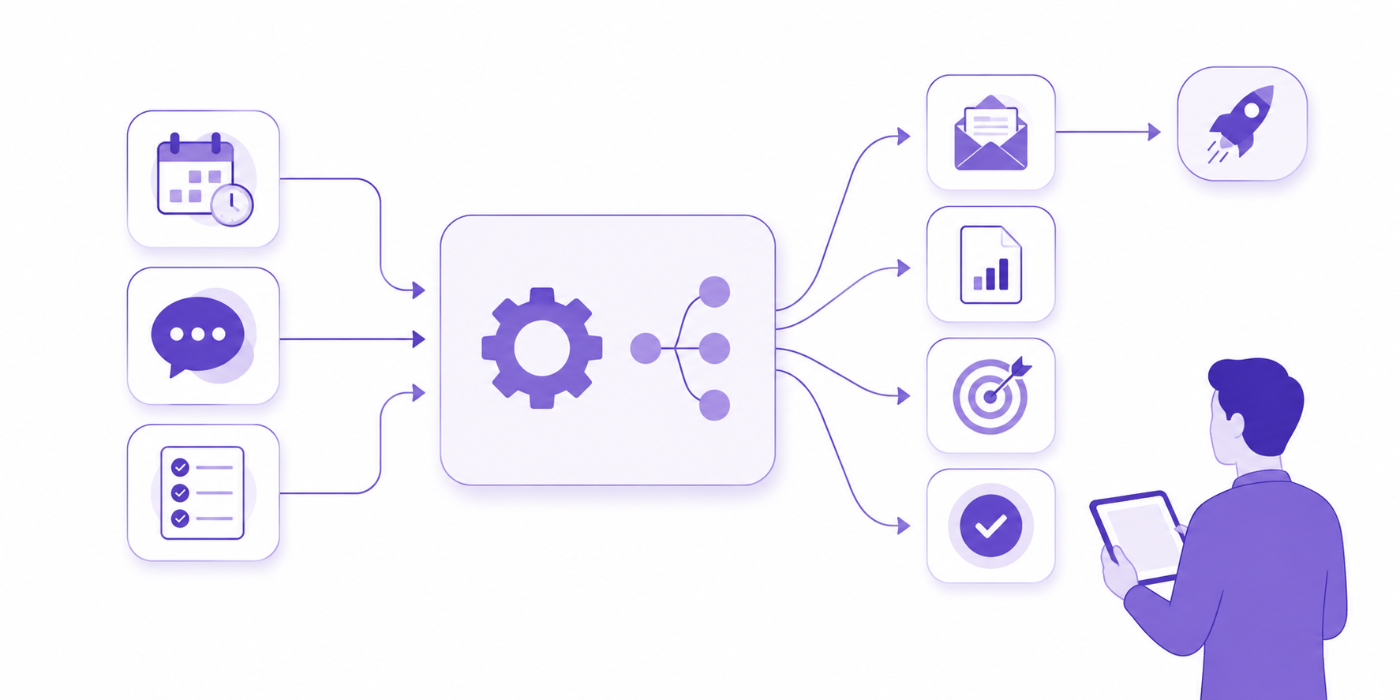
1. Build Automation Around Client Outcomes, Not Busywork
The first mistake coaches make with automation is buying tools before defining the client journey. A calendar app, email sequence, payment system, dashboard, and CRM can still create chaos when they are disconnected. The better starting point is the client’s path: discovery, enrollment, onboarding, first-session preparation, between-session accountability, progress review, renewal, referral, and alumni reactivation. That path should be supported by coaching software platforms, automated email sequences, custom coaching dashboards, and client feedback tools.
Growth depends on reducing preventable friction. A potential client who waits three days for a booking link cools down. A paid client who receives no onboarding checklist enters the program uncertain. A client who misses a payment reminder may feel embarrassed. A client who forgets action steps may assume coaching “isn’t working.” Automation solves these gaps when it supports exceptional client experiences, client accountability, goal tracking, and trust-building in coaching.
A high-growth coaching business needs four automation layers. The first is acquisition: content, lead capture, follow-up, and consultation booking. The second is delivery: onboarding, session prep, action plans, reminders, and resources. The third is retention: progress reviews, feedback loops, renewal triggers, and testimonial capture. The fourth is operations: payments, records, boundaries, scheduling rules, and reporting. Coaches can strengthen these layers through digital marketing tools, SEO tools for coaching websites, payment systems, and coaching case study templates.
| Business Area | What to Automate | Growth Benefit | Best Starting Resource |
|---|---|---|---|
| Lead capture | Website form that segments prospects by niche, goal, urgency, and preferred support style. | Prevents generic sales calls and helps coaches respond with a relevant offer. | digital marketing tools |
| Discovery calls | Booking link with availability rules, buffer time, reminder emails, and intake questions. | Reduces no-shows and gives the coach better context before the first conversation. | video conferencing setup |
| Pre-call qualification | Short questionnaire covering goals, readiness, constraints, and expectations. | Protects time and filters clients who need another service or referral pathway. | expectation management |
| Welcome sequence | Automated emails explaining session rhythm, tools, communication rules, and first steps. | Makes new clients feel guided before the first session begins. | automated email sequences |
| Onboarding documents | Forms for goals, consent, confidentiality expectations, health context, and preferred coaching style. | Creates safer, clearer, more professional coaching from the beginning. | coaching confidentiality |
| Session preparation | Pre-session reflection prompts sent 24 hours before each call. | Turns sessions from catch-up conversations into focused transformation work. | session templates |
| Action plans | Post-session summaries with next steps, deadlines, barriers, and accountability check-ins. | Improves follow-through and prevents clients from forgetting the real work. | accountability coaching |
| Habit tracking | Simple trackers for one or two client behaviors rather than overwhelming dashboards. | Builds consistency without making clients feel monitored or judged. | habit formation tools |
| Goal dashboards | Visual client dashboard showing current goal, weekly action, progress signal, and next review date. | Makes invisible progress visible and easier to renew. | custom coaching dashboards |
| Feedback collection | Monthly pulse survey asking what is working, what feels hard, and what needs adjustment. | Catches dissatisfaction before it turns into silence or cancellation. | survey tools |
| Client wins | Automated prompts asking clients to record wins, breakthroughs, and practical changes. | Creates proof for the client and future testimonial opportunities. | testimonial capture |
| Renewal timing | Reminder 3–4 weeks before package completion with progress recap and next-phase options. | Improves retention by avoiding last-minute renewal conversations. | client experience |
| Payment reminders | Invoice links, failed-payment reminders, renewal notices, and receipts. | Protects cash flow and reduces awkward money conversations. | payment systems |
| Resource delivery | Tagged resource library that sends the right worksheet, checklist, or video at the right stage. | Gives clients support between sessions without requiring constant coach availability. | resource library |
| Community prompts | Weekly reflection, win-sharing, or accountability prompt inside a private group. | Increases engagement for group, cohort, and membership models. | interactive coaching community |
| Content planning | Calendar for blog posts, emails, social content, lead magnets, and workshop promotion. | Keeps marketing consistent even during busy delivery weeks. | coaching content |
| SEO workflow | Keyword tracking, content briefs, internal linking plan, and monthly performance review. | Builds long-term discovery beyond referrals and social posting. | SEO tools |
| CRM pipeline | Prospect stages for new lead, booked call, proposal sent, won, lost, follow-up, and reactivation. | Stops promising leads from disappearing in inboxes and notebooks. | CRM tools |
| Referral requests | Trigger referral ask after a visible client win or completion milestone. | Turns satisfaction into business growth without sounding desperate. | loyalty and referrals |
| Case study creation | Collect baseline, turning point, actions, obstacles, and outcome notes across the program. | Makes proof easier to build while respecting client privacy and consent. | case study templates |
| Boundary protection | Auto-replies that explain response windows, urgent support limits, and session-only topics. | Prevents coach burnout and protects professional standards. | professional boundaries |
| Ethics reminders | Internal checklist for scope, consent, confidentiality, claims, testimonials, and referral needs. | Supports trust and reduces risky overpromising. | ethical coaching principles |
| Client segmentation | Tags for niche, goal type, motivation style, plan level, renewal stage, and engagement risk. | Allows more relevant communication without writing every message manually. | client preferences |
| Workshop follow-up | Email sequence for attendees with replay, key takeaway, next step, and offer invitation. | Converts warm interest into consultations without pressure selling. | interactive workshops |
| Course support | Lesson unlocks, reflection prompts, completion reminders, and bonus resource delivery. | Helps coaches serve more people without losing structure. | online courses |
| Group coaching | Automated cohort reminders, worksheets, replay links, attendance nudges, and progress prompts. | Makes group programs feel organized instead of chaotic. | virtual platforms |
| Client reactivation | Quarterly check-in email for past clients with a useful prompt and invitation to reconnect. | Creates repeat business without cold outreach. | email reactivation |
| AI-assisted admin | Drafting summaries, organizing notes, creating prompts, and outlining resources. | Saves time while keeping final judgment in the coach’s hands. | AI in coaching |
| Performance reporting | Monthly review of leads, calls, conversions, renewals, cancellations, revenue, and client outcomes. | Helps the coach make business decisions from data instead of anxiety. | business benchmarks |
| Capacity planning | Automatic view of active clients, session load, admin time, renewal dates, and available slots. | Supports growth without overbooking, rushed sessions, or exhausted delivery. | financial forecasting |
2. Automate the Client Journey From Inquiry to First Win
The most valuable automation sequence starts before a person becomes a client. A strong inquiry system should capture the prospect’s goal, pain point, timeline, readiness, and reason for seeking support now. That information helps coaches avoid vague consultations and connect prospects to the right offer faster. This is especially important for coaches working across health coaching certification, life coaching career paths, mental health coaching niches, and relationship coaching.
Once a client enrolls, automation should create certainty. Send a welcome email, intake form, calendar link, payment receipt, session expectations, communication rules, and first reflection prompt. This prevents the painful moment where a client pays and then wonders, “What happens now?” Coaches can use client onboarding resources, session templates, coaching confidentiality standards, and safe coaching environment practices to create a professional first impression.
The first win should also be systemized. Many clients lose momentum because their first action is too large, unclear, or disconnected from daily life. A coach can automate a “first seven days” path with one reflection, one baseline measurement, one small action, one reminder, and one check-in. This works well with micro-coaching, habit formation coaching, positive behavior reinforcement, and goal-setting methods.
Automation should also protect personalization. Use tags, client notes, niche-specific resources, and segment-based follow-ups so communication feels relevant. A burnout client should receive different prompts from a nutrition client, career-change client, or relationship client. This is where client preferences, custom coaching dashboards, interactive coaching exercises, and coaching resource libraries make automation feel thoughtful instead of robotic.
3. Use Automation to Improve Follow-Through, Accountability, and Retention
Most coaching value appears between sessions. Clients decide whether to complete the action, avoid the action, forget the action, resist the action, or change the action. A coach who relies only on the next live call loses several days of influence. Automated reminders, check-ins, habit trackers, progress forms, and weekly recaps can support clients while preserving coach energy. This strengthens accountability in coaching, behavior change science, goal tracking, and client success tools.
A useful accountability system asks three questions: What did you complete? What got in the way? What is the next smallest action? These questions create progress data without shaming the client. Coaches can review patterns across weeks and adjust the plan based on real behavior. This supports constructive feedback, effective listening, powerful questioning, and transformational coaching strategies.
Retention improves when clients see evidence of change. Many clients forget who they were when they started. They remember missed actions more than avoided spirals, better choices, improved conversations, stronger routines, or faster recovery. Automated progress recaps can show baseline, current patterns, wins, barriers, and next-phase goals. This is especially useful with client testimonials, coaching case studies, feedback tools, and client experience systems.
Automation also helps coaches identify disengagement early. Late replies, missed forms, skipped sessions, unpaid invoices, and low tracker activity can trigger a respectful rescue message. The message should sound human: “I noticed this week has been harder to track. Would a smaller plan help for the next seven days?” Coaches can pair this with difficult conversation skills, conflict resolution strategies, professional boundaries, and trust-centered coaching.
Poll: What Part of Your Coaching Business Needs Automation First?
4. Automate Marketing Without Losing Your Coaching Voice
Marketing automation should make consistency easier, while your voice still carries the trust. Coaches need lead magnets, blog workflows, email nurture sequences, social content, webinar follow-up, and reactivation campaigns. A strong marketing system connects content to a clear next step instead of publishing random inspiration posts. Coaches can organize this through digital marketing tools, SEO tools, YouTube growth for coaches, and coaching content strategies.
A simple automated funnel can begin with one useful resource: a checklist, quiz, mini-course, journal prompt pack, or workshop replay. After download, the client receives a sequence that educates, builds trust, handles objections, shows proof, and invites a consultation. Each email should address a real pain: inconsistency, overwhelm, unclear goals, stress, lack of support, or failed past attempts. This works well with client journaling tools, daily journaling prompts, resource hub development, and interactive coaching workshops.
Automation can also personalize marketing by niche. A health coach can send content around energy, prevention, habits, diet, or stress. A life coach can segment around confidence, transitions, relationships, purpose, and routines. A business coach can segment around leadership, productivity, decision-making, or burnout. Better segmentation reflects profitable coaching niches, health coaching trends, relationship coaching pathways, and mental health coaching growth.
The trap is over-automation. A coach can schedule posts, emails, reminders, and follow-ups while still sounding generic. The content must show specificity: the exact moment the client gets stuck, the hidden reason progress fails, the practical next step, and the emotional cost of delay. Coaches who understand client anxiety and stress, client expectations, behavior change, and effective communication can create automated marketing that still feels deeply human.

5. Scale Operations With Boundaries, Data, and Ethical Systems
Operations automation protects both revenue and energy. Scheduling rules prevent back-to-back overload. Payment systems prevent awkward invoice chasing. CRM stages prevent lost leads. Dashboards prevent guessing. Auto-replies protect response windows. Consent forms protect trust. This type of infrastructure helps coaches grow while preserving professional boundaries, ethical coaching principles, coaching integrity, and client confidentiality.
Data should guide growth decisions. Track lead sources, consultation booking rate, close rate, average package value, renewal rate, missed-session rate, referral rate, cancellation reasons, and client outcome markers. This helps coaches see where the business is leaking money or trust. A coach may think they need more leads when the actual issue is poor follow-up. Another may think clients lack commitment when the onboarding system is unclear. Use business benchmarking, financial forecasting, state of coaching industry insights, and future-proof coaching practice to make sharper decisions.
Technology can support higher-value coaching delivery when it is used with discipline. Session recording tools, AI summaries, wearable data, client portals, and dashboards can improve insight, but clients need consent, clarity, and control. Coaches should explain what is collected, how it is used, where it lives, and how it supports coaching goals. This protects trust while using client session recording tools, AI client interaction tools, wearable technology, and technology transformation in coaching.
Automation should also support coach sustainability. Growth that requires constant manual follow-up, emotional availability, and late-night admin eventually becomes a burnout machine. Set response windows, office hours, renewal procedures, client-fit criteria, referral boundaries, and workload caps. Then automate reminders around those rules. Coaches can pair this with self-care coaching principles, burnout coaching strategies, work-life balance coaching, and ethical dilemma management.
6. FAQs About Automating Your Coaching Business for Growth
-
Coaches should automate the highest-friction point that directly affects revenue or client outcomes. For many coaches, that means consultation booking, lead follow-up, onboarding, payment reminders, action-step reminders, or monthly progress reviews. The strongest foundation usually combines CRM tools, automated email sequences, payment systems, and coaching session templates.
-
Automation improves client results by making support timely, consistent, and easier to follow. Clients benefit from reminders, action plans, habit trackers, progress prompts, check-ins, resource delivery, and recap emails. These systems help clients stay connected to the work between sessions. Coaches can strengthen outcomes with habit formation tools, interactive goal tracking, accountability strategies, and behavior change science.
-
Use automation for structure and save human attention for insight, empathy, feedback, and decision-making. A client should receive helpful reminders, clear next steps, and timely resources, while still feeling seen in sessions and personal touchpoints. Coaches can preserve connection through effective listening techniques, powerful questioning, client feedback tools, and trust-building practices.
-
A strong coaching business usually needs scheduling, video conferencing, CRM, email marketing, payment processing, form collection, resource delivery, progress tracking, and reporting. Some coaches also use community platforms, dashboards, AI support, and course platforms. The right stack depends on offer type, niche, client volume, and delivery model. Start with coaching software platforms, virtual coaching tools, coaching dashboards, and digital marketing tools.
-
Automation helps coaches get more clients by improving lead capture, follow-up speed, content consistency, webinar follow-up, email nurturing, and referral requests. It also helps coaches stop losing warm prospects who needed one more clear step. Strong marketing automation works best when supported by SEO tools, coaching content strategies, YouTube growth strategies, and networking strategies.
-
Coaches should avoid building a complicated tool stack, sending generic messages, overusing AI, collecting unnecessary data, automating sensitive conversations, and ignoring ethical scope. Automation should make coaching clearer, safer, and more consistent. It should support the relationship rather than hide weak delivery. Coaches can reduce risk with ethical coaching principles, professional boundaries, coaching confidentiality, and coaching integrity.
