
How to Meet NBHWC Eligibility Requirements
Meeting NBHWC eligibility becomes much easier when you treat it like a documentation project, not a last-minute exam task. The coaches who struggle usually miss small details: the wrong training program, undocumented sessions, weak proof of completion, or a coaching log filled before it officially counts. This guide connects the eligibility path with NBHWC coaching competencies, health coach certification credentials, ethical coaching responsibilities, and exam preparation strategy so you can move with confidence.
1. Understand the NBHWC Eligibility Path Before You Spend Money
The NBHWC pathway has several moving parts, and the biggest mistake is treating “coach training” as automatically equal to “exam eligibility.” Current NBHWC guidance says applicants need an NBHWC Approved Training Program, qualifying coaching sessions, and either education documentation or qualifying work experience before applying for the board exam. That means your first decision should be tied to which certification is right for you, how the program supports NBHWC competencies, whether it prepares you for effective coaching communication, and whether it helps you avoid common NBHWC exam pitfalls.
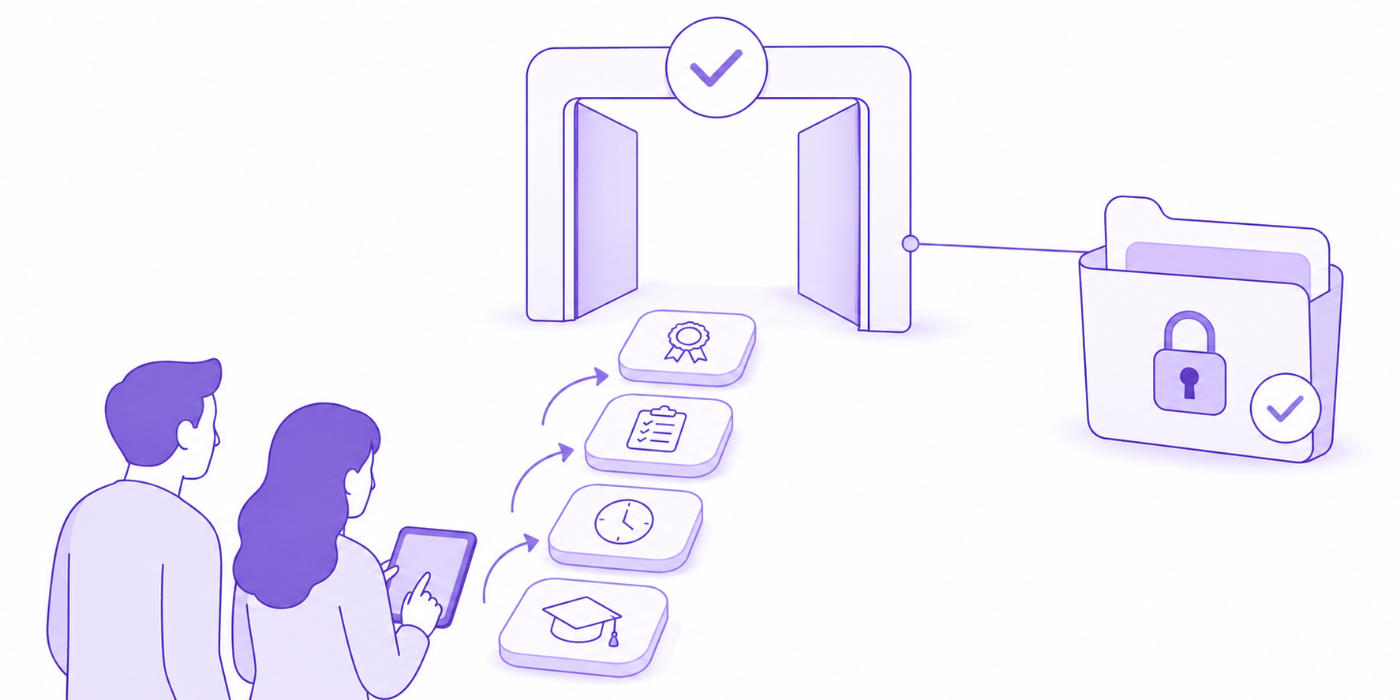
The cleanest path is simple: pick an approved program, complete the coursework, pass the program’s final Practical Skills Assessment, complete 50 qualifying sessions after that point, gather proof, then apply during the correct exam window. NBHWC says proof of completion must include your legal name, program name, completion date, final Practical Skills Assessment date, and NBHWC Approved Training Program seal. That proof becomes easier to manage when your training also builds coaching integrity, scope-aware practice, client trust, and career differentiation.
| # | Eligibility Step | What You Need | Common Failure Point | Best ANHCO Resource To Review |
|---|---|---|---|---|
| 1 | Confirm your goal | Decide whether NBC-HWC aligns with your niche, clients, and career plan. | Choosing a program because it sounds official without checking fit. | Which Certification Is Right For You |
| 2 | Verify approved training status | Use an NBHWC Approved Training Program before investing time or money. | Assuming every health coach certificate qualifies for the exam. | Best Online Health Coach Certification Programs |
| 3 | Understand credential value | Know how certification affects trust, positioning, and employer confidence. | Treating eligibility as paperwork instead of business credibility. | How Certification Differentiates Your Health Coaching Business |
| 4 | Review NBHWC competencies | Study the coaching behaviors that show up in training, assessment, and exam prep. | Memorizing terms while missing applied coaching judgment. | Detailed Review Of NBHWC Coaching Competencies |
| 5 | Complete coursework | Finish the approved program before applying for the exam. | Trying to apply before completion documents are ready. | How To Quickly Earn A Health Coach Certification Online |
| 6 | Pass the Practical Skills Assessment | Clear your program’s final PSA before counting qualifying sessions. | Logging sessions too early. | Essential Coaching Skills |
| 7 | Start the coaching log at the right time | Begin eligible sessions only after the PSA date your program verifies. | Losing sessions because the timeline is invalid. | Common NBHWC Exam Pitfalls |
| 8 | Complete 50 sessions | Track qualifying coaching sessions accurately and confidentially. | Weak session records, missing dates, or unclear client IDs. | Coaching Case Study Templates |
| 9 | Keep sessions coaching-centered | Use facilitation, reflection, goal setting, and client-led discovery. | Turning sessions into teaching, advising, or wellness lectures. | Effective Coaching Communication |
| 10 | Protect confidentiality | Use coded client identity instead of personal identifiers. | Saving names, diagnoses, or private details in the log. | Coaching Integrity |
| 11 | Use ethical boundaries | Stay inside coaching scope and refer out when a client needs clinical care. | Trying to solve medical, mental health, or nutrition problems outside scope. | Ethical Responsibilities For Coaches |
| 12 | Build client consent habits | Clarify expectations, topics, permissions, and emotional safety. | Coaching sensitive topics without client readiness. | Why Emotional Consent Matters |
| 13 | Document education | Prepare associate degree proof, higher degree proof, college credits, or work experience documentation. | Waiting until application week to locate records. | Certification And Credentialing Resources |
| 14 | Prepare work experience proof | Use work history if you meet the required hours route. | Submitting vague, unsupported experience claims. | Coaching Certification Portfolio |
| 15 | Match legal name across files | Use consistent name formatting on completion proof, ID, and application documents. | Name mismatch slowing review. | How To List Health Coach Credentials |
| 16 | Save program completion proof | Keep completion date, PSA date, program name, legal name, and approval seal together. | Uploading incomplete proof. | Common Credentialing Mistakes |
| 17 | Schedule exam prep early | Start studying while eligibility documents are being finalized. | Waiting for approval before opening the content outline. | NBHWC Practice Exam Questions |
| 18 | Study behavior change models | Connect theory to real coaching choices and client readiness. | Learning models as definitions only. | Science Of Behavior Change |
| 19 | Strengthen session structure | Practice agenda setting, reflections, summaries, and client-led action planning. | Running sessions that feel friendly but unstructured. | How The World’s Best Coaches Get Results |
| 20 | Build accountability without pressure | Help clients own next steps without shame, pushing, or rescue coaching. | Confusing accountability with control. | Role Of Accountability In Coaching |
| 21 | Use feedback loops | Collect session feedback to improve presence and client experience. | Finishing sessions without learning what helped. | Surveys And Feedback Tools |
| 22 | Track client goals carefully | Use action plans and measurable progress without turning coaching into policing. | Leaving goals vague and impossible to review. | Interactive Goal Tracking Tools |
| 23 | Prepare for application timing | Know the exam window, application deadline, and review timeline. | Missing the deadline with complete documents in hand. | Certification Application Process |
| 24 | Create a final checklist | Review training proof, log, education/work proof, ID, and application materials. | Submitting one strong document and one weak document. | Credentialing Resources |
| 25 | Convert eligibility into positioning | Use the process to build trust signals for clients, employers, and partners. | Passing eligibility but failing to communicate professional value. | Is Certification Worth It |
| 26 | Update your resume and bio | Present training, skills, and future credential path accurately. | Overstating board-certified status before earning it. | Health Coach Credentials On Resume |
| 27 | Plan post-certification growth | Build referral, retention, and niche systems before the credential lands. | Waiting until after the exam to think about clients. | Client Retention Strategies |
| 28 | Protect long-term credibility | Keep ethics, documentation, scope, and professional development active. | Using eligibility as a finish line instead of a practice standard. | Avoid Career-Ending Coaching Mistakes |
2. Build Your Eligibility File in the Right Order
The strongest applicants create one eligibility folder before the application window opens. Inside it, keep your approved program proof, Practical Skills Assessment date, coaching log, education proof, work experience proof if relevant, and a personal checklist. This protects you from the painful situation where you have completed the work but cannot prove it cleanly. Pair that folder with credentialing resources, certification portfolio planning, resume credential guidance, and common credentialing mistakes so every document supports the same professional story.
Your approved program choice deserves special attention because NBHWC states that approved program status means the program has demonstrated compliance with NBHWC educational standards, while NBHWC itself does not offer training or recommend specific programs. That distinction matters. A slick sales page, famous instructor, or broad wellness promise can still leave you with a credential that does not help you sit for the board exam. Review online health coach certification options, compare fast online certification routes, study future health coach certification trends, and check whether the program supports continuous coaching education.
For education documentation, avoid assuming the degree has to be in health, fitness, nutrition, psychology, or counseling. NBHWC currently allows the education route through an associate degree or higher, and it also identifies a 4,000-hour work experience route; the official page states both can be in any field. This helps career changers, busy professionals, wellness entrepreneurs, and coaches from unrelated industries who bring strong communication, leadership, or client service backgrounds. Use that flexibility wisely by strengthening coaching communication, client trust-building, safe coaching environments, and professional coaching boundaries.
A good eligibility file also prevents accidental overclaiming. Before you earn the NBC-HWC credential, your bio, website, and resume should describe your training accurately without implying board certification. That is where coaches damage trust before they even take the exam. Use health coach credential listing guidance, coaching integrity standards, ethical responsibilities, and career credibility strategies to communicate progress without inflating status.
3. Complete Your 50 Coaching Sessions Without Losing Them to Technical Mistakes
The 50-session requirement is where many prepared coaches quietly lose time. NBHWC’s coaching log requirements say sessions must be at least 20 minutes, dated after the final Practical Skills Assessment, mostly devoted to coaching facilitation, and cannot be with friends, family, or current classmates. NBHWC also states that paid and pro bono sessions can count, group coaching counts as one session, live interactive technology can be used, and text-based coaching sessions are ineligible. Build your sessions around accountability coaching, habit formation, behavior change science, and client goal tracking.
The 75% coaching facilitation rule is one of the most important details because many health coaches drift into teaching. A session can include brief education, but the heart of the conversation must stay client-centered: reflective questions, values exploration, autonomy, readiness, barriers, strengths, options, and next steps. If your session sounds like a lecture, meal plan, protocol review, or advice dump, it may fail the spirit of the requirement. Train yourself through effective NBHWC communication, strength-based coaching techniques, solution-focused coaching, and constructive client feedback.
Your log should be boringly clean. Use coded client identities, full dates, length of session, session number, individual or group status, and general topics without exposing private client information. NBHWC’s coaching log page states each log entry must include full date, coded client identity, and session length. Do this from session one because recreating logs later invites mistakes. Better systems include client journaling tools, survey and feedback tools, custom coaching dashboards, and client session recording tools used with proper consent and confidentiality.
The deeper value of these 50 sessions is skill maturity. You will meet clients who avoid action, over-explain, disappear, people-please, panic after setbacks, or expect you to “fix” them. Those moments train your real eligibility: can you hold presence without rescuing, challenge without shaming, and support change without pretending you control the client’s life? Build that capacity with client anxiety coaching strategies, emotional crisis support boundaries, emotional intelligence coaching, and managing client expectations.
4. Choose the Right Program, Proof Documents, and Exam Timeline
Your program should help you become eligible and become better. Those are connected goals. A weak program leaves you with content exposure but limited feedback, thin practice, and uncertainty around the Practical Skills Assessment. A stronger program helps you internalize NBHWC competencies, practice coaching presence, understand behavioral strategies, and prepare for exam-style judgment. Ask programs directly how they verify PSA dates, how they issue completion proof, and how graduates are supported during application season.
The right proof documents should be clear enough that a reviewer does not have to guess. Your completion proof should match NBHWC’s required elements, your coaching log should match official formatting expectations, and your education or work experience proof should be ready before the deadline pressure begins. The NBHWC application page also says applications can take up to 30 days to process and applicants must apply for the exam they wish to sit for during that specific application window. That is why your timeline should integrate application process planning, credentialing mistakes prevention, certification portfolio setup, and exam preparation materials.
Give yourself a document buffer. If your coaching log is due soon, your risk increases with every missing date, vague client code, or uncertain session length. If your transcript request takes longer than expected, your application can stall. If your legal name differs across documents, your review may slow. The best coaches protect themselves with a simple checklist: approved program proof, PSA date, 50-session log, education/work proof, application PDF files, payment readiness, and study calendar. Support that checklist with automated coaching business tools, CRM tools for client relationships, goal tracking tools, and client feedback systems.
Avoid choosing a program only because it promises speed. Speed matters when the structure is legitimate, but rushing eligibility can create expensive cleanup later. A practical program decision should consider format, supervised practice, feedback quality, faculty credibility, ethics training, business usefulness, and whether the schedule fits your life. Compare options using best online health coach certification programs, how quickly you can earn certification, CPD-accredited coaching routes, and health coach salary data so the choice supports both eligibility and return on investment.

5. Turn Eligibility Preparation Into Exam Readiness and Career Positioning
Eligibility work can become exam preparation when you use every requirement as a learning tool. Your 50 sessions are not only boxes to tick; they are case material for understanding client readiness, ambivalence, habits, resistance, values, confidence, and follow-through. Review each session through behavior change science, habit formation coaching, accountability strategy, and client expectation management. This makes your study stronger because you stop treating exam content as abstract theory.
Exam readiness should begin before your application is approved. Build a study rhythm around the content outline, practice questions, ethics, scope, coaching presence, and client-centered decision-making. The mistake is waiting for panic to create discipline. Instead, use NBHWC practice questions, common NBHWC exam pitfalls, effective NBHWC communication, and coaching standards while your real sessions are still fresh. That combination builds judgment, not memorized confidence.
Career positioning should also begin during eligibility. Many coaches wait until they pass to think about clients, offers, resumes, testimonials, and referral credibility. That delay costs momentum. As you complete your requirements, start shaping your professional story: who you help, what problems you support, how your coaching process works, and how your training strengthens safety and outcomes. Use client testimonials capture, case study templates, coaching business benchmarking, and high-ticket coaching offer strategy to turn preparation into market trust.
The best outcome is a coach who meets eligibility and already operates like a professional. That means clear boundaries, careful documentation, honest credential language, strong referral judgment, and client experiences that feel safe, structured, and human. It also means knowing how to use safe coaching environments, emotional consent, client retention strategies, and coaching business automation without letting tools replace presence. Eligibility gets you to the exam; professional discipline helps you build a career after it.
6. FAQs About Meeting NBHWC Eligibility Requirements
-
Yes. NBHWC states that applicants need to complete an NBHWC Approved Training Program before applying for the board exam, and the coursework must be completed before application. Before enrolling, compare approved-style certification routes, review which certification fits your goals, study NBHWC competencies, and protect your investment with credentialing resources.
-
Your eligible sessions must be dated after you pass the final Practical Skills Assessment within your NBHWC Approved Training Program, and the exact start date must be verified by the program. Build your session system around coaching log discipline, client goal tracking, coaching communication, and case study documentation.
-
Yes, NBHWC says sessions can be paid or pro bono, provided they meet the coaching log requirements. The safer approach is to treat pro bono sessions with the same professionalism as paid sessions: clear consent, coded identity, proper dates, session length, and coaching-centered facilitation. Strengthen that practice through coaching integrity, safe coaching environments, emotional consent, and client experience strategy.
-
NBHWC’s coaching log requirements state that sessions may not be with friends, family, or current classmates. This protects the quality and neutrality of the coaching relationship. Recruit practice clients through ethical outreach, referral partners, communities, or structured pro bono offers while using networking strategies, client trust-building, relationship coaching boundaries, and client retention strategy.
-
NBHWC states that text-based coaching sessions are ineligible for the coaching log, while sessions may be conducted in person, by phone, or through live interactive technology. Use live sessions to practice presence, reflections, agenda setting, and client-led action planning. Improve delivery with Zoom and video conferencing best practices, communication secrets, client engagement trends, and technology tools for coaches.
-
NBHWC currently lists an associate degree or higher, 60 college credits through the education attestation route, or a 4,000-hour work experience route as ways to meet the education/work requirement, with degree or work experience allowed in any field. Career changers should connect this flexibility with health coach career positioning, certification value, resume credential language, and future coaching industry trends.
