
The Benefits of CPD Accreditation for Coaches
CPD accreditation gives coaches a practical way to prove that their learning is current, structured, and professionally useful. For a coach trying to stand out in a crowded market, a strong CPD accredited life coach certification can support credibility, pricing, client trust, and long-term career growth. It also helps coaches avoid the painful gap between “I completed a course” and “I can confidently show clients, employers, and partners why my training matters.”
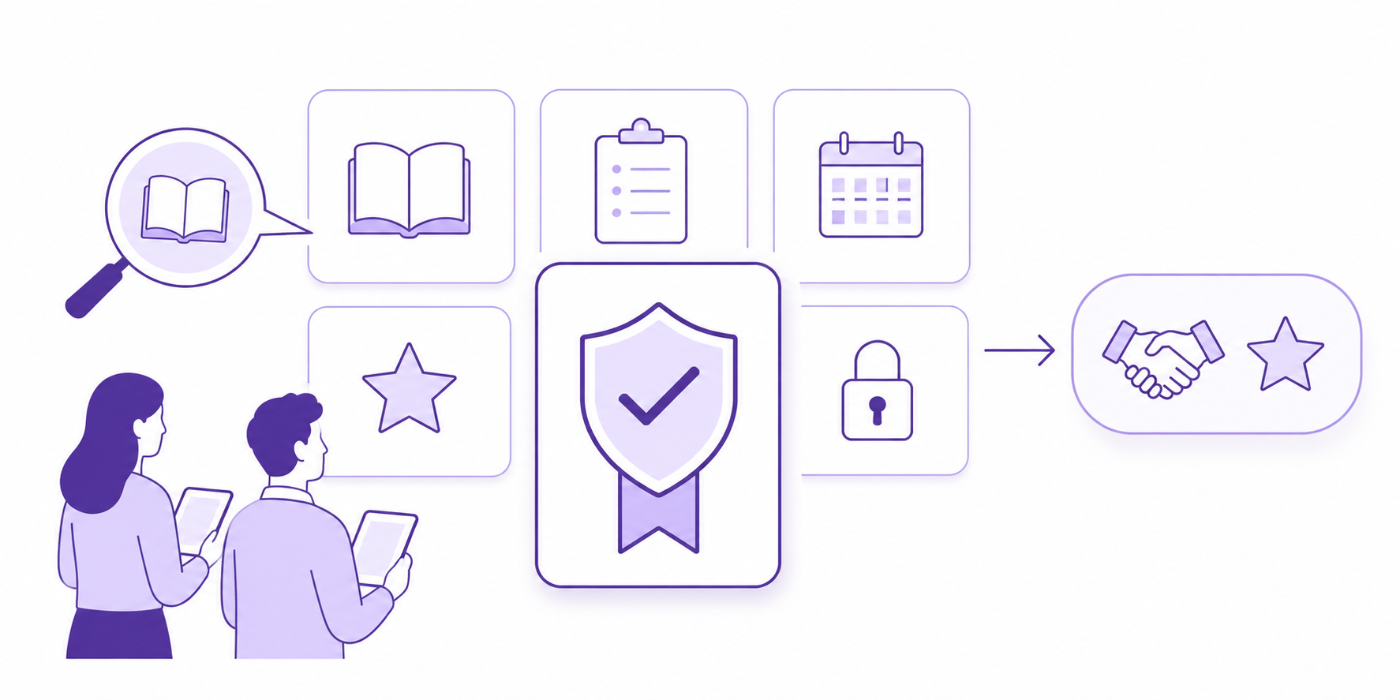
1. Why CPD Accreditation Matters for Coaches Who Want Real Credibility
A coach can have passion, life experience, and a sincere desire to help, but clients still need a reason to trust the structure behind the work. CPD accreditation helps by showing that a coach has invested in ongoing professional development instead of relying only on personality, motivational language, or informal advice. This matters even more when clients compare options online, review credentials, and look for signs that a coach understands coaching integrity, ethical coaching responsibilities, and professional coaching standards.
The biggest benefit is trust compression. A client who sees CPD accreditation can understand faster that the coach has completed structured learning, followed a professional development pathway, and taken skill-building seriously. That does not replace skill, presence, or outcomes, but it strengthens the first impression that often decides whether a client books a call. For coaches building a newer practice, this can support the same positioning work discussed in how certification differentiates your health coaching business, health coach certification credentials on a resume, and essential coaching certification resources.
CPD accreditation is also valuable because coaching buyers have become more careful. Many clients have been burned by vague promises, overconfident advice, and programs that feel more like hype than transformation. They want evidence that a coach can hold boundaries, communicate responsibly, and use methods that fit the client’s actual life. That makes CPD especially useful for coaches who want to build around client trust, safe coaching environments, and emotional consent in coaching.
Many coaches struggle because their offer sounds similar to every other offer. They say they help clients gain clarity, build confidence, reduce stress, or change habits, but the market has heard those claims thousands of times. CPD accreditation gives the coach a stronger professional signal. It allows the coach to explain what they studied, how it improved their practice, and why that learning helps clients avoid confusion, inconsistency, and poor follow-through. That connects directly with the science of behavior change, habit formation in coaching, and accountability in coaching success.
| Coaching Growth Area | CPD Accreditation Benefit | Client-Facing Proof | Business Impact | Best ANHCO Resource to Pair With It |
|---|---|---|---|---|
| Trust building | Shows the coach takes structured professional learning seriously. | Credential page, onboarding packet, discovery-call explanation. | Reduces hesitation from clients who fear unqualified advice. | Why trust matters in coaching |
| Resume credibility | Makes training easier to present clearly to employers and partners. | Credential section, certification line, CPD hours summary. | Supports interviews, partnerships, and referral conversations. | How to list coaching credentials |
| Professional positioning | Helps a coach explain why their training is more serious than generic online learning. | Website bio, consultation script, program brochure. | Improves differentiation in crowded coaching markets. | How certification differentiates your business |
| Client safety | Encourages coaches to learn boundaries, scope, ethics, and referral awareness. | Clear coaching agreement and ethical practice statement. | Reduces confusion when clients bring complex emotional or health issues. | Ethical responsibilities for coaches |
| Ongoing skill development | Creates a reason to keep learning after initial certification. | Annual learning log and updated service methods. | Prevents skill stagnation and outdated coaching habits. | Online courses for continuous education |
| Certification planning | Helps coaches choose learning that supports a real career path. | Training roadmap matched to niche and client needs. | Prevents wasted money on attractive but misaligned courses. | Which certification is right for you |
| Niche authority | Lets coaches build proof around a focused specialty. | CPD topics aligned with stress, habits, wellness, leadership, or relationships. | Supports clearer messaging and stronger client fit. | Coaching toolkit for every niche |
| Client outcomes | Pushes coaches to improve methods instead of repeating motivational scripts. | Better assessments, check-ins, and action plans. | Improves retention because clients feel progress more clearly. | How the world’s best coaches get results |
| Behavior change skill | Supports stronger understanding of habits, resistance, and follow-through. | Habit plans, relapse planning, small-step coaching tools. | Reduces client drop-off after the first burst of motivation. | Science of behavior change |
| Accountability systems | Improves how coaches design check-ins without creating dependency. | Weekly reflection forms and progress review notes. | Helps clients continue when life becomes busy or stressful. | Accountability in coaching |
| Client communication | Strengthens listening, questioning, feedback, and expectation-setting. | Session notes, client language, feedback process. | Prevents misunderstandings that damage trust. | Communication secrets for coaches |
| Feedback quality | Helps coaches give direction without sounding judgmental or vague. | Constructive feedback scripts and review frameworks. | Clients accept corrections faster and feel respected. | Constructive feedback clients hear |
| Scope clarity | Shows coaches where coaching ends and referral may be needed. | Referral policy, intake screening, risk flags. | Protects the client and the coach’s professional reputation. | Avoiding career-ending mistakes |
| Portfolio strength | Gives coaches a better way to document learning and client value. | Case studies, reflective logs, coaching tools, sample frameworks. | Helps coaches prove competence beyond a certificate image. | Effective certification portfolio |
| Interview readiness | Gives coaches stronger examples when explaining their training. | Prepared stories about client scenarios and professional learning. | Improves confidence in credentialing and job interviews. | Certification interview mastery |
| Credentialing accuracy | Helps coaches avoid overstating credentials or confusing clients. | Clean bio language and accurate certification descriptions. | Protects credibility when clients verify claims. | Credentialing mistakes to avoid |
| Health coaching positioning | Supports stronger credibility in wellness, prevention, and lifestyle change spaces. | Training page linked to health behavior and client support. | Helps health coaches compete with better-known credentials. | Online health coach certifications |
| Life coaching growth | Supports a more professional route into coaching conversations and transformation work. | Life coaching certification page and development record. | Helps clients separate trained coaches from casual advice providers. | Online life coach certification programs |
| Business confidence | Gives coaches more confidence to explain pricing and value. | Offer page, sales call language, premium package rationale. | Supports stronger conversion without pressure tactics. | High-ticket coaching offers |
| Client retention | Improves the quality of sessions, follow-ups, and progress structure. | Retention plan, milestone reviews, continuation pathways. | Clients stay longer when progress feels organized and visible. | Client retention strategies |
| Client experience | Helps coaches design a smoother, more supportive coaching journey. | Welcome process, progress dashboard, feedback loop. | Creates loyalty and referrals through a better client experience. | Exceptional client experiences |
| Technology adoption | Helps coaches choose tools that support outcomes instead of adding clutter. | Client portal, scheduling, habit tracking, feedback forms. | Saves time while improving accountability and communication. | Technology transforming coaching |
| Automation quality | Encourages coaches to automate reminders, onboarding, and follow-ups responsibly. | Email sequences, check-in workflows, CRM reminders. | Prevents lost leads and inconsistent client communication. | Essential automation tools |
| Future readiness | Helps coaches keep pace with industry expectations and client behavior. | Annual CPD review and updated practice priorities. | Keeps the coaching business relevant as standards rise. | Future-proof your coaching practice |
| Market awareness | Connects professional development with actual industry shifts. | Updated niche strategy and service improvement plan. | Helps coaches stop copying outdated offers. | State of the coaching industry |
| Client preference alignment | Helps coaches learn what modern clients expect from coaching support. | Better onboarding questions and service design. | Improves fit between the program and the client’s real life. | Client preferences shaping coaching |
| Practice scalability | Turns learning into systems, templates, and repeatable service quality. | Documented coaching process and reusable delivery assets. | Supports growth without lowering coaching standards. | Scale your coaching practice |
| Risk reduction | Helps coaches spot weak areas before they become reputation problems. | Ethics review, documentation habits, boundary updates. | Reduces the chance of client complaints and unclear expectations. | Handling difficult client situations |
| Referral power | Gives other professionals clearer reasons to refer clients. | Professional bio, scope statement, service overview. | Builds partner confidence and referral quality. | Networking secrets for coaches |
| Long-term mastery | Turns coaching into a lifelong learning profession instead of a one-time course. | CPD record, reflective practice, updated tool library. | Builds depth, confidence, and stronger client results over time. | How coaches reach mastery |
2. How CPD Accreditation Strengthens Client Trust Before the First Session
Clients usually decide whether a coach feels credible before the first paid session. They scan the website, read the bio, compare language, and look for signs that the coach understands their problem deeply. CPD accreditation helps that first trust layer because it gives the coach something concrete to explain. A coach can point to current learning, structured development, and a commitment to improving practice. That aligns naturally with trust as a coaching asset, coaching certification differentiation, and certification credentials that belong on a resume.
The pain point is simple: clients are tired of vague claims. They have seen coaches promise transformation without explaining the process. They have seen social media advice that sounds confident but collapses when applied to a real life full of stress, family pressure, work fatigue, health limitations, and inconsistent motivation. CPD accreditation lets the coach move the conversation away from “believe me” and toward “here is how I keep my practice trained, current, and responsible.” That supports better positioning around client expectations, coaching communication, and safe coaching environments.
It also gives clients language they can repeat. A client may not understand every coaching model, but they can understand that a coach completes continuing professional development, updates skills, and uses learning to improve client support. That repeatable explanation matters when a client is deciding between multiple coaches, justifying an investment to a partner, or returning after a disappointing experience elsewhere. Coaches who also build a strong coaching case study portfolio, use client testimonials carefully, and track client feedback for growth can turn CPD accreditation into visible proof rather than a small badge on a page.
The best coaches do not hide CPD in a footer. They connect it to client outcomes. For example, a coach might say that recent CPD helped them improve habit design, client check-ins, stress coaching, feedback delivery, or ethical boundaries. That is much stronger than simply listing a certificate. It shows the client how the learning affects the session, the plan, and the follow-through. This is where CPD connects directly with habit formation tools, interactive goal tracking, and using surveys and feedback tools.
3. How CPD Accreditation Helps Coaches Improve Real Client Outcomes
The strongest benefit of CPD accreditation appears after the client has already signed up. At that point, marketing becomes less important than delivery. The client needs better questions, sharper reflection, clearer goals, steadier accountability, and practical support when motivation drops. CPD accreditation can push coaches to keep improving the actual mechanics of their work, especially when paired with deeper study in behavior change science, transformational coaching strategies, and strength-based coaching techniques.
This matters because many coaching programs fail at the same point: the client leaves the session inspired, then real life breaks the plan. The client forgets the goal, avoids the difficult action, feels ashamed about slipping, or starts believing they are the problem. A coach with stronger CPD habits is more likely to spot these patterns early and design coaching that survives ordinary human inconsistency. That means better check-ins, better barrier planning, better emotional pacing, and better use of tools like daily journaling prompts, gratitude journal coaching, and powerful client journaling tools.
CPD accreditation also helps coaches move past one-method coaching. Some clients respond well to direct action plans. Others need reflective work, confidence rebuilding, emotional regulation, values clarification, or practical environmental changes. Continuing professional development gives coaches a way to keep expanding the toolkit without becoming scattered. A coach may build skills in solution-focused brief coaching, appreciative inquiry, inner critic management, and life mapping while still keeping a clear core method.
The danger for coaches is collecting courses without changing practice. CPD has value when the coach turns learning into better session design. After completing CPD, the coach should ask: What will I now assess earlier? What question will I ask differently? What client risk will I notice sooner? What habit plan will I make smaller? What boundary will I explain more clearly? Those questions turn accreditation into client benefit. They also fit the deeper professional habits covered in how coaches can actually change client diets, understanding client anxiety and stress, and supporting clients during emotional crises.
4. How CPD Accreditation Supports Pricing, Positioning, and Career Growth
Coaches often undercharge because their value feels hard to explain. They know they can help, but they struggle to show why their work deserves serious investment. CPD accreditation helps coaches build a more professional value story. It can support the message behind high-ticket coaching offers, profitable coaching practice growth, and benchmarking a coaching business because it gives the coach a clearer development history to connect with outcomes.
This does not mean CPD automatically justifies higher prices. The coach still needs strong delivery, clear packaging, consistent client experience, and proof. But CPD accreditation can strengthen the foundation underneath those pieces. A coach who has completed CPD in communication, habit change, ethical practice, client feedback, or niche-specific coaching can explain how that learning improves the program. That is stronger than saying “I charge more because I am experienced.” It connects pricing to skill, structure, and service quality, which also supports exceptional client experiences, client retention strategies, and coaching business growth through feedback.
CPD accreditation also helps career mobility. A coach may want to move into health coaching, life coaching, relationship coaching, corporate wellness, mental health support, or financial coaching. Each direction requires different language, different boundaries, and different proof. CPD gives the coach a way to keep building relevant competence over time. This matters for coaches exploring mental health coaching careers, relationship coaching pathways, financial coaching careers, or preventative health coaching.
For newer coaches, CPD can also reduce the panic of feeling “behind.” Many people enter coaching after a career change, personal transformation, wellness journey, or leadership role. They may have strong life experience, but they still need a learning pathway that feels credible. CPD accreditation can create that bridge. It allows the coach to start with a foundation, keep building, and document growth in a way that supports quick online health coach certification, online life coach certification, and how quickly life coach certification can be earned.
The business benefit becomes even stronger when CPD is connected to visible assets. Coaches should update their website bio, create a short professional development statement, add CPD to their credential page, build case studies, and explain how recent learning changed their process. This connects CPD with coaching certification portfolios, case studies that boost credibility, and coaching resource hubs. A certificate hidden in a drawer has limited value; a certificate connected to a clearer client journey becomes a serious trust signal.

5. How Coaches Should Choose CPD Accredited Training Without Wasting Money
The biggest mistake is choosing CPD training because the sales page feels exciting. Coaches should choose CPD based on the problems they actually need to solve in their practice. If clients keep ghosting after two sessions, the coach may need better accountability systems. If clients feel overwhelmed, the coach may need better goal design. If clients bring stress and anxiety into every session, the coach may need stronger emotional safety and referral awareness. This selection discipline connects with which certification is right for you, common credentialing mistakes, and must-have tools for starting a coaching business.
A smart CPD decision starts with a practice audit. Coaches should look at client intake, session notes, retention patterns, testimonials, refund requests, stalled goals, and common client objections. The best CPD topic is often hiding inside repeated friction. If clients constantly say they know what to do but cannot do it, study behavior change and habit formation. If clients struggle with self-talk, study inner critic management, positive psychology coaching, and strength-based coaching. If clients need better reflection, build around journaling tools, life mapping, and visualization methods.
Coaches should also check whether the training helps with ethical clarity. Coaching can become risky when a coach drifts into therapy-like conversations, gives health advice outside their scope, or promises outcomes they cannot control. A valuable CPD pathway should strengthen boundaries, documentation, consent, and referral judgment. That is why CPD should be considered alongside ethical responsibilities, emotional consent, safe coaching environments, and legal requirements for coaches.
Another strong test is implementation speed. After completing the CPD course, can the coach immediately improve an intake form, session structure, client worksheet, feedback script, or follow-up system? Training that only adds theory may feel impressive but produce little client-facing change. Training that gives the coach better methods can improve the next session. Coaches using custom coaching dashboards, goal tracking tools, surveys and feedback tools, and automated email sequences can turn CPD into operational improvement quickly.
Finally, coaches should document the learning. A CPD log should include the course name, date, provider, hours, skills learned, client relevance, and one concrete practice change. That final column is the most important. It proves the coach used the learning, rather than collecting badges. This documentation supports stronger certification interviews, better credentialing portfolios, and cleaner resume credential presentation.
6. FAQs About the Benefits of CPD Accreditation for Coaches
-
CPD accreditation means a learning program has been structured around continuing professional development, which helps coaches show that their education continues beyond one initial certification. For coaches, this can support credibility, skill maintenance, and professional growth. It is especially useful when paired with a clear CPD accredited life coach certification, a strong coaching certification portfolio, and accurate credential listing on a resume. The real value comes from applying the learning inside sessions, not simply displaying another badge.
-
CPD accreditation can help coaches win more trust, especially when clients are comparing several professionals. It gives coaches a stronger credibility signal and a better way to explain their development. However, client acquisition also depends on positioning, proof, communication, and service quality. Coaches should connect CPD with certification differentiation, client testimonials, case studies, and digital marketing tools for coaches so prospects can clearly see the value.
-
Experienced coaches may benefit even more because CPD helps prevent professional drift. After years of coaching, it is easy to rely on familiar questions, familiar tools, and familiar assumptions. CPD keeps the coach exposed to updated methods, client expectations, ethical standards, and industry shifts. It also supports deeper work in coaching mastery, future coaching trends, client preference changes, and state of the coaching industry insights.
-
A coach should display CPD accreditation in a way that connects directly to client value. A simple badge can help, but the stronger approach is a short explanation of what the coach studied, why it matters, and how it improves the client experience. Add it to the bio, credential page, program page, and onboarding materials. Coaches can strengthen this with coaching integrity, ethical responsibilities, and trust-building coaching content.
-
The most valuable CPD training depends on the coach’s niche, client problems, and current skill gaps. Many coaches benefit from training in communication, habit change, ethical practice, accountability, client feedback, emotional safety, and business systems. A health coach may prioritize habit formation, preventative health coaching, and behavior change science. A life coach may focus on solution-focused coaching, life mapping, and inner critic techniques.
-
Client retention improves when clients feel seen, guided, and supported between sessions. CPD can help coaches improve session design, follow-up quality, accountability systems, communication, and progress tracking. A coach who studies retention-related skills can build better check-ins, clearer milestones, and more useful client reflections. This pairs well with client retention strategies, goal tracking tools, feedback tools, and exceptional client experiences.
