
Navigating Legal Requirements for Coaches
Navigating legal requirements as a coach means building a practice that protects clients before problems appear. A strong legal setup gives your coaching work structure, especially when you combine health coaching certification, professional boundaries, ethical coaching principles, and client trust. The goal is simple: make your offer clear, keep your scope safe, protect private information, market honestly, document responsibly, and know when a client needs a licensed professional instead of another coaching session.
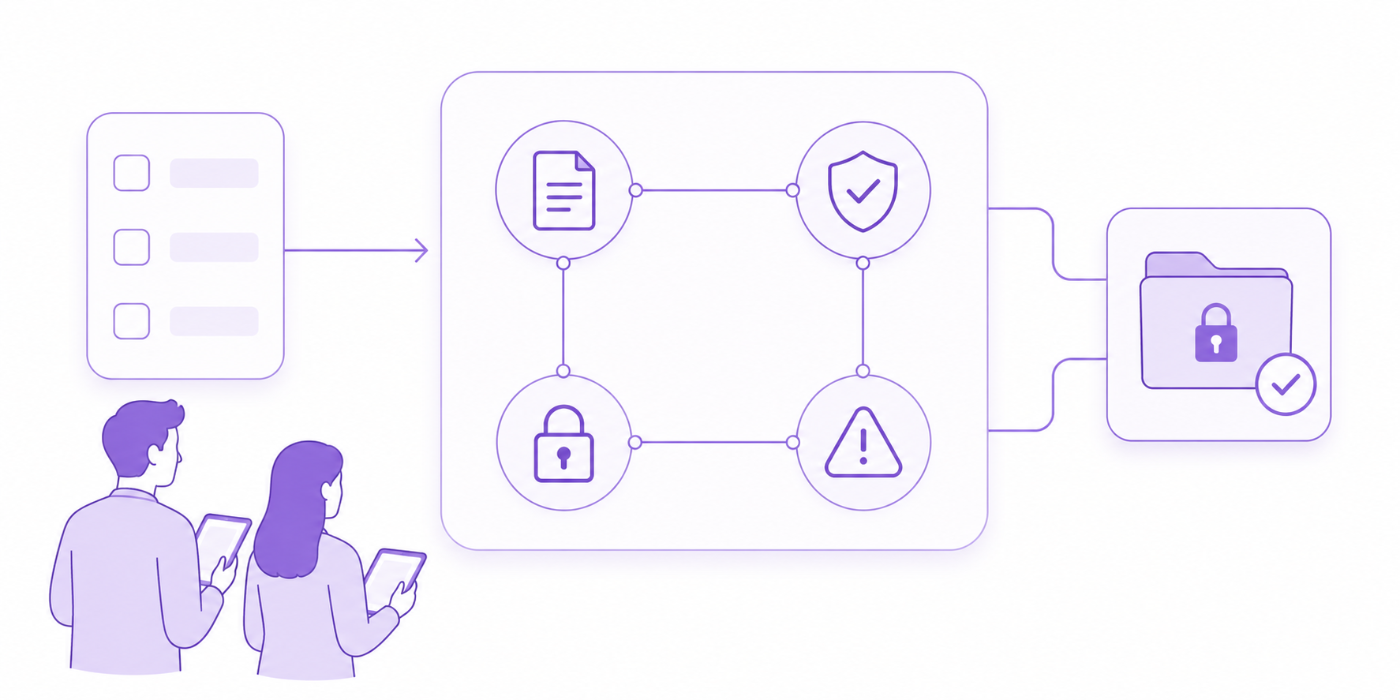
1. The Legal Foundation Every Coach Should Set Before Taking Clients
A coach needs a legal foundation before the first discovery call, first payment, or first client questionnaire. That foundation begins with business structure, local registration, written service terms, tax readiness, insurance, intake consent, and a clear scope statement. The U.S. Small Business Administration tells small businesses to choose a structure, register the business, get federal and state tax IDs, apply for licenses and permits, open a business bank account, and get insurance as part of the launch process. For coaches, those steps connect directly to building a thriving coaching practice, coaching certification credentials, and career credibility.
The biggest mistake is treating coaching like an informal conversation business. A paid coaching relationship creates expectations around confidentiality, payment, outcomes, cancellations, refunds, communication, digital records, and client safety. A coach who uses coaching session templates, case study templates, and client feedback tools still needs written agreements that explain what the service includes and where the service stops. This protects the client from confusion and protects the coach from promises they never meant to make.
Taxes also need early attention. The IRS explains that self-employed individuals generally file an annual income tax return and pay estimated taxes quarterly. Coaches who sell packages, workshops, digital products, retreats, or consulting add-ons should track income carefully, separate business finances, and speak with a tax professional before revenue becomes messy. A coach using payment systems, financial forecasting, and coaching business automation can look professional on the outside while still creating serious risk through poor bookkeeping, late tax planning, or unclear refund rules.
2. Scope Of Practice: The Line That Protects Clients And Your Career
Scope of practice is the center of legal safety for coaches. A coach can support goals, habits, self-awareness, accountability, confidence, communication, motivation, and implementation. A coach can use powerful questioning techniques, effective listening, goal tracking tools, and habit formation tools. The legal danger begins when a coach starts diagnosing, treating, prescribing, managing medical conditions, providing therapy, handling trauma as clinical treatment, or positioning general wellness advice as individualized medical care.
The safest coaches use scope language everywhere: discovery calls, websites, contracts, onboarding forms, email sequences, and session notes. If a client says, “Can you tell me what supplements to take for my thyroid?” the coach can redirect toward a licensed provider while supporting question preparation, habit tracking, meal-planning organization, or accountability. If a client says, “I think my anxiety is getting worse,” the coach can use calm support, pause the coaching agenda, encourage appropriate care, and follow a referral policy aligned with emotional crisis support, stress coaching strategies, and professional coaching ethics.
Health and nutrition coaching require special caution because state and country rules vary. General education about hydration, movement routines, grocery planning, sleep hygiene, habit loops, meal structure, and accountability usually sits closer to coaching. Personalized treatment plans, disease-specific protocols, diagnostic interpretation, and medical nutrition therapy can trigger regulated practice issues depending on the jurisdiction. A coach building a preventative health coaching offer, mental health coaching, or relationship coaching pathway should write referral triggers before taking complex clients.
A practical scope statement should say what coaching covers, what it excludes, how referrals work, and how clients should handle medical or mental health concerns. Strong coaches repeat that statement without sounding defensive. They position it as client care. This builds trust because mature clients can feel when a practitioner knows their lane. Coaches who master client empowerment, constructive feedback, and deep trust building understand that legal boundaries make the work stronger, cleaner, and easier to respect.
3. Contracts, Disclosures, Privacy, And Records
A coaching contract should answer the questions clients usually ask after a conflict has already started: What did I buy? How long does it last? What happens if I miss a session? Can I pause? Can I get a refund? What result was promised? How do we communicate between sessions? What happens if I need therapy, medical help, or crisis care? A coach who uses client management tools, CRM tools, and interactive coaching exercises still needs a plain contract that removes confusion before emotions rise.
Privacy deserves the same seriousness. HIPAA applies to covered entities and business associates, and HHS explains that business associates can have direct compliance responsibilities under HIPAA rules. Many independent coaches may fall outside HIPAA, while state privacy, consumer protection, contract, confidentiality, and platform obligations can still matter. Washington’s My Health My Data Act, for example, was designed to strengthen protections for Washington consumers’ health data held by certain non-HIPAA entities, including some apps and websites. A coach using wearable technology, client dashboards, or video conferencing tools should avoid casual data handling.
Good recordkeeping means keeping enough information to support continuity, safety, and accountability while avoiding unnecessary sensitive detail. Session notes should focus on client goals, agreed actions, barriers, referrals, consent, and follow-up. A coach using daily journaling prompts, powerful client journaling tools, life mapping, or gratitude journal coaching should explain who can see those records, where they live, how long they are kept, and how clients can request deletion or copies when applicable.
Privacy mistakes often happen through convenience. A coach takes notes in a random app, stores forms in a personal drive, records Zoom sessions without fresh consent, sends progress screenshots through social media DMs, or uses a testimonial with a client’s full story because the transformation feels powerful. These shortcuts damage trust. Strong coaches use coaching confidentiality, safe coaching environments, emotional consent, and ethical dilemma frameworks as daily operating standards.
4. Marketing, Testimonials, AI, And Health Claims
Marketing is where many coaches create legal risk without realizing it. A coach may write “I help clients reverse burnout,” “I cure emotional eating,” “My program fixes hormones naturally,” or “Every client loses weight in 30 days” because the copy sounds persuasive. The FTC’s health products guidance says health-related claims should be truthful, not misleading, and supported by science. Coaches can still communicate powerfully by focusing on process, support, education, accountability, behavior design, and client participation. That fits naturally with behavior change science, habit formation, positive psychology coaching, and strength-based coaching.
Testimonials need clear permission and careful context. The FTC’s endorsement guidance covers disclosures around endorsements and material connections, and the updated endorsement guides address how testimonials and endorsements should avoid misleading consumers. If a coach offers a free month for a testimonial, receives affiliate revenue, posts before-and-after results, or highlights one exceptional client, the audience needs enough context to understand what is being shown. Coaches can use client testimonial capture, case studies that build credibility, and successful coach-client transformations without making rare outcomes look guaranteed.
Email marketing also has rules. The FTC’s CAN-SPAM guidance tells businesses to avoid false header information, avoid deceptive subject lines, identify advertising messages, include a physical address, and provide a way to opt out. Coaches using automated email sequences, digital marketing tools, and YouTube channel growth should treat compliance as part of brand trust. A clean list, honest subject line, and easy unsubscribe process make a coach look more professional than manipulative scarcity ever could.
AI creates another layer. Coaches may use AI to summarize notes, write follow-up emails, generate habit plans, draft reflection prompts, or analyze client forms. The safer approach is to avoid placing identifiable client details into tools without a clear policy, client consent, and vendor review. Coaches exploring AI client interactions, coaching automation, coaching technology transformation, and next-level automation tools should write an AI use policy that explains what the tool does, what data goes into it, what stays human-reviewed, and what clients can opt out of.

5. Build A Compliance System You Can Actually Maintain
A legal setup should be usable. Coaches get into trouble when compliance lives in a folder they only open after a complaint. Build a system around five recurring habits: monthly claim review, quarterly privacy review, annual contract review, session-note discipline, and referral documentation. That system supports exceptional client experiences, client retention, client engagement, and coaching mastery because the coach spends less energy fixing preventable confusion.
Start with a legal dashboard. Keep your business registration, insurance certificate, contracts, consent forms, privacy policy, refund policy, referral list, testimonial releases, marketing claim bank, email compliance notes, and tool inventory in one organized place. A coach already using coaching resource libraries, coaching toolkits, client portals, and resource hubs can build this without overcomplicating the practice.
Then create red-flag scripts. A client asks for diagnosis: refer. A client mentions self-harm: activate emergency guidance and referral policy. A client asks for supplement instructions for a medical condition: refer to a licensed professional. A client wants therapy-level trauma processing: refer. A client requests secrecy around serious harm: follow your policy and relevant law. These moments need steady language. Coaches who practice difficult conversations, conflict resolution, communication techniques, and powerful questioning can stay compassionate without drifting outside scope.
Finally, review your niche. Legal exposure changes when your offer changes. A financial coach faces different issues from a grief coach. A relationship coach handles different boundaries from a health coach. A corporate wellness coach may need different contracts from a creator selling digital courses. Coaches pursuing financial coaching, grief and loss coaching, relationship coaching, or executive coaching should tailor contracts, privacy practices, referral networks, and marketing language to the actual risk profile of the work.
6. FAQs About Legal Requirements For Coaches
-
Many coaches can practice without a coaching-specific government license, depending on location and services, while business licenses, tax registration, professional permits, privacy rules, and scope-of-practice laws may still apply. The SBA says most small businesses need some combination of licenses and permits from federal and state agencies, depending on business activity. A coach should check local requirements before launching a health coaching business, promoting life coach certification, or choosing a profitable coaching niche.
-
A strong contract should include service description, scope limits, fees, payment schedule, refunds, cancellations, communication rules, confidentiality limits, client responsibilities, referral language, session recording rules, intellectual property terms, and dispute process. The contract should match the real delivery model, especially for online coaching programs, virtual coaching tools, group coaching communities, and interactive workshops.
-
A health coach can often provide general wellness education, accountability, meal-planning support, habit coaching, grocery organization, and lifestyle structure. Personalized medical nutrition therapy, treatment protocols, disease-specific diet prescriptions, and clinical interpretation may require licensed credentials depending on location. Coaches working with client diets, preventative health coaching, behavior change, and self-care coaching should write nutrition boundaries into contracts and onboarding forms.
-
Some coaches may be covered through a healthcare relationship, business associate role, clinic arrangement, or covered platform workflow, while many independent coaches may operate outside HIPAA and still face privacy obligations under state law, contract law, consumer protection expectations, and platform terms. HHS identifies covered entities and business associates as key HIPAA categories, and CMS provides tools for determining covered-entity status. Coaches using session recording tools, coaching dashboards, and wearable tech should get privacy guidance before collecting sensitive health data.
-
Coaches should avoid guaranteed outcomes, cure language, disease-treatment promises, unrealistic timelines, misleading testimonials, vague credential claims, and exaggerated income or health results. Safer marketing explains the process: coaching support, accountability, education, reflection, habit design, and implementation. This matches client accountability, goal-setting techniques, coaching communication, and client motivation strategies.
-
Review legal documents whenever the offer changes, the client type changes, the coach adds contractors, the coach starts using new technology, the coach expands into another location, or the coach introduces group programs, digital products, retreats, testimonials, recordings, wearables, or AI. A yearly review is a strong baseline, but fast-growing practices need more frequent updates. This fits naturally with future-proofing your coaching practice, coaching industry trends, and coaching business growth.
