
Comparing CPD Certification with Other Coaching Accreditations
Comparing CPD certification with other coaching accreditations matters because the word “accredited” can hide very different career outcomes. A CPD-accredited life coach certification may sharpen skills quickly, while ICF certification, NBHWC certification, and other credentialing routes may carry different recognition, assessment, practice-hour, or niche requirements. The smart move is to choose the pathway that matches your clients, your market, your timeline, your budget, and the level of professional proof you need.
1. What CPD Certification Actually Means Compared With Coaching Accreditation
CPD stands for continuing professional development, and in coaching it usually means a course, workshop, training pathway, or learning activity has been reviewed as professional development. CPD accreditation providers describe CPD accreditation as an independent review of structured learning such as courses, events, and professional education. That makes CPD valuable for coaches who want practical skill-building, especially when they are building a life coach certification pathway, strengthening health coach certification credentials, or adding focused tools to a coaching toolkit.
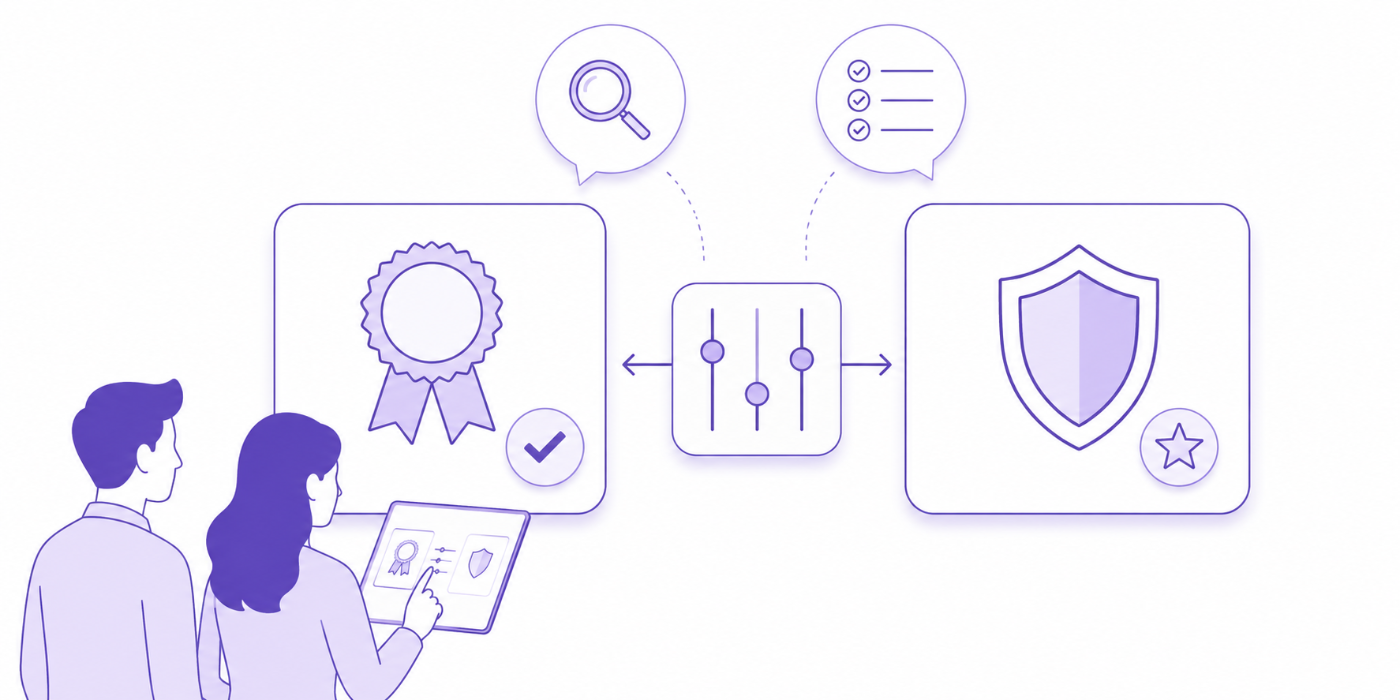
The important distinction is that CPD accreditation often validates the learning activity more than the coach’s entire professional standing. A CPD course may teach powerful questioning techniques, effective listening, goal-setting methods, or habit formation coaching. A full professional credential may require coaching hours, mentor coaching, performance evaluation, exam preparation, ethics review, supervision, or renewal requirements. That difference becomes serious when a coach wants employer recognition, referral partnerships, corporate contracts, healthcare-adjacent credibility, or a premium positioning strategy.
ICF credentials, for example, are personal coaching credentials with levels such as ACC, PCC, and MCC, and ICF presents them as professional credentials for coaches at different stages of education, experience, and demonstrated practice. NBHWC is more specific to health and wellness coaching; its eligibility path includes an NBHWC-approved training program, coaching session requirements, and education or work-experience requirements before the board exam. EMCC Global offers individual accreditation for coaches and mentors through EIA levels such as Foundation, Practitioner, Senior Practitioner, and Master Practitioner.
This is where many coaches waste money. They see “certified,” “approved,” “accredited,” or “internationally recognized” and assume every badge carries the same market weight. A coach building client trust, coaching integrity, and professional boundaries needs sharper thinking. CPD can be excellent for learning and growth. ICF, NBHWC, EMCC, university-backed programs, and niche-specific credentials may serve different goals. The best pathway is the one your future clients, employers, referral partners, and scope of practice will actually respect.
2. CPD Certification Is Strongest When You Need Flexible, Practical Skill Growth
CPD certification is especially useful when a coach needs practical, focused learning without waiting years to apply new skills. A coach can use CPD training to strengthen communication techniques, deepen emotional intelligence coaching, improve client feedback conversations, or sharpen client accountability systems. This matters because many coaches do not fail from lack of passion. They fail because their sessions feel inspiring in the moment and then collapse between calls.
The best CPD courses help coaches solve specific delivery problems. A coach who struggles with vague client goals may need SMART goals training. A coach whose clients lose momentum may need micro-coaching strategies, habit formation tools, or positive behavior reinforcement. A coach working with stressed clients may need better stress management techniques, burnout coaching strategies, and work-life balance methods.
CPD also works well for niche stacking. A coach may start with a core program, then add CPD courses in journaling prompts, life mapping, gratitude journal coaching, visualization and guided imagery, or strength-based coaching. That stack can make a coach more useful in real sessions, especially when the learning includes practice, supervision, reflection, and client-ready tools.
The weak version of CPD is certificate collecting. Coaches buy short courses because the badge looks nice, then never change their intake process, session structure, referral boundaries, or client follow-up. That creates a painful credibility gap. A coach may list ten certificates while still mishandling difficult client conversations, conflict resolution, client anxiety and stress, or professional boundaries. CPD becomes powerful when every course improves a live coaching behavior.
3. ICF, NBHWC, EMCC, And Professional Accreditations Signal Deeper External Validation
Other coaching accreditations usually matter when a coach needs stronger external validation. ICF is widely discussed in professional coaching because it offers credential levels such as ACC, PCC, and MCC, plus credential pathways tied to education, experience, and assessment. A coach pursuing ICF credentialing skills, ICF application readiness, or ICF exam preparation usually needs more than a pleasant coaching style. They need observable competence.
NBHWC is different because it is health-and-wellness specific. Its board-certification route includes an approved training program, documented coaching sessions, and eligibility requirements before candidates sit for the exam. That makes NBHWC especially relevant for coaches building a health coaching career roadmap, comparing health coaching certification programs, or preparing through NBHWC practice questions. Health clients often arrive with medical conditions, medication questions, weight concerns, stress patterns, and diet confusion, so credibility and scope discipline become inseparable.
EMCC sits in another lane, with coaching and mentoring accreditation levels that can appeal to coaches who value reflective practice, mentoring, supervision, and professional maturity. EMCC Global describes individual accreditation for coaches and mentors at Foundation, Practitioner, Senior Practitioner, and Master Practitioner levels. This can suit coaches working in leadership, organizational change, supervision, mentoring, or executive coaching, especially when they also invest in coaching integrity, safe coaching environments, and ethical responsibilities.
The pain point is that formal accreditation can be slower, more expensive, and more demanding. That can be frustrating for coaches who want to start helping clients now. Still, the structure can be a strength. A more rigorous pathway may force the coach to document hours, receive feedback, refine powerful questioning, strengthen effective listening, and prove readiness before making strong professional claims. For coaches targeting corporate buyers, healthcare networks, professional referrals, or premium clients, deeper validation can reduce friction.
4. How To Choose Between CPD, ICF, NBHWC, EMCC, And Niche Certifications
Start with the client you want to serve. A general life coach working with confidence, habits, clarity, and accountability may build a strong foundation through online life coach certification, then add CPD modules in solution-focused brief coaching, appreciative inquiry, inner critic management, and affirmation cards. A health coach working around behavior change, lifestyle support, and wellness accountability may need a route that also prepares them for health coaching certification and safer scope decisions.
Then look at where you plan to work. Private clients may care about clear outcomes, warmth, trust, testimonials, and proof that you can support them. Employers, wellness programs, healthcare-adjacent organizations, and corporate buyers may care more about recognized standards, formal credential names, insurance, ethics, and documented competence. A coach building a relationship coaching career, financial coaching pathway, or mental health coaching niche should evaluate which credential makes the offer safer and easier to trust.
Your timeline matters too. A coach who wants to start practicing soon may choose a strong CPD-accredited course, build a tight scope statement, practice with peer clients, and continue upgrading. A coach targeting recognized credential status may choose a longer ICF, NBHWC, or EMCC-aligned path. A coach who already has a credential may use CPD for specialist growth in client journaling tools, surveys and feedback, goal tracking, and custom coaching dashboards.
Finally, read the fine print before paying. Check who accredits the course, what the accreditation covers, whether coaching practice is observed, whether there is feedback, whether the certificate supports future credentialing, whether the course teaches ethics, and whether the provider explains scope clearly. A program with polished marketing can still leave coaches unprepared for legal requirements, client confidentiality, emotional consent, and client crisis support. Credential decisions should protect clients before they decorate a website.

5. The Best Accreditation Strategy Is Usually A Stack, Not A Single Badge
For many coaches, the strongest path is a stack: one credible foundation, one clear niche, and ongoing CPD that sharpens delivery. A new coach might start with a life coach certification roadmap, build basic competence in coaching communication, strengthen client trust, and then add CPD modules that solve real session problems. This is much stronger than buying random badges because each learning step has a job.
A health-focused coach might choose an NBHWC-aligned or health-specific credential, then add CPD in preventative health coaching, client diet change, self-care coaching, and wearable technology. A life coach may choose a CPD-accredited pathway first, then later pursue ICF if corporate or professional recognition becomes important. An executive coach may pair formal credentialing with CPD in leadership coaching, conflict resolution, and difficult conversations.
Your stack should also include proof assets. Credentials get attention, but proof builds trust. Create anonymized coaching case studies, collect ethical client testimonials, organize coaching session templates, and build a coaching resource library. This turns accreditation into evidence. A client can see what you studied, how you work, and why your process feels safe.
The most dangerous stack is the one built for vanity. If every certificate points in a different direction, your brand becomes confusing. If none of the training improves your actual coaching behavior, clients will feel the gap. If your certificates are strong but your onboarding, contracts, privacy language, and follow-up are weak, your credibility leaks. Build your stack around exceptional client experience, client engagement, coaching business systems, and future-proof coaching practice. That is how accreditation becomes business strength instead of wall art.
6. FAQs About CPD Certification And Coaching Accreditations
-
CPD certification can be enough for some private coaching paths when the course is credible, practical, ethical, and clearly within scope. It may also be a strong starting point for coaches building a CPD-accredited certification, a quick life coach certification, or an online certification pathway. Coaches targeting healthcare-adjacent work, corporate buyers, or recognized credential pathways may need ICF, NBHWC, EMCC, or another professional route.
-
CPD certification and ICF accreditation serve different purposes. CPD usually supports professional-development learning, while ICF credentials such as ACC, PCC, and MCC are professional coaching credentials tied to specific requirements and credential levels. Coaches comparing both should review ICF credentialing skills, ICF application steps, ICF exam mistakes, and certification fit.
-
NBHWC may be stronger for coaches who specifically want board-certified health and wellness coaching recognition. Its pathway includes an approved training program, coaching sessions, and eligibility requirements before the exam. CPD can still be valuable for targeted skill development in behavior change, habit formation, preventative health coaching, and client stress support.
-
List the exact course name, provider, CPD status, completion date, and skill area. Use accurate language such as “completed CPD-accredited training in…” rather than wording that suggests a broader credential than you earned. This matters for credential listing, coaching credibility, client trust, and certification differentiation.
-
Check the accrediting body, curriculum depth, tutor qualifications, assessment type, practice requirements, ethics coverage, refund policy, certificate wording, and whether the course supports your future credentialing plans. A serious coach should also compare the course with top accredited health coach certifications, best online health coach programs, internationally recognized life coaching certifications, and coaching certification costs.
-
Choose the path that matches your target client and long-term market. A new private-practice coach may start with a strong CPD-accredited course and build proof through case studies, session templates, client feedback tools, and ethical coaching standards. A coach aiming for corporate, healthcare-adjacent, or internationally recognized roles may choose ICF, NBHWC, EMCC, or another structured credential first, then use CPD for advanced specialization.
