
Strategies for Coaching Through Economic Changes
Economic change puts pressure on every part of a coaching relationship: client motivation, buying decisions, stress tolerance, goal consistency, and trust. Coaches who understand client anxiety and stress, behavior change, professional boundaries, and coaching integrity can help clients stay stable when prices rise, jobs shift, budgets tighten, or routines collapse. The goal is practical resilience: better decisions, clearer priorities, and coaching plans that still work when life becomes less predictable.
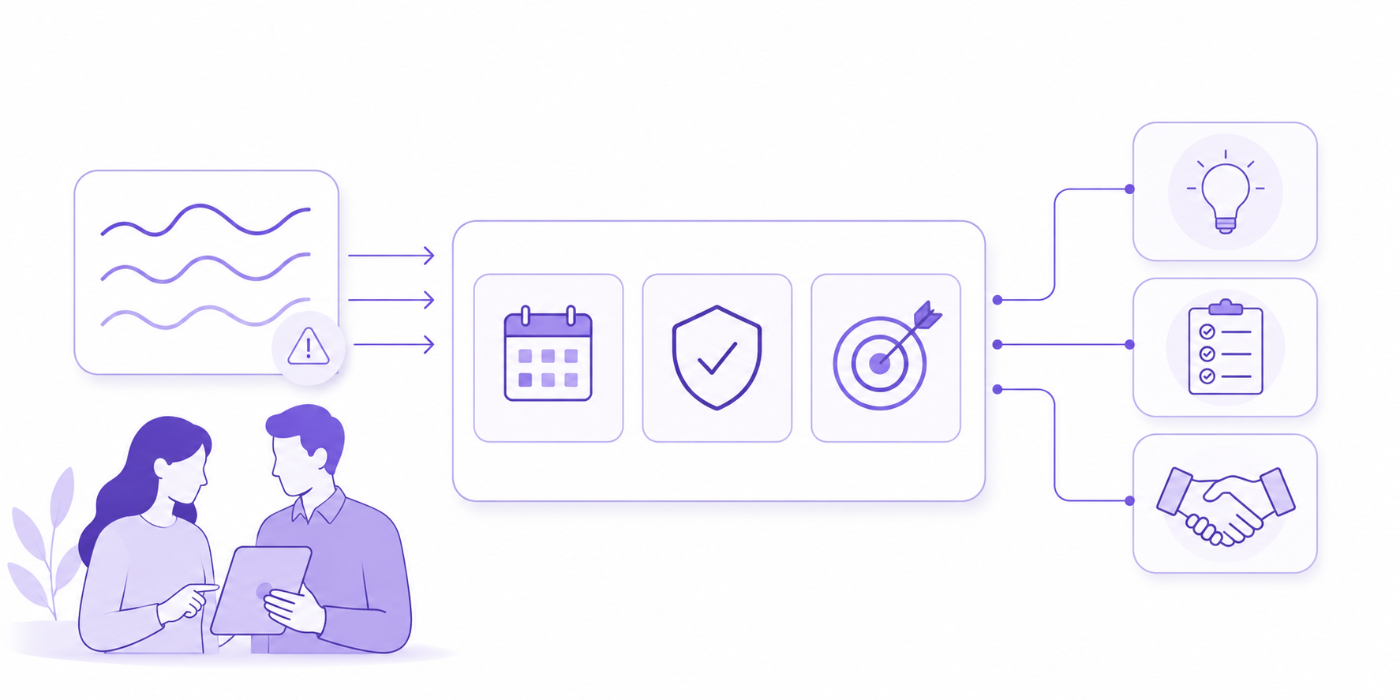
1. Treat Economic Change as a Coaching Context, Not a Side Issue
When the economy changes, clients rarely arrive saying, “My purchasing power has dropped, so my self-regulation system is overloaded.” They say they feel tired, behind, irritated, distracted, guilty, or stuck. A coach trained in effective listening techniques, powerful questioning, emotional intelligence coaching, and constructive feedback can hear the economic pressure behind the behavior without turning every session into a money conversation.
Economic pressure changes decision bandwidth. A client who used to meal prep, exercise, journal, and track sleep may suddenly miss basic actions because rent, job insecurity, caregiving costs, or business volatility are consuming attention. Strong coaching starts by updating the client’s reality map. Coaches can use client feedback tools, interactive goal tracking, habit formation tools, and custom coaching dashboards to identify which goals still fit the client’s current capacity.
The mistake many coaches make is continuing the same plan after the client’s context has changed. That creates shame. The client starts thinking they lack discipline, when the real issue may be energy leakage, decision fatigue, or fear. A coach using transformational coaching strategies, accountability methods, safe coaching environments, and trust-building practices can adjust the plan before the client disappears.
| Client Pressure Point | What It Usually Looks Like | Coaching Strategy | Best ANHCO Resource Angle |
|---|---|---|---|
| Income anxiety | Client keeps postponing health, career, or relationship goals because every choice feels financially risky. | Rebuild goals around essential actions, optional actions, and paused actions so the client sees a path forward. | anxiety coaching strategies |
| Decision fatigue | Client stops choosing well because too many daily choices feel expensive or emotionally loaded. | Create default routines with fewer decisions, especially around food, movement, sleep, and money conversations. | habit formation coaching |
| Price sensitivity | Client questions the cost of coaching even when they still value the relationship. | Clarify outcomes, milestones, proof of progress, and support structure before discussing package changes. | client experience retention |
| Goal collapse | Client abandons a full plan after missing one or two actions. | Use minimum viable goals, recovery rules, and weekly reset prompts. | goal tracking tools |
| Stress eating | Client wants nutrition change but relies on quick comfort habits during pressure spikes. | Build replacement choices around budget, time, cravings, and emotional triggers. | diet coaching change |
| Burnout | Client works longer hours, sleeps worse, and treats self-care as a reward they have to earn. | Protect one daily recovery action and one weekly decompression block before adding performance goals. | burnout coaching strategies |
| Shame around money | Client avoids talking about constraints, then silently fails the plan. | Normalize capacity-based planning and ask permission before discussing sensitive financial context. | emotional consent |
| Program dropout risk | Client misses check-ins, delays replies, and says they are “just busy.” | Move quickly to a rescue rhythm: shorter check-ins, simpler actions, and direct reconnection. | accountability coaching |
| Family pressure | Client’s goals are disrupted by caregiving, household tension, or partner concerns about spending. | Map influence points and identify boundaries the client can actually maintain. | relationship skills coaching |
| Work instability | Client is worried about layoffs, business income, promotion pressure, or schedule changes. | Shift from perfect routines to portable routines that work across unpredictable days. | work-life balance coaching |
| Coaching affordability concerns | Client wants support but feels guilty spending on personal development. | Connect coaching to measurable priorities, decision quality, emotional stability, and avoided regression. | coaching ROI thinking |
| Low motivation | Client knows what to do but no longer feels enough reward to begin. | Use identity-based actions, visible wins, and tiny completion loops. | reinforcing positive behaviors |
| Market fear | Client consumes news constantly and loses emotional regulation. | Create information boundaries and a weekly “what I can control” planning ritual. | stress management techniques |
| Coaching business instability | Coach sees fewer inquiries, more objections, and slower client decisions. | Strengthen positioning, proof, follow-up, referral systems, and value communication. | coaching business benchmarks |
| Emotional overreaction | Client turns one financial setback into a full identity story. | Separate event, interpretation, response, and next action. | inner critic management |
| Health routine affordability | Client drops gym, supplements, therapy-adjacent services, or meal services. | Design lower-cost substitutes without letting the client abandon the underlying goal. | preventative health coaching |
| Inconsistent check-ins | Client stops updating because they feel they have no good news. | Ask for data, barriers, and next smallest action rather than success-only reporting. | surveys and feedback tools |
| Values confusion | Client cannot tell which goals matter when money and time tighten. | Rank goals by cost, impact, urgency, and identity value. | life mapping coaching |
| Ethical risk | Coach feels tempted to promise income, healing, certainty, or guaranteed outcomes. | Use transparent scope, responsible claims, and referral boundaries. | ethical responsibilities |
| Client isolation | Client pulls away from support because money stress feels embarrassing. | Use community prompts, peer wins, and low-pressure connection rituals. | interactive coaching community |
| Payment friction | Client misses invoices, delays renewal, or requests unclear exceptions. | Set payment expectations early and offer clean options without emotional negotiation. | payment systems |
| Fear-based planning | Client makes extreme cuts or extreme commitments because they feel panicked. | Slow the decision, compare trade-offs, and create a 30-day test before major changes. | difficult client conversations |
| Reduced confidence | Client starts believing they are falling behind everyone else. | Track proof of capability, resilience moments, and completed recovery actions. | gratitude journal coaching |
| Niche pressure | Coach worries their niche will stop buying during a downturn. | Reframe messaging around urgent pain, measurable outcomes, and reduced risk. | profitable coaching niches |
| Client overwhelm | Client says every change feels like one more demand. | Use one-action coaching: one habit, one boundary, one decision, one reflection. | micro-coaching |
| Unclear progress | Client cannot justify continuing because progress feels invisible. | Document before-after patterns, avoided relapses, better decisions, and emotional regulation gains. | case study templates |
| Technology fatigue | Client ignores apps, portals, reminders, and dashboards because life feels too noisy. | Use fewer tools with sharper purpose: one tracker, one reminder, one weekly recap. | coaching automation |
| Boundary erosion | Client asks for constant support because uncertainty feels urgent every day. | Clarify response windows, crisis limits, between-session support, and referral pathways. | professional boundaries |
| Future pessimism | Client assumes everything will keep getting harder. | Use scenario planning: stable case, pressure case, recovery case, and next best action. | future-proof coaching |
| Coach self-doubt | Coach feels unsure how to sell or serve when clients are under financial pressure. | Improve value framing, outcome evidence, ethics, and client-fit screening. | trust in coaching |
2. Coach Financial Stress Through Scope, Safety, and Clarity
Economic change can make clients emotionally raw. A health client may feel ashamed about cheaper food choices. A life coaching client may feel trapped in a job they hate. A business-minded client may become obsessed with productivity while ignoring sleep, relationships, and emotional regulation. Coaches should use coaching confidentiality, ethical coaching principles, emotional consent, and safe coaching environment practices before asking deeper questions about money pressure.
The key is scope. Coaches can explore how economic pressure affects habits, emotions, decisions, goals, relationships, and consistency. Coaches should avoid acting like financial advisors, therapists, tax experts, legal advisors, or crisis clinicians. This protects the client and the coach. It also strengthens credibility because professional maturity shows up through clear boundaries, ethical responsibilities, integrity-based practice, and trust-centered coaching.
A powerful session question during economic stress is: “Which part of the plan feels expensive in money, time, energy, or emotion?” That question opens the real problem. A client may afford the program financially while feeling emotionally overdrawn. Another client may have time but no mental bandwidth. Coaches can then redesign the plan using SMART goals, life mapping, daily journaling prompts, and solution-focused brief coaching.
Financial stress also brings hidden identity pain. Clients may feel irresponsible, late, embarrassed, or unsafe. A coach who uses inner critic management, positive psychology frameworks, strength-based coaching, and appreciative inquiry can help clients see capability without pretending pressure is easy.
3. Build Flexible Plans That Survive Budget, Schedule, and Energy Swings
A plan that works only when life is calm will fail during economic turbulence. Coaches need a tiered planning system. Tier one is the baseline: the smallest action that preserves identity. Tier two is the standard plan: what the client does on normal weeks. Tier three is the growth plan: what the client does when time, money, and energy are available. This approach pairs well with micro-coaching, habit formation, goal tracking, and client accountability.
For example, a health coaching client may want a full nutrition reset. During a difficult financial month, the baseline may be one protein-rich breakfast, two lower-cost grocery staples, and one evening walk. The standard plan may include meal planning and workouts. The growth plan may include lab-informed wellness goals, cooking upgrades, or deeper lifestyle redesign. Coaches can support this through preventative health coaching, client diet change strategies, self-care coaching, and work-life balance coaching.
Life coaches can use the same structure with career transitions, relationships, emotional regulation, and confidence. During uncertainty, clients need fewer vague aspirations and more recovery rules. A recovery rule tells the client what to do after missing a goal, overspending emotional energy, skipping a routine, or spiraling into fear. This is where reinforcing positive behaviors, stress management techniques, mindfulness and meditation, and visualization methods become practical tools.
The coach’s job is to keep the client moving without pushing them into unrealistic pressure. Economic change often makes clients swing between over-control and avoidance. A strong coach helps them choose proportionate action. That means asking sharper questions, tracking better signals, and reviewing progress in context. Coaches can use session templates, coaching dashboards, client surveys, and case study documentation to make progress visible.
Poll: What Economic Change Is Hitting Your Coaching Clients Hardest?
4. Protect Client Retention When People Start Cutting Costs
During economic uncertainty, clients review every expense. Coaches who rely only on encouragement become easier to cut. Coaches who create structure, insight, measurable progress, and emotional steadiness become harder to replace. Retention starts with value clarity. Clients should understand what they are working toward, what has improved, what risks have reduced, and what support they would lose by stopping. This connects directly to client experience, feedback systems, testimonials capture, and case study templates.
Coaches should create a monthly value recap. This can include actions completed, patterns noticed, decisions improved, barriers handled, emotional regulation gains, missed-goal recovery, and the next 30-day focus. Clients often forget progress when pressure is high. A recap helps them see coaching as a decision-support system, not just a weekly conversation. Coaches can organize this through CRM tools, coaching software, automated email sequences, and coaching automation.
Retention also depends on early risk signals. A client who replies late, avoids sessions, stops logging, or gives short answers may already be halfway out. Instead of waiting for cancellation, coaches can open a direct, respectful conversation: “Would it help to simplify the plan for the next four weeks?” This protects the relationship while respecting client agency. Coaches can strengthen this skill through difficult conversations, conflict resolution strategies, communication techniques, and effective coaching communication.
Offers also need resilience. A coach may keep a premium package while adding a shorter maintenance option, group touchpoint, resource library, or low-intensity check-in plan. The point is to preserve transformation and trust while meeting the client’s current season. Coaches can use resource hubs, interactive coaching communities, virtual coaching tools, and payment systems to support flexible delivery.

5. Strengthen Your Coaching Practice for Economic Resilience
Coaches also need to protect their own business model. Economic change exposes weak positioning, vague offers, poor follow-up, unclear outcomes, and shallow proof. A resilient coach knows who they help, what pain they solve, what transformation they guide, and why their work matters during uncertain times. This is where coaching market trends, client preferences, future-proof coaching practice, and profitable coaching niches become strategic.
Your messaging should speak to pressure clients already feel. “Reach your potential” is weaker than “build routines that survive stressful workweeks.” “Improve your life” is weaker than “make better decisions when money, time, and energy feel tight.” Economic relevance makes coaching easier to understand. Coaches can sharpen their positioning with digital marketing tools, SEO tools for coaching websites, content creation strategies, and networking strategies.
Proof matters more when budgets tighten. Clients want signals that a coach is credible, ethical, and capable. Coaches should document client wins responsibly, gather testimonials with permission, build simple case studies, and show methodology. Certification can also support trust when used accurately. Coaches can strengthen credibility through health coaching certification, life coach certification, credential listing, and certification differentiation.
Finally, protect your own emotional regulation. Coaches can absorb client fear, business uncertainty, and market noise until they start discounting too fast, over-delivering without boundaries, or making promises from panic. Strong practice management includes clear packages, clean payments, ethical claims, sustainable communication windows, and a support system for the coach. Use professional boundaries, coaching ethics, business forecasting, and tax planning basics to stay grounded.
6. FAQs About Coaching Through Economic Changes
-
Coaches should connect money stress to habits, emotions, decision-making, goals, time use, and client capacity. Stay inside coaching scope, ask permission, and avoid giving financial, legal, clinical, or tax advice. A strong coach uses emotional consent, confidentiality, ethical responsibility, and clear boundaries to make the conversation safe and useful.
-
Use a capacity-based reset. Ask what changed in money, time, energy, support, and emotional bandwidth. Then reduce the plan to baseline actions that preserve momentum. This works well with micro-coaching, habit formation, interactive goal tracking, and positive behavior reinforcement.
-
Make value visible before cancellation risk becomes urgent. Send monthly progress recaps, simplify plans early, connect coaching to real-life outcomes, and offer a respectful maintenance pathway when appropriate. Coaches can improve this with client experience systems, feedback tools, CRM tools, and payment systems.
-
Price changes should be strategic. A coach can preserve premium positioning while adding shorter support options, group elements, resource libraries, or lower-intensity check-ins. Random discounting can weaken trust and strain the coach’s capacity. Better decisions come from business benchmarking, financial forecasting, coaching automation, and resource hub design.
-
Help clients keep the purpose of the routine while changing the delivery method. Replace expensive meals, gym plans, supplements, or wellness services with simpler habits that still support energy, consistency, and prevention. Health coaches can use diet change coaching, preventative health coaching, self-care coaching, and stress management.
-
The most valuable skills are listening, reframing, capacity-based goal design, ethical scope control, retention communication, and behavior-change planning. Coaches who combine powerful questioning, effective listening, behavior change science, and trust-building can guide clients through pressure without adding more overwhelm.
