
Mindset Shifts for Ultimate Coaching Success
Ultimate coaching success begins when a coach stops chasing perfect scripts and starts building repeatable client transformation systems. The best coaches think differently about trust, behavior, accountability, boundaries, feedback, and long-term client growth. They know success comes from the daily discipline of helping clients make better decisions under real pressure. When coaches combine deep client trust, behavior change science, professional boundaries, and powerful coaching questions, their work becomes more focused, ethical, and valuable.
1. Shift From Being Helpful to Being Transformational
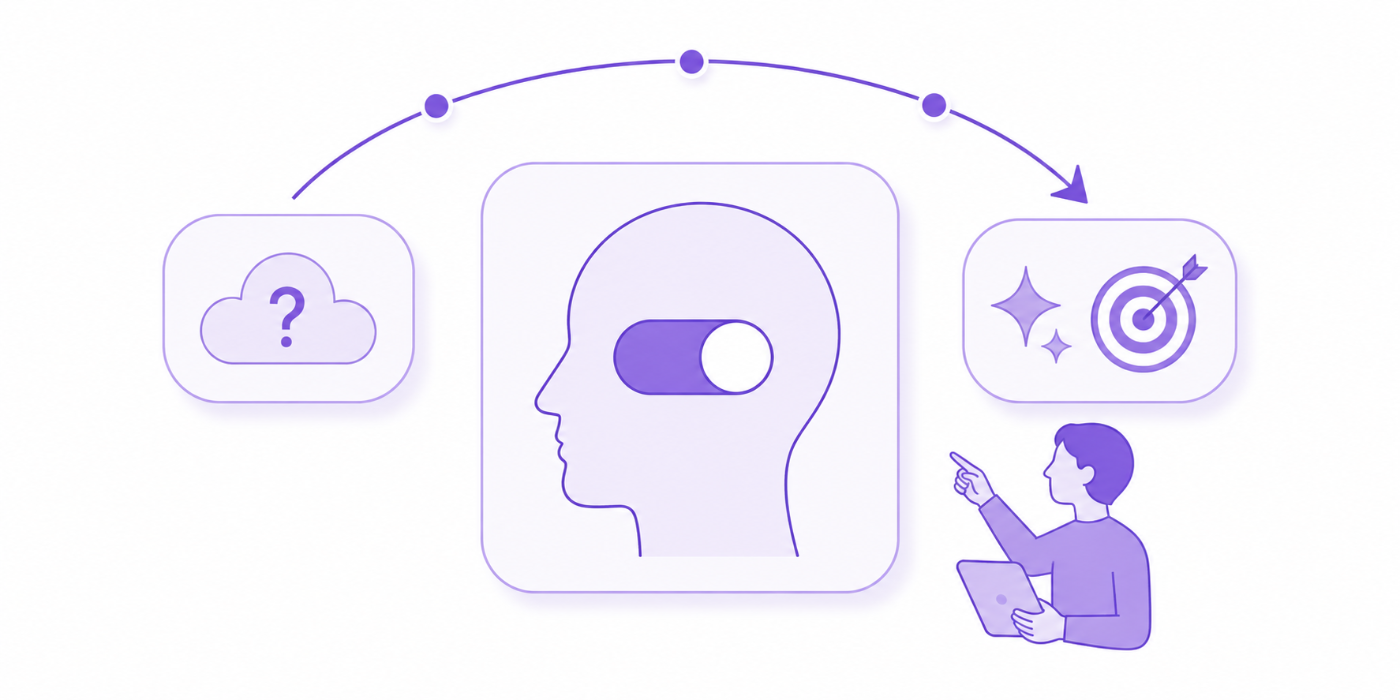
Many coaches enter the field with a strong desire to help, encourage, and support. That instinct matters, but coaching success demands more than kindness. A successful coach learns to guide clients through resistance, confusion, avoidance, emotional friction, and inconsistent follow-through. This shift requires the coach to think like a transformation designer. Every conversation should create clarity, every reflection should reveal a pattern, and every action step should move the client closer to a real-life result. Coaches who understand transformational coaching, client empowerment, coaching mastery, and how top coaches get results build deeper impact than coaches who simply motivate.
The first mindset shift is moving from emotional support to structured change. Clients often arrive with a surface goal, but the real work sits underneath the goal. A client who wants better health may need identity work, stress regulation, habit redesign, boundary-setting, meal planning, sleep consistency, and confidence repair. A client who wants more balance may need to confront overcommitment, people-pleasing, poor recovery habits, and unclear priorities. A coach who can connect those layers becomes far more useful. This is where habit formation, stress management, work-life balance coaching, and effective listening become part of the coach’s success mindset.
The second mindset shift is respecting the gap between insight and implementation. Many clients already know what they should do. They know they need more sleep, better food choices, movement, boundaries, planning, emotional regulation, or follow-through. Their pain comes from failing to convert knowledge into action when life becomes stressful. The coach’s job is to help the client build a repeatable system for action under pressure. That requires stronger session design, smarter accountability, and better recovery after setbacks. Coaches can sharpen that system with interactive goal tracking, coaching session templates, constructive feedback, and positive reinforcement strategies.
The third mindset shift is learning to challenge with care. Clients need compassion, but they also need honest reflection when their stories, habits, or avoidance patterns keep them stuck. A strong coach can say the hard thing in a way that preserves dignity. That skill builds trust because the client feels seen without feeling attacked. The best coaching challenge is specific, consent-aware, and connected to the client’s stated goal. This is why emotional consent, safe coaching environments, communication techniques, and managing difficult conversations are essential success tools.
2. Shift From Advice-Giving to Behavior Architecture
Advice feels useful in the moment, but behavior architecture changes what the client actually does on Tuesday afternoon when stress, fatigue, and distractions arrive. The successful coach thinks beyond tips and builds a support structure around the client’s real environment. That means designing prompts, triggers, routines, reminders, reflection points, and recovery plans. It also means helping the client notice which situations repeatedly defeat their intentions. This mindset grows from behavior change science, habit formation coaching, interactive goal tracking, and coaching dashboards.
A coach with this mindset asks, “Where will this plan break?” before the client leaves the session. That question reveals time friction, emotional triggers, social pressure, unclear steps, perfectionism, low energy, and overcomplicated plans. Clients often fail because the action step was too large, too vague, too dependent on motivation, or too disconnected from their actual day. A skilled coach helps the client shrink the action until it becomes doable. That skill is strengthened by SMART goals, immediate action strategies, client motivation techniques, and goal tracking tools.
Behavior architecture also changes how coaches handle accountability. Accountability should go deeper than asking, “Did you do it?” A stronger review explores what happened, what interfered, what worked, what needs to change, and what the client learned about their own patterns. This keeps missed actions from turning into shame. It also prevents the coach from becoming a human reminder app. Good accountability makes the client wiser. Coaches can improve this process with weekly feedback tools, client accountability methods, positive behavior reinforcement, and case study templates.
Another major shift is moving from content overload to curated support. Clients can drown in worksheets, videos, meal guides, journal prompts, habit trackers, and app recommendations. The coach’s value comes from choosing the right tool at the right moment. A client who feels overwhelmed needs fewer decisions. A client who avoids reflection may need one powerful journaling prompt. A client who loses momentum may need a dashboard, reminder sequence, or check-in ritual. Strong coaches curate with precision using coaching toolkits, resource libraries, journaling tools, and interactive coaching exercises.
3. Shift From Client Pleasing to Ethical Leadership
Client pleasing feels safe for inexperienced coaches because it avoids tension. Long-term success requires ethical leadership. A coach must be warm enough to build safety and steady enough to hold standards. Clients may want validation, comfort, shortcuts, constant access, or a plan that avoids discomfort. The coach’s responsibility is to support the client while protecting the integrity of the work. That means using coaching ethics, clear boundaries, coaching confidentiality, and ethical responsibilities as everyday operating principles.
Ethical leadership begins with scope clarity. Coaches should know when a client’s needs require therapy, medical care, legal advice, nutrition care from a licensed professional, or another specialist. Staying within scope increases credibility because clients sense when a coach respects professional limits. Scope also protects the coach from emotional over-functioning. A coach can care deeply while still refusing to become the client’s rescuer. This mindset connects with emotional crisis support, PTSD and trauma awareness, grief coaching, and safe coaching environments.
Ethical leadership also requires emotional courage. A coach may need to pause a client who keeps intellectualizing, challenge a repeated excuse, name avoidance, or ask whether the client is truly willing to practice between sessions. These moments can feel uncomfortable, but they often create the breakthrough clients need. The key is consent, specificity, and respect. A strong coach frames challenge around the client’s stated values and goals. That approach draws from emotional consent, constructive feedback, powerful questioning, and conflict resolution.
Client pleasing also damages business sustainability. Coaches who say yes to every request often end up underpaid, overextended, and resentful. That resentment leaks into delivery quality, response time, marketing, and client energy. A successful coach builds a practice that can serve clients without consuming the coach’s entire life. That means clear packages, payment rules, communication policies, scheduling systems, and delivery boundaries. Strong practice design uses payment systems, coaching automation, CRM tools, and business forecasting.
4. Shift From Session Performance to Client Outcome Ownership
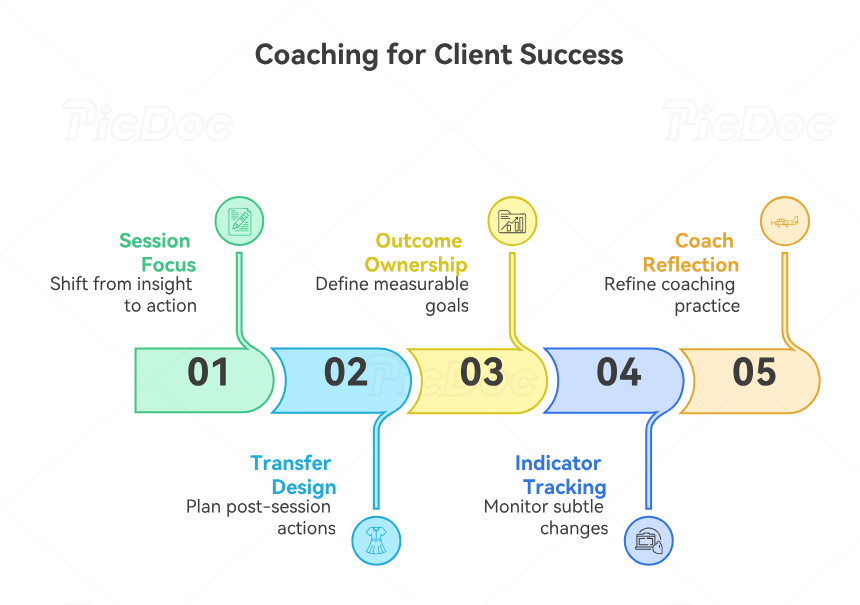
Coaches can become overly focused on sounding insightful inside the session. Client success depends on what happens after the session. The strongest coaches design for transfer: the client should leave with a clearer decision, a realistic action, a way to track progress, and a plan for expected obstacles. This shift turns coaching from a good conversation into a practical change system. Coaches can strengthen transfer through session templates, goal tracking systems, custom dashboards, and behavior change strategies.
Outcome ownership starts with measurable definitions. “Feel better,” “be healthier,” “gain confidence,” and “find balance” can become powerful goals only when the coach helps the client translate them into behaviors, decisions, and visible indicators. Feeling better may mean sleeping seven hours, reducing work messages after dinner, planning meals twice weekly, walking after lunch, or having one honest conversation. Confidence may mean making one decision without reassurance. Balance may mean protecting two recovery blocks weekly. This practical translation uses SMART goals, life mapping, daily journaling prompts, and strength-based coaching.
Coaches also need to track leading indicators rather than waiting for dramatic results. A client’s transformation often begins with subtle changes: they pause before reacting, notice a trigger earlier, recover faster after a missed habit, ask for support sooner, or choose a smaller action instead of quitting. These markers deserve attention because they reveal identity-level change. When the coach reflects these wins, the client develops evidence-based confidence. That approach aligns with positive psychology coaching, appreciative inquiry, gratitude journal coaching, and client self-awareness tools.
Outcome ownership also changes how coaches evaluate their own work. A successful coach reviews what produces results across clients. Which intake questions reveal the most? Which assignments get completed? Which check-in format improves follow-through? Which coaching tool creates genuine insight? Which clients are a strong fit? Which promises need refining? This reflection turns experience into expertise. Coaches who review patterns can improve offers, delivery, content, and client selection using client feedback, surveys and feedback tools, case study templates, and coaching business benchmarks.
5. Shift From Self-Doubt to Evidence-Based Coach Confidence
Self-doubt often appears when coaches measure themselves by emotion instead of evidence. A coach may feel insecure after one quiet session, one delayed payment, one client cancellation, or one difficult conversation. Ultimate coaching success requires a steadier confidence system. Coaches should collect proof of skill: client wins, refined questions, stronger boundaries, completed training, testimonials, improved retention, better offers, clearer processes, and more ethical decisions. This confidence grows through client testimonials, coaching case studies, certification differentiation, and continuous coaching education.
Evidence-based confidence also improves sales. Coaches who doubt their value often over-explain, discount too quickly, overdeliver out of fear, or attract clients who need constant convincing. When a coach can explain the problem, process, outcome, and support structure clearly, the offer becomes easier to trust. Strong sales confidence comes from clarity, proof, and ethical fit. It can be strengthened by coaching integrity, health coach credentials, coaching business growth, and profitable niche strategy.
This mindset also protects coaches from comparison. Another coach may have a bigger audience, louder marketing, better visuals, higher pricing, or more testimonials. Comparison becomes useful only when it turns into strategic learning. A successful coach asks: What do I need to strengthen? Is my niche clear? Are my outcomes specific? Is my client journey smooth? Do my case studies show proof? Is my content speaking to real pain? This reflective approach matches digital marketing tools, SEO tools for coaches, coaching content strategy, and networking secrets.
Ultimate success also requires a growth mindset around mistakes. Coaches will occasionally ask a weak question, misread a client’s readiness, overcomplicate an assignment, miss a boundary cue, or create an offer that attracts the wrong fit. The professional response is to admit, contain, document, fix, and prevent repeat issues. Mistakes become expensive only when coaches ignore them. A mature coach uses mistakes as feedback, guided by ethical dilemmas, career-ending mistake prevention, client feedback systems, and professional standards.
6. FAQs: Mindset Shifts for Ultimate Coaching Success
-
The most important shift is moving from advice-giving to transformation design. Successful coaches help clients understand patterns, choose realistic actions, track barriers, and recover quickly after setbacks. This shift makes coaching more practical and valuable because the client learns how to change inside real life. Coaches can build this mindset through behavior change science, habit formation, goal tracking, and client accountability.
-
A coach can reduce self-doubt by collecting evidence instead of relying on mood. Track client wins, testimonials, strong questions, improved retention, successful referrals, completed training, better boundaries, and clearer offer language. Confidence becomes steadier when it is built from proof. Coaches can strengthen that proof with testimonials, case studies, credential clarity, and continuous education.
-
Boundaries protect the coach’s energy, the client’s responsibility, and the quality of the coaching relationship. Without clear boundaries, clients may expect instant access, emotional rescue, vague scope, or unlimited support. Strong boundaries make the work safer and more professional. Coaches can improve boundaries by studying professional boundary setting, coaching confidentiality, ethical responsibilities, and coaching integrity.
-
A coach should treat missed follow-through as information. Explore what blocked the action: time, fear, confusion, perfectionism, emotional overload, low priority, poor fit, or weak planning. Then redesign the next step so it becomes smaller, clearer, and easier to track. This approach prevents shame and creates learning. Coaches can use accountability strategies, feedback tools, positive reinforcement, and habit tools.
-
The best sales mindset is service through clarity. A coach should diagnose the client’s problem, reflect the pattern accurately, explain the process, clarify fit, and invite a decision without pressure. Confidence rises when the coach knows the offer solves a specific problem and the delivery system supports real progress. This mindset connects with trust-building, client magnet strategy, coaching communication, and business growth from feedback.
-
Coaches become more transformational by listening for patterns, asking precise questions, challenging respectfully, ending with a clear decision, and connecting each action to the client’s real environment. A transformational session should create movement, self-awareness, and practical next steps. Coaches can sharpen this skill through effective listening, powerful questioning, constructive feedback, and transformational coaching strategies.
