
The Ultimate Guide to Getting Health & Life Coaching Certification in France: Everything You Need to Know in 2026-2027
France is one of the strongest coaching markets in Europe because clients often expect professionalism, structure, ethics, and evidence before they trust a coach with health, lifestyle, stress, career, or personal change goals. For aspiring coaches, that makes certification more than a badge. It becomes your proof of training, your client-safety framework, your positioning tool, and your protection against vague “wellness advice” that can damage trust fast.
If you want to build a serious practice in Paris, Lyon, Marseille, Toulouse, Bordeaux, Nice, Strasbourg, Nantes, remote Europe, or bilingual international coaching, your path should combine credible health and life coaching certification, strong coaching ethics, client-centered communication, behavior-change skills, and a realistic business plan.
1. Why Health & Life Coaching Certification Matters in France in 2026-2027
France has a coaching culture where credibility matters. Clients may search for a coach during a burnout scare, a career transition, a weight-management struggle, a confidence collapse, a family-stress season, or a health wake-up call. They are usually buying trust before they buy sessions, which means your certification, language, process, boundaries, and client results need to work together.
A serious certification helps you explain your scope clearly. You can support habits, motivation, self-awareness, accountability, stress routines, goal clarity, emotional regulation, and lifestyle planning. You should also know when a client needs a doctor, dietitian, therapist, psychiatrist, physiotherapist, or licensed medical provider. This distinction is essential because health coaching can sit close to sensitive areas, and careless claims can quickly make a new coach look unsafe. Build your foundation with coaching integrity, ethical responsibility, client anxiety strategies, safe coaching environments, and trust-based coaching standards.
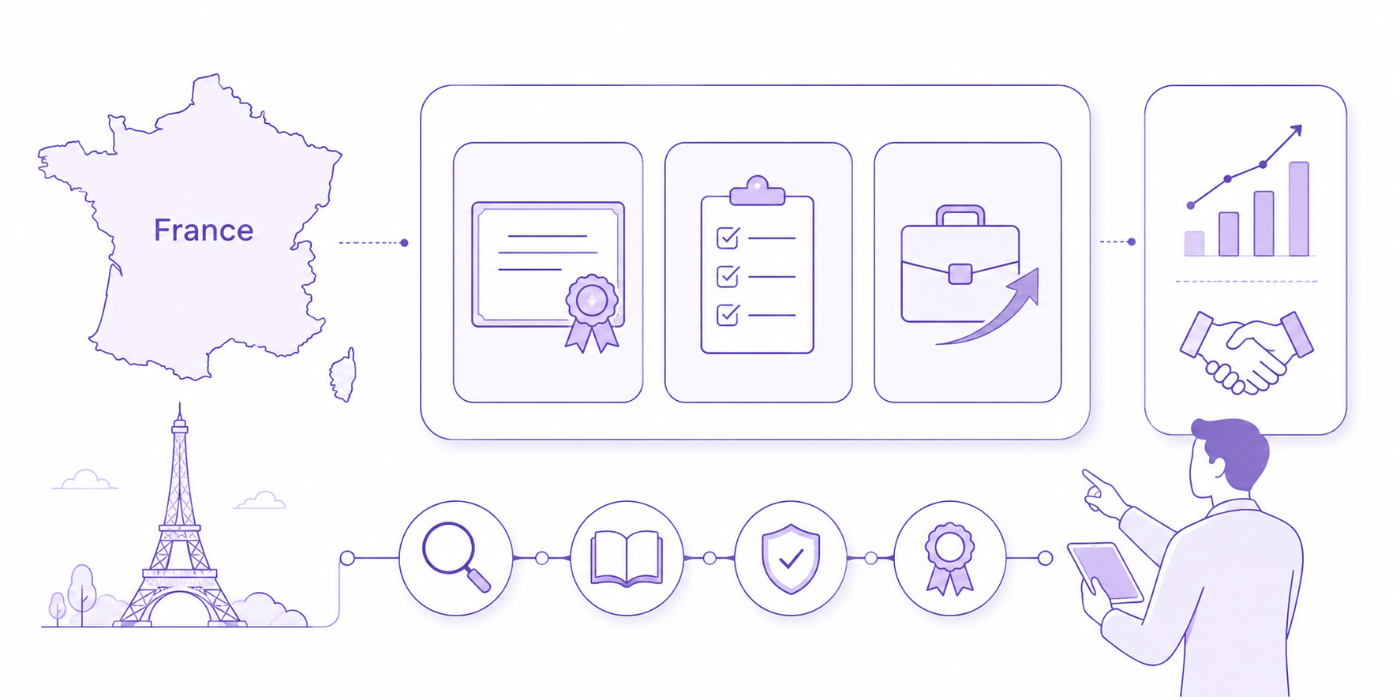
France also has a recognizable professional-certification ecosystem. Some coach training programs reference RNCP registration, which is connected to France Compétences and formal professional certification listings. For example, France Compétences lists “Coach professionnel” certification records, including RNCP37799, with prerequisites and certification access details. Training providers may also discuss Qualiopi, a French quality certification connected with access to public or mutualized training funding.
For a health and life coach, the practical point is simple: certification should help you become safer, clearer, and more employable. A weak certificate gives you a logo. A strong path gives you assessment skills, coaching practice, case reflection, professional boundaries, referral judgment, client accountability systems, and confidence under pressure. The best route combines health coaching career planning, life coach certification comparison, continuous coaching education, certification portfolio building, and credentialing mistake prevention.
2. How to Choose the Right Certification Path for France
Start with the client you want to serve. A coach helping executives recover from chronic stress needs different training than a coach helping new parents rebuild routines, expats manage transitions, or mid-career professionals design healthier lives. The biggest mistake is buying a certificate before defining the client problem. That leads to weak positioning, vague sessions, and a website that says “I help people thrive” while giving prospects no reason to book.
A useful certification path should answer five questions. Does it teach coaching skills you can demonstrate? Does it include health and behavior-change foundations? Does it train ethical boundaries? Does it give you practical coaching reps? Does it support your niche, offer, and business model? Before enrolling, compare online health coach certification options, life coach certification programs, CPD-accredited certification routes, fast online certification paths, and how quickly certification can be earned.
In France, you may see several types of credentials: private coaching certificates, international coaching credentials, CPD-style certificates, RNCP-referenced professional coach programs, health coaching diplomas, and niche-specific training in nutrition coaching, stress coaching, executive wellness, emotional intelligence, or habit formation. Some French schools advertise RNCP level 6 professional coach programs and funding routes such as CPF or OPCO. Public and provider information shows that RNCP-linked “Coach professionnel” routes may have defined prerequisites, certification access, and professional competency expectations.
Your strongest path for 2026-2027 is usually layered. First, complete a robust health and life coaching certification. Second, add a niche skill set such as habit formation, emotional intelligence coaching, stress and anxiety coaching strategies, strength-based coaching, or solution-focused brief coaching. Third, build a client-delivery system with intake forms, session notes, accountability checkpoints, and outcome tracking.
The pain point to take seriously is buyer confusion. Prospects in France may ask: “Are you certified?” “What exactly do you help with?” “How is this different from therapy?” “Can you help with burnout?” “Do you work with nutrition?” “Is this reimbursed?” “Do you offer sessions in French?” “Do you work online?” Your certification should help you answer these questions with calm authority. If you sound defensive, unclear, or overpromising, trust drops before the first call.
3. What Your Certification Should Teach You Before You Coach Paying Clients
A strong certification should make your sessions safer, deeper, and easier to evaluate. It should train you to listen for the real issue beneath the client’s stated goal. A client who says “I need better discipline” may actually be dealing with overwhelm, weak planning, perfectionism, sleep debt, family pressure, unclear identity, low self-trust, or goals copied from other people. A coach who only says “set SMART goals” will miss the deeper pattern.
Your certification should include core coaching competencies: contracting, intake, powerful questions, active listening, reflection, goal design, action planning, accountability, values work, strengths, motivation, barriers, and progress review. It should also include client safety topics such as confidentiality, emotional consent, referral triggers, crisis limitations, and the difference between coaching, therapy, consulting, and medical advice. Build this through non-negotiable coaching standards, emotional consent, difficult client handling, supporting clients during emotional crises, and constructive feedback skills.
Health and life coaching in France also requires cultural sensitivity. Some clients may prefer a direct, structured approach. Others may want reflective conversation, privacy, and evidence of seriousness before sharing personal struggles. Corporate clients may care about burnout prevention, leadership presence, emotional regulation, communication, resilience, and productivity. Private clients may care about weight, confidence, habits, sleep, life direction, relationships, self-worth, or chronic stress routines. Your training should help you adapt without becoming scattered.
A powerful certification teaches frameworks you can use under pressure. For example, when a client misses two weeks of action steps, you need more than encouragement. You need barrier mapping, emotional friction analysis, environment design, habit scaling, identity alignment, and a repair conversation. Use behavioral strategies for lasting change, habit formation science, goal-tracking tools, client journaling tools, and daily journaling prompts to strengthen the client experience.
4. Step-by-Step Roadmap to Getting Certified and Building a Practice in France
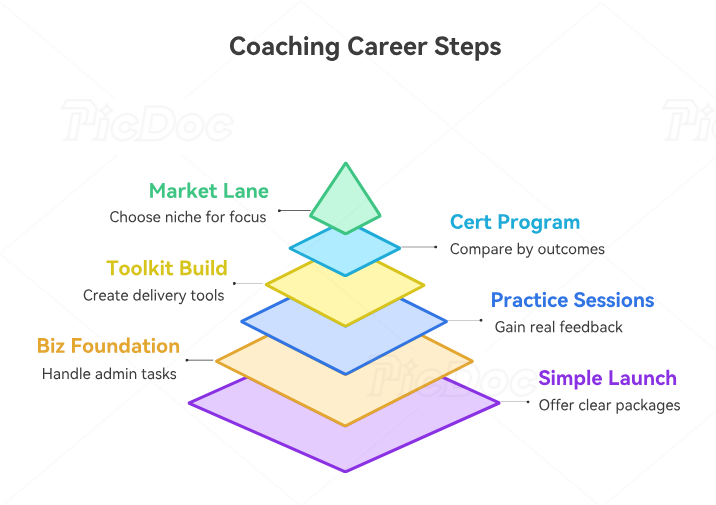
Step one is choosing your market lane. Decide whether you want to serve individuals, executives, corporate teams, expats, women in transition, high-stress professionals, wellness clients, relationship-focused clients, or habit-change clients. The tighter your lane, the easier it becomes to choose modules, write your website copy, design your offer, and attract referrals. For niche clarity, study career blueprint planning, relationship coaching pathways, mental health coaching careers, micro-coaching trends, and future client preferences.
Step two is comparing certification programs by outcomes, not marketing language. Ask for the curriculum, hours, assessment method, mentor feedback, practice requirements, ethics content, health-behavior content, business support, alumni outcomes, and refund policy. If a program promises instant authority, guaranteed clients, or vague “transformation” without supervised practice, pause. Strong certification should make you more skillful, not merely more decorated.
Step three is building your coaching toolkit while you study. Create intake forms, client agreements, goal-setting worksheets, weekly check-in forms, progress dashboards, testimonial capture forms, referral scripts, discovery-call questions, and case-study templates. This prevents the classic new-coach panic: finishing certification and realizing you have no delivery system. Use coaching dashboards, survey and feedback tools, case study templates, client testimonial capture, and resource hub building.
Step four is completing practice sessions with real feedback. Record sessions when appropriate and with consent. Review where you interrupted too early, gave advice too quickly, missed emotion, allowed vague goals, or failed to create a measurable next step. Great coaches improve by reviewing the moments they would rather ignore. Build this through session recording tools, coaching communication, client breakthrough techniques, positive psychology coaching, and neuroscience-based coaching methods.
Step five is preparing your business foundation. For France, this may include business registration choices, invoicing, tax planning, privacy practices, contracts, and professional insurance conversations. Professional coaches in France may need to think carefully about VAT, training activity, DREETS-related training declarations, Qualiopi relevance, and whether they are offering coaching, training, or both. A 2026 professional overview notes that coaching and training can have different tax and administrative treatment in France. Get professional advice before building offers around funding, taxation, or training-provider claims.
Step six is launching with a simple offer. Begin with one clear package: problem, promise, process, length, who it is for, who it is not for, and expected client responsibilities. A strong starting offer could be “12-week stress and habit reset for busy professionals,” “8-week life transition coaching for expats in France,” or “90-day executive wellness coaching for managers under pressure.” Support your offer with client retention strategy, exceptional client experience, business automation, CRM tools, and must-have coaching business tools.
5. Career Opportunities, Pricing, and Common Mistakes to Avoid
A certified health and life coach in France can build several career paths. You can work privately with individuals, offer remote coaching across Europe, partner with wellness clinics within a clear non-medical scope, support corporate wellbeing programs, serve expat communities, build group coaching programs, create online courses, offer workshops, or specialize in stress, habits, confidence, relationships, leadership wellness, or preventive lifestyle support.
The strongest opportunities usually appear where pain is urgent and measurable. Burned-out professionals want relief they can feel. Executives want better energy, focus, and emotional control. Parents want sustainable routines. Expats want identity, belonging, and decision support. Clients with health goals want accountability that helps them follow the plan recommended by licensed professionals. Coaches who understand preventative health coaching, emotional intelligence coaching, stress coaching, habit formation, and client accountability can turn broad interest into paid offers.
Pricing should reflect positioning, experience, niche urgency, delivery depth, and proof. New coaches often start with low prices because they feel insecure. That can create a painful loop: low price attracts low commitment, low commitment produces weak results, weak results reduce confidence, and confidence issues keep the price low. Instead, build a fair beginner package with clear outcomes, session structure, check-ins, and progress measures. Then improve your offer with financial forecasting, payment systems, high-ticket package strategy, scaling profitably, and economic-change strategies.
Avoid these mistakes. First, choosing certification only because it is cheap. Second, using medical-sounding claims without proper authority. Third, selling “life transformation” without a defined process. Fourth, skipping practice hours. Fifth, copying another coach’s niche. Sixth, waiting until graduation to build your business assets. Seventh, ignoring client feedback. Eighth, overloading clients with worksheets instead of helping them take one real action. Ninth, promising certainty in complex health and life situations. Tenth, hiding behind certification instead of building trust through results.
The best coaches in France will win through clarity. They will know who they serve, what problem they solve, which boundaries protect the client, which tools create follow-through, and which proof points reduce buyer hesitation. Strengthen your long-term edge with state of coaching industry trends, future coaching trends, technology’s impact on coaching, AI client interaction trends, and coaching automation tools.
6. FAQs About Health & Life Coaching Certification in France
-
Certification gives you credibility, structure, and client-safety training. The coaching market includes private, international, and French professional certification routes, and some programs reference RNCP professional coach titles. If you want serious clients, corporate opportunities, or long-term trust, choose training that includes ethics, practice, feedback, behavior change, and business foundations. Start with certification comparison, health coach certification options, life coach certification reviews, and credentialing resources.
-
Health coaching focuses on behavior change, accountability, motivation, habit design, and lifestyle support. Medical diagnosis, treatment, therapy, and regulated nutrition care belong to licensed professionals. A safe coach knows when to refer. This is why your training should include ethical responsibilities, scope-safe coaching, emotional consent, and safe coaching environments.
-
The best certification depends on your niche, language, budget, schedule, and credibility goals. If you want a France-centered professional route, investigate RNCP-referenced programs directly. If you want international flexibility, compare reputable online and CPD-style options. If you want health coaching depth, prioritize behavior change, stress, habits, communication, and ethics. Use CPD certification guidance, ICF exam guidance, NBHWC competency review, and certification trends.
-
Some online programs can be completed quickly, while deeper professional programs may take several months or longer, especially when they include supervised practice, assessments, or formal certification requirements. Choose the timeline that gives you enough practice to coach safely. Fast only helps when the training remains strong. Review quick certification routes, how quickly life coach certification can be earned, exam pitfalls, and practice exam questions.
-
Yes, online coaching can work well when your offer, onboarding, scheduling, privacy practices, and communication standards are clear. Remote clients still need structure, reminders, accountability, and a strong client experience. Build your delivery system with Zoom best practices, custom coaching dashboards, automated email sequences, and client goal-tracking tools.
-
Choose a niche where the client has urgency, motivation, and a clear reason to pay. Good options include stress and burnout prevention, executive wellness, expat life transitions, habit change, confidence, relationship skills, emotional intelligence, preventive wellness, and career-life balance. Strengthen your niche with mental health coaching insights, relationship coaching pathways, strength-based techniques, and visualization methods.
