
The Ultimate Guide to Getting Health & Life Coaching Certification in Spain: Everything You Need to Know in 2026-2027
Spain is a strong market for coaches who can connect lifestyle change, stress recovery, emotional clarity, and practical accountability. A certificate can improve trust, yet the real value comes from choosing training that helps you coach ethically, package outcomes, and stay inside safe professional boundaries. Before comparing programs, study how certification differentiates your coaching business, how to list health coach certification credentials, why coaching integrity builds trust, and which future coaching trends matter through 2027.
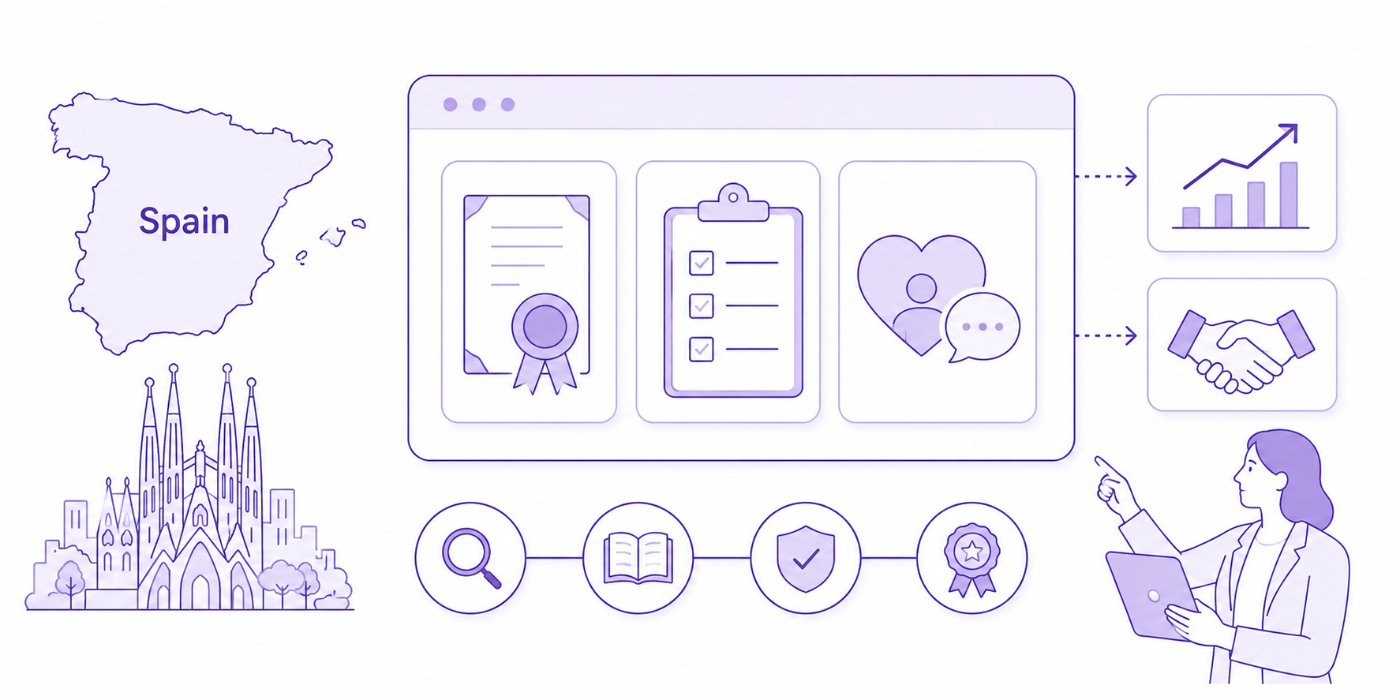
1. What Health & Life Coaching Certification Means in Spain in 2026-2027
Health and life coaching certification in Spain should be treated as professional preparation for behavior change, goal setting, habit design, motivation, reflection, and accountability. A coach may help clients improve routines, clarify priorities, manage lifestyle friction, build confidence, and follow through between sessions. The strongest training includes ethical coaching responsibilities, safe coaching environments, client accountability, and the science of behavior change because clients need structure more than inspiration.
Spain has a clear regulated-health-profession framework. Law 44/2003 states that practicing a healthcare profession requires the corresponding official qualification that expressly enables that practice, so coaching certification should be presented as coaching education, rather than medical, psychological, dietetic, or clinical authority. This distinction matters for every coach who wants to work with wellness goals, food behavior, stress, sleep, energy, confidence, or habit change. Build your foundation with professional coaching boundaries, non-negotiable coaching standards, emotional consent in coaching, and career-ending mistake prevention.
Spain’s client market is wide. Madrid and Barcelona professionals may want burnout prevention, routine rebuilding, sleep discipline, productivity, and stress regulation. Valencia, Málaga, Seville, Bilbao, Palma, Alicante, and remote expat communities may need bilingual coaching, lifestyle redesign, family-work balance, confidence support, and healthy habit systems. Your certification should prepare you to use custom coaching dashboards, interactive goal tracking tools, effective coaching communication, and client expectation management with different client types.
Spain’s public-health priorities also make lifestyle coaching relevant when handled carefully. Spain’s Public Health Strategy identifies promotion of healthy lifestyles, including healthy eating, physical activity, sedentary behavior, sexual health, healthy leisure, and reduced problematic technology use, as priority areas. Coaches can support follow-through, motivation, planning, and accountability around non-clinical lifestyle goals while referring regulated care needs to qualified professionals. Strong preparation should include preventative health coaching, habit formation coaching, stress and anxiety coaching strategies, and client diet behavior coaching.
| Decision Area | What to Check Before Enrolling | Spain-Ready Choice | Why It Matters for Clients |
|---|---|---|---|
| Scope of practice | Does the course explain coaching versus healthcare, psychology, nutrition, and therapy? | Strong ethics and referral training | Protects clients and prevents misleading medical or therapeutic claims. |
| Credential clarity | Can you explain exactly what the certificate qualifies you to do? | Transparent certificate title and requirements | Clients trust clear credential language more than vague wellness titles. |
| Core coaching skills | Does it train listening, questioning, reflection, feedback, and goal design? | Skills-based coaching curriculum | Clients need structured conversations that lead to action, insight, and consistency. |
| Behavior change | Does it cover habits, motivation, relapse planning, resistance, and accountability? | Evidence-informed behavior-change framework | Most clients struggle with follow-through after the session ends. |
| Life coaching depth | Does it address confidence, identity, transitions, career choices, and relationships? | Integrated health and life coaching | Spanish clients often connect lifestyle problems with work, family, and self-belief. |
| Health coaching depth | Does it teach sleep, movement, food behavior, stress routines, and energy planning? | Non-clinical wellness behavior training | Supports lifestyle goals while keeping clinical issues inside licensed care. |
| Assessment quality | Does certification require exams, case reflections, or observed practice? | Exam plus practical coaching evidence | Practical assessment creates confidence before charging real clients. |
| Practice sessions | Does the program include peer practice, role-play, or supervised coaching? | Practice-heavy training design | Real client resistance cannot be mastered through videos alone. |
| Online flexibility | Can you complete the program around work, family, travel, or part-time study? | Self-paced modules with live practice | Useful for learners across Spain and Spanish-speaking remote markets. |
| Bilingual market fit | Can your client materials work in Spanish, English, or both? | Bilingual-ready scripts and forms | Expats, locals, and remote clients may need different language pathways. |
| GDPR awareness | Does training address confidentiality, records, forms, and sensitive wellness data? | Privacy-conscious client workflow | EU clients expect careful handling of personal and health-related information. |
| Nutrition boundary | Does the course separate food behavior support from clinical nutrition advice? | Food habits plus referral clarity | Prevents unsafe meal-plan claims and improves collaboration with qualified professionals. |
| Mental health boundary | Does it teach crisis signs, referral language, and emotional safety? | Referral-aware emotional safety module | Coaches must know when therapy, clinical psychology, or urgent support is needed. |
| Corporate wellness fit | Does it address burnout, sedentary work, productivity, stress, and team wellbeing? | Workplace wellness-ready training | Strong fit for companies, startups, schools, and remote teams. |
| Client onboarding | Does it provide intake forms, agreements, expectations, and discovery call scripts? | Complete onboarding system | Good onboarding reduces confusion, ghosting, refunds, and weak commitment. |
| Accountability design | Does it teach check-ins, progress reviews, habit tracking, and recovery plans? | Weekly accountability structure | Clients need support between sessions where behavior change actually happens. |
| Case study training | Does the program teach outcome documentation and ethical proof-building? | Portfolio and case-study templates | Proof helps new coaches win trust before they have a large audience. |
| Business setup | Does it teach packages, pricing, sales calls, retention, and renewals? | Certification with business modules | A certificate needs a clear offer to become income. |
| Autonomous practice readiness | Does it help you think through admin, scheduling, payments, and client records? | Business workflow guidance | Professional delivery matters as much as coaching talent. |
| Technology workflow | Does it cover video calls, forms, portals, reminders, and dashboards? | Tech-enabled coaching system | Clients stay engaged when the process is easy to follow. |
| Niche support | Does the course help you choose a clear audience and transformation? | Niche and offer-design guidance | Specific positioning makes referrals, content, and sales calls easier. |
| ICF pathway | Does life coaching content align with recognized coaching competencies? | Competency-aware training | Helpful for coaches who may pursue broader life-coaching credentials later. |
| NBHWC awareness | Does health coaching content teach competency-style thinking? | Health coaching competency foundation | Improves professionalism in wellness and health-behavior conversations. |
| Program duration | Can you complete it deeply without rushing? | 8-24 weeks with structured milestones | Skill develops through repetition, feedback, and client-style practice. |
| Group coaching | Does it teach cohorts, workshops, challenges, and peer accountability? | Group coaching framework | Useful for companies, retreats, expat groups, and wellness communities. |
| Referral network | Does it help identify when to refer to doctors, psychologists, dietitians, or trainers? | Clear referral map | Referral confidence protects clients and strengthens credibility. |
| Testimonials | Does it teach ethical testimonial collection and consent? | Consent-based proof system | Early proof helps clients understand your value before booking. |
| Pricing readiness | Does it help you price private, group, and corporate coaching? | Package-based pricing education | Clear pricing prevents undercharging and weak client commitment. |
| Launch plan | Does the provider help you start after graduation? | 90-day post-certification roadmap | The hardest part often begins after the certificate arrives. |
| Continuing education | Can you keep learning after certification? | CPD or advanced learning pathway | Ongoing education keeps your methods current and your confidence strong. |
2. How to Choose the Right Certification Path for Spain
Start with your coaching lane before choosing a certificate. Health coaching fits clients who need help with habits, sleep, movement, food behavior, stress routines, energy, or preventative lifestyle change. Life coaching fits clients who need clarity, confidence, decision-making, transitions, relationships, career direction, or personal growth. Integrated training works well when clients connect wellness with work pressure, family roles, relocation, confidence, and identity. Compare online life coach certification programs, best online health coach certification programs, CPD-accredited life coach certification, and which certification is right for you.
A Spain-ready certification should prepare you for real client friction. A client may want better routines yet work late, eat socially, travel often, live with family obligations, struggle with self-discipline, or feel overwhelmed by health information. Weak coaching gives tips. Strong coaching helps the client design smaller actions, identify barriers, recover after missed weeks, and build systems that survive real life. Look for training around habit formation tools, strength-based coaching techniques, constructive feedback clients accept, and transformational coaching strategies.
The provider’s assessment method matters more than the sales page. A course with observed practice, exams, coaching demonstrations, case reflections, and feedback will usually build stronger confidence than passive video training. Spain clients can quickly sense when a coach has no session structure, no boundary language, and no process after the first motivational conversation. Your training should help you run discovery calls, design goals, handle resistance, document progress, and close a program professionally. Study coaching case study templates, surveys and feedback tools, effective coaching communication, and common credentialing mistakes.
Privacy and data handling deserve serious attention in Spain because coaches often collect personal goals, wellness history, stress patterns, sleep notes, and sensitive client reflections. The Spanish Data Protection Agency says it provides tools and help material to support GDPR accountability compliance for small businesses, entrepreneurs, developers, and other controllers. A practical certification should help you use consent-based forms, clear confidentiality language, secure tools, and careful testimonial practices. Strengthen your workflow with client session recording tools, client testimonial capture, coaching integrity, and trust-building coaching standards.
3. Step-by-Step Plan to Get Certified Without Wasting Time or Money
Step one is to define your niche in client language. “I am a certified health and life coach” sounds credential-focused. “I help busy Madrid professionals rebuild energy, sleep, and routine in 12 weeks” sounds client-focused. “I help expats in Spain create healthy structure after relocation” gives referrals something clear to repeat. Your niche can connect with preventative health coaching, mental health coaching careers, relationship coaching pathways, and financial coaching career paths when your training supports that promise.
Step two is to audit the curriculum for full client delivery. You need intake forms, coaching agreements, goal-setting tools, session structure, weekly check-ins, progress reviews, relapse planning, and maintenance plans. Many new coaches finish certification with theory, then freeze when a client asks what happens after payment. Build your certification work around powerful client journaling tools, daily journaling prompts, interactive goal tracking tools, and custom coaching dashboards.
Step three is to protect your scope from the beginning. Coaching language should focus on goals, habits, reflection, motivation, accountability, decision-making, self-awareness, and routines. Medical diagnosis, treatment, prescriptions, clinical psychology, psychotherapy, and regulated nutrition care belong to the relevant qualified professionals. Spain’s official dietary guidance is issued as “healthy and sustainable dietary recommendations complemented with physical activity recommendations,” which shows why coaches should support behavior and adherence while leaving individualized clinical nutrition to qualified care when needed. Build confidence with client diet change coaching, stress and anxiety coaching strategies, emotional crisis support, and ethical responsibilities.
Step four is to build your business assets while studying. By graduation, you should already have a niche statement, credential bio, discovery form, coaching agreement, intake form, first offer, weekly recap template, testimonial request, and simple client dashboard. These assets turn training into readiness. Your portfolio should reflect creating a coaching certification portfolio, coaching case study templates, client testimonial capture, and coaching resource hub strategy.
Step five is to test your offer before scaling. Run a small pilot with three to five clients or one small group. Track wins, missed check-ins, unclear instructions, emotional resistance, and the exact point where clients lose momentum. A four-week pilot can reveal more than months of private planning. Use micro-coaching strategies, gamification for client engagement, client feedback growth systems, and exceptional client experiences to refine quickly.
4. How to Turn Your Certification Into Paid Coaching Work in Spain
After certification, your first job is to turn training into a specific offer. A certificate says you studied; an offer explains what clients get. Build a 6-week, 8-week, or 12-week program with intake, baseline habits, weekly goals, accountability check-ins, progress reviews, and a maintenance plan. Support delivery with coaching dashboards, automated email sequences, payment systems for coaches, and client retention strategies.
Spain offers several strong coaching routes. Private clients may need lifestyle resets, stress routines, sleep improvement, confidence coaching, relocation adjustment, relationship clarity, or career direction. Companies may need burnout prevention, manager resilience, team wellness, productivity support, and habit-based workplace programs. Retreats, gyms, coworking spaces, language schools, women’s groups, and expat communities can also become referral channels. Shape your offer with coaching industry trends, coaching business benchmarking, client preference trends, and future-proof coaching practice strategies.
Your market message should be sharper than your title. “Certified health and life coach” belongs in your bio. “I help busy professionals rebuild energy, discipline, and healthy routines without extreme plans” belongs on your sales page. A clear promise makes content easier, referrals easier, and discovery calls easier. Build visibility with SEO tools for coaching websites, digital marketing tools for coaches, YouTube channel growth for coaches, and networking strategies for coaches.
Trust is a major conversion factor in Spain because coaching conversations can touch stress, family conflict, body image, confidence, habits, work dissatisfaction, and personal identity. Clients need privacy, clarity, consent, and professional handling of their story. Use a clean discovery process, a coaching agreement, careful note-taking rules, consent-based testimonials, and transparent referral language. Strengthen your credibility with why trust matters in coaching, coaching integrity, case study credibility, and safe coaching environments.
Technology can help a new Spain-based coach look polished from day one. Use scheduling automation, video sessions, forms, reminders, dashboards, weekly recap pages, and secure client folders. The goal is to reduce friction: clients should always know what action is due, where to report progress, and how the current week connects to the larger outcome. Start with coaching automation tools, essential CRM tools, the best coaching apps, and technology’s impact on coaching.
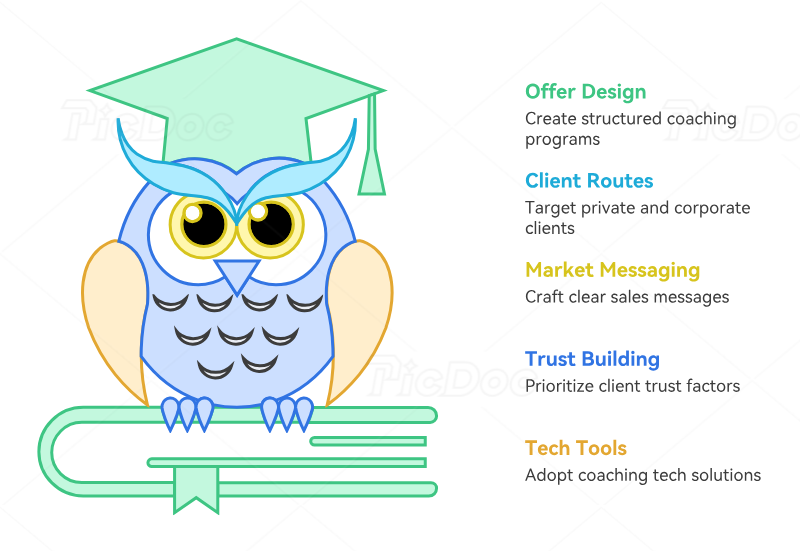
5. Mistakes That Make New Spain Coaches Look Unprepared
The first mistake is choosing a certification only because it is fast. Speed can help busy learners, yet shallow training can leave you exposed when clients miss check-ins, ask for clinical advice, change goals repeatedly, or expect instant transformation. A useful program should leave you with practice, process, ethics, and business assets. Before enrolling, compare quick health coach certification, fast life coach certification timelines, certification resources, and continuous coaching education.
The second mistake is ignoring Spain’s cultural and lifestyle context. A client’s plan may be affected by long meals, late schedules, family expectations, regional food culture, commuting, remote work, childcare, travel, or seasonal rhythm. Generic wellness plans often collapse because they fight the client’s environment. Better coaches design realistic systems through life mapping, solution-focused brief coaching, appreciative inquiry, and positive psychology coaching.
The third mistake is treating accountability as reminders. Strong accountability is a designed coaching system. It identifies triggers, friction points, emotional blocks, social pressure, support gaps, and recovery plans. A weak check-in asks whether the client completed the action. A valuable check-in finds why the action failed and which smaller version can succeed this week. Build that skill with habit formation coaching, future client engagement strategies, feedback clients listen to, and client motivation management.
The fourth mistake is selling loose sessions without a transformation pathway. Single sessions can support audits, discovery, or maintenance, yet most clients need a structured container to create change. A stronger model is a clear package: 4-week reset, 8-week habit rebuild, 12-week lifestyle transformation, group accountability challenge, or workplace wellness sprint. This improves commitment, outcomes, cash flow, and referrals. Build it with high-ticket coaching offers, scaling your coaching practice, automating your coaching business, and must-have coaching business tools.
The fifth mistake is waiting too long to build proof. New coaches often hide until they feel expert enough, which delays trust, content, referrals, and income. Start with consent-based pilot testimonials, anonymous progress stories, weekly learning posts, and case studies that show your method. Document the starting problem, coaching intervention, behavior shift, client insight, and measurable win. Use testimonial capture, coach-client transformation case studies, case study templates, and client feedback growth systems.
6. FAQs About Health & Life Coaching Certification in Spain
-
The best certification for Spain teaches coaching skills, health behavior change, ethical boundaries, practical assessments, client-delivery systems, and business setup. Look for training that helps you coach real people, document outcomes, build a niche offer, collect proof, and explain referral boundaries clearly. Compare best health coach certification programs, online life coach certification programs, ICF exam preparation, and NBHWC practice questions.
-
An online certification can support private coaching, digital coaching, group coaching, corporate wellness, and non-clinical behavior-change work when your scope is clear. Spain’s healthcare professions are regulated through official qualification requirements, so coaches should avoid presenting themselves as licensed healthcare providers unless they hold the relevant official title and authorization. Build your practice around legal requirements for coaches, ethical coaching responsibilities, coaching integrity, and client trust.
-
Choose health coaching if your clients mainly need support with habits, sleep, movement, food behavior, stress routines, energy, and lifestyle consistency. Choose life coaching if your clients need clarity, confidence, transitions, career direction, relationships, identity work, and personal growth. Choose an integrated path if your audience connects wellness with emotional patterns, work pressure, family roles, relocation, and self-discipline. Study which certification fits you, mental health coaching careers, relationship coaching pathways, and preventative health coaching.
-
Many online programs can be completed within weeks or months, depending on course depth, assignments, practice calls, exams, and portfolio work. A practical timeline for serious preparation is 8 to 24 weeks. Use that period to build your niche, client forms, discovery call structure, first offer, testimonial process, and simple delivery dashboard. Review fast health coach certification, life coach certification timelines, certification portfolio guidance, and coaching toolkit curation.
-
Start with one clear audience, one painful problem, and one structured offer. Use a simple website page, discovery form, coaching agreement, testimonials, case studies, and educational content that speaks to real pain points: burnout, stress eating, low energy, relocation overwhelm, career confusion, confidence, inconsistent routines, or relationship pressure. Build lead flow through referrals, LinkedIn, Instagram, local workshops, gyms, coworking spaces, retreats, HR contacts, and expat networks. Use digital marketing tools, SEO tools, joint ventures, and networking strategies.
-
Avoid claims that sound like diagnosis, treatment, prescription, cure, psychotherapy, disease management, or individualized clinical nutrition advice unless you are properly qualified and legally authorized for that work. Use coaching language around goals, routines, reflection, motivation, behavior change, accountability, confidence, and decision-making. Strong coaches explain what they do, what they do not do, and when referral is needed. Strengthen your confidence with career-ending mistake prevention, emotional consent, professional boundaries, and stress coaching strategies.
