
The Ultimate Guide to Getting Health & Life Coaching Certification in Japan: Everything You Need to Know in 2026-2027
Japan is a strong market for coaches who can combine behavior change, cultural awareness, ethical boundaries, and practical client systems. If you want to build a credible practice in Japan, start with a clear health coach certification pathway, understand life coach certification options, protect your scope through coaching ethics, and build a repeatable delivery model using client accountability tools. The best move in 2026-2027 is choosing training that helps you coach real behavior, document outcomes, and earn trust before you ever sell a package.
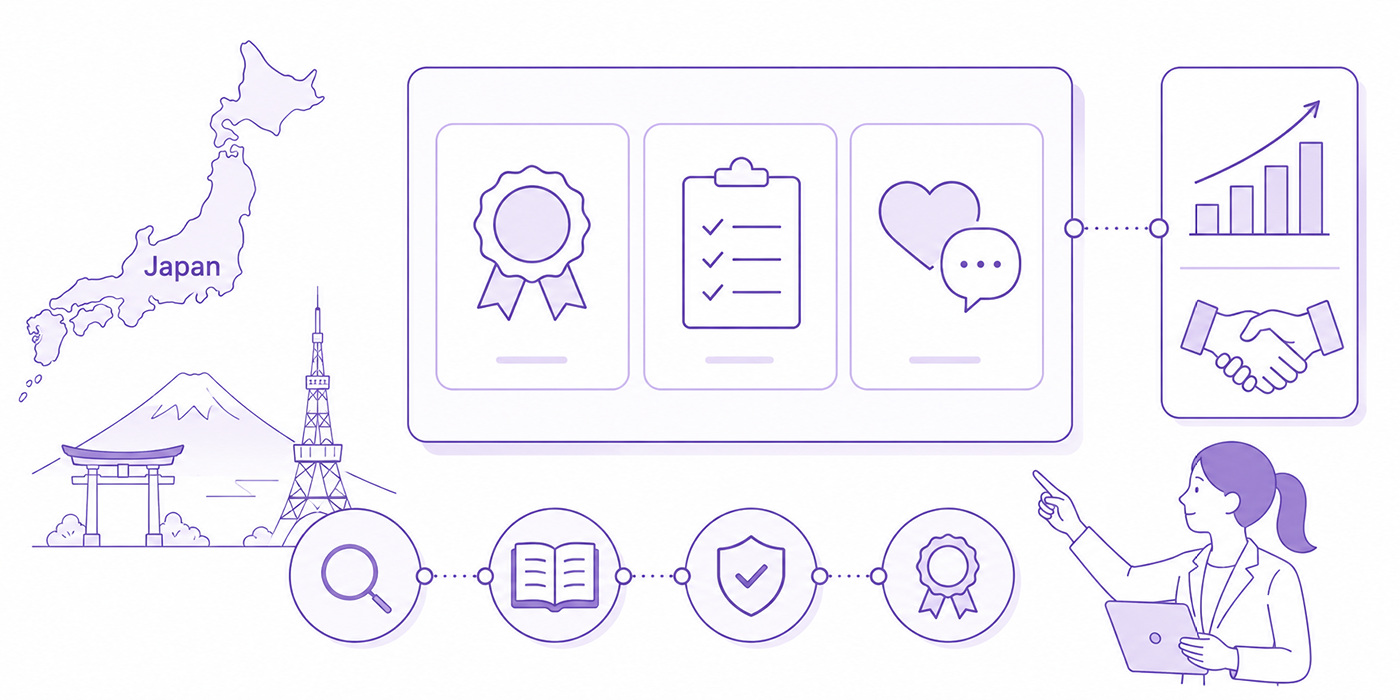
1. Why Japan Is a Serious Market for Certified Health & Life Coaches in 2026-2027
Japan already has a strong public-health culture around prevention, lifestyle guidance, and healthy longevity. That makes the country interesting for certified coaches who can support habits, motivation, stress management, follow-through, and lifestyle structure while keeping clinical advice inside the right professional lane. Japan’s national health-promotion history includes Healthy Japan 21, and the country also uses Specific Health Checkups and Specific Health Guidance as part of lifestyle-related disease prevention efforts.
For coaches, the opportunity sits inside the gap between knowledge and execution. Many clients know they should sleep earlier, move more, eat with more intention, reduce stress, or follow a doctor’s plan. The hard part is converting intention into weekly behavior. That is where behavior change coaching, habit formation coaching, goal tracking tools, constructive feedback skills, and client retention strategy become commercially valuable.
The pain point in Japan is credibility. Clients can be cautious, employers may expect professional standards, and wellness buyers can quickly sense vague motivation talk. A certificate gives structure only when it is backed by supervised practice, coaching competencies, ethical boundaries, and client documentation. Before you buy a program, compare it against NBHWC certification expectations, ICF credentialing basics, coaching communication skills, trust-building standards, and career differentiation.
Here is the practical truth: Japan rewards coaches who bring calm professionalism, measurable progress, cultural humility, and clean boundaries. If your offer sounds like generic inspiration, clients can ignore it. If your offer shows clear onboarding, privacy, session structure, habit data, referral boundaries, and a niche promise, it becomes easier to earn referrals. That means your certification should support coaching integrity, safe coaching environments, client expectation management, case study creation, and business scaling.
| Decision Area | What To Check | Why It Matters In Japan | Start With | Red Flag |
|---|---|---|---|---|
| Certification type | Health, life, wellness, or dual-track training | Japan clients often want practical lifestyle support with strong professionalism | life coach certification options | One vague “coach” title with no skill map |
| Health coaching depth | Behavior change, lifestyle goals, motivational interviewing, habit design | Clients may already know what to do and need execution support | behavior change science | Nutrition claims without scope training |
| Life coaching depth | Values, goals, stress, confidence, decision-making, identity work | Busy professionals may seek clarity, work-life structure, and emotional discipline | mindset coaching skills | Motivational slogans replacing method |
| Ethical scope | Clear limits around diagnosis, treatment, dietetics, therapy, and medical advice | Japan has regulated healthcare and nutrition professions | ethical responsibilities | Program says coaches can “treat” conditions |
| Business fit | Whether training helps you package, price, and sell coaching | Certification alone rarely creates clients without offer clarity | premium coaching offers | No client acquisition support |
| Language strategy | Japanese, English, or bilingual delivery | Bilingual positioning can serve expats, executives, students, and global teams | client preference trends | Copy-pasted global messaging |
| Practice hours | Live coaching practice, peer sessions, mentor feedback | Japanese clients may value competence over loud self-promotion | certification interview prep | Certificate with no coaching reps |
| Assessment style | Written exam, practical demo, oral assessment, portfolio | Assessment builds confidence when selling to cautious buyers | certification portfolio | Instant certificate after passive videos |
| Client niche | Corporate wellness, stress, sleep, weight habits, leadership, family health | Niche clarity makes referrals easier in relationship-driven markets | mental health coaching career guide | Trying to coach everyone |
| Corporate potential | Workplace wellness, burnout prevention, manager coaching, executive habits | Corporate clients need structured outcomes and professional documentation | industry benchmarking | No reporting framework |
| Client tracking | Goals, habits, session notes, wins, obstacles, next steps | Retention improves when clients see visible progress | custom coaching dashboards | No documentation system |
| Technology stack | Scheduling, forms, CRM, dashboards, email, video calls | Japan clients may expect organized, reliable, low-friction service | business automation tools | Manual chaos after five clients |
| Coaching model | Weekly, biweekly, group, hybrid, corporate, async | Different clients need different accountability rhythms | micro-coaching model | One rigid package for every client |
| Nutrition boundaries | General habit support versus individualized clinical nutrition guidance | Dietitian and registered dietitian titles are regulated in Japan | diet behavior coaching | Meal prescriptions outside competence |
| Mental health boundaries | Stress coaching, referral pathways, crisis protocol, emotional consent | Clients need safety when emotions surface in sessions | emotional consent | Coaching used as therapy replacement |
| Trust signals | Bio, credential display, testimonials, case studies, privacy policy | Professional presentation helps cautious clients take the first step | testimonial capture | No proof beyond “I love helping people” |
| Pricing | Starter sessions, monthly packages, premium programs, corporate retainers | Japanese buyers may compare value carefully before committing | income forecasting | Random pricing based on fear |
| Legal setup | Contracts, disclaimers, privacy, payment terms, refund policy | Clear terms protect both coach and client | legal requirements for coaches | Starting paid work with no agreement |
| Exam readiness | Competency review, practice questions, mock sessions, ethics cases | Board-style credentials require disciplined preparation | NBHWC practice questions | Studying definitions only |
| Credential display | Resume, LinkedIn, website, email signature, proposal deck | Clients need to understand what your credential means | listing credentials correctly | Inflated titles that confuse clients |
| Portfolio proof | Case studies, session samples, client journey maps, outcome summaries | Proof helps prospects believe your method can work for them | case study templates | No documented client transformation |
| Referral network | Doctors, dietitians, therapists, trainers, HR leaders, community groups | Clean referral boundaries create trust and safer client support | coach networking | Working alone on complex client issues |
| Client experience | Onboarding, expectations, session rhythm, recap, follow-up, renewal | Clients stay when the process feels organized and respectful | client experience strategy | Each session feels improvised |
| Marketing channel | SEO, YouTube, workshops, corporate talks, referral partners, email | Japan-focused content can build authority before sales calls | SEO tools for coaches | Posting randomly with no funnel |
| Continuing education | Ethics, AI, behavior change, stress, sleep, workplace wellness | Clients and employers want coaches who keep improving | continuous education | Stopping learning after certification |
| Outcome measurement | Habit completion, confidence scores, energy ratings, reflection logs | Progress data helps clients stay committed during slow weeks | surveys and feedback tools | Relying only on client mood |
| Retention plan | Renewal points, progress reviews, next-level goals, maintenance support | Great coaches reduce drop-off before motivation fades | retention strategies | Waiting until the final session to discuss renewal |
| Japan positioning | Respectful tone, privacy, consistency, professionalism, evidence-aware language | The market rewards credibility more than hype | trust in coaching | Overpromising transformation timelines |
2. How to Choose the Right Certification Path for Japan
Start by deciding whether your practice will be health-first, life-first, or truly dual-track. Health-first coaching is better when your niche includes lifestyle habits, sleep, movement, stress routines, prevention support, weight-related habits, and medical-plan adherence. Life-first coaching fits career transitions, confidence, relationships, leadership, purpose, and emotional self-management. Dual certification makes sense when your clients’ health goals and life patterns constantly overlap. Compare each choice against busy professional certification programs, online life coach programs, certification salary expectations, certification ROI, and quick online certification options.
For international credibility, many Japan-based coaches look at ICF-style life coaching pathways or NBHWC-style health and wellness coaching pathways. ICF describes Level 1 coaching education as a pathway toward the Associate Certified Coach credential, while its PCC credential requires deeper education, coaching experience, and mentor coaching. NBHWC says graduates from approved programs qualify to apply for the national board exam, and its eligibility requirements include 50 health and wellness coaching sessions plus an education or work-experience requirement.
The smarter decision is matching the credential to your buyer. A corporate wellness buyer may value structure, ethics, reporting, and outcomes. A private client may care more about trust, clarity, and whether you understand their struggle. An expat client may prefer English-language coaching with Japan-specific lifestyle context. A Japanese-speaking client may need culturally fluent communication and privacy-sensitive onboarding. Build your path around corporate coaching tools, client dashboards, coaching automation, payment systems, and business growth systems.
A strong certification should teach coaching process, client psychology, ethics, habit design, motivational interviewing, documentation, session structure, and referral boundaries. A weak program gives you information without supervised application. Before enrolling, ask for the curriculum, assessment method, instructor background, practice requirements, refund policy, alumni outcomes, and continuing education options. This is where common credentialing mistakes, certification portfolio planning, coaching case study templates, NBHWC exam pitfalls, and ICF exam mistakes become extremely useful.
3. What Your Training Must Cover Before You Coach Japanese Clients
Your training must make scope of practice painfully clear. Japan regulates dietitian and registered dietitian titles through licensing systems, and the Japanese Dietetic Association states that becoming a registered dietitian requires passing a national exam; it also says correspondence or online courses do not result in a dietitian or registered dietitian license. For a health coach, that means your lane is coaching behavior, choices, routines, motivation, accountability, and follow-through. Medical treatment, diagnosis, prescription, disease management, and individualized clinical nutrition belong with licensed professionals.
That boundary actually helps your business. When prospects see that you understand ethics, they trust you faster. You can say: “I help clients turn approved health goals into weekly behavior, and I refer out when a topic needs a licensed professional.” That sentence protects your practice and reassures serious clients. Learn the boundaries through coaching ethics, legal requirements, emotional crisis support, safe coaching environments, and career-ending mistake prevention.
Your certification also needs communication depth. Japanese clients may value precision, privacy, consistency, and respectful pacing. A coach who interrupts, over-advises, or pushes emotional disclosure too quickly can damage trust. Strong training should help you listen for hesitation, ask permission before deeper exploration, summarize clearly, and create action steps that feel realistic. Build these muscles with effective coaching communication, the communication secret behind successful coaching, emotional consent, client anxiety strategies, and constructive feedback frameworks.
The most valuable programs train you to handle messy clients: the client who cancels twice, the client who says yes during the call and does nothing after, the client who wants meal plans beyond your scope, the client who asks for therapy, the executive who wants results with no time, and the client who expects motivation to feel easy. Your certification should prepare you to use accountability systems, habit formation tools, journaling prompts, solution-focused coaching, and inner critic management.
4. Step-by-Step Certification Roadmap for Japan
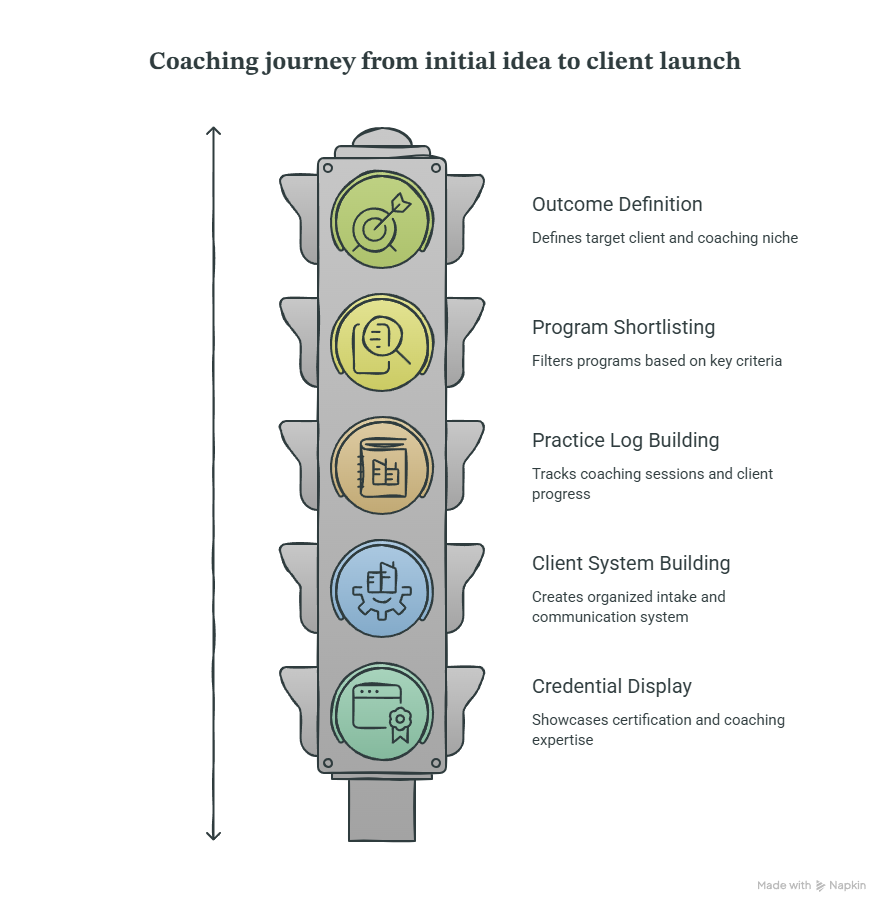
Step one is choosing your outcome before choosing your school. Write down your target client, main problem, coaching language, delivery style, and ideal offer. For example: English-speaking professionals in Tokyo who need stress and sleep routines; Japanese-speaking parents who need habit structure; corporate teams that need wellness accountability; or expats who need lifestyle stability after moving to Japan. Then match that choice with niche coaching strategy, mental health coaching guidance, preventative health coaching, relationship coaching pathways, and financial coaching career planning.
Step two is shortlisting programs using a strict filter. Ask whether the program includes live practice, feedback, ethics, assessments, business support, coaching demonstrations, and a pathway to a recognized credential. Check whether the format fits your schedule, especially if you are working full-time. Busy professionals often need asynchronous lessons plus live practice blocks. Use online certification guidance, busy professional programs, which certification is right for you, essential coaching skills for credentialing, and CPD-accredited certification guidance.
Step three is building your practice log while you study. Many aspiring coaches wait until they “feel ready,” then panic when they have a certificate and zero client evidence. Start with peer coaching, practice clients, structured feedback forms, and session reflections. Track what you asked, what shifted, what action was chosen, what barrier appeared, and what follow-up was needed. This creates your early portfolio through session recording tools, surveys and feedback, goal tracking tools, client journaling tools, and case study templates.
Step four is building your Japan-ready client system. Create an intake form, agreement, privacy note, coaching scope statement, cancellation policy, referral language, session recap template, and progress dashboard. Your system should feel calm, clean, and organized. A client should never wonder what happens next. This is where CRM tools, automated email sequences, scheduling automation, custom coaching dashboards, and payment systems support the professional experience clients expect.
Step five is credential display and launch. Put your certification on your website, LinkedIn, email signature, resume, workshop deck, and proposal documents using accurate language. Explain what your training allows you to do, what your coaching process includes, and what clients can expect in the first 30 days. Use resume credential guidance, certification differentiation, client testimonials, SEO for coaching websites, and YouTube growth for coaches to turn training into market visibility.
5. How to Turn Certification into Clients, Trust, and Revenue in Japan
Certification becomes valuable when it changes how clients experience you. Your offer should state the client problem, the coaching outcome, the support rhythm, the tools used, and the type of person who fits the program. A weak offer says, “I help people live better.” A stronger offer says, “I help busy professionals build sustainable sleep, stress, movement, and weekly planning routines through structured coaching, habit tracking, and practical accountability.” Build that clarity with high-ticket coaching offers, client magnet positioning, business growth tools, referral networking, and client loyalty strategy.
Your first Japan-focused package should be simple. Offer a 6-week or 8-week starter program with intake, weekly sessions, one core habit tracker, recap notes, and a final progress review. The package should solve one clear pain: sleep consistency, stress routines, weight-support habits, executive energy, post-relocation stability, or work-life reset. Simplicity helps clients understand the value and helps you deliver consistently. Use radical simplicity in coaching, micro-coaching strategy, accountability frameworks, gamification strategies, and habit formation systems.
Trust signals need to appear before the sales call. Build a website page that explains your certification, scope, method, session flow, client fit, and expected outcomes. Add a short ethical statement: you coach behavior and self-management, and you refer out for clinical, medical, dietetic, or mental-health needs. Add two or three anonymized case studies once you have permission and enough experience. Strengthen the page with coaching integrity, trust-building guidance, case study writing, feedback-driven growth, and client experience design.
For marketing, build content around the client’s lived pain. Topics like “How to rebuild sleep routines after overwork,” “How expats can create healthy routines in Japan,” “How to stay consistent with movement during long workweeks,” and “How coaching helps when motivation keeps collapsing” will perform better than abstract credential talk. Pair those topics with SEO tools for coaches, digital marketing tools, coaching resource hubs, community platforms, and future coaching trends.
Your long-term advantage in Japan will come from being specific, ethical, and measurable. Choose a niche, document outcomes, improve your coaching skill, build referral relationships, and keep your delivery system clean. The coaches who struggle usually chase credentials without a business model. The coaches who grow turn certification into a client journey: clear promise, safe intake, skilled sessions, visible progress, thoughtful follow-up, and respectful renewal. Keep refining with state of the coaching industry trends, technology transformation, AI and client interactions, future client engagement, and scaling profitably.
6. FAQs About Health & Life Coaching Certification in Japan
-
A private coaching certificate is usually about credibility, skill, and market trust, while regulated healthcare and nutrition titles remain separate. The safest path is to earn training that teaches ethics, boundaries, coaching process, and referral standards. If your work touches lifestyle habits, use health coaching certification, ethical responsibilities, legal requirements, trust-building, and scope-safe diet coaching as your foundation.
-
Choose based on your client and service. NBHWC-style training fits health and wellness coaching. ICF-style training fits broader life, executive, and leadership coaching. CPD-style programs may support continuing education and professional development. Dual programs help when your clients need both health habits and life structure. Compare NBHWC certification, ICF credentialing, CPD-accredited life coaching, which certification is right for you, and online life coach programs.
-
Yes, online coaching can work well when your contract, privacy practices, payment setup, scheduling, language, and scope are clear. You should also understand the client’s location, cultural expectations, and referral options. Build your online model with Zoom best practices, automated email sequences, client dashboards, payment systems, and CRM tools.
-
A coach should stay inside general behavior support unless they also hold the right licensed nutrition qualification. In Japan, dietitian and registered dietitian titles involve formal licensing pathways, and registered dietitian licensure requires a national exam. A safer coaching approach is helping clients follow general goals, plan grocery habits, reflect on barriers, and coordinate with qualified professionals. Study diet behavior coaching, ethical coaching, client expectations, constructive feedback, and safe coaching environments.
-
Many online health or life coaching programs can be completed in months, while board-style or advanced credentials may require more education, coaching practice, mentor support, and exam preparation. Your timeline depends on the credential, your weekly study hours, and whether you already have relevant experience. Plan your route with quick certification guidance, online health coach certification, exam prep support, credentialing pitfalls, and certification portfolio planning.
-
Start with one niche, one pain point, one offer, and one primary channel. Build a small but strong client journey: discovery call, intake, contract, session rhythm, habit tracker, recap, testimonial request, and referral ask. Then publish useful Japan-focused content and build relationships with aligned professionals. Use SEO for coaching websites, digital marketing tools, networking strategy, testimonial capture, and client retention.
