
The Ultimate Guide to Getting Health & Life Coaching Certification in UAE: Everything You Need to Know in 2026-2027
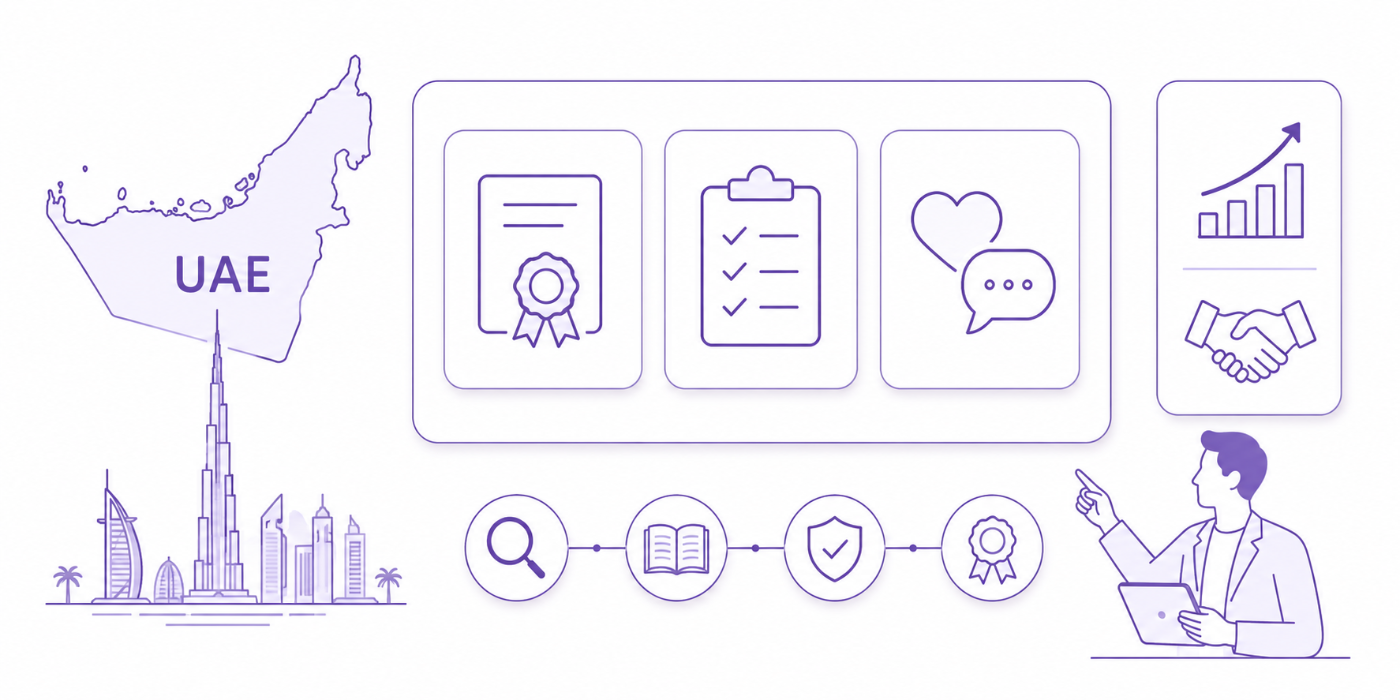
UAE coaching clients are sophisticated, time-poor, and highly outcome-focused. They want practical change, credible guidance, cultural awareness, privacy, and a clear reason to trust you before they share personal health, stress, family, career, or lifestyle challenges. A strong certification gives you structure, language, ethics, and proof of seriousness, especially when paired with client trust building, ethical coaching responsibilities, behavior change science, and credible certification positioning.
1. Why UAE Health & Life Coaching Certification Needs a Smarter Plan in 2026-2027
The UAE is a premium coaching market, which means weak preparation gets exposed quickly. Clients in Dubai, Abu Dhabi, Sharjah, and remote corporate settings often compare coaches by professionalism, clarity, proof, confidentiality, and practical outcomes. A certificate alone will rarely carry the whole sale. You need a certification that helps you coach across goals, habits, stress, lifestyle change, confidence, communication, accountability, and sustainable routines while staying grounded in professional coaching standards, coaching integrity, client expectation management, and safe coaching environments.
The biggest mistake new UAE coaches make is treating certification as a badge instead of an operating system. The right program should sharpen intake, boundaries, questioning, follow-up, journaling, goal design, relapse planning, progress tracking, and offer creation. This matters because clients in the UAE often arrive with stacked pressure: demanding work schedules, relocation stress, family expectations, body-image pressure, inconsistent sleep, social eating, and burnout disguised as ambition. A strong path combines health coaching certification, life coaching certification, effective coaching communication, and accountability skills.
For UAE practice, you also need a clean separation between coaching, nutrition advice, therapy, medicine, and licensed healthcare work. Dubai Health Authority registration is a healthcare-professional pathway that confirms an applicant meets requirements for a professional category, title, and specialty, and DHA says the registration is valid for one year before a healthcare facility activates it into a license. That means your coaching certificate should strengthen your coaching scope, while clinical nutrition, medical counseling, diagnosis, treatment, or licensed healthcare roles require the relevant authority pathway. Use coaching boundaries, career mistake prevention, legal requirements for coaches, and ethical responsibilities as non-negotiable parts of your UAE plan.
2. How to Choose the Right Certification Path for the UAE Market
Start by choosing the client problem you want to solve, then match the certification to that problem. A UAE health and life coach may focus on executive burnout, weight-related habits, women’s wellness, stress resilience, confidence, family-life balance, expat adjustment, corporate wellness, or behavior change for busy professionals. Each niche needs a different toolkit. Weight-related habit coaching needs habit formation tools, stress-focused coaching needs anxiety and stress strategies, executive coaching needs constructive feedback skills, and lifestyle transformation needs behavioral coaching strategies.
A strong certification should also prepare you to explain your value in one clean sentence. Weak coaches say they “help people feel better.” Stronger coaches say they help busy UAE professionals build realistic health, mindset, and lifestyle systems without shame, confusion, or extreme plans. That shift matters because clients buy clarity. They want to know the problem you solve, how your process works, what happens after a missed week, what support exists between sessions, and how progress is measured. Build this with coaching case-study templates, client feedback tools, goal tracking systems, and client retention strategies.
For international credibility, many coaches compare CPD-style certification, ICF pathways, NBHWC-related preparation, and niche programs. ICF’s current ACC page lists 60 hours of coaching education, 100 hours of coaching experience, 10 hours of mentor coaching, performance evaluation, and the ACC exam as eligibility requirements. ICF’s PCC page lists 125 hours of coach-specific education, 500 hours of coaching experience, and 10 hours of mentor coaching. For UAE learners, that makes pathway planning important: use ICF application guidance, ICF exam mistakes, essential coaching skills, and credential comparison before committing.
A dual health and life coaching path is valuable because client reality rarely fits one category. A client who wants better food choices may also need confidence, sleep rhythm, boundaries at work, emotional regulation, family communication, and relapse recovery. A client who wants career clarity may also struggle with energy, self-trust, routines, and stress eating. The best UAE certification choice prepares you to handle this overlap with positive psychology coaching, neuroscience-based coaching, solution-focused coaching, and inner critic management.
3. The UAE Scope, Ethics, and Compliance Rules Coaches Must Respect
The safest UAE coaching model is clear, documented, and referral-aware. Your role is to support self-directed change, behavior planning, accountability, reflection, and sustainable action. Clinical diagnosis, prescribed meal plans for medical conditions, treatment advice, medication guidance, and therapy-style intervention belong with qualified professionals. Abu Dhabi’s Department of Health says its Professional Qualification Requirement framework emphasizes education standards, experience, and licensure requirements for healthcare professionals to practice safely in the UAE. Dubai’s Sheryan service also references Primary Source Verification and required Computer Based Testing for healthcare professional registration. Build your practice around scope boundaries, ethical coaching, emotional consent, and client safety.
Your intake process should ask the questions that protect both client and coach. What does the client want? What have they already tried? What medical, therapeutic, dietary, or emotional support already exists? What would make coaching unsafe or insufficient? What should trigger referral? What does success look like in 30, 60, and 90 days? This is where amateurs lose trust: they rush into advice before understanding context. A professional UAE coach uses surveys and feedback, custom coaching dashboards, journaling tools, and case-study thinking to build a serious client record.
Ethics also affects marketing. Avoid promising weight loss, guaranteed income, cured anxiety, reversed disease, or instant transformation. UAE clients may enjoy confident branding, yet they still look for mature wording. Say what your process supports: better routines, stronger accountability, clearer goals, improved decision-making, practical habit change, and healthier follow-through. That language protects you and feels more believable. Pair your offer with trust-building principles, coaching integrity, client testimonial capture, and credibility-boosting case studies.
4. How to Turn Certification into Paying UAE Clients
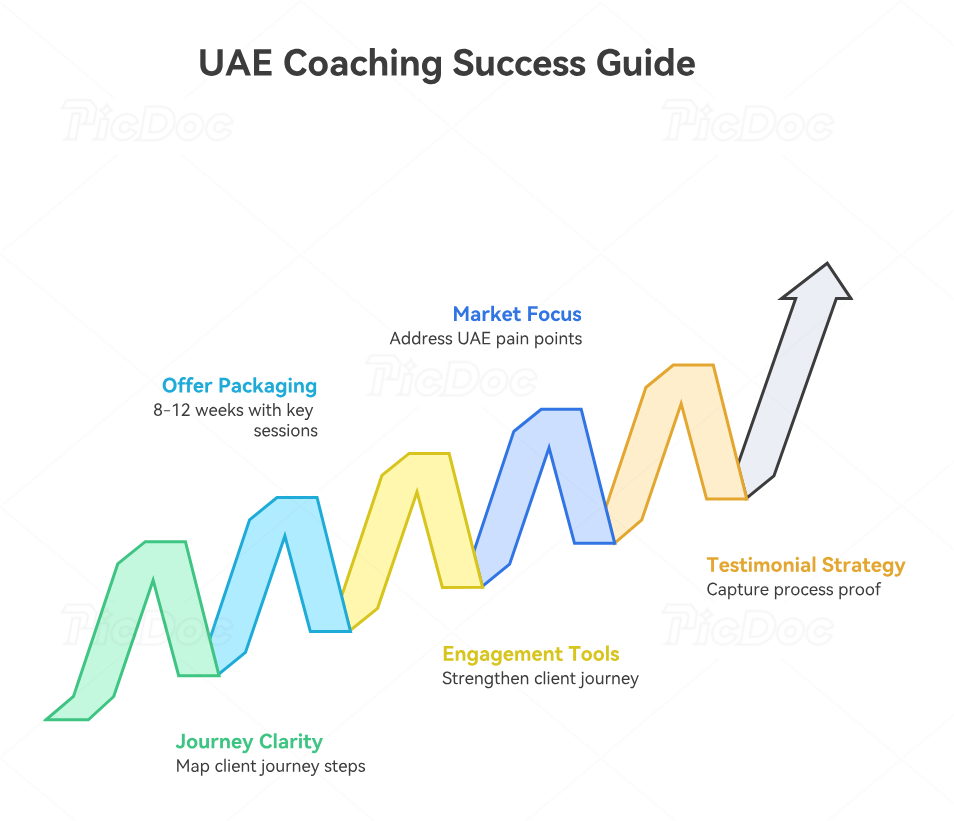
Certification becomes profitable when it is translated into a clear client journey. A UAE client should never feel like they are buying random sessions. They should understand the first call, intake, baseline review, weekly focus, between-session support, progress review, renewal point, and outcome measurement. Package your offer around pain: “I help overloaded professionals rebuild health routines without extreme plans,” or “I help expat women create sustainable self-care and confidence systems during major life transitions.” Strengthen that journey with client engagement models, micro-coaching strategy, coaching automation, and CRM tools.
Your first UAE offer should be specific enough to sell and flexible enough to coach. A strong starter package might run 8 to 12 weeks, include one intake session, weekly or biweekly calls, a habit dashboard, voice-note or form-based check-ins, progress reviews, and a clear renewal pathway. Avoid selling “unlimited support” unless you have firm boundaries. Clients who pay premium prices expect responsiveness, yet coach burnout begins when every client becomes urgent. Use payment systems, client retention systems, high-ticket offer structure, and difficult client handling to build sustainably.
Marketing should speak to UAE pain points with dignity. Corporate clients may care about burnout, absenteeism, leadership pressure, productivity, and emotional resilience. Private clients may care about body confidence, family routines, sleep, stress, health habits, or identity after relocation. Wellness partners may care about client adherence and retention. Your content should answer the questions prospects are afraid to ask: “Will this fit my schedule?” “Will I be judged?” “Can I still eat culturally familiar food?” “What happens when I fail?” Use SEO tools for coaching websites, digital marketing tools, YouTube growth for coaches, and networking strategies.
Testimonials in the UAE market should be specific, ethical, and privacy-respecting. Instead of pushing clients for dramatic before-and-after claims, capture process-based proof: better consistency, clearer boundaries, improved follow-through, stronger energy management, calmer decision-making, and more realistic routines. Strong testimonials explain the client’s starting problem, the coaching process, and the meaningful change without exposing sensitive details. Build this with client testimonial capture, case-study templates, successful transformation examples, and exceptional client experience design.
5. Your 90-Day Certification-to-Practice Roadmap for UAE
Days 1 to 30 should focus on clarity. Choose your niche, review certification options, map your ethical scope, and draft your client promise. Build a simple intake form, a coaching agreement, a referral policy, and a 90-day client journey. Practice explaining what you do without sounding vague or inflated. Create three sample client pathways: stress and energy, habit consistency, and confidence or life transition. Use must-have coaching tools, coaching toolkit curation, resource hub building, and certification portfolio planning.
Days 31 to 60 should focus on practice and proof. Coach practice clients, record reflections, improve your questions, test your forms, and learn where your process feels unclear. Ask every practice client what helped, what felt confusing, and what they needed between sessions. Build one anonymized case study from a real coaching process. Start publishing content around the exact problems your UAE clients face: inconsistent routines, burnout, emotional eating, confidence, work-life boundaries, and motivation collapse. Strengthen this stage with session recording tools, feedback tools, daily journaling prompts, and life mapping.
Days 61 to 90 should focus on launch. Create your first paid offer, build a simple landing page, prepare discovery-call questions, set payment terms, define communication boundaries, and contact aligned referral partners. These may include gyms, wellness studios, HR consultants, corporate trainers, women’s communities, expat groups, or professionals serving the same client base. Your goal is to become easy to understand and easy to trust. Support this with coaching business automation, business growth tools, joint ventures for coaches, and future-proof coaching trends.
The final piece is professional maturity. UAE clients can sense when a coach is overreaching, winging the process, or hiding behind inspirational language. Your certification should make you calmer, clearer, and more useful. When a client misses a goal, you should know how to reset. When a client shares something outside your scope, you should know how to refer. When a client wants fast results, you should know how to slow the plan down without losing momentum. Keep sharpening coaching mastery, positive change models, strength-based coaching, and mindset shifts.
6. FAQs About Health & Life Coaching Certification in UAE
-
Certification gives you credibility, structure, ethics, coaching tools, and client confidence. For private coaching work, clients and employers usually care about your training quality, scope clarity, testimonials, and professional conduct. For licensed healthcare roles, UAE authority requirements apply separately. That is why smart coaches combine health coach certification, life coach certification, ethical coaching standards, and legal requirement awareness.
-
The best certification depends on your target client. If you want corporate coaching, look for communication, ethics, assessment, and behavior-change training. If you want wellness coaching, prioritize habit formation, lifestyle change, stress support, and scope boundaries. If you want global credential progression, compare CPD-style training, ICF pathways, and NBHWC-related preparation. Start with which certification is right for you, international certification options, NBHWC coaching competencies, and ICF credentialing skills.
-
A health coach can support goals, awareness, routines, food habits, planning, accountability, and behavior change within coaching scope. Clinical diet plans, disease-specific nutrition treatment, diagnosis, or medical nutrition therapy should be handled by appropriately licensed professionals. The safest approach is to coach patterns, questions, barriers, and consistency while referring clinical needs. Use diet-change coaching guidance, coaching boundaries, career mistake prevention, and client safety practices.
-
Many online coaching certifications can be completed in a few months, while ICF-style credential paths require education hours, coaching experience, mentor coaching, and exams. Your timeline depends on whether you want a practical coaching certificate, a deeper professional credential pathway, or both. Busy UAE professionals should choose a path that fits their schedule while still requiring practice and feedback. Compare quick health coach certification, life coach certification timelines, ICF exam preparation, and continuous education.
-
Pick one niche, build one clear offer, collect practice proof, publish helpful content, and create referral relationships. Start with problems people already search for: stress, energy, sleep routines, weight-related habits, self-discipline, burnout, confidence, and work-life boundaries. Then turn your certification into a visible method through case studies, testimonials, dashboards, and structured packages. Build your launch with digital marketing tools, SEO for coaching websites, client retention, and high-ticket coaching offers.
-
It can be a strong career when you treat it like a professional practice instead of a motivational side hustle. UAE clients value privacy, polish, convenience, measurable progress, and culturally aware support. The opportunity is strongest for coaches who combine certification, niche positioning, ethical boundaries, digital systems, referral partnerships, and retention strategy. Build your foundation with state of coaching trends, future-proof coaching practice, coaching income planning, and scalable practice strategy.
