
The Ultimate Guide to Getting Health & Life Coaching Certification in Saudi Arabia: Everything You Need to Know in 2026-2027
Saudi Arabia is becoming one of the strongest markets for coaches who can turn wellness goals into measurable behavior change. A certificate matters because clients, employers, and wellness partners want proof that you understand ethical coaching responsibilities, client trust, behavior change science, and professional boundaries. The real win comes from choosing training that fits Saudi culture, digital delivery, corporate wellness, and long-term client accountability.
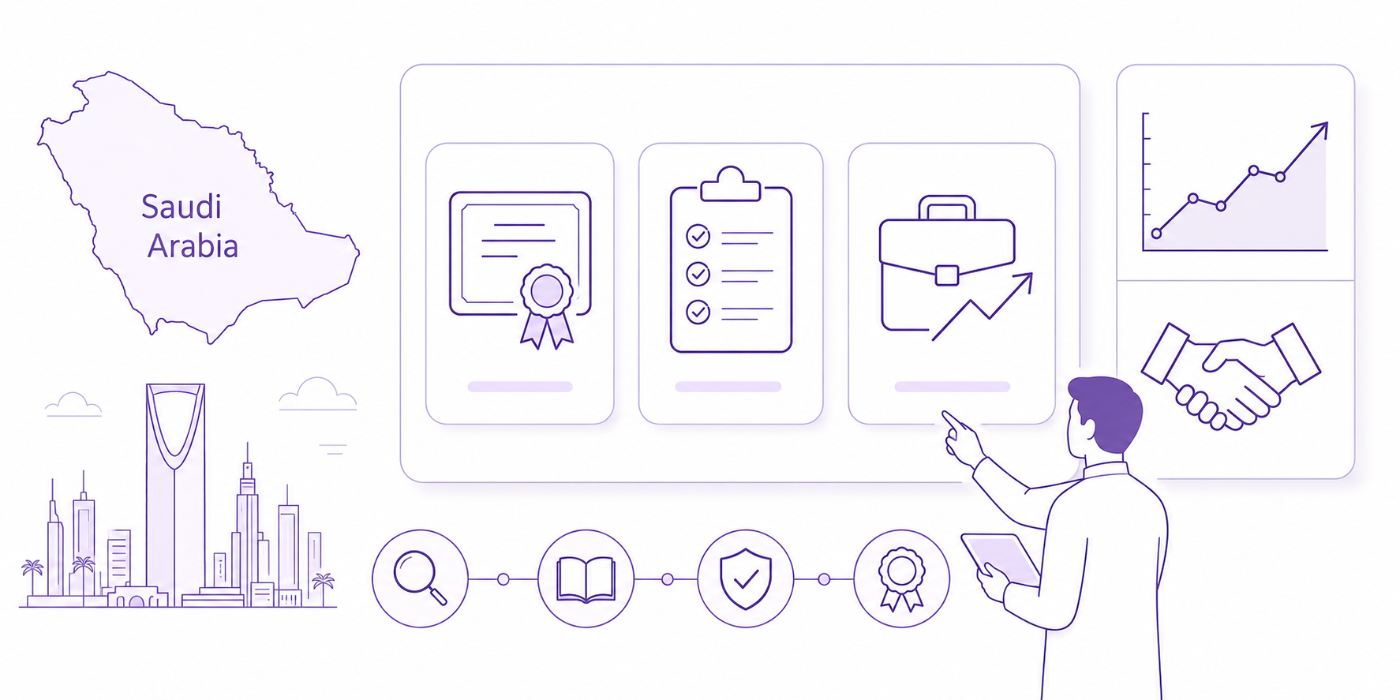
1. What Health & Life Coaching Certification Means in Saudi Arabia in 2026-2027
A health and life coaching certification gives you a structured method for helping clients set goals, improve habits, manage accountability, and build healthier daily routines. In Saudi Arabia, that matters because the wellness conversation is moving beyond generic motivation into prevention, digital health, lifestyle support, and measurable personal development. Saudi Vision 2030’s Health Sector Transformation Program highlights prevention, healthcare access, e-health services, digital solutions, and international standards, which makes well-trained coaches more relevant when they understand preventative health coaching, digital coaching tools, client engagement, and coaching integrity.
The safest way to think about certification is simple: it supports coaching credibility, while clinical diagnosis, medical treatment, regulated nutrition practice, psychotherapy, and healthcare licensing belong in separate professional lanes. The Saudi Commission for Health Specialties describes professional classification as a process for determining a health practitioner’s professional degree based on qualifications, experience, and assessment, so any coach who plans to work inside healthcare, use clinical titles, or make health-practitioner claims should verify classification and employer requirements before marketing services.
For most aspiring coaches, the smartest path is to build a clear scope: lifestyle habits, goal setting, accountability, motivation, stress-aware routines, confidence, career-life balance, and referral discipline. Saudi Arabia’s Quality of Life Program also supports broader lifestyle, sports, entertainment, and wellbeing development, which gives coaches more space to serve individuals, companies, gyms, online communities, and wellness brands with habit formation tools, goal tracking systems, constructive feedback, and client retention strategies.
2. Choose the Certification Path Around the Work You Actually Want
The biggest mistake in Saudi Arabia is choosing a certificate first and a coaching identity later. Start with the type of client you want to serve. A health-focused coach may need stronger training in behavior change, habit formation, preventative wellness, client accountability, and diet-related coaching conversations. A life-focused coach may need stronger training in values, confidence, career direction, relationships, self-leadership, emotional awareness, and decision-making.
For Saudi Arabia, the strongest certification path usually has three layers. The first layer is core coaching skill: listening, questioning, goal setting, motivational support, reflective practice, consent, and boundaries. The second layer is niche depth: wellness, stress, confidence, relationships, career, weight habits, sleep routines, or executive performance. The third layer is business application: intake forms, packages, pricing, testimonials, client dashboards, content, referrals, and retention. ANHCO’s guides on best online health coach certification programs, online life coach certification, CPD-accredited life coach certification, and quick online certification help you compare speed, credibility, and practical use.
Saudi clients often want privacy, clarity, and respect before they open up. That means your certification should train you to hold sensitive conversations without pushing, diagnosing, shaming, or over-advising. If your future clients include executives, mothers, students, expats, founders, or fitness clients, study safe coaching environments, emotional consent, client expectations, constructive feedback, and client retention before you invest in flashy branding.
3. Build a Saudi-Ready Coaching Skill Stack Before You Launch
A certificate opens the door; your skill stack keeps clients from leaving after two sessions. In Saudi Arabia, coaching has to feel practical, respectful, private, and relevant to the client’s real life. A strong coach can convert “I want to lose weight,” “I feel burned out,” “I cannot stay consistent,” or “I need direction” into a weekly behavior plan with realistic friction points. That requires goal clarity, accountability systems, barrier planning, feedback tools, and client journaling.
The strongest Saudi-ready coaches also know how to adapt sessions around culture, family dynamics, work schedules, prayer times, Ramadan routines, gender comfort, privacy expectations, and bilingual communication. This does not require turning every session into cultural commentary. It requires asking better questions, avoiding assumptions, and designing action steps the client can actually live with. That is where effective communication, positive psychology coaching, strength-based coaching, appreciative inquiry, and solution-focused brief coaching become useful.
Documentation also matters. Coaches who keep loose notes, vague goals, and scattered WhatsApp follow-ups often lose the client’s trust quietly. Use intake forms, weekly recaps, client action logs, consent notes, referral notes, progress dashboards, and testimonial capture. Saudi Arabia’s modern health care model emphasizes prevention and health promotion through healthier lifestyles and community support, which fits coaches who can document lifestyle-support progress with discipline. Tools like custom coaching dashboards, automated email sequences, session recording tools, and coaching case studies make your value visible.
4. What to Check Before Paying for a Certification Program
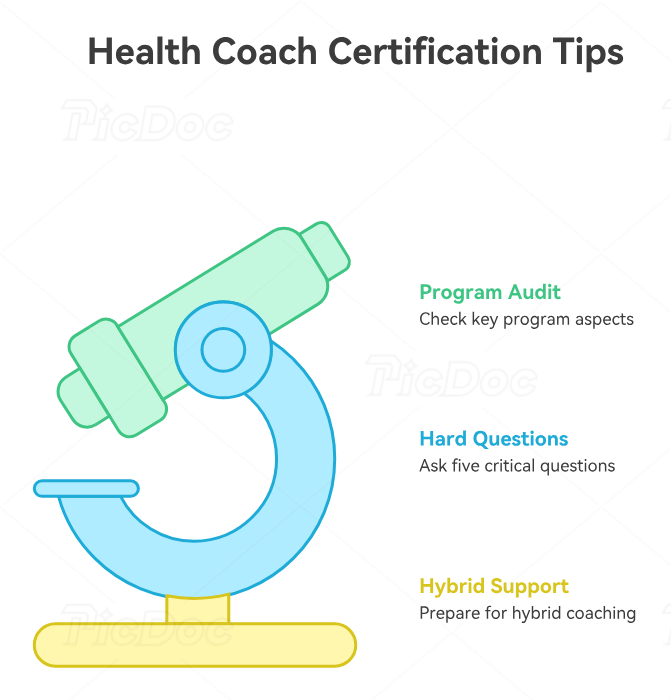
Before you pay, audit the program like a professional decision, not an emotional purchase. Look for curriculum depth, coaching practice, feedback, ethics, mentor support, business training, assessment format, learning flexibility, community access, and continuing education. A strong program should help you coach a real person through confusion, resistance, self-doubt, relapse, and inconsistent follow-through. ANHCO’s guides on certification trends, health coach certification salary, whether certification is worth it, credentialing resources, and common credentialing mistakes are useful filters here.
Ask five hard questions before enrolling. Will this program teach me how to handle clients who disappear? Will it train me to respond when a client wants medical advice? Will it show me how to document outcomes? Will it help me build an offer clients understand? Will it give me enough practice to feel steady in session? Weak programs sell confidence while leaving you alone after graduation. Stronger programs connect training with client retention, difficult client situations, coaching automation, business growth, and portfolio building.
Saudi Arabia also rewards practical delivery. Many clients will prefer hybrid support: video calls, WhatsApp-style reminders, private check-ins, digital worksheets, habit trackers, and short recaps. That means your certification should prepare you for online coaching, not only classroom theory. Study coaching apps, payment systems, CRM tools, digital marketing tools, and coaching automation before launching services.
5. Turn Certification Into Paid Coaching Work in Saudi Arabia
The painful truth is that many certified coaches finish training with a certificate, a logo, and no clear path to clients. To avoid that, build your launch while studying. Choose one niche, write one offer, build one intake form, create one 6- or 12-week framework, collect practice hours, document outcomes, and publish content that answers real client fears. The best launch plan combines must-have tools, coaching resource hubs, client testimonials, networking strategy, and profitable scaling.
For Saudi Arabia, strong niches include corporate wellness, stress and burnout routines, women’s wellness support, student confidence, expat adjustment, executive performance, fitness accountability, preventive lifestyle support, relationship coaching, and habit-based weight management. The opportunity grows when your offer is specific: “8-week consistency reset for busy professionals,” “12-week wellness habits program for women rebuilding energy,” or “corporate micro-coaching program for stress and focus.” Use micro-coaching, gamification strategies, mental health coaching boundaries, relationship coaching pathways, and financial coaching career planning to refine your direction.
Your marketing should speak to the client’s hidden frustration: they have tried advice, apps, gym plans, diets, planners, and motivational videos, yet they still fail when life gets stressful. A good coach sells structure, privacy, consistency, and personal fit. Publish case-study-style content, explain your process, show the before-and-after behavior shift, and make booking simple. Build your site with SEO tools, strengthen your authority through YouTube growth, create better proof with case studies, and protect your reputation with legal requirement awareness.
6. FAQs About Health & Life Coaching Certification in Saudi Arabia
-
Certification gives you credibility, structure, ethics training, and a safer coaching process. Your exact requirements depend on how you market yourself, where you work, and whether your role enters regulated healthcare activity. If you plan to use clinical language, work under a healthcare employer, or present yourself as a health practitioner, verify Saudi classification and employer rules first. For most coaches, a strong program plus ethical coaching, scope boundaries, client trust, and coaching integrity is the practical foundation.
-
Choose health coaching if your main work will involve habits, wellness routines, nutrition-adjacent conversations, movement consistency, sleep, energy, stress routines, and preventive lifestyle support. Choose life coaching if your work will focus on confidence, goals, relationships, career direction, self-leadership, and personal growth. A combined path can work well in Saudi Arabia because many clients need both health structure and life clarity. Compare health coach certification, life coach certification, CPD life coaching, and certification fit.
-
Many online programs can be completed in a few weeks to several months, while deeper certification routes with practice hours, assessments, mentorship, or advanced credentialing can take longer. Speed matters only when the training still builds real coaching skill. A rushed certificate without practice can leave you nervous in paid sessions. Study the difference between quick completion and career readiness through quick health coach certification, quick life coach certification, certification portfolio planning, and mastering certification interviews.
-
Master intake, confidentiality, goal setting, active listening, referral judgment, habit design, relapse planning, feedback, and weekly accountability before trying to build a large brand. Clients can forgive simple branding when the coaching helps them feel clear, respected, and supported. They lose trust quickly when sessions feel random. Start with core coaching skills, communication, accountability, behavior change, and safe coaching environments.
-
Yes, online coaching can work extremely well when you build the right systems: booking, video calls, consent forms, notes, check-ins, reminders, payment, and progress tracking. The weak point is follow-through between sessions, so your digital workflow must keep clients engaged without overwhelming them. Use video conferencing best practices, automated email sequences, goal tracking tools, client dashboards, and coaching tech.
-
Start with a narrow offer, a clear promise, and proof-building. Offer beta coaching to a small group, collect structured feedback, create anonymized case studies, publish useful content, and build referral relationships with gyms, wellness communities, HR teams, clinics, schools, and professional networks where appropriate. Clients buy coaching when they understand the problem you solve and trust your process. Build that trust through client testimonials, case studies, digital marketing, joint ventures, and retention systems.
