
The Ultimate Guide to Getting Health & Life Coaching Certification in Qatar: Everything You Need to Know in 2026-2027
Qatar is becoming a stronger market for health, wellness, lifestyle, and performance coaching because clients are facing high-pressure work schedules, family responsibilities, fitness confusion, stress, sleep disruption, career transitions, and digital overload. A coach who sounds motivating for one session may get attention, but a certified coach with structure, ethics, and measurable systems earns trust.
This guide breaks down how to choose a health and life coaching certification in Qatar, what your training should include, which mistakes to avoid, and how to turn certification into a credible coaching career in 2026-2027.
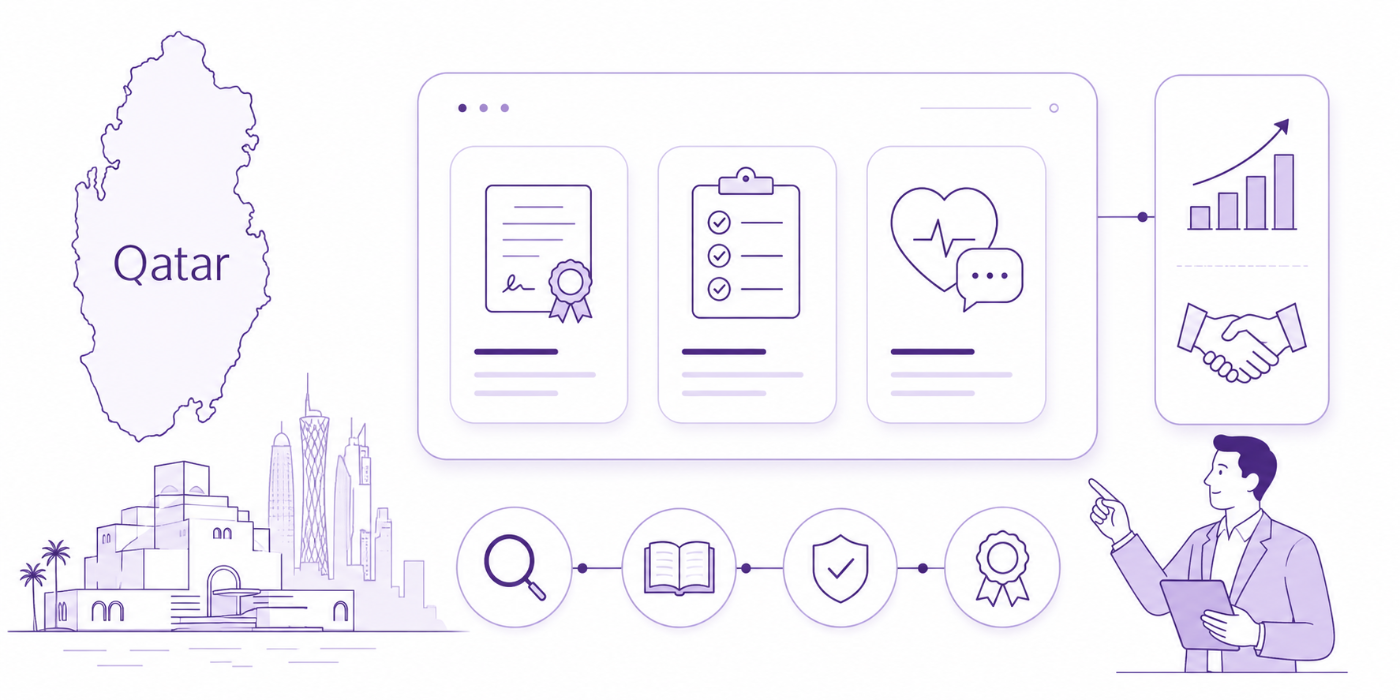
1. Why Health & Life Coaching Certification Matters in Qatar in 2026-2027
Qatar’s coaching market has a unique mix of corporate professionals, entrepreneurs, expatriates, families, wellness-focused clients, fitness communities, and high-achieving individuals who want practical support rather than vague motivation. Many clients are already exposed to trainers, consultants, doctors, therapists, influencers, and wellness content, so a coach must explain what coaching does, where coaching fits, and how the client will experience progress. Certification helps you bring that clarity through coaching integrity, ethical responsibilities, trust-building standards, and health coach certification trends.
The value of certification becomes even clearer when clients bring layered problems into sessions. A client may want weight-management support, then reveal sleep issues, work stress, family pressure, confidence struggles, and low motivation. Another client may ask for career clarity, then struggle with burnout, food choices, emotional regulation, and accountability. A strong certification helps you listen, clarify, organize, and refer responsibly without pretending to be a doctor, therapist, dietitian, or medical specialist. This is where client anxiety and stress coaching, safe coaching environments, emotional consent, and coaching boundaries become non-negotiable.
For Qatar-based coaches, certification also creates stronger positioning in a market where clients often expect professionalism, polished communication, and clear service delivery. A casual “I help people change their lives” message will struggle against coaches who can explain their method, onboarding process, session structure, progress tracking, and ethical limits. Certification gives you language for intake, goal-setting, accountability, habit design, confidentiality, referrals, case documentation, and client review. It also helps you present credentials correctly through resume credential strategy, certification differentiation, certification portfolio building, and credentialing resources.
The wrong certification can create expensive regret. Some programs look premium because they use international language, attractive branding, and fast completion promises, yet they may give little practical training in live coaching, client resistance, ethics, behavior change, documentation, or business setup. A coach who finishes that kind of program may still feel lost during a first paid session. A better program teaches you how to handle missed commitments, unclear goals, emotional disclosures, unrealistic expectations, and scope-sensitive health questions. Before enrolling, compare your options with which certification is right for you, common credentialing mistakes, NBHWC competencies, and ICF credentialing skills.
2. How To Choose the Right Health & Life Coaching Certification in Qatar
Start with the client group you want to serve. A coach targeting corporate wellness in Doha needs different training from a coach focused on life direction, stress, habit change, family balance, confidence, or personal wellbeing. If your client is a senior professional, they may expect concise communication, measurable progress, confidentiality, and time-efficient coaching. If your client is a wellness beginner, they may need smaller steps, stronger encouragement, and careful behavior-change support. Your certification should match the real client problem, whether that connects to mental health coaching, relationship coaching, preventative health coaching, or financial coaching.
A strong certification should teach coaching process and ethical judgment together. Process includes intake, goal-setting, reflection, habit design, action planning, feedback, accountability, and review. Ethical judgment includes informed consent, confidentiality, scope, referral awareness, professional boundaries, and responsible marketing. Qatar’s client base can include locals, expatriates, corporate teams, fitness-focused adults, parents, and high-stress professionals, so you need a method that adapts without becoming vague. A useful program should prepare you to respond when a client asks for nutrition prescriptions, medical opinions, relationship rescue, anxiety treatment, or guaranteed transformation. Support this foundation with professional coaching standards, career-ending mistake prevention, coaching traps, and constructive feedback skills.
Online and hybrid training can work very well for Qatar-based learners because many aspiring coaches are balancing demanding jobs, family commitments, travel, and irregular schedules. Still, flexibility should come with accountability. Look for recorded lessons, live practice, trainer feedback, peer coaching, assignments, case studies, templates, and a clear assessment structure. A weak online program may feel convenient during enrollment and disappointing when you face real clients. You need training that forces you to practice listening, clarifying, challenging, summarizing, and creating action plans. Compare options with best online health coach certifications, online life coach certification programs, quick health coach certification, and quick life coach certification.
Business support matters because certification does not automatically create clients. Many new coaches finish training with confidence in theory and confusion in the market. They do not know which niche to choose, how to price, how to explain their offer, how to run a discovery call, how to onboard, how to collect testimonials, or how to retain clients. A career-ready program should help you build a simple offer and explain your value clearly. If your program focuses only on coaching theory, add separate support through high-ticket coaching offers, client retention strategies, exceptional client experiences, and networking for coaches.
Before paying, score every certification across credibility, curriculum depth, practice hours, ethics, assessment, business support, technology training, community, and renewal options. Give extra weight to practice and feedback because coaching skill cannot be developed through passive watching. Ask direct questions: Who teaches the program? What standards does it follow? How many practice sessions are included? How are students assessed? What happens if you struggle? What templates are provided? What support exists after completion? A serious provider will answer clearly. Strengthen your comparison with ICF certification exam guidance, NBHWC exam pitfalls, CPD life coach certification, and certified coach value analysis.
3. What Your Certification Should Teach Before You Coach Paying Clients
The first essential skill is intake. New coaches often rush into advice because they want the client to feel helped quickly, but poor intake leads to weak plans. A proper intake should uncover the client’s goal, health background, emotional stressors, lifestyle barriers, schedule, support system, motivation level, previous attempts, and expectations. In Qatar, this can also include work intensity, travel, household responsibilities, cultural expectations, privacy concerns, and food routines. Strong intake helps you build realistic plans using surveys and feedback tools, client journaling tools, custom coaching dashboards, and coaching resource hubs.
The second skill is goal translation. Clients usually arrive with broad wishes: lose weight, feel calmer, become disciplined, find purpose, change habits, improve confidence, reduce stress, or make better decisions. Your job is to turn those wishes into coachable behaviors, milestones, barriers, and review points. A client who says “I need balance” may need boundaries, sleep structure, work transitions, family communication, or decision clarity. A trained coach breaks that down without overwhelming the client. Build this skill through interactive goal tracking, life mapping, solution-focused brief coaching, and transformational coaching strategies.
The third skill is behavior change. Clients usually have enough information; their real problem is execution under pressure. They know they should sleep earlier, move more, communicate better, eat more intentionally, manage stress, or plan the week. The breakdown happens when fatigue, social events, deadlines, family routines, emotional triggers, and all-or-nothing thinking interfere. Certification should teach relapse planning, small-step design, cue building, friction reduction, habit stacking, self-monitoring, and recovery after missed commitments. Study habit formation tools, strength-based coaching techniques, positive psychology frameworks, and neuroscience-based coaching to create stronger client outcomes.
The fourth skill is communication under pressure. A client may reject suggestions, miss actions, ask for direct advice, overshare emotionally, question the process, or expect you to solve everything. Your certification should train you to listen deeply, summarize accurately, ask permission, challenge respectfully, reflect patterns, and hold boundaries without sounding cold. This is where many untrained coaches lose clients. They either become too passive and sessions drift, or they become too directive and clients feel judged. Strong communication connects with coaching communication, effective NBHWC communication, managing client expectations, and handling difficult client situations.
The fifth skill is documentation. Every paid client should have a coaching agreement, intake form, goal notes, session summaries, action steps, progress reviews, confidentiality terms, and clear cancellation rules. Documentation helps clients feel secure and helps you avoid messy misunderstandings. It also gives you better visibility into patterns. If a client keeps missing commitments, your notes should reveal whether the issue is time, energy, fear, clarity, family pressure, unrealistic planning, or low buy-in. Use client session recording tools, automated email sequences, client testimonials capture, and coaching case studies to build proof with care.
The sixth skill is outcome review. Clients may enjoy sessions and still fail to change. A professional coach measures progress through behavior, awareness, confidence, consistency, decision quality, stress response, and goal movement. Outcome review helps clients see small wins, identify bottlenecks, and stay invested when progress feels slow. It also helps you improve your coaching method because you can see which interventions work for which clients. Build this skill through client feedback growth, successful transformation case studies, client empowerment methods, and accountability in coaching.
4. How To Build a Coaching Career in Qatar After Certification
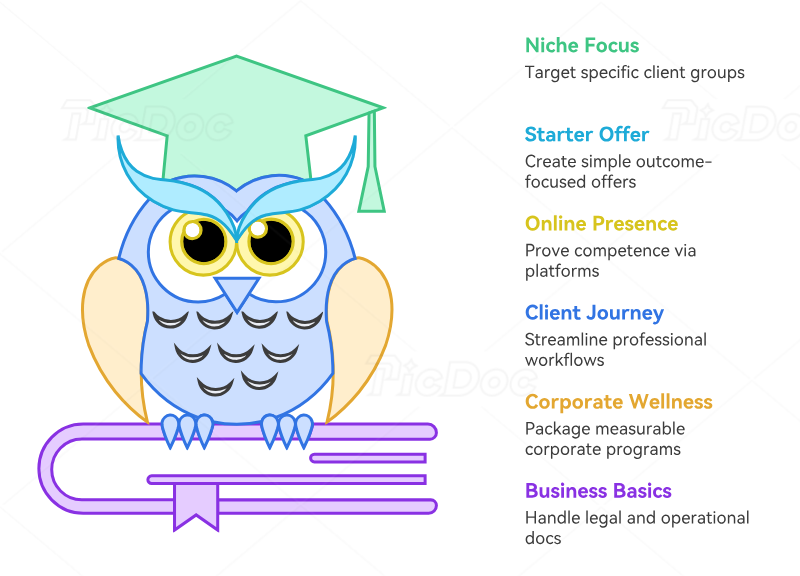
Certification becomes marketable when you connect it to a clear niche. “Health and life coach” is broad, and broad messaging often makes clients hesitate because they cannot tell whether you understand their specific problem. A sharper niche might be stress and lifestyle coaching for corporate professionals, habit coaching for busy parents, confidence coaching for young professionals, wellness accountability for entrepreneurs, or life direction coaching for people in transition. Your niche should reflect client pain, your training, and your delivery strengths. Shape this using client preference trends, state of coaching industry insights, future-proof coaching trends, and niche coaching toolkit planning.
Your first offer should be simple, outcome-aware, and easy to explain. A strong starter offer may include six or eight weeks, one primary client problem, weekly sessions, between-session accountability, a tracking tool, and a final review. Avoid overwhelming clients with too many packages before you have proof. Early coaching business success comes from clarity, delivery, feedback, and refinement. When a client understands the problem, process, support, and review structure, the purchase feels safer. Build your offer with high-ticket coaching offer design, payment systems, client retention strategies, and exceptional client experience.
Your online presence should prove competence before it sells. Qatar clients may find you through LinkedIn, Instagram, referrals, workplace networks, wellness communities, search, workshops, or private recommendations. Every platform should show the same core message: who you help, what pain you understand, how your process works, and why your credential matters. Instead of relying on motivational posts, publish practical content about stress cycles, habit failure, sleep routines, boundaries, accountability, goal breakdown, burnout signals, decision fatigue, and coaching scope. Grow visibility with SEO tools for coaching websites, YouTube growth for coaches, digital marketing tools, and client acquisition tools.
A professional client journey can separate you from coaches who rely only on personality. The client journey begins at the first inquiry and continues through discovery call, intake, agreement, payment, onboarding, first session, action plan, follow-up, progress review, testimonial, and renewal. If this journey feels messy, even a highly motivated client may doubt your professionalism. Simple systems make a small practice feel premium: scheduling link, intake form, coaching agreement, payment link, habit tracker, progress dashboard, check-in email, feedback form, and testimonial request. Build your workflow with coaching automation, CRM tools, business automation tools, and client engagement technology.
Corporate wellness may be especially attractive in Qatar if you can package coaching into measurable programs. Employers may care about stress, productivity, wellbeing, resilience, communication, burnout prevention, and leadership habits. To approach corporate clients, prepare a clear program outline, session format, learning outcomes, confidentiality terms, reporting boundaries, and measurable feedback process. A corporate buyer needs a different level of polish than an individual client browsing social media. Strengthen this path with benchmarking coaching standards, preventative health coaching, technology in coaching, and coaching through economic changes.
Business basics should be handled before you scale. Paid coaching should include written terms, payment expectations, refund rules, confidentiality language, cancellation policy, scope disclaimers, data handling, and referral boundaries. These documents reduce awkward situations and help serious clients feel safe. If you plan to work across borders, serve expats, or deliver online programs, clear documentation becomes even more important. Review legal requirements for coaches, setting up a coaching business, tax planning for coaches, and financial forecasting before building bigger offers.
5. Common Certification Mistakes Qatar-Based Coaches Should Avoid
The first mistake is choosing a certificate because it looks expensive or global. Premium branding can hide shallow training. You need a program that teaches the work behind the certificate: coaching conversations, ethics, health behavior, life coaching frameworks, practice, feedback, documentation, and business readiness. If a program cannot explain its standards, assessment, and support clearly, be careful. A better decision starts with certification mistakes, NBHWC exam pitfalls, ICF exam mistakes, and credentialing application guidance.
The second mistake is studying forever because launching feels uncomfortable. Many new coaches collect certificates, frameworks, templates, and workshops because real visibility feels risky. More training can help, but practice with real humans is where coaching skill becomes grounded. Once you understand ethics, scope, intake, session flow, and basic behavior change, begin with practice clients, beta programs, workshops, or small group offers. Keep learning through coach mastery, continuous coaching education, mindset shifts, and scaling a coaching practice, while building real delivery experience.
The third mistake is overpromising results. Clients may want dramatic change, but coaches should avoid language that sounds like treatment, diagnosis, guaranteed weight loss, cured anxiety, fixed relationships, or permanent transformation. Ethical marketing can still be strong when it focuses on structure, accountability, clarity, behavior change, self-awareness, and progress. Serious clients respect honest boundaries. Strengthen your language with coaching integrity, ethical responsibilities, coaching standards, and trust as a coaching asset.
The fourth mistake is creating content without a client pathway. Posting daily can still fail when your audience has no clear next step. Content should lead to a discovery call, workshop, assessment, email list, consultation, or starter package. Each post should connect to the problem your offer solves. A coach who posts about everything from confidence to nutrition to spirituality to productivity may attract attention while confusing potential buyers. Build strategy with digital marketing tools, SEO tools for coaching websites, YouTube channel growth, and networking secrets.
The fifth mistake is weak follow-up. Clients may leave a session feeling encouraged, then lose momentum during the week. Professional follow-up keeps the work alive between calls through action summaries, reminders, check-ins, habit tracking, reflection prompts, and progress reviews. This is especially important for busy clients whose schedules can swallow personal goals quickly. Follow-up does not need to be complicated; it needs to be consistent. Use accountability in coaching, gamification strategies, interactive goal tracking, and habit formation tools to protect client momentum.
The sixth mistake is failing to collect proof ethically. New coaches often wait too long to build testimonials, case studies, client feedback, and outcome records. Proof should be gathered carefully, with consent, privacy, and honest wording. A strong testimonial should describe the client’s starting point, coaching process, behavior changes, and meaningful results. Case studies can also help corporate buyers understand your method. Build this proof system with client testimonials capture, coaching case study templates, case studies that boost credibility, and client feedback growth.
6. FAQs About Health & Life Coaching Certification in Qatar
-
Certification helps you build credibility, structure, client trust, and professional safety. It is especially useful when clients discuss lifestyle, stress, nutrition habits, emotional wellbeing, career pressure, family balance, or personal change. Training helps you explain what coaching can support and when a client needs referral to a licensed professional. A responsible coach should understand ethical responsibilities, coaching integrity, safe coaching environments, and emotional consent before working with paying clients.
-
Choose based on the problem you want to solve. Health coaching fits habits, wellness routines, energy, sleep, stress lifestyle, food behavior, and prevention-focused change. Life coaching fits confidence, career direction, decision-making, identity, relationships, and personal goals. A combined certification is valuable when it teaches both practical behavior change and deeper coaching frameworks with clear boundaries. Compare paths using best online health coach certification, online life coach certification, which certification is right for you, and CPD accredited certification.
-
The timeline depends on the program’s depth, live practice, assignments, exams, feedback, and your weekly availability. A short course can help experienced professionals add structure, while beginners usually need more practice and feedback. The best timeline leaves you able to run a session, handle client resistance, document progress, and explain your scope confidently. Plan with quick health coach certification, quick life coach certification, certification portfolio building, and credentialing application support.
-
Yes, online coaching makes international work possible, especially when your niche, credential language, onboarding, payment process, scheduling, and follow-up systems are clear. International clients may compare you with coaches in several countries, so your professionalism must be visible from the first contact. Prepare strong digital delivery using Zoom best practices, custom coaching dashboards, automating your coaching business, and digital marketing tools.
-
Define your niche, create a simple starter offer, build intake forms, write your coaching agreement, set up scheduling and payment, prepare a tracking system, and invite a small group of practice or beta clients. Avoid waiting for perfect branding before testing your process. Your first proof comes from delivery, feedback, refinement, and documented client progress. Start with client testimonials capture, coaching case studies, client retention, and high-ticket coaching offer design.
-
Treat certification as one part of a business system. While studying, choose your niche, build your profile, practice coaching conversations, prepare client documents, publish useful content, and learn simple automation. After certification, run a focused offer, track outcomes, collect testimonials ethically, and improve your process every cycle. This turns training into market proof. Strengthen your path with SEO for coaching websites, coaching automation, client feedback growth, and profitable coaching scale.
