
The Ultimate Guide to Getting Health & Life Coaching Certification in Indonesia: Everything You Need to Know in 2026-2027
Indonesia is a powerful market for health and life coaching because clients are dealing with stress, lifestyle pressure, career uncertainty, family expectations, burnout, wellness confusion, and digital overload at the same time. A coach who only offers motivation will struggle to stand out. A coach with certification, ethics, structure, and measurable client systems can build deeper trust faster.
This guide explains how to choose the right health and life coaching certification in Indonesia, what your training should include, how to avoid weak programs, and how to turn certification into a credible coaching career in 2026-2027.
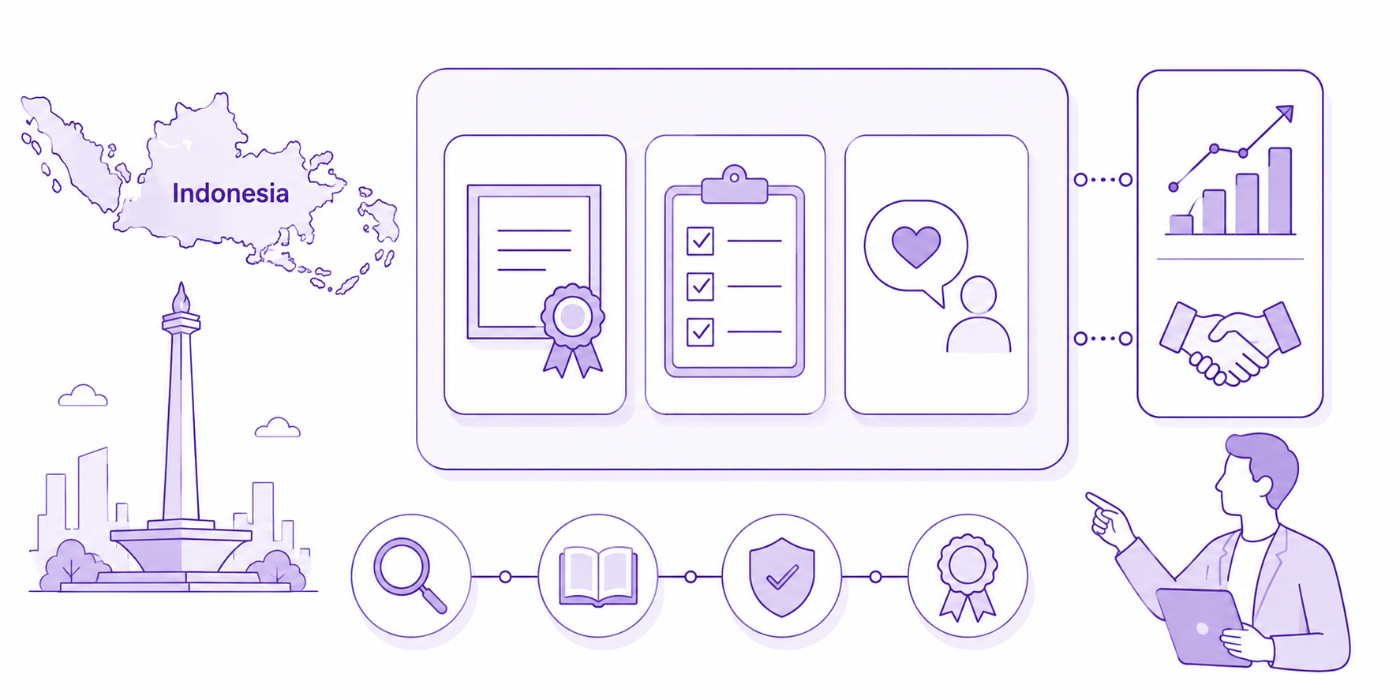
1. Why Health & Life Coaching Certification Matters in Indonesia in 2026-2027
Indonesia’s coaching market is becoming more professional, more digital, and more outcome-focused. Clients may still discover coaches through Instagram, LinkedIn, referrals, workshops, or communities, but they increasingly want to know whether the coach has real training behind the advice. A strong certification helps you show that your work is grounded in scope, ethics, communication, behavior change, and client accountability rather than motivational content alone. That matters when clients are comparing health coach certification trends, coaching integrity, ethical responsibilities, and trust in coaching.
The Indonesian client base is also diverse. A Jakarta executive may need stress and lifestyle coaching. A Surabaya entrepreneur may need clarity, discipline, and decision support. A Bali wellness client may want habit change, emotional balance, and health routines. An online client may want life direction, confidence, and accountability. Certification helps you avoid treating every client with the same template. It teaches you how to assess readiness, listen carefully, build action plans, manage expectations, and know when a referral is safer than coaching. That skill set connects directly with client anxiety and stress coaching, habit formation, safe coaching environments, and emotional consent.
The biggest certification mistake in Indonesia is choosing a program because it sounds international, looks premium, or promises quick completion. A certificate has value only when it builds actual competence. You need training that covers coaching conversations, health behavior change, life coaching frameworks, boundaries, intake, accountability, documentation, practice sessions, and business application. Without those pieces, new coaches often freeze when clients miss commitments, ask for diet plans, disclose emotional distress, expect medical advice, or demand instant transformation. Before enrolling, compare every program against certification differentiation, credential listing strategy, certification mistakes, and which certification is right for you.
A credible certification also protects your future business. Indonesian clients may be warm, relationship-driven, and referral-friendly, but trust can disappear quickly when a coach overpromises, gives advice outside scope, loses session notes, handles confidentiality poorly, or runs a vague program with no progress tracking. Certification should help you create a professional client journey from first inquiry to final review. That includes intake forms, coaching agreements, session structure, action plans, habit tracking, feedback loops, testimonials, and renewal offers. A coach who combines client accountability, constructive feedback, client retention, and exceptional client experiences can turn certification into a real business advantage.
2. How To Choose the Right Health & Life Coaching Certification in Indonesia
Start with the client you want to serve. A coach who wants corporate wellness clients needs training in stress, communication, resilience, workplace habits, and measurable outcomes. A coach who wants private life coaching clients needs training in goals, identity, decision-making, accountability, values, and emotional resilience. A coach who wants wellness clients needs a strong understanding of behavior change, nutrition boundaries, habit design, sleep routines, and referral safety. Your certification choice becomes clearer when it connects to mental health coaching, relationship coaching, preventative health coaching, and financial coaching career planning.
The right program should teach both coaching skill and professional judgment. Coaching skill includes listening, questioning, reflecting, goal-setting, habit planning, and accountability. Professional judgment includes scope, consent, confidentiality, documentation, referral decisions, and ethical marketing. In Indonesia, where clients may mix personal problems, family pressure, workplace stress, health concerns, and spiritual values in one conversation, weak boundaries can create confusion fast. Your training should prepare you to hold complexity without pretending to be a doctor, therapist, religious advisor, or nutritionist. That is why coaching boundaries, professional standards, career-ending mistake prevention, and coaching traps to avoid should influence your decision.
Online certification can be a smart route for Indonesian learners because geography, traffic, work schedules, and family duties can make fixed in-person training difficult. Still, convenience should never replace depth. A strong online certification includes live practice, mentor feedback, clear assessments, case studies, templates, recorded lessons, peer interaction, and a completion pathway you can realistically finish. A weak online program gives you videos and a certificate while leaving you unable to coach a real client through resistance, inconsistency, fear, self-doubt, or stalled progress. Compare options with online health coach certification programs, online life coach certification programs, quick health coach certification, and quick life coach certification.
You should also study the program’s business support. Many new Indonesian coaches finish certification with knowledge but no offer, no niche, no content plan, no onboarding system, no pricing confidence, and no client acquisition path. That gap becomes painful because a certificate alone rarely convinces strangers to pay. A career-ready certification should help you explain your niche, create a starter package, list your credential properly, collect testimonials ethically, and structure your client journey. Build this part with credential resume strategy, coaching certification portfolio, coaching case study templates, and essential certification resources.
A simple scoring system can protect you from emotional buying. Rate every program from 1 to 5 across credibility, curriculum depth, practice hours, ethics, assessment quality, business training, community, technology, and renewal options. Then remove any program that cannot explain its standards clearly. If a provider avoids direct answers, pressures you into fast payment, promises unrealistic income, or treats coaching as easy advice-giving, keep looking. Serious coaches choose training that can survive client pressure. That means studying NBHWC competencies, ICF credentialing skills, CPD accredited life coach certification, and certified coach value before committing.
3. What Your Certification Should Teach Before You Coach Clients
Your first essential skill is intake. New coaches often rush into advice because they want to look helpful quickly. That rush creates shallow plans. Strong intake reveals the client’s goal, health context, emotional triggers, lifestyle barriers, support system, work schedule, family expectations, readiness level, and previous failed attempts. In Indonesia, intake also needs cultural sensitivity because family obligations, food routines, faith practices, workplace hierarchy, and community expectations can shape behavior more than willpower. Strong intake pairs well with surveys and feedback tools, client journaling tools, custom coaching dashboards, and coaching resource hubs.
The second skill is goal translation. Clients often arrive with broad desires: lose weight, feel calmer, become confident, stop procrastinating, improve discipline, eat better, fix routines, or find purpose. A trained coach turns those desires into specific behaviors, decision points, practice plans, and review markers. Without this step, sessions feel inspiring while client behavior stays unchanged. A good certification should teach you how to define the target behavior, reduce friction, identify obstacles, create small wins, and adjust the plan when life gets messy. This connects directly to interactive goal tracking, life mapping, solution-focused brief coaching, and transformational coaching.
The third skill is behavior change. Clients rarely fail because they lack information. They fail because stress, fatigue, habits, family patterns, convenience, self-talk, money, time, social pressure, and inconsistent environments pull them back. Your certification should teach relapse planning, identity-based habits, cue design, environment shaping, motivation cycles, strengths, and recovery after missed commitments. A weak coach tells clients to stay consistent. A skilled coach helps them discover why consistency keeps breaking. Study habit formation tools, strength-based coaching, positive psychology coaching, and neuroscience-based coaching to build a more reliable method.
The fourth skill is communication under pressure. Some clients over-explain. Some disappear. Some want direct advice. Some reject every suggestion. Some blame themselves harshly. Some want the coach to solve problems outside scope. Certification should train you to listen deeply, interrupt respectfully, ask permission, summarize clearly, reflect patterns, challenge gently, and set boundaries without making the client feel abandoned. This skill becomes crucial in health and life coaching because clients often bring emotionally loaded topics into practical goals. Strengthen this area with effective coaching communication, NBHWC communication preparation, constructive feedback, and handling difficult clients.
The fifth skill is ethical documentation. Every client should have a clear agreement, intake record, coaching goals, session notes, action steps, confidentiality terms, cancellation rules, progress reviews, and referral notes when needed. Documentation protects trust because clients feel held by a process rather than depending on the coach’s memory. It also helps you produce better outcomes because patterns become visible over time. If a client struggles for six weeks, your notes should show which obstacles repeat, which interventions helped, and which next step makes sense. Build this with client session recording tools, automated email sequences, client testimonials capture, and coaching case studies.
The sixth skill is outcome review. Many beginner coaches mistake client warmth for client results. A client can like you and still fail to change. A useful certification teaches how to review progress through behavior, confidence, awareness, consistency, decision quality, stress response, and goal movement. This protects your reputation because you can show clients what is improving, what is stuck, and what needs redesign. It also creates stronger testimonials because clients can describe specific changes instead of general praise. Use client feedback systems, successful transformation case studies, client empowerment methods, and client diet change support to make your results visible.
4. How To Build a Coaching Career in Indonesia After Certification
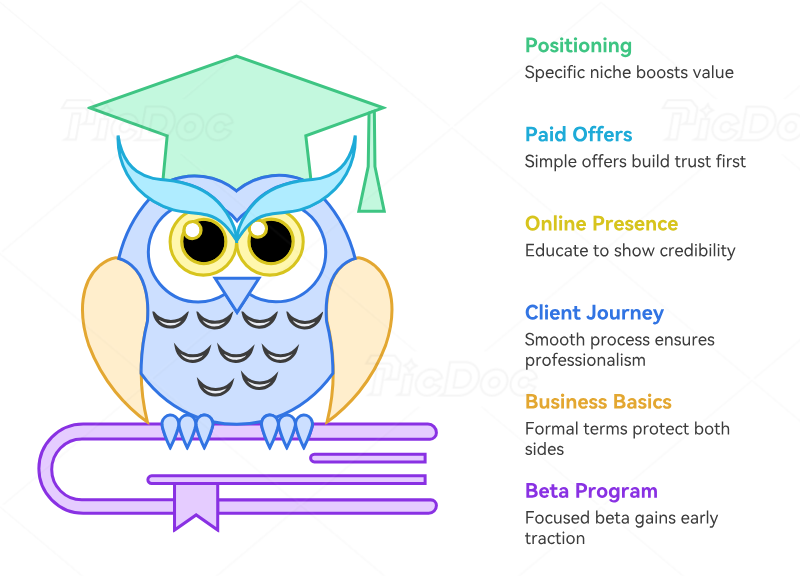
Certification becomes valuable when you connect it to a clear market position. “Health and life coach” is usually too broad for clients to understand quickly. Stronger positioning names the client, pain point, and coaching outcome. You might become a stress and lifestyle coach for corporate professionals, a habit coach for busy mothers, a confidence coach for young professionals, a wellness accountability coach for entrepreneurs, or a life direction coach for people in transition. Specificity helps clients recognize their own problem faster. Shape your position with client preference trends, state of coaching trends, future-proof coaching practice, and niche coaching toolkit planning.
Your first paid offer should feel easy to understand. A practical starter offer might include 6 or 8 weeks, one clear client problem, weekly coaching sessions, a tracking tool, between-session accountability, and a final progress review. Avoid launching with complicated funnels before you can deliver a clean client experience. Your early goal is to prove that your coaching process works, then refine pricing, delivery, content, and retention. Clients buy when they understand the pain, the process, the support, and the likely progress. Build this with high-ticket coaching offers, payment systems, client retention strategies, and exceptional client experiences.
Your online presence should educate before it sells. Indonesian clients may discover you through reels, LinkedIn posts, webinars, referrals, WhatsApp communities, podcasts, workshops, or search. Every channel should make your credibility visible through useful content. Publish posts that explain why habits fail, how stress affects routines, how to reset after a missed week, how coaching differs from therapy, how accountability works, how to build self-trust, and how to choose realistic goals. This is stronger than posting only quotes because educational content proves your thinking. Grow visibility with SEO tools for coaching websites, YouTube growth for coaches, digital marketing tools, and networking for coaches.
A strong client journey matters more than a fancy brand. The journey begins when a client first messages you and continues through discovery call, intake, agreement, payment, first session, action plan, follow-up, review, testimonial, and renewal. If any part feels messy, the client starts questioning your professionalism. Use a scheduler, intake form, coaching agreement, payment link, client dashboard, habit tracker, feedback form, and testimonial system. Simple systems make a small practice feel serious. Build your workflow with coaching automation, CRM tools, business automation tools, and client engagement technology.
You also need professional business basics. Even if you start part-time, paid coaching should include written terms, refund rules, confidentiality language, boundaries, payment expectations, cancellation policies, and clear disclaimers. This gives clients confidence and protects you from uncomfortable misunderstandings. Indonesian coaches who want corporate work should also prepare a professional proposal, program outline, measurable outcomes, and case-study-style proof. Review legal requirements for coaches, setting up a coaching business, tax planning for coaches, and financial forecasting before scaling.
The fastest path to early traction is a focused beta program. Pick one niche pain point, invite a small group, set a clear timeline, coach with strong documentation, collect feedback, improve the process, and turn successful outcomes into case studies. This gives you proof without pretending to be an established expert on day one. It also helps you discover which clients you enjoy serving and which problems your method handles best. Use coaching case study creation, testimonial capture, joint ventures for coaches, and scaling your coaching practice to move from certified beginner to trusted provider.
5. Common Certification Mistakes Indonesian Coaches Should Avoid
The first mistake is chasing the cheapest certificate. Saving money feels smart at enrollment, but weak training becomes expensive when you cannot convert clients, handle sessions, explain boundaries, or create results. A low-cost certificate may still be useful if it has solid curriculum and practice, but price alone should never lead the decision. Your goal is capability. A program should make you more ethical, more structured, more confident, and more useful. Protect yourself by studying certification mistakes, certification exam pitfalls, ICF exam mistakes, and credentialing resources.
The second mistake is hiding behind education. Many new coaches keep collecting courses because launching feels scary. They tell themselves they need one more certificate, one more framework, one more workshop, or one more template before speaking publicly. More learning can sharpen your skills, but service requires practice with real people. Once you have basic ethics, scope, intake, session structure, and a clear niche, begin with practice clients, beta offers, workshops, or low-risk group sessions. Keep improving through coach mastery, continuous coaching education, mindset shifts, and coaching through economic change.
The third mistake is overpromising results. Clients may want dramatic change, but coaches should avoid promises that sound like medical, therapeutic, or guaranteed transformation claims. Avoid language that promises cured anxiety, permanent weight loss, healed trauma, fixed relationships, or guaranteed income. Strong marketing can still be persuasive when it focuses on structure, support, awareness, behavior change, accountability, and progress. Responsible language builds trust with educated clients. Strengthen this area through coaching boundaries, coaching integrity, ethical coaching responsibilities, and career-ending mistakes.
The fourth mistake is creating content without a client journey. Many coaches post daily but never give followers a clear next step. Content should lead somewhere: discovery call, workshop, email list, free assessment, webinar, consultation, or starter program. If your posts are helpful but disconnected from your offer, attention will leak. Every coaching topic should connect to the pain your package solves. Use digital marketing tools, SEO for coaching websites, YouTube growth, and client acquisition tools to make visibility more strategic.
The fifth mistake is ignoring client follow-through. A session can feel amazing and still produce weak results if the client leaves without clear action, tracking, and review. Follow-through depends on reminders, habit cues, accountability, friction reduction, and realistic planning. Coaches who build between-session support create better retention because clients feel guided all week, not only during calls. Start simple with weekly check-ins, action summaries, micro-goals, and progress reviews. Learn from habit formation tools, accountability in coaching, gamification strategies, and interactive goal tracking.
The sixth mistake is copying foreign coaching language without adapting to Indonesian clients. Imported frameworks can be useful, but your delivery must fit real client life. Family obligations, food traditions, religious routines, community expectations, workplace norms, urban traffic, island geography, and digital habits can all affect coaching plans. A rigid plan can make clients feel misunderstood. A skilled coach adapts without diluting standards. Build cultural intelligence through client preference insights, social responsibility in coaching, future coaching trends, and preventative health coaching.
6. FAQs About Health & Life Coaching Certification in Indonesia
-
Certification helps you build credibility, structure, safety, and client trust. It also helps you understand scope, especially when clients discuss health, nutrition, stress, relationships, emotions, or major life decisions. A responsible coach should know where coaching ends and where medical, psychological, dietetic, or therapeutic referral begins. Certification also gives you language for contracts, confidentiality, session structure, and outcome tracking. Start by studying ethical coaching responsibilities, coaching integrity, safe coaching environments, and emotional consent.
-
Choose based on the problem you want to solve. Health coaching fits habits, wellness routines, energy, sleep, stress lifestyle, food behavior, and prevention-focused change. Life coaching fits confidence, career direction, relationships, values, decision-making, identity, and personal goals. A combined certification works well when it teaches both lifestyle behavior and deeper coaching frameworks with clear boundaries. Compare your options using online health coach certification, online life coach certification, which certification is right for you, and CPD accredited life coach certification.
-
The timeline depends on the program depth, study format, live practice requirements, assignments, exams, and your weekly availability. A short program can help if you already have related experience, but beginners usually need more practice, feedback, and case work. The best timeline is the one that leaves you able to coach real clients with confidence and ethical clarity. Avoid choosing only by speed. Use quick health certification guidance, quick life coach certification guidance, certification portfolio planning, and credentialing process guidance when planning.
-
Yes, online coaching allows Indonesian coaches to serve clients across time zones, but international work requires stronger systems. You need clear niche language, reliable scheduling, payment setup, intake forms, confidentiality terms, video-call quality, follow-up systems, and professional credential presentation. International clients may compare you with coaches from multiple countries, so your process must feel clear and credible from the first click. Build this with Zoom and video conferencing best practices, custom coaching dashboards, automating your coaching business, and digital marketing tools.
-
Create a focused starter offer, define your niche, build a simple client journey, prepare intake forms, write your coaching agreement, set up payment and scheduling, and invite a small beta group. Do not wait months trying to perfect your brand. Your first real proof will come from delivering a structured program, collecting feedback, improving your process, and turning client progress into case studies. Use client testimonials capture, coaching case studies, client retention strategies, and high-ticket coaching offers to build momentum.
-
Make certification part of a complete business system. While studying, define your niche, practice coaching conversations, create sample case studies, build a basic website or profile, publish useful content, prepare your onboarding documents, and learn simple automation. After certification, launch a small offer, track outcomes carefully, ask for testimonials ethically, and improve your process every cycle. This approach turns training into proof. Strengthen the path with SEO tools for coaching websites, coaching automation, client feedback growth, and profitable coaching scale.
