
Mastering the ICF Code of Ethics for Your Exam
The ICF Code of Ethics becomes easier when you stop treating it like a memory test and start using it as an exam decision system. Every tricky scenario is really asking: what protects the client, clarifies the agreement, honors confidentiality, manages risk, and keeps the coach inside the right professional lane? This guide breaks that system into practical patterns so you can study smarter, avoid common ICF exam mistakes, strengthen your ICF credentialing skills, and approach the ICF certification application process with more confidence.
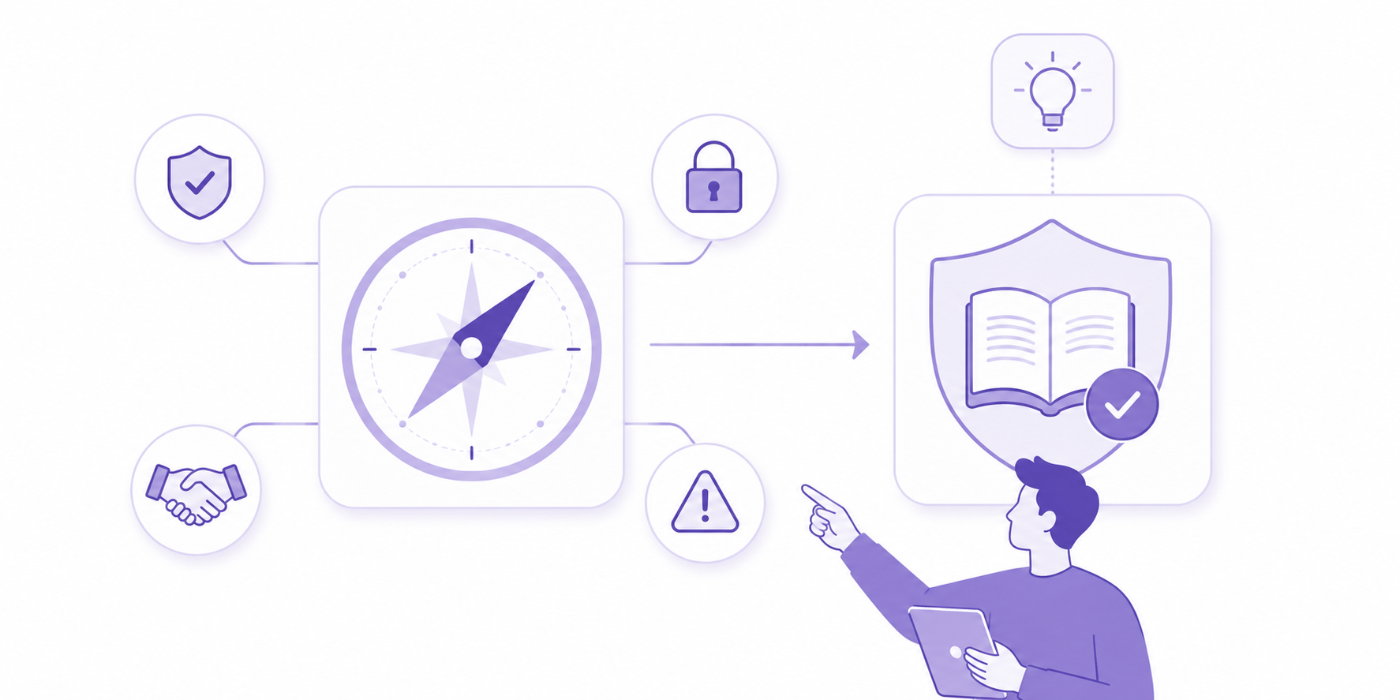
1. Understand the ICF Code as an Exam Logic System
The biggest mistake candidates make is reading the ICF Code of Ethics like a list of polite professional behaviors. The exam tests something sharper: ethical judgment under pressure. A sponsor wants session details. A client asks for therapy-level support. A coach has a referral incentive. A recording tool stores client data. A manager wants proof that coaching is “working.” Each situation forces you to protect the client while honoring the agreement, which is why ethics connects directly with coaching integrity, professional coaching standards, trust in coaching, and ethical responsibilities as a coach.
For exam purposes, train yourself to identify the ethical object in the question. Is the issue confidentiality, scope, agreement, conflict, consent, role confusion, data privacy, referral, documentation, marketing accuracy, or professional capacity? Once you identify the object, the answer becomes clearer. The strongest choice usually clarifies before acting, discloses before benefiting, refers before overreaching, and protects confidentiality before pleasing a third party. That same logic supports safe coaching environments, client expectation management, difficult client situations, and boundary setting for coaches.
Do not chase the answer that sounds warmest. Choose the answer that creates the cleanest ethical process. Warmth without boundaries becomes risk. Helpfulness without consent becomes intrusion. Transparency without confidentiality becomes exposure. Loyalty to the sponsor without client protection becomes a breach of trust. The ICF exam often hides the best answer behind boring professional actions: pause, clarify, document, disclose, refer, consult, or re-contract. That disciplined thinking also improves coaching communication, accountability in coaching, constructive feedback, and client empowerment.
| Exam Scenario | Ethics Area | What the Best Answer Protects | Common Trap Answer | Exam Reflex |
|---|---|---|---|---|
| Sponsor asks what the client said in session | Confidentiality | Client privacy and prior reporting agreement | Sharing details to prove value | Check agreement and obtain consent |
| Client asks for medical or clinical advice | Scope of practice | Coach role and client safety | Giving expert advice outside training | Refer or redirect within coaching scope |
| Coach starts sessions without clear terms | Agreement | Roles, responsibilities, fees, and boundaries | Fixing confusion after conflict begins | Clarify before coaching starts |
| Client reveals possible harm risk | Legal and ethical exception | Safety, law, and confidentiality limits | Keeping everything private automatically | Follow law and agreed limits |
| Coach uses AI notes after sessions | Technology ethics | Consent, privacy, access, and data security | Uploading client data casually | Explain tool use and secure data |
| Coach receives money for referrals | Conflict of interest | Transparency and client choice | Hiding the financial benefit | Disclose the relationship clearly |
| Client asks coach to decide for them | Client autonomy | Ownership, agency, and accountability | Taking control to be helpful | Support client decision-making |
| Manager wants coach to “fix” an employee | Multi-party coaching | Client-centered goals and role clarity | Serving only organizational pressure | Re-contract with all parties |
| Coach markets a credential not yet earned | Professional representation | Accuracy and public trust | Using future credentials as current proof | State credentials accurately |
| Client becomes romantically interested | Boundaries | Professional safety and power awareness | Ignoring the shift | Address boundaries directly |
| Coach is emotionally impaired | Professional capacity | Client welfare and service quality | Continuing to avoid disappointing client | Seek support, pause, refer, or terminate |
| Coach copies another coach’s framework | Intellectual property | Ownership and professional honesty | Using copied tools as personal material | Credit, license, or create original work |
| Client requests therapy during coaching | Role clarity | Proper support and appropriate referral | Trying to process trauma clinically | Name the boundary and refer |
| Client testimonial is requested mid-program | Power dynamics | Consent without pressure | Asking while client feels dependent | Make request pressure-free |
| Coach records a session | Consent and storage | Permission, purpose, and retention | Recording because it is convenient | Gain consent and explain storage |
| Client misses multiple sessions | Agreement and accountability | Clear terms and respectful follow-up | Public pressure or emotional guilt | Follow agreed process |
| Coach works with friend as client | Dual relationship | Objectivity and boundaries | Pretending personal history is irrelevant | Disclose and manage the conflict |
| Organization asks for coaching outcomes | Reporting boundaries | Agreed metrics and confidentiality | Sharing private examples | Use pre-agreed reporting only |
| Client data sits inside a CRM | Data privacy | Security and access control | Allowing broad team access | Limit access and protect records |
| Coach feels bias affecting presence | Fairness and self-awareness | Respect, equity, and client dignity | Becoming defensive | Reflect, repair, and seek support |
| Coach sells guaranteed transformation | Marketing ethics | Accurate claims and realistic expectations | Promise-based selling | Use honest, evidence-aligned language |
| Coach changes from coaching to training | Role transition | Client clarity and informed consent | Switching roles silently | State the role change |
| Client wants to end coaching early | Termination | Agreement rights and respectful closure | Pressuring client to stay | Honor the agreement |
| Coach shares a client win online | Privacy and consent | Identity protection and client permission | Posting because it is positive | Get explicit consent |
| Coach sees a question with two good answers | Exam judgment | Specific ethical action | Choosing the kindest vague answer | Choose the clearest professional step |
| Coach lacks competence with a method | Professional competence | Quality and client safety | Practicing after shallow exposure | Train, supervise, refer, or limit use |
2. Turn the Code Into Practical Exam Reflexes
The first reflex is agreement clarity. The exam loves situations where people begin coaching with assumptions. The client assumes total privacy. The sponsor assumes full access. The coach assumes the client understands cancellation policies. The organization assumes coaching will deliver behavioral reports. The safest move is to clarify roles, responsibilities, confidentiality, fees, reporting, technology, data use, and termination before the relationship gets messy. Study this alongside the ICF certification application process, certification portfolio building, credentialing mistakes, and coaching certification resources.
The second reflex is confidentiality protection. Most candidates understand confidentiality in theory and lose marks when the scenario adds pressure. The client’s employer is paying. The sponsor sounds reasonable. The parent sounds worried. The manager wants measurable proof. The answer must still respect the coaching agreement. Share only what was agreed, only with proper consent, and only within legal and ethical limits. That discipline strengthens client trust, improves client feedback systems, protects coaching case studies, and keeps client testimonials ethically clean.
The third reflex is scope control. Coaching can support awareness, reflection, action, motivation, behavior change, and accountability. Coaching cannot become therapy, medical treatment, legal advice, financial planning, or clinical diagnosis without the proper license and role. Exam scenarios often create emotional urgency so candidates over-help. A client may mention trauma, disordered eating, panic, abuse, self-harm, addiction, or serious health symptoms. The best answer responds with care while referring appropriately. This is why ethics must sit beside client anxiety coaching, emotional crisis support, mental health coaching careers, and relationship coaching pathways.
The fourth reflex is conflict disclosure. Conflicts appear when a coach has a personal, financial, organizational, romantic, evaluative, or referral-related interest that could affect judgment. The exam rarely rewards silence. The stronger move is to name the conflict, disclose relevant information, discuss implications, and decide whether the relationship can continue ethically. This matters in coaching integrity, professional standards, certification credibility, and coaching business trust.
The fifth reflex is accurate representation. A coach should describe credentials, training, certifications, experience, results, and services honestly. Exam traps may include inflated titles, implied ICF status, exaggerated outcomes, copied frameworks, pressure-based testimonials, or guarantees that sound impressive but create false expectations. Ethical marketing becomes part of client safety because it shapes what clients believe they are buying. Connect this with listing coaching credentials, future coaching certification trends, coaching differentiation, and coaching career mistakes.
3. Master the Stakeholder Map Behind Every Ethics Question
Every ICF ethics question has stakeholders. The client needs autonomy, confidentiality, dignity, informed choice, and appropriate support. The sponsor needs clear reporting terms, professional communication, and value within the agreed structure. The coach needs competence, boundaries, integrity, and accurate documentation. The public needs protection from misleading claims. The profession needs conduct that sustains trust. When you identify stakeholders quickly, you avoid panic-based choices. This stakeholder map pairs well with how top coaches get results, client engagement trends, coaching industry insights, and future-proof coaching practice.
The most dangerous exam answers usually serve one stakeholder too hard. Serving the sponsor too hard can expose the client. Serving the client too hard can create dependency or scope overreach. Serving the coach too hard can protect income over ethics. Serving the brand too hard can create exaggerated marketing. The answer that balances all parties through agreement, consent, disclosure, and boundaries usually wins. That same maturity improves client retention strategies, exceptional client experiences, coaching business growth, and practice scaling.
Sponsor-paid coaching deserves special attention. In many scenarios, the sponsor pays for coaching while the individual receives coaching. The sponsor may want attendance updates, progress themes, behavioral outcomes, or return-on-investment proof. The ethical coach defines those reporting boundaries before the work begins. If the sponsor later asks for private content, the coach returns to the agreement and client consent. This protects client expectations, strengthens accountability coaching, supports custom coaching dashboards, and keeps feedback tools from becoming surveillance tools.
Dual roles create another common trap. A coach may also be a trainer, consultant, mentor, supervisor, manager, therapist, teacher, or evaluator. The exam wants role clarity because clients deserve to know which hat the professional is wearing. Switching roles silently creates confusion and can damage trust. When the work changes, clarify the role, update the agreement, and protect consent. This is especially important in mentor coaching preparation, continuous coaching education, CPD coaching certification, and life coach certification timelines.
4. Learn the High-Risk ICF Ethics Scenarios Before Test Day
Confidentiality scenarios require the sharpest exam discipline. The coach may feel pressure from a sponsor, organization, family member, or team leader. The emotional temptation is to explain, reassure, or prove value. The ethical move is to protect the client’s information within the agreement. Even positive information can become a privacy issue when shared without permission. Practice confidentiality with safe coaching environments, emotional consent in coaching, client session recording tools, and coaching case study credibility.
Technology scenarios are now unavoidable. Coaches use scheduling apps, intake forms, CRMs, dashboards, email automation, Zoom, AI summaries, transcripts, habit trackers, payment tools, and community platforms. Each tool can strengthen the client experience or create ethical exposure. The exam may ask what the coach should do before using a recording tool, storing notes, uploading transcripts, or creating automated nudges. The safest answer explains technology use, gains consent, secures data, and limits access. Study this with AI in coaching, coaching technology transformation, coaching automation tools, and CRM tools for coaches.
Scope scenarios often use client pain to tempt the coach into over-functioning. A client may want the coach to diagnose, prescribe, interpret trauma, create a clinical plan, manage a crisis, or give professional advice in a licensed field. The ethical coach can stay present, acknowledge concern, support choice, and refer appropriately. The exam respects care with limits. This is also why candidates should review health coach scope awareness, behavior change science, habit formation coaching, and transformational coaching strategies.
Marketing and representation scenarios look simple until they involve money. A coach may claim guaranteed results, present incomplete credentials, use client stories without permission, imply affiliation, copy frameworks, or oversell the power of a method. The ethical answer protects truth, consent, and client expectations. Strong coaches can market confidently without distorting what coaching can do. Build that muscle with digital marketing tools for coaches, YouTube growth for coaches, SEO tools for coaching websites, and client testimonial capture.
Termination and impairment scenarios test maturity. A coach may feel burned out, emotionally activated, biased, distracted, financially pressured, or personally entangled. The best answer protects the client’s welfare through support, supervision, referral, pause, termination, or clearer boundaries. If the coach cannot serve well, pretending everything is fine creates risk. This kind of professional humility also supports coaching mastery, mindset shifts for coaches, coaching through economic changes, and navigating legal requirements.

5. Use a 7-Day Study Plan to Make Ethics Automatic
Day one should be a structure day. Read the current Code and map it into categories: purpose, values, commitments, standards, pledge, and definitions. Then rewrite each standard in plain exam language. For example: “clarify agreements,” “protect confidentiality,” “disclose conflicts,” “stay competent,” “represent credentials accurately,” and “handle technology responsibly.” This helps you avoid scattered studying and links naturally with ICF exam preparation, NBHWC practice questions, certification exam pitfalls, and coaching competency review.
Day two should focus on agreements. Write sample agreements for individual coaching, sponsor-paid coaching, group coaching, recorded coaching, and online coaching. Day three should focus on confidentiality: sponsor reporting, legal exceptions, technology access, client stories, testimonials, and data storage. Day four should focus on scope: therapy, consulting, mentoring, nutrition, medical issues, emotional crises, and referral language. These drills connect with effective coaching communication, coaching clients through stress, positive psychology coaching, and neuroscience-based coaching.
Day five should focus on conflicts of interest. Create flashcards for referral fees, sponsor pressure, dual relationships, personal relationships, paid partnerships, evaluation roles, and competing duties. Day six should focus on technology and marketing. Review AI, CRMs, dashboards, forms, community platforms, automation, testimonials, claims, credentials, and copied content. Day seven should be full scenario practice. For every question, write why the best answer wins and why the tempting answer fails. This final review pairs with coaching toolkits, goal tracking tools, habit formation tools, and automating your coaching business.
When practicing, use a three-step filter. First, ask what is ethically at risk. Second, ask what agreement, consent, disclosure, or referral step is missing. Third, choose the answer that protects the client and the coaching relationship with the most precise professional action. This filter stops you from choosing vague “be supportive” answers when the scenario requires concrete action. It also strengthens real-world practice in payment systems, coaching LLC setup, financial forecasting, and high-ticket coaching offers.
The final exam mindset is calm precision. The Code is there to protect the client, the coach, the sponsor, and the credibility of coaching itself. The best answer rarely performs heroics. It usually slows the situation down, makes the invisible agreement visible, and keeps the coach inside ethical practice. Once this becomes automatic, ethics questions become easier than they look. Keep reviewing with best online health coach certifications, health coach salary insights, is certification worth it, and earning certification online.
6. FAQs: Mastering the ICF Code of Ethics for Your Exam
-
The best method is scenario-based study. Read the Code, then group questions by agreement, confidentiality, scope, conflict, technology, marketing, and termination. For each scenario, write the ethical risk and the correct professional action. This helps you move beyond memorization into judgment. Strengthen that process with ICF exam mistakes, ICF credentialing skills, ICF application guidance, and credentialing process mistakes.
-
Candidates often struggle with sponsor confidentiality, dual roles, referral conflicts, coaching versus therapy boundaries, technology consent, and testimonial use. These topics become confusing because the wrong answer often sounds helpful or practical. The exam expects professional precision. Review trust in coaching, emotional consent, difficult client situations, and career-ending coaching mistakes.
-
Start with the agreement. A sponsor can receive only the information that was agreed upon with proper consent and within legal and ethical boundaries. Attendance, broad progress themes, or agreed metrics may be acceptable when pre-defined. Private session content should stay protected. Practice these scenarios with client expectation management, feedback tools, coaching dashboards, and client retention strategies.
-
Technology affects consent, confidentiality, data security, access control, storage, bias, and transparency. If a coach uses AI summaries, recordings, CRMs, dashboards, forms, or automated nudges, the client should understand what is being used and how information is protected. Study this with AI client interactions, coaching technology transformation, coaching apps, and virtual coaching platforms.
-
Choose the answer with the clearest ethical action. A good answer may sound kind, but the best answer usually clarifies an agreement, protects confidentiality, discloses a conflict, refers appropriately, documents securely, or manages a boundary directly. This is where exam judgment matters. Build it with coaching communication, constructive feedback, client accountability, and coaching breakthroughs.
-
The Code becomes your operating system for real coaching decisions. It shapes discovery calls, contracts, client records, sponsor conversations, testimonials, referrals, marketing, AI use, crisis boundaries, and termination. Coaches who understand ethics build cleaner practices and stronger trust. Keep developing that foundation through coaching integrity, client loyalty, scaling your coaching practice, and must-have tools for coaching businesses.
