
The Ultimate Guide to Getting Health & Life Coaching Certification in Nigeria: Everything You Need to Know in 2026-2027
Nigeria’s coaching market rewards clarity, trust, emotional intelligence, and practical results. Clients in Lagos, Abuja, Port Harcourt, Ibadan, Kano, and online spaces often want help with stress, weight-related habits, confidence, family pressure, career decisions, discipline, and health routines. A serious certification gives you the structure to serve those needs with credible coaching standards, ethical responsibility, behavior change science, and certification differentiation instead of guesswork.
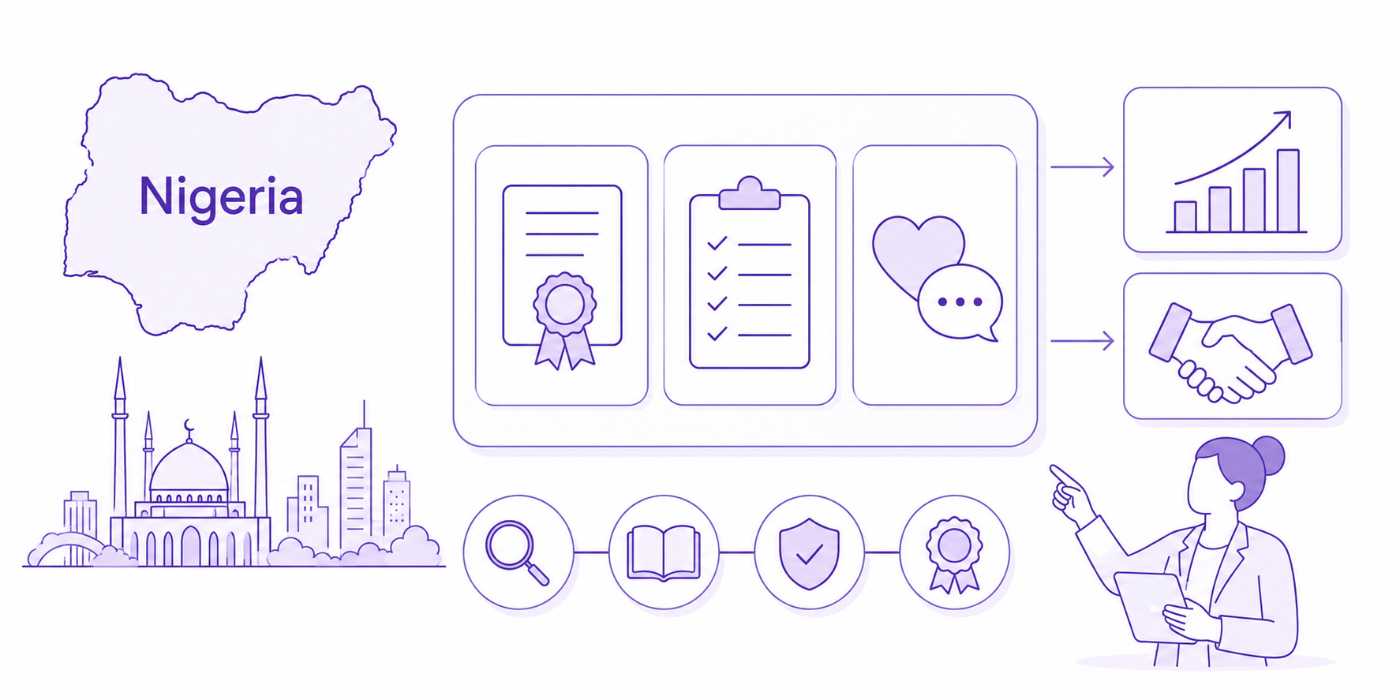
1. Why Nigeria Health & Life Coaching Certification Needs a Strong 2026-2027 Plan
Nigeria is a powerful market for health and life coaching because the client pain is real, visible, and deeply layered. Many clients want better health, stronger routines, improved confidence, emotional balance, career direction, marriage or family clarity, and relief from stress. The danger is that inexperienced coaches jump straight into advice. A better path starts with certification that teaches client trust building, safe coaching environments, effective coaching communication, and accountability systems.
The Nigerian client does not need another motivational quote with a payment link attached. They need a coach who can understand family expectations, money stress, religious values, food culture, work pressure, body-image anxiety, inconsistent schedules, and the shame that comes after repeated failed attempts. Your certification should help you build assessments, goals, follow-up systems, referral rules, progress reviews, and client-safe language. That foundation connects directly to habit formation tools, stress coaching strategies, client expectation management, and transformational coaching strategies.
You also need to separate coaching from licensed healthcare, therapy, dietetics, medicine, rehabilitation, and clinical treatment. Nigeria’s Corporate Affairs Commission describes itself as the official Nigerian corporate registry for registering, searching, and verifying businesses, while the Medical and Dental Council of Nigeria lists registration and licensing pathways for medical and dental practitioners. The Institute for Dietetics in Nigeria describes itself as a professional platform for registered dietitians, and the Medical Rehabilitation Therapists Board says it regulates seven health-sector professions in Nigeria. That means your coaching plan should include legal requirements for coaches, coaching boundaries, career-ending mistake prevention, and coaching integrity.
2. How to Choose the Right Health & Life Coaching Certification Path in Nigeria
Start with the problem you want to solve. A Nigerian coach serving busy professionals needs stress recovery, time management, energy routines, and realistic accountability. A coach serving women’s wellness needs emotional safety, confidence work, food habit support, and practical routine design. A coach serving entrepreneurs needs burnout prevention, decision discipline, identity clarity, and boundaries. Your program should match the client reality, then deepen your skill through strength-based coaching, solution-focused brief coaching, positive psychology coaching, and life mapping.
A useful certification should teach you how to diagnose coaching barriers without crossing into clinical diagnosis. When a client says, “I lack discipline,” the real issue may be low sleep, shame, poor planning, emotional eating, financial pressure, fear of judgment, family conflict, or unrealistic goals. A weak coach lectures the client. A trained coach asks better questions, tracks patterns, designs smaller actions, and protects the client’s dignity. Look for training that includes effective coaching communication, constructive feedback, client anxiety and stress coaching, and emotional consent.
For international credibility, many Nigerian coaches compare CPD-style programs, ICF pathways, NBHWC-style health coaching preparation, and niche health or life coaching certifications. ICF’s ACC application information lists 60+ hours of coaching education and 100+ hours of coaching experience among the application requirements, while ICF’s PCC page lists 125 hours of coach-specific education, 500 hours of coaching experience, and 10 hours of mentor coaching. Use those requirements as a planning benchmark if your long-term goal includes international credentialing, corporate clients, or diaspora clients. Support that comparison with ICF application guidance, ICF exam mistakes, ICF credentialing skills, and certification comparison.
A combined health and life coaching path makes sense in Nigeria because health habits rarely sit alone. A client trying to lose weight may be managing family meals, social eating, stress, emotional fatigue, body shame, and inconsistent work hours. A client trying to build confidence may also need sleep structure, exercise consistency, stronger boundaries, and inner critic work. The best certification should help you work with the whole pattern while respecting scope. Build that skill through inner critic management, visualization and guided imagery, gratitude journal coaching, and daily journaling prompts.
3. Nigeria Scope, Ethics, Business Setup, and Trust Rules Coaches Should Respect
Your safest coaching position is clear: you support awareness, goals, routines, behavior change, accountability, self-reflection, and practical follow-through. You should refer medical diagnosis, disease treatment, therapy, clinical nutrition, medication decisions, rehabilitation, and regulated healthcare services to qualified professionals. The Medical and Dental Council of Nigeria says medical and dental professions are regulated under the Medical and Dental Practitioners Act, while the Health Records Officers Registration Board says it controls and regulates the practice of health records management in Nigeria. A credible coach respects these professional lines by using coaching legal awareness, scope boundaries, ethical coaching standards, and trust-based practice.
Business setup also deserves attention. If you plan to charge clients, build a brand, invoice companies, run workshops, or create a formal coaching practice, check CAC business registration pathways and professional tax guidance before scaling. CAC’s company registration service sits within Nigeria’s official corporate registry ecosystem, and its official portal supports company registration activity. Your certification should give you coaching skill, while your business setup should handle naming, structure, payments, invoicing, contracts, privacy, and client records. Use must-have coaching business tools, payment systems, coaching LLC setup principles, and tax planning for coaches.
Your intake process should protect the client and sharpen your work. Ask about the client’s goal, previous attempts, current support, health constraints, emotional triggers, schedule, family context, faith routines, food environment, privacy needs, and referral indicators. Many clients already know the advice they have heard online. They need help finding the exact point where execution breaks. Use client surveys, powerful journaling tools, custom coaching dashboards, and case-study templates to make every session sharper.
Marketing ethics matter because exaggerated promises damage trust fast. Avoid guarantees around weight loss, income, healed anxiety, fixed relationships, reversed conditions, or instant transformation. Say what your coaching process can support: clarity, consistency, values-based decisions, routine design, confidence, self-awareness, stress-aware planning, habit follow-through, and accountability. This language feels stronger because it respects the client’s intelligence. Strengthen your public message with coaching integrity, testimonial capture, credibility-building case studies, and exceptional client experiences.
4. How to Turn Your Nigeria Certification into Paying Clients
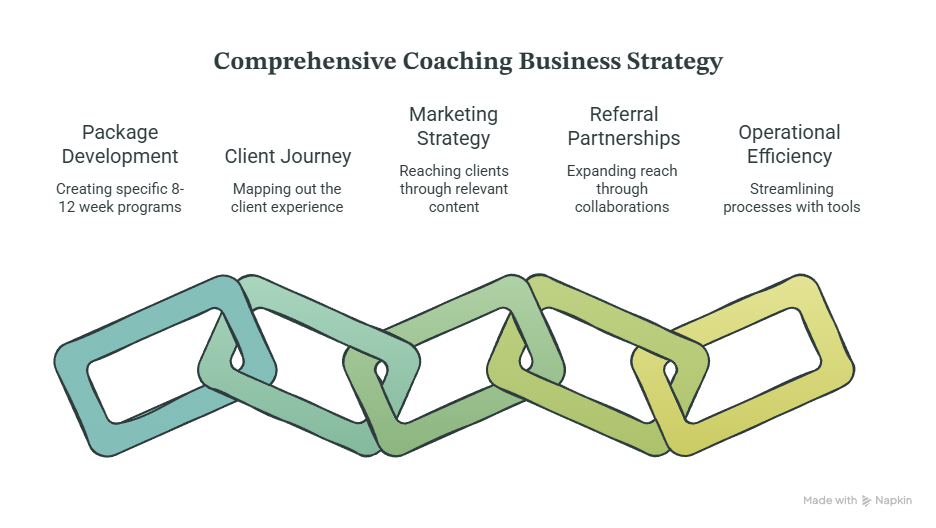
Certification becomes valuable when it turns into a visible client journey. Choose one painful problem and create an 8-to-12-week package around it. Examples include stress-proof routines for busy professionals, habit rebuilding for women who feel stuck, confidence coaching for young professionals, wellness accountability for entrepreneurs, or life-reset coaching for clients in transition. Then define your intake, baseline, weekly session rhythm, check-ins, progress review, and renewal plan. Build that offer using high-ticket coaching offers, client engagement models, micro-coaching strategy, and client retention strategy.
Your first paid package should feel specific, serious, and easy to understand. Include an intake form, a deep first session, weekly coaching, check-ins, a habit or goal dashboard, milestone reviews, and a final next-step plan. Set communication boundaries early, especially if you use WhatsApp. Clients may message when they feel anxious, guilty, confused, or tempted to quit. Your response system should be supportive without turning your life into 24-hour emotional availability. Protect your work with coaching automation, essential CRM tools, payment systems, and difficult client situation strategies.
Your marketing should speak to what people are tired of hiding. They are tired of starting over every Monday. They are tired of joining programs that shame them. They are tired of weight advice that ignores Nigerian meals. They are tired of productivity advice that ignores power cuts, traffic, caregiving, inconsistent income, long workdays, and emotional overload. Strong content answers real questions: “How do I stay consistent when life is chaotic?” “How do I rebuild self-trust?” “How do I eat better without abandoning my culture?” Use SEO tools for coaching websites, digital marketing tools, YouTube growth for coaches, and networking strategies.
Referral partnerships can grow faster than cold content when your positioning is clean. Build relationships with gyms, wellness studios, HR teams, therapists, doctors, dietitians, faith communities, women’s groups, coworking spaces, schools, and corporate trainers. Present your work as structured behavior-change support with clear boundaries and measurable follow-through. Bring one-page summaries, sample workshop topics, anonymized case studies, and a clean referral process. Strengthen this with joint ventures for coaches, successful coaching case studies, resource hub building, and client loyalty strategy.
5. Your 90-Day Nigeria Certification-to-Practice Roadmap
Days 1 to 30 should focus on positioning and readiness. Choose your niche, compare certifications, define your coaching scope, draft your intake form, create a coaching agreement, outline referral rules, and write your first client journey. Your one-sentence offer should name the person, the pain, and the process. For example: “I help busy Nigerian professionals rebuild energy, confidence, and health routines through weekly coaching, practical habit design, and accountability.” Support this phase with must-have starting tools, certification portfolio planning, legal awareness for coaches, and coaching toolkit curation.
Days 31 to 60 should focus on practice and proof. Coach a small group of practice clients, test your intake, track common barriers, request feedback, and refine your language. Notice where clients drift: shame after missed goals, family resistance, poor sleep, inconsistent money, stress eating, low confidence, fear of being judged, or vague priorities. Turn those insights into anonymized case studies and practical content. Build your improvement system with session recording tools, client feedback tools, daily journaling prompts, and life mapping.
Days 61 to 90 should focus on launch. Build one paid package, create a simple landing page, prepare discovery-call questions, define payment terms, write cancellation policies, and approach referral partners. Your launch message should make the value obvious: who you serve, what pressure they are under, how your process works, what support they receive, and how progress is reviewed. Add proof through practice feedback, sample dashboards, and process-based testimonials. Use automated email sequences, business automation tools, growth automation, and financial forecasting.
The final skill is professional calm. When a client misses goals, investigate friction. When a client needs clinical help, refer clearly. When a client wants extreme results, bring them back to safe weekly action. When a client feels ashamed, make the session honest enough for truth and practical enough for progress. This is where certification becomes visible: in your questions, boundaries, documentation, offer structure, and follow-up. Keep building coaching mastery, positive change models, neuroscience-based coaching, and mindset shifts for coaching success.
6. FAQs About Health & Life Coaching Certification in Nigeria
-
Certification gives you structure, credibility, ethics, client-management tools, and a stronger professional identity. It helps clients see that your work has a method beyond encouragement. Business registration and healthcare licensing should be checked separately when you charge clients, create a formal business, or make health-related claims. Build your foundation with health coach certification options, life coach certification options, ethical coaching responsibilities, and legal requirements for coaches.
-
The best certification depends on your niche, budget, schedule, and long-term credibility goals. Corporate wellness coaches need confidentiality, group facilitation, stress support, and reporting boundaries. Women’s wellness coaches need emotional safety, body confidence, habit design, and culture-sensitive health routines. Coaches seeking international credibility may compare CPD-style learning, ICF pathways, and NBHWC-style competency preparation. Start with which certification is right for you, NBHWC competency review, ICF credentialing skills, and certification resources.
-
A health coach can support food awareness, routine planning, habit consistency, goal tracking, and accountability within a coaching framework. Clinical meal prescriptions, disease-specific nutrition treatment, diagnosis, and medical nutrition therapy should be handled by qualified professionals. A safer coaching approach focuses on behavior, context, planning, and follow-through. Use diet-change coaching, coaching boundaries, career mistake prevention, and safe coaching environments.
-
Many online certification programs can be completed within a few months, while deeper credential pathways may require training hours, practice hours, mentor coaching, assessments, and exams. The stronger question is how long it takes to become client-ready. Budget time for coursework, practice clients, feedback, offer creation, business setup, testimonials, and content. Compare quick health coach certification, life coach certification timelines, ICF exam preparation, and continuous education.
-
Start with one narrow offer, practice-based proof, local referral relationships, and content that speaks to real pain. Strong early niches include stress and energy, habit consistency, executive wellness, women’s wellness, career confidence, emotional resilience, and family routine support. Then build a professional client journey with intake, check-ins, dashboards, progress reviews, and renewal points. Use digital marketing tools, SEO for coaching websites, client retention strategy, and high-ticket offer design.
-
It can become a strong career when you treat it as a serious practice with certification, scope clarity, ethical boundaries, niche positioning, business systems, and strong follow-up. Nigeria has a large online audience, active wellness conversations, corporate stress needs, and strong referral culture, which gives prepared coaches room to grow. The strongest path combines skill, proof, systems, content, and relationships. Build toward that with state of coaching trends, future-proof coaching practice, scaling your coaching practice, and coaching income planning.
