
The Ultimate Guide to Getting Health & Life Coaching Certification in Oman: Everything You Need to Know in 2026-2027
Oman is becoming a serious opportunity market for coaches who can turn wellness intentions into consistent daily behavior. A certificate helps because clients, employers, and wellness partners want proof that you understand ethical coaching responsibilities, client trust, behavior change science, and professional boundaries. The strongest path in 2026-2027 is practical: choose training that fits Oman’s wellness needs, digital delivery, privacy expectations, and client accountability.
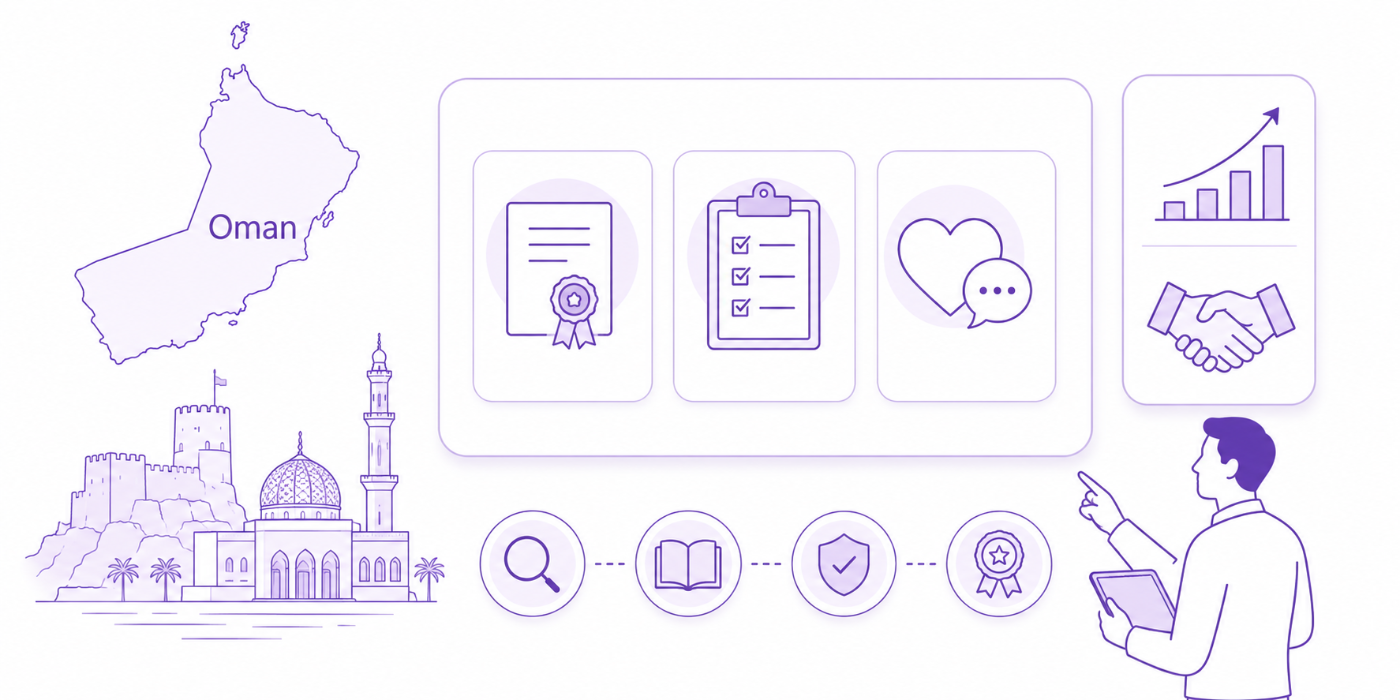
1. What Health & Life Coaching Certification Means in Oman in 2026-2027
A health and life coaching certification gives you a structured method for helping clients set goals, improve routines, handle barriers, and follow through when motivation drops. In Oman, that matters because the national health conversation is closely tied to prevention, wellbeing, sustainability, and system-wide improvement. Oman’s National Health Policy 2025 describes health as a top national priority within Oman Vision 2040 and frames it as a foundation for sustainable development and societal wellbeing. For coaches, that creates stronger demand for people who can work skillfully with preventative health coaching, habit formation, client accountability, and safe coaching environments.
The safest way to understand certification is through scope. Coaching supports goal clarity, lifestyle routines, accountability, self-awareness, confidence, communication, and action planning. Diagnosis, medical treatment, clinical nutrition, psychotherapy, and regulated healthcare practice require separate qualifications and permissions. Oman’s health planning has been shaped by Oman Vision 2040, Health Vision 2050, the SDGs, WHO priorities, and noncommunicable-disease prevention goals, according to Oman’s Ministry of Health announcement on the Tenth Five-Year Health Development Plan. That makes boundary discipline essential for any coach using coaching integrity, emotional consent, ethical responsibilities, and client expectation management.
The opportunity is strongest for coaches who can serve real Omani client needs: stress routines, work-life balance, fitness consistency, family-friendly wellness habits, confidence, executive performance, women’s wellness, youth self-leadership, and digital follow-up. Oman has also developed a National Digital Health Strategy for 2024-2030 aligned with Vision 2040 and WHO’s digital health strategy, according to an Eastern Mediterranean Health Journal article on Oman’s digital health system. Coaches who understand coaching technology, online coaching systems, client dashboards, and automated check-ins will feel more prepared for the market.
2. Choose the Certification Path Around the Clients You Want to Serve
The most expensive mistake is choosing a program because it sounds impressive, then discovering it does not match the work you want. Start with the client problem first. A health-focused coach in Oman may need deeper training in behavior change, habit formation, preventative wellness, diet-related coaching conversations, and client accountability. A life-focused coach may need stronger skill in values, self-belief, confidence, communication, relationship patterns, career clarity, and action design.
A strong certification path has three layers. The first layer is coaching craft: listening, questioning, reflection, motivation, consent, confidentiality, goal-setting, and follow-up. The second layer is niche depth: wellness habits, stress routines, life direction, leadership, family-life balance, confidence, or performance. The third layer is business readiness: offers, pricing, intake forms, testimonials, CRM, online delivery, referrals, and retention. ANHCO’s guides on best online health coach certification programs, online life coach certification, CPD-accredited life coach certification, and quick online certification help you compare speed, depth, credibility, and practical use.
Omani clients often value privacy, respect, family context, and practical communication. A coach who asks better questions will outperform a coach who pushes generic advice. Your program should train you to handle sensitive goals with calm structure: weight concerns, low energy, burnout, confidence, marriage stress, career pressure, sleep disruption, and inconsistent routines. That requires emotional consent, effective coaching communication, positive psychology coaching, strength-based coaching, and solution-focused brief coaching.
3. Build an Oman-Ready Coaching Skill Stack Before You Launch
A certificate gets attention; skill keeps clients. The coach who wins in Oman is the one who can turn “I need to be healthier,” “I am tired all the time,” “I keep starting and stopping,” or “I need a better life plan” into a simple weekly system. That system must include a clear goal, a realistic action, a known barrier, a support plan, a follow-up method, and a reset plan for missed days. This is where goal clarity, barrier planning, client journaling, surveys and feedback, and interactive goal tracking become valuable.
Your coaching also has to fit the client’s actual environment. A Muscat-based executive, a Salalah-based mother, a Sohar professional, a university student, and an expat founder may all need coaching, yet their barriers differ. Work rhythm, family obligations, privacy comfort, language preference, Ramadan routines, travel schedules, and social expectations can all affect follow-through. A good certification should prepare you to ask precise questions without making assumptions. ANHCO’s resources on client preferences, safe coaching environments, client expectations, constructive feedback, and trust in coaching help shape that sensitivity.
Documentation is another skill new coaches underestimate. If every session ends with vague encouragement, clients eventually feel they are paying for conversation. Use intake notes, progress scores, weekly commitments, reflection prompts, action logs, barrier notes, and recap messages. Oman’s Ministry of Health says its Vision 2040 implementation office was activated after health priority adoption in the Tenth Five-Year Development Plan, with health priority targets endorsed in 2023. Coaches who document behavior-support outcomes through client dashboards, automated emails, session tools, and case study writing will look more professional.
4. What to Check Before Paying for a Certification Program
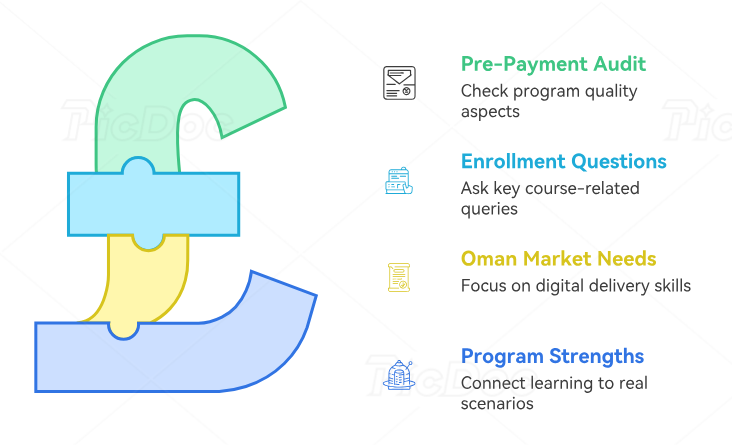
Before paying, audit the program with the same seriousness you would bring to a career investment. Look for curriculum depth, live practice, mentor feedback, assessment standards, ethics, business training, online learning flexibility, community access, and continuing education. A strong program should help you handle clients who miss goals, resist change, ask for medical advice, feel ashamed, lose motivation, or arrive with unclear expectations. ANHCO’s guides on certification trends, health coach salary, certification value, credentialing resources, and credentialing mistakes give you a sharper filter.
Ask hard questions before enrollment. Will this course teach real coaching conversations or only definitions? Will it train scope boundaries clearly? Will it include practicum or feedback? Will it prepare you to document outcomes? Will it help you build offers and attract clients after graduation? Weak programs leave graduates with theory and anxiety. Stronger programs connect learning to difficult client situations, client retention, coaching automation, business growth through feedback, and certification portfolio development.
Oman’s coaching market also rewards practical digital delivery. Many clients prefer a discreet, flexible mix of video sessions, private forms, check-ins, reminders, habit trackers, and progress recaps. That means your training should prepare you for online service delivery, client data discipline, and high-touch follow-up. Oman Vision 2040’s health priority includes initiatives supporting private investment in the health sector, according to the Vision 2040 priority portal. Coaches who understand coaching apps, payment systems, CRM tools, digital marketing tools, and business automation will be better positioned.
5. Turn Certification Into Paid Coaching Work in Oman
Many coaches finish certification with enthusiasm and then get stuck because they never built a launch system. Build your market while you study. Choose one niche, write one offer, create one intake form, design one 6- or 12-week framework, collect practice hours, document outcomes, publish useful content, and speak with potential referral partners. The best launch plan uses must-have startup tools, coaching resource hubs, client testimonials, networking strategy, and profitable scaling.
Strong Oman-ready niches include corporate wellness, stress and burnout routines, women’s wellness, fitness accountability, youth confidence, expat adjustment, executive performance, habit-based weight management, relationship coaching, and preventive lifestyle support. Package the outcome clearly. “8-week consistency reset for busy professionals” is easier to understand than “life coaching sessions.” “12-week energy and habits coaching for women” speaks clearer than “wellness coaching.” Use micro-coaching, gamification strategies, mental health coaching career guidance, relationship coaching pathways, and financial coaching career planning to sharpen the offer.
Your marketing should speak directly to the hidden pain: clients have tried apps, diets, gym memberships, planners, motivational videos, and advice from friends, yet they still struggle when life gets busy. A good coach sells structure, privacy, consistency, and personal fit. Publish case-study-style posts, explain your process, show behavior changes, make booking simple, and ask for referrals after meaningful progress. Build visibility with SEO tools, deepen authority through YouTube growth, create stronger proof with successful client case studies, protect yourself with legal requirement awareness, and keep clients longer through exceptional client experience.
6. FAQs About Health & Life Coaching Certification in Oman
-
Certification gives you credibility, structure, ethics training, and a safer coaching process. Your exact requirements depend on your role, employer, marketing claims, and whether you enter regulated healthcare activity. Any coach planning to use clinical language, work inside healthcare, or present services as medical care should verify the relevant Omani requirements first. For most coaches, the practical foundation is strong training in ethical coaching, scope boundaries, client trust, coaching integrity, and safe session design.
-
Choose health coaching if you want to support habits, sleep, energy, movement, nutrition-adjacent routines, stress patterns, and preventive wellness. Choose life coaching if you want to support confidence, direction, goals, communication, relationships, career decisions, and personal growth. A combined path works well when your clients need both wellness habits and life clarity. Compare health coach certification, life coach certification, CPD life coaching, certification fit, and future-proof coaching trends.
-
Many online programs can be completed in a few weeks to several months, while deeper paths with practice hours, mentorship, assessments, or advanced credentialing can take longer. Speed helps only when the training still builds real coaching judgment. A fast certificate without practice can leave you shaky in paid sessions. Study the difference between fast completion and career readiness through quick health coach certification, quick life coach certification, certification portfolio planning, certification interviews, and common exam mistakes.
-
Master intake, confidentiality, goal-setting, active listening, referral judgment, habit design, relapse planning, feedback, and accountability before chasing advanced branding. Clients can forgive simple visuals when your coaching helps them feel clear, respected, and supported. Trust drops quickly when sessions feel random. Start with core coaching skills, communication, accountability, behavior change, and constructive feedback.
-
Online coaching can work well when your workflow is organized. You need booking, video calls, consent forms, notes, private check-ins, reminders, payment, and progress tracking. The weak point is usually follow-through between sessions, so your digital support must keep clients moving without overwhelming them. Use video conferencing best practices, automated email sequences, goal tracking tools, client dashboards, and coaching technology.
-
Start with a narrow offer, a clear problem, and proof-building. Run beta coaching with a small group, collect structured feedback, create anonymized case studies, publish useful content, and build referral relationships with gyms, wellness communities, HR teams, schools, founders, clinics, and professional networks where appropriate. Clients buy when they understand the problem you solve and trust your process. Build that trust through client testimonials, case studies, digital marketing, joint ventures, and loyalty systems.
